
The Role of Empathy in Human Society
Exploring how empathy bridges divides and nurtures connections
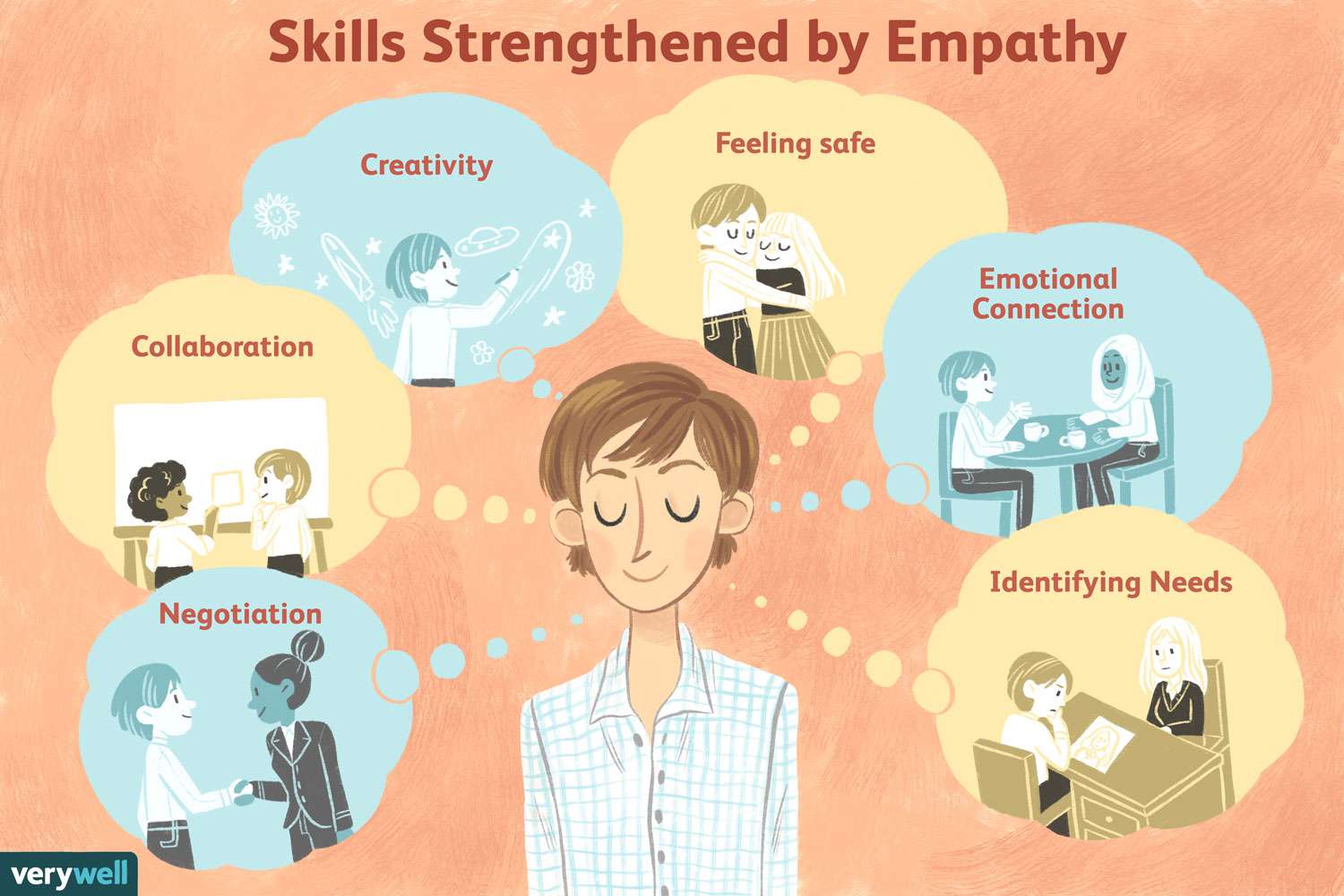
Highlights
- Empathy as a Bridge: It fosters deeper connections and understanding in interpersonal relationships.
- Societal Impact: Empathy promotes prosocial behaviors, driving social justice and inclusivity.
- Cultivation and Practice: Active listening and perspective-taking are key to nurturing empathy.
Understanding Empathy
Empathy, fundamentally defined as the ability to understand and share the feelings of others, plays a pivotal role in the intricate tapestry of human society. Unlike mere sympathy, empathy involves engaging with another’s emotional landscape—stepping into someone else’s shoes to grasp their emotions, struggles, and triumphs. This alignment with another’s emotional experience is what allows empathy to transcend superficial responses, nurturing real, meaningful connections between individuals.
Empathy vs. Sympathy
Whereas sympathy may involve feelings of sorrow or pity for another’s plight, empathy goes a step further by creating a shared emotional experience. In practical terms, empathy is an active process. It calls for conscious engagement, such as listening intently and attempting to understand another person’s perspective. This active engagement forms the foundation upon which interpersonal relationships are built, allowing individuals to move beyond surface-level understanding.
Core Components of Empathy
The indispensable elements of empathy include active listening, perspective-taking, and compassionate response. Each of these components assists individuals in forging connections that are both emotionally and cognitively enriching:
Active Listening: Involves not only hearing but deeply understanding what another person is expressing, whether through words, tone, or body language.
Perspective-Taking: Encourages one to intentionally put themselves in another’s position, thereby understanding their motivations and emotions.
Compassionate Response: Translates understanding into supportive actions that demonstrate care and validation, reinforcing trust and mutual respect.
Empathy's Impact on Interpersonal Relationships
At the heart of every meaningful relationship—be it family, friendship, or professional—lies empathy. The capacity to resonate with another’s emotional state is an essential ingredient for fostering trust, intimacy, and collaboration. In personal relationships, empathy provides the emotional safety net necessary for honest and vulnerable communication. It can turn conflicts into opportunities for connection by enabling individuals to listen to one another fully, appreciate different perspectives, and resolve misunderstandings amicably.
Strengthening Bonds Through Empathy
Empathy nurtures deep bonds by validating the emotional experiences of those around us. When we demonstrate genuine care by understanding and reflecting another’s feelings, we reinforce their sense of being valued and heard. This mutual recognition is the bedrock of trust—a quality that is indispensable in both intimate relationships and group settings, such as workplaces and educational institutions.
Case Study: Empathetic Leadership in the Workplace
Consider the modern workplace, where effective leadership is increasingly linked to empathetic engagement. Leaders who prioritize empathetic communication create environments where team members feel secure and valued. This support can lead to greater levels of creativity, improved collaboration, and a harmonious work environment. Employees who feel understood are more likely to express their ideas, contribute innovatively, and work together to overcome challenges.
Empathy as a Catalyst for Societal Change
Beyond individual relationships, empathy carries profound implications for society. It is a catalyst for social change, acting as a mechanism through which communities can rally around common causes and address systemic inequalities. Empathy empowers people to move beyond their personal experiences and advocate for the rights and well-being of marginalized groups. In doing so, it contributes to creating a more equitable and inclusive society.
Building Inclusive Communities
When empathy is widely practiced, it breaks down the barriers of prejudice and stereotyping that often divide communities. A shared understanding of different cultural, socioeconomic, and personal experiences helps dispel myths and misconceptions, paving the way towards a society where inclusivity and cooperation are the norms. By empathizing with those who face discrimination or hardship, individuals are more likely to support initiatives that promote social justice, equality, and human rights.
Empathy-Driven Social Movements
Throughout history, empathy has been a driving force behind major social movements. Leaders and activists have harnessed the power of shared emotional experiences to fight injustice, rally public support, and initiate reforms. From civil rights to contemporary movements for environmental and social justice, empathy has served as the connective tissue that unites diverse groups in pursuit of common goals.
Strategies for Cultivating Empathy
While some aspects of empathy might come naturally to certain individuals, there is much that can be done to actively cultivate and strengthen this indispensable trait. Both personal development and broader social initiatives play important roles in nurturing empathy.
Individual Practices
One effective method to foster empathy is through the practice of active listening and conscious perspective-taking. Regularly engaging in mindful conversations where one fully concentrates on the other’s expressions—free from distractions or preconceptions—can vastly improve one’s empathetic skills. Moreover, reflecting on one’s own responses and biases can help in recognizing when empathy is lacking and in subsequently correcting that course.
Empathy Training and Workshops
In recent years, various organizations have introduced empathy training workshops aimed at promoting emotional intelligence. These workshops often include exercises designed to enhance one’s ability to observe, understand, and appreciate the emotional states of others. Activities might include role-playing scenarios, guided listening sessions, and reflective discussions, all intended to facilitate a more empathetic approach to everyday interactions.
Community and Educational Initiatives
On a broader scale, fostering empathy within communities and educational settings can have lasting, transformative effects on society. Schools that integrate social-emotional learning into their curricula help students develop empathy, resilience, and interpersonal skills from a young age. Similarly, community programs that encourage dialogue and shared experiences can mitigate cultural and ideological divides, creating a more cohesive social fabric.
Technology and Empathy
Modern technology, when used mindfully, can also be a tool for cultivating empathy. Social media platforms and online communities offer avenues for sharing personal stories and experiences, helping individuals connect with those whose lives may be vastly different from their own. However, it is crucial to promote positive digital environments that encourage mutual respect and genuine emotional exchanges rather than superficial interactions.
Empathy in Action: A Comprehensive Overview
The transformative power of empathy is evident in how it reshapes personal relationships, workplace dynamics, and broader social movements. The table below provides an overview of the key roles that empathy plays across various dimensions of human society:
| Sphere | Impact of Empathy | Key Practices |
|---|---|---|
| Interpersonal Relationships | Fosters trust, intimacy, and clear communication | Active listening, perspective-taking, compassionate response |
| Workplace Dynamics | Enhances collaboration, innovation, and job satisfaction | Empathetic leadership, team-building exercises, mentoring |
| Community Building | Breaks down social barriers and promotes inclusivity | Dialogue initiatives, cultural exchange, social-emotional learning |
| Social Movements | Motivates collective action and drives reforms for justice | Awareness campaigns, storytelling, grassroots mobilization |
The table above reveals how empathy not only underpins the quality of our individual interactions but also catalyzes broader societal improvements. By recognizing and embracing the value of empathy, individuals can become agents of change in their own lives and within their communities.
Empathy in a Modern Context
In today's fast-paced world, where technology and rapid communication often overshadow personal interaction, empathy is more important than ever. As populations grow increasingly diverse and global challenges come to the fore, the ability to empathize with others becomes a crucial tool. In public policy, education, and mental healthcare, empathy informs more responsive and humane systems that work towards the collective well-being.
Public Policy and Empathy
Policymakers who are attuned to the needs and emotions of their constituents are better equipped to craft legislation that is both fair and effective. Empathy in governance helps to ensure that policies are inclusive, taking into account the diverse experiences and hardships faced by various segments of society. This empathetic approach can lead to more equitable resource distribution and social justice initiatives, thereby reinforcing societal cohesion.
Mental Health and Empathetic Care
Empathy also plays a central role in mental health care. Therapists and counselors who genuinely understand the emotional states of their clients foster environments in which healing can take place more effectively. The empathetic bond between care providers and those seeking help facilitates better outcomes by ensuring that individuals feel validated, supported, and understood in their struggles.
References
- Empaths in Society: Their Crucial Role and Impact - Toxigon
- The Crucial Role of Empathy: Understanding, Impact, and Development - Integrative Psych
- Why the World Needs an Empathy Revolution - Greater Good Magazine
- Cultivating Empathy - APA
- Empathy in Our Societies - UNODC
Recommended Queries
Last updated March 12, 2025