
Current Russia-Ukraine War Summary
Unbiased Overview of Recent Developments and Broader Impacts
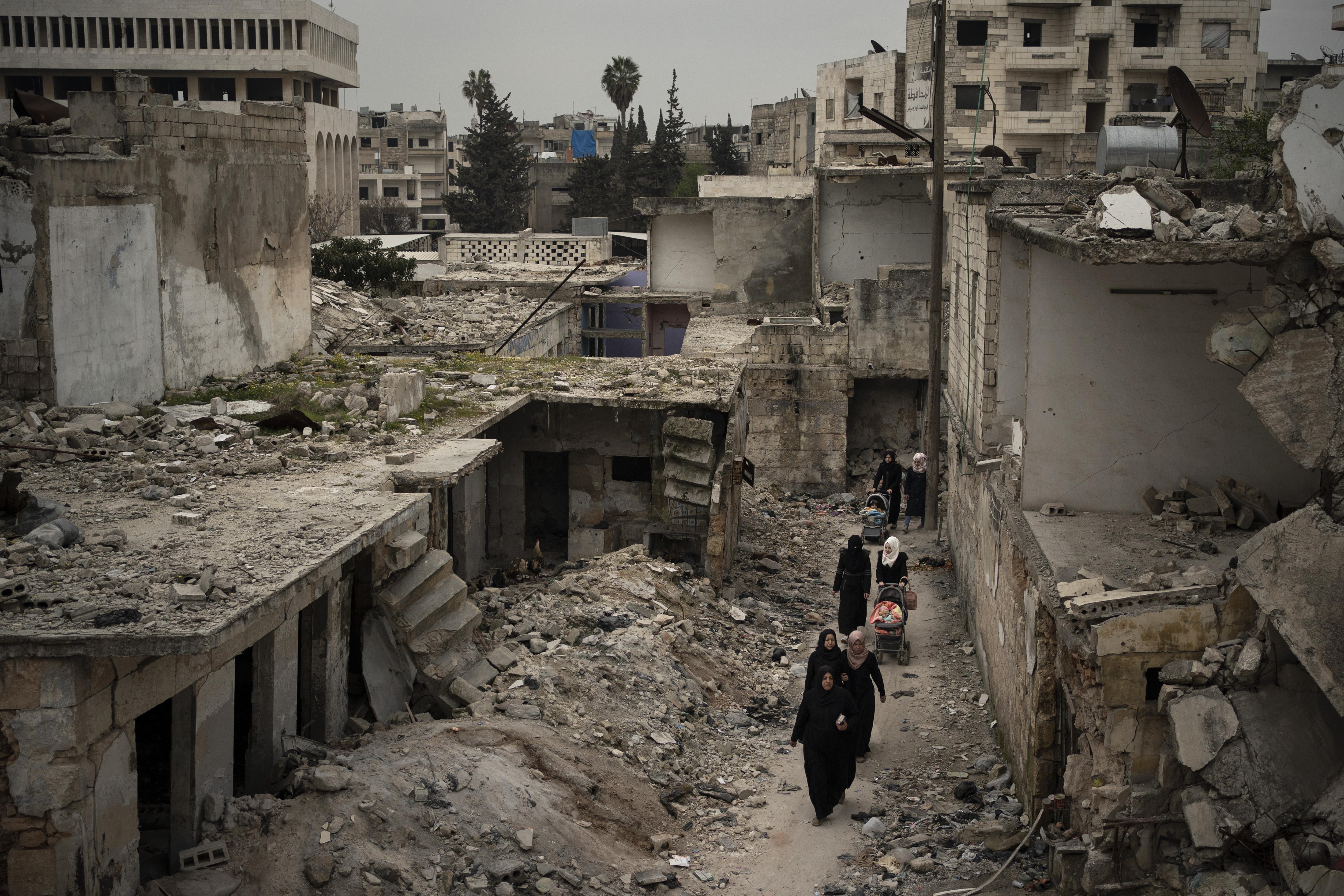
Key Highlights
- Recent Military and Geopolitical Movements: Shifting battlefronts, territorial gains, and drone operations.
- Humanitarian Crisis Status: Widespread civilian casualties, displacement, and economic setbacks.
- International Response and Political Dynamics: Evolving military aid, sanctions, and efforts toward negotiations.
Overview and Recent Developments
The current conflict between Russia and Ukraine, entering its fourth year as of March 2025, has been marked by persistent military engagements, evolving geopolitical strategies, and a deepening humanitarian crisis. The multifaceted dimensions of this war affect not only the immediate battlefields but also the political and economic structures within both nations and the broader international community.
Battlefield Dynamics
Core to the conflict are the ongoing military maneuvers and territorial disputes that have defined the war. Key developments include:
- Intense Engagements and Shifting Frontlines: Fierce fighting continues along the eastern regions and near critical border areas, with both sides experiencing periods of territorial advancement and setbacks. Recent offensives have included both conventional ground battles and modern warfare elements like drone strikes. These actions aim to disrupt enemy logistics and inflict damage on strategic sites.
- Tactical Operations and Drone Warfare: Both Ukraine and Russia have employed unmanned aerial systems to target strategic military and civilian infrastructure. These drone operations are designed to reduce frontline logistics and create tactical advantages, impacting both command structures and supply lines.
- Limited Territorial Gains: While Ukraine has reported some territorial advances in selected regions, Russian forces continue to assert control over approximately 20% of Ukrainian territory. This juxtaposition highlights the protracted nature of the conflict, where even minor shifts in territorial control are crucial to both military strategy and national morale.
- Offensive Incursions: Occasional Ukrainian incursions into Russian territory have occurred, notably attempts to secure positions beyond traditional conflict zones. These actions have led to significant military responses from Russia and further complicate the overall security picture.
Major Events
Several high-profile events have shaped the narrative and strategic landscape of the conflict:
- Full-Scale Invasion and Its Aftermath: Initiated in February 2022, Russia’s full-scale invasion of Ukraine was driven by stated objectives of demilitarization and internal restructuring. However, this aggressive move has since devolved into a prolonged conflict with severe repercussions on both sides.
- Nuclear Escalation Concerns: Periodic references to nuclear capabilities and revised defense postures have raised international alarms. Statements from Russian leadership and tactical repositioning of nuclear weapon systems have underscored the gravitas of potential escalations.
- Collapse of Diplomatic Initiatives: Various attempts at initiating peace talks and diplomatic negotiations have so far failed to yield a lasting resolution, leaving the conflict in a persistent state of volatility.
- Breakdown of Critical Agreements: The collapse of key arrangements, such as grain trade accords, has amplified global economic repercussions, further entangling the conflict with international markets and humanitarian supply chains.
Geopolitical Impacts
International Alliances and Military Aid
The war is not isolated purely within the regional confines of Russia and Ukraine; it significantly affects and is affected by international political and military initiatives:
- Steady International Military Support: Ukraine receives varied levels of military aid from Western alliances, predominantly through NATO and unilateral strategies from influential states. This support includes advanced weaponry and cyber defense solutions aimed at bolstering Ukrainian resistance.
- Economic Sanctions and Diplomatic Isolation: In response to the invasion and the methods of warfare employed by Russian forces, a series of sanctions have been imposed on Russia by a coalition of Western countries. These measures have not only restricted trade and investment but have also contributed to internal economic pressures within Russia.
- Political Shifts in Global Leadership: Changing policies in countries like the United States have influenced the level of support extended to Ukraine. Such shifts periodically alter the dynamics of international involvement and shape the strategic calculus used by regional actors.
- Regional Security Realignments: In response to the ongoing conflict, several European nations have increased their defense budgets and reexamined their security protocols. This military and strategic realignment signals broader shifts in the global geopolitical landscape.
Diplomatic Maneuvers and Peace Prospects
Although diplomatic efforts have been persistent, achieving a comprehensive peace agreement has remained elusive:
- International Negotiation Efforts: High-level discussions among global leaders continue, yet substantial disagreements over terms remain. Negotiations are hindered by deep-seated mistrust and divergent national interests.
- Conditional Proposals and Skepticism: Peace proposals often include conditions that are unacceptable to one or both sides. Ukrainian leadership maintains that any settlement should preserve its territorial integrity without concessions that may undermine national sovereignty.
- Influence of Domestic Politics: Internal political dynamics, both within Ukraine and Russia, significantly influence the peace process. Nationalistic sentiments and the imperative to maintain military readiness prevent either side from engaging too fully in compromise negotiations.
- Multilateral Mediation Attempts: Various international organizations have attempted to facilitate dialogue, but these mediated discussions have yet to produce a durable framework for a ceasefire or long-term peace.
Humanitarian Aspects
Impact on Civilians
The escalating nature of the conflict has precipitated a dire humanitarian crisis with acute consequences for the civilian population:
- Widespread Casualties: The conflict has resulted in tens of thousands of civilian casualties, with both injuries and fatalities reaching significant numbers. Reports indicate that a substantial portion of these casualties includes women and children, adding emotional strain to an already volatile situation.
- Mass Displacement: Millions of citizens have been forced to flee their homes in search of safety. Both internally displaced persons and refugees crossing international borders face severe challenges, including limited access to shelter, food, and medical services.
- Humanitarian Aid and Relief Efforts: Numerous humanitarian organizations have mobilized to provide assistance, delivering essential supplies such as food, medical care, and temporary shelter. Despite these efforts, the scale of need far exceeds the current capacity for relief, leaving millions in precarious conditions.
- Economic and Social Disruption: The war has significantly disrupted economic activities, with losses amounting to hundreds of billions of dollars. This economic devastation compounds the suffering by increasing unemployment rates and deepening poverty in both rural and urban areas.
Broader Economic Implications
Beyond the human toll, the financial consequences of the war reverberate far beyond Ukraine’s borders:
- Severe Economic Losses: The sustained conflict has led to enormous economic setbacks, including infrastructural damage, reduced industrial productivity, and disrupted trade routes. These economic challenges contribute to long-term recovery issues for both the nation and the international economy.
- Impact on Global Markets: The breakdown of certain trade agreements, especially those related to agriculture and energy, has catalyzed fluctuations in global commodity markets. International markets remain volatile due to uncertainties surrounding food and energy supplies.
- Increased Poverty and Social Strife: Economic destabilization has intensified poverty levels, directly affecting millions of individuals who were previously on the brink of financial security. The socio-economic strain is evident in both urban centers and rural communities.
- Rebuilding and Recovery Challenges: Even as international aid and reconstruction efforts mobilize, the scale of destruction calls for a sustained, coordinated approach to recovery—a process that will likely take many years and require substantial financial and logistical support.
Comparative Overview Table
The table below encapsulates the central dimensions of the current Russia-Ukraine war, offering a comparative glance at military operations, geopolitical influences, and humanitarian challenges:
| Dimension | Description | Key Details |
|---|---|---|
| Recent Military Operations | Active combat, territorial advances, and drone warfare |
• Shifting frontlines in eastern and border regions • Incursions into adversary territories • Frequent use of unmanned aerial systems |
| Major Events | Historical milestones and high-stakes operations |
• Full-scale invasion launched in 2022 • Nuclear escalatory posturing • Diplomatic breakdowns affecting global trade |
| Geopolitical Impacts | Shifts in international alliances and military strategies |
• Continued international military aid to Ukraine • Economic sanctions against Russia • Realignment of European security strategies |
| Humanitarian Crisis | Widespread civilian impact and societal disruption |
• Large-scale displacement and refugee influx • Civilian casualties and social disintegration • Ongoing demands for humanitarian assistance and infrastructural rebuilding |
Extended Analysis and Strategic Perspectives
Military Strategies and Evolving Tactics
Military leaders on both sides continue to adapt to an environment characterized by fluid battle lines and complex international pressures. The use of modern warfare technology, particularly unmanned aerial vehicles and precision-guided munitions, has redefined conventional combat strategies. Command structures are increasingly reliant on real-time data and intelligence, which shapes operational decisions and tactical responses.
Furthermore, Ukraine’s efforts to exploit surges in momentum are often tempered by the robust defensive capabilities of Russian forces. This interplay of offensive maneuvers and defensive countermeasures contributes to a prolonged and unpredictable conflict. The strategic decisions made in various regions provide insights into future operational focuses, particularly along contested border areas and in zones where urban centers lie vulnerable.
Political Dynamics and Global Diplomacy
On the global stage, political developments concerning the war have far-reaching ripple effects. While major powers continue to debate the merits of extended military support versus initiating dialogue, domestic politics in influential countries sometimes lead to abrupt policy changes that affect the conflict's equilibrium. High-level meetings between world leaders underscore the complexity of balancing national interests, strategic alliances, and the overarching goal of conflict resolution.
Diplomatic initiatives remain critical, even as skepticism persists on both sides. Ongoing negotiations, though fraught with challenges, hold the potential to gradually de-escalate the tension if mutual concessions can be balanced against national security priorities. Each negotiation forum has highlighted both the fragility of trust and the necessity for long-term frameworks that might eventually lead to conflict cessation.
Humanitarian Relief and Economic Recovery
The humanitarian fallout of the ongoing conflict is staggering. Every new phase of military engagement invariably complicates the delivery of life-saving supplies to affected civilians. Humanitarian agencies are operating under severe constraints—struggling not only with logistics but also with the sheer scale of need. Millions of individuals depend on these organizations for critical relief in the midst of an ever-worsening economic climate.
Economic challenges have compounded the humanitarian crisis. With infrastructure severely damaged and industrial activities significantly disrupted, the path to recovery is both arduous and uncertain. Global economic pressures, including disrupted grain exports and volatile energy markets, exacerbate the impact on local populations. The intersection of economic dislocation and human suffering underscores the importance of coordinated international efforts in the realms of both aid and post-conflict reconstruction.
Future Outlook and Ongoing Uncertainties
Potential Scenarios
Looking ahead, several potential scenarios could unfold. The current conflict remains marked by uncertainty, with future military, diplomatic, and humanitarian developments closely interlinked. On one hand, continued international military support might bolster Ukrainian resistance, possibly leading to new tactical breakthroughs. On the other hand, if diplomatic breakthroughs are achieved, there exists a tenuous possibility for de-escalation that could pave the way toward eventual peace negotiations.
However, the dynamics of this conflict make any long-term prediction inherently challenging. The interplay of ground-level military actions, evolving international alliances, and the sustained commitment of humanitarian agencies means that the situation will likely continue to evolve in unpredictable ways. The strategic choices made in the coming months will be critical in shaping both the immediate and long-term future of this prolonged conflict.
Sustaining International Cooperation
One of the more hopeful aspects amidst the chaos is the demonstrated resilience and solidarity among international partners and humanitarian organizations. Even as economic sanctions and political disagreements persist, coordinated relief efforts and strategic military support underline a recurring commitment to assisting the affected populations. The global community’s ongoing involvement signals a collective recognition that the ramifications of this conflict extend well beyond regional borders.
As international bodies, governmental agencies, and non-governmental organizations continue to work collaboratively, lessons learned from this conflict could eventually inform strategies for mitigating future crises. The forced adaptations and innovations in warfare and humanitarian relief are likely to have a lasting impact on international policy-making and conflict prevention in other regions as well.
References
Below is a curated list of relevant URLs that offer detailed insights and verified reports on various aspects of the current Russia-Ukraine war:
- UNHCR Operational Updates - UNHCR
- Humanitarian Assistance in Ukraine - Humanitarian Action
- 10 Things About Ukraine's Humanitarian Crisis - NRC
- IOM Aid Update - IOM
-
Latest Russia-Ukraine Conflict Reports - Reuters
- BBC Live Updates - BBC
- Financial Times Analysis - FT
- NYT Live Coverage - The New York Times
- BBC War News - BBC
- AP News War Updates - AP News
Recommended Further Exploration
To gain deeper insights into the multifaceted aspects of the conflict, consider exploring the following queries:
Last updated March 4, 2025