
Beyond Treatment: Are Safer Opioid Supplies on the Horizon for Citizens?
Exploring current programs and future possibilities for addressing the overdose crisis through safer alternatives.
The devastating opioid crisis, largely fueled by a toxic and unpredictable illicit drug supply contaminated with substances like fentanyl, continues to claim lives at an alarming rate. In response, innovative harm reduction strategies are being explored and implemented. One such strategy is "safer supply," which involves providing pharmaceutical-grade opioids under medical supervision as an alternative to dangerous street drugs. This approach aims to reduce overdoses, infections, and other harms associated with illicit drug use for individuals with opioid use disorder, particularly those who haven't found success with traditional treatments. But are these programs being actively planned or expanded for citizens?
Key Insights on Safer Supply Initiatives
- Canada Leads Implementation: Jurisdictions like British Columbia have pioneered province-wide safer opioid supply (SOS) programs, providing prescribed alternatives like hydromorphone, with ongoing expansions and evaluations.
- U.S. Focus Differs: The United States currently lacks formal, widespread safer supply programs similar to Canada's, instead concentrating on regulating prescription opioids, enhancing traditional Opioid Treatment Programs (OTPs), and promoting harm reduction measures like naloxone access.
- Evolving Evidence & Debate: Research shows potential benefits of safer supply in reducing overdose risk for participants, but also highlights challenges such as diversion and ensuring prescribed medications meet the needs of individuals accustomed to potent illicit opioids. Effectiveness compared to treatments like methadone is actively studied.
Safer Supply Programs in Canada: Pioneering Harm Reduction
British Columbia's Groundbreaking Approach
Canada, particularly the province of British Columbia (BC), stands out globally for implementing a province-wide safer opioid supply (SOS) policy. Launched initially during the COVID-19 pandemic, this approach provides prescribed, pharmaceutical-grade opioids—such as immediate-release hydromorphone or slow-release morphine—to individuals at high risk of overdose from the contaminated illicit market. The core idea is simple: replace dangerous, unknown-potency street drugs with known, safer alternatives to prevent death and disease.
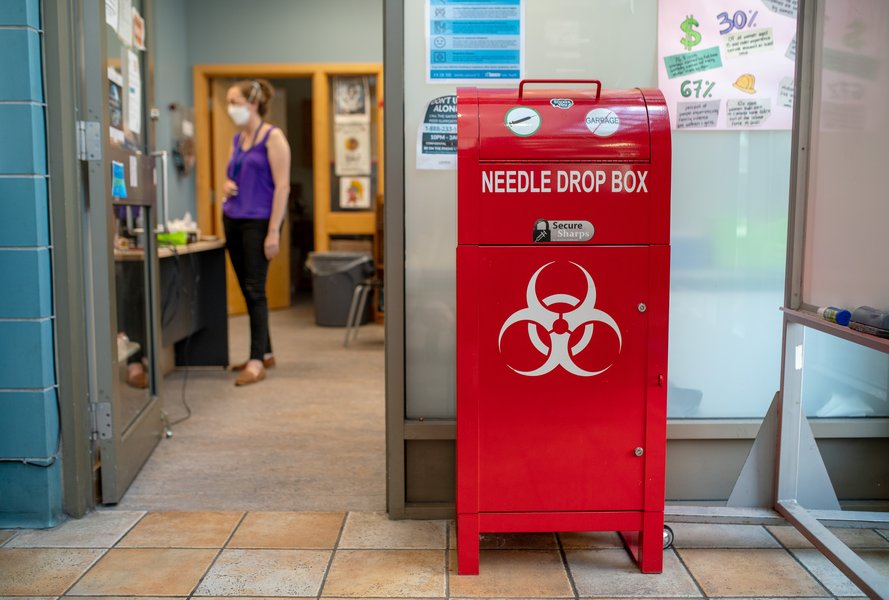
Safer supply programs often involve healthcare professionals dispensing medications.
Program Evolution and Adjustments
Recognizing the complexities involved, BC's program continues to evolve. Recently, steps have been taken to tighten protocols, including moving towards a "witness-only" model for the dispensing of some safer supply medications. This means consumption must occur under the supervision of a health worker, aiming to enhance safety and address concerns about the diversion of prescribed drugs into the illicit market.
Evidence and Outcomes
Studies evaluating BC's initiative have yielded mixed but often promising results. Research indicates that participants in SOS programs experience reduced risks of overdose compared to relying solely on the illicit supply. Qualitative evaluations highlight improvements in participants' stability, reduced engagement in survival crime, and better connections to healthcare and social services. However, challenges remain. Some data points to an increase in opioid-related hospitalizations following policy implementation, though the reasons are complex and subject to ongoing investigation. Another significant challenge is the potential mismatch between the potency of prescribed opioids and the high-potency fentanyl derivatives prevalent on the street, which can sometimes limit program uptake or effectiveness for individuals with high tolerance levels.
Expansion and National Context
Beyond BC, safer supply pilot projects and programs are operational or being considered in other Canadian provinces, including Ontario and Quebec. The federal government of Canada supports safer supply as a component of its broader strategy to combat the overdose crisis, providing funding and guidance. Clinical guidelines have been developed to assist primary care providers in prescribing safer supply medications responsibly.
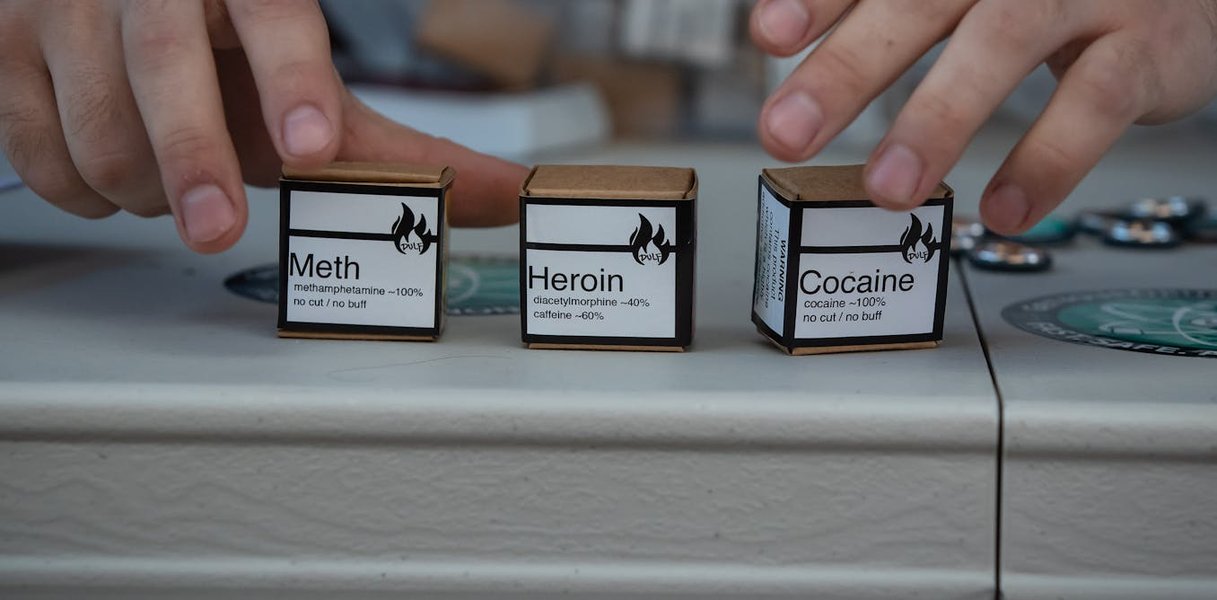
Pharmaceutical-grade medications are central to safer supply initiatives.
The Landscape in the United States: Regulation and Treatment Enhancement
In stark contrast to Canada, the United States has not implemented formal, government-sanctioned safer supply programs that provide pharmaceutical opioids as a direct alternative to the illicit supply. While the concept is discussed in harm reduction circles, the policy focus remains primarily on regulating the existing supply of prescription opioids, expanding access to evidence-based treatments like methadone and buprenorphine, and promoting other harm reduction measures.
Focus on Prescription Opioid Control
The U.S. Drug Enforcement Administration (DEA) plays a key role in managing the supply of controlled substances. For 2025, the DEA announced it would keep the aggregate production quotas for most prescription opioids largely unchanged from 2024 levels, marking the ninth consecutive year of reductions (albeit minor ones this year). This decision aims to ensure adequate supply for legitimate medical and research needs while preventing diversion, reflecting a continued focus on controlling the availability of prescription opioids rather than using them as a safer supply alternative.
Enhancing Opioid Treatment Programs (OTPs)
Significant effort is being directed towards improving and regulating existing Opioid Treatment Programs (OTPs), which primarily dispense methadone and buprenorphine. New requirements for OTPs accredited by The Joint Commission are set to take effect on July 1, 2025. These revisions align with recent federal rules from the Substance Abuse and Mental Health Services Administration (SAMHSA) concerning medications for opioid use disorder (MOUD).
Key OTP Regulations and Flexibilities for 2025
- Assessment Flexibility: Permanent flexibility allows OTPs to conduct periodic patient assessments via audio-only communication when video is unavailable, subject to SAMHSA and DEA authorization. This aims to improve access, especially in rural or underserved areas.
- Drug Testing: Regulations mandate a minimum of eight random drug tests per patient annually, allowing for exceptions in extenuating circumstances. Some harm reduction advocates note that testing illicit supplies for adulterants is also implicitly supported within some program frameworks.
- Take-Home Medications: Policies governing take-home doses of methadone or buprenorphine remain structured, with initial limits (e.g., a maximum 7-day supply during the first 14 days of treatment) that can gradually increase based on patient stability and adherence.
Harm Reduction and Treatment Access Gaps
While safer supply isn't a formal policy, other harm reduction strategies are supported, including naloxone distribution to reverse overdoses and, in some localities, overdose prevention centers or supervised consumption sites (though these face legal and political hurdles). Despite these efforts and a reported decline in overdose deaths in the 12 months ending in 2025, access to MOUD remains a significant challenge. In 2021, only about 22% of US adults with opioid use disorder received these life-saving medications, highlighting a critical gap that current policy adjustments aim to address, albeit without adopting the Canadian safer supply model.
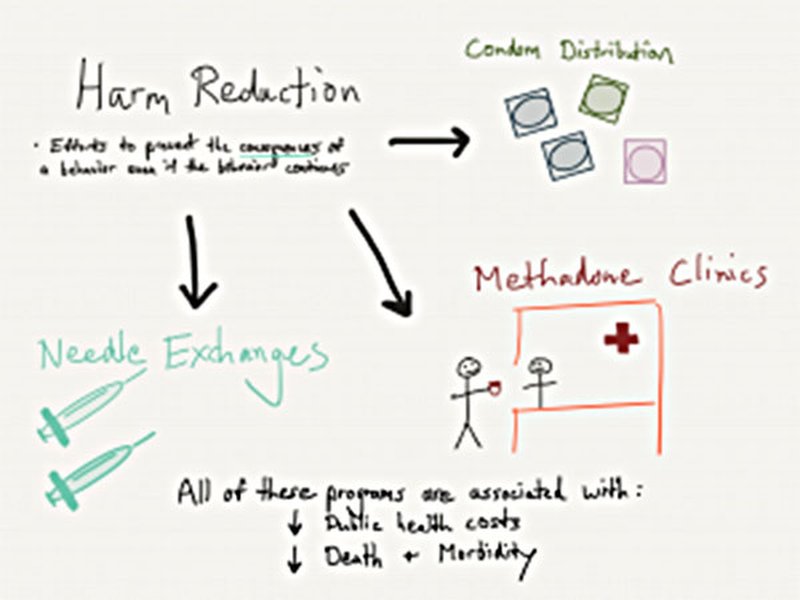
Harm reduction encompasses a range of strategies beyond safer supply, including access to treatment and overdose prevention tools.
Comparing Approaches: Safer Supply vs. Treatment Enhancement
The diverging paths of Canada and the United States highlight different philosophies in tackling the opioid crisis. Canada's approach directly confronts the toxicity of the illicit market by offering a regulated alternative, while the US focuses on strengthening existing treatment paradigms and controlling prescription drug access. Both approaches have proponents and critics, and the evidence base for each continues to evolve.
Evaluating Effectiveness: A Complex Picture
Research comparing different interventions is ongoing. A recent study published in April 2025 compared prescribed safer opioid supply with methadone treatment. It found that while patients generally had better outcomes with methadone, they also experienced higher rates of discontinuing treatment compared to those in safer supply programs. This suggests that safer supply might play a role in retaining individuals in care who might otherwise disengage entirely. Scoping reviews generally support the potential of safer supply programs to reduce harms like overdoses and infections among participants, but also acknowledge the need for careful implementation, monitoring, and integration with comprehensive health and social supports.
Comparative Overview of Opioid Response Strategies
The following chart provides a comparative visualization of key aspects of Canadian Safer Opioid Supply (SOS) programs versus the current focus of US Opioid Treatment Programs (OTPs) and broader harm reduction efforts. Scores are estimated based on current program designs and reported outcomes, reflecting general trends rather than precise quantitative data.
Navigating the Complexities: Key Considerations and Components
Implementing effective responses to the opioid crisis involves balancing numerous factors, from individual patient needs to public health concerns and regulatory frameworks. Both safer supply initiatives and enhanced treatment programs require careful planning and ongoing evaluation.
Mindmap: Opioid Crisis Response Strategies
This mindmap illustrates the interconnected elements involved in addressing opioid use disorder, highlighting the roles of safer supply, traditional treatment, harm reduction, and the associated goals and challenges.
Primarily Canada"] id1a["Goal: Reduce OD death/harm from toxic supply"] id1b["Methods: Prescribed pharma opioids
(e.g., Hydromorphone, Morphine)"] id1c["Target: High-risk individuals"] id1d["Evidence: Reduced OD risk (participants),
Improved stability"] id1e["Challenges: Diversion, Potency Mismatch,
Hospitalization rates?, Scalability"] id2["Opioid Treatment Programs (OTPs)
Primary US Focus"] id2a["Goal: Treat OUD, Reduce illicit use"] id2b["Methods: MOUD
(Methadone, Buprenorphine)"] id2c["Target: Individuals seeking treatment"] id2d["Evidence: Strong evidence for MOUD effectiveness"] id2e["Challenges: Access barriers, Stigma,
Treatment retention, Regulatory burden"] id2f["2025 Developments (US):
New rules, Telehealth flexibilities,
Testing/Take-home policies"] id3["General Harm Reduction"] id3a["Goal: Reduce negative consequences of drug use"] id3b["Methods: Naloxone distribution,
Syringe services, Drug checking,
Overdose Prevention Centers (OPCs)"] id3c["Target: All people who use drugs"] id3d["Challenges: Legal/Political barriers (esp. OPCs),
Funding, Integration"] id4["Overarching Goals"] id4a["Save Lives"] id4b["Improve Health & Well-being"] id4c["Reduce Stigma"] id4d["Connect to Care (Health & Social)"] id5["Key Considerations"] id5a["Individual Needs & Preferences"] id5b["Community Impact"] id5c["Regulatory Environment"] id5d["Integration with Healthcare System"] id5e["Need for Comprehensive Support"]
Importance of Comprehensive Support
Regardless of the specific model, experts emphasize that medication alone is often insufficient. Successful programs typically integrate pharmacotherapy with wraparound supports, including access to primary care, mental health services, housing assistance, counseling, and social support networks. Addressing the complex bio-psycho-social factors underlying addiction is crucial for long-term recovery and well-being.
Understanding Safe Supply: Perspectives and Evidence
The video below offers further insights into the concept of safer supply, discussing what it entails, the demand for such programs among people who use drugs, and the potential impacts based on early experiences and research.
This discussion highlights the rationale behind safer supply as a response to the increasing toxicity of the illicit drug market. It explores how providing a regulated, known-dose alternative can potentially mitigate the risks of overdose and other health complications faced by individuals unable or unwilling to access traditional treatment methods. The video touches upon user perspectives, emphasizing the desire for safer options and the potential for such programs to foster trust and engagement with the healthcare system. It also acknowledges the ongoing research needed to fully understand the broader community impacts and long-term effectiveness of these initiatives.
Comparative Summary: Canada vs. US Approaches (as of early 2025)
This table summarizes the key differences in the approaches being taken in Canada and the United States regarding safer supply and broader opioid response strategies.
| Feature | Canada (Safer Supply Focus) | United States (OTP/Harm Reduction Focus) |
|---|---|---|
| Primary Goal Addressed by "Newer" Strategies | Directly reduce overdose risk from toxic illicit supply by providing alternatives. | Enhance access/effectiveness of existing MOUD treatment; control prescription supply; general harm reduction (e.g., naloxone). |
| Medication Examples (Beyond MOUD) | Prescribed hydromorphone, morphine, sometimes injectable opioids. | Generally not applicable; focus on methadone, buprenorphine within OTPs/clinics. |
| Availability Status | Operational programs (esp. BC, ON); expanding pilot projects. | Formal safer supply programs not widely implemented or planned at federal/state level. |
| Regulatory Body Example | Health Canada; Provincial Ministries of Health. | DEA (supply quotas); SAMHSA/CMS (OTP regulations); State Health Departments. |
| Key 2025 Developments | Adjustments to existing programs (e.g., BC witness-only model); ongoing evaluation. | New OTP regulations (Joint Commission/SAMHSA/CMS) effective July 1; stable DEA prescription quotas. |
| Main Controversy/Challenge Discussed | Diversion of prescribed supply; potency mismatch; long-term impact measurement. | Low MOUD access rates; OTP regulatory burdens; political resistance to some harm reduction (e.g., OPCs). |
Frequently Asked Questions (FAQ)
What exactly is "safer supply"?
Are safer supply programs effective?
Why aren't safer supply programs widely available in the U.S.?
What are the main risks or concerns associated with safer supply?
Recommended Reading
Explore related topics for deeper insights:
- How does the effectiveness of safer supply programs compare directly with traditional methadone treatment?
- What are the detailed new regulations for Opioid Treatment Programs (OTPs) taking effect in the US in 2025?
- What does the current evidence show regarding the diversion of medications from safer supply programs?
- What role do harm reduction strategies like supervised consumption sites play in the US response to the opioid crisis?
References
Last updated April 30, 2025