
Topics Once Dismissed as Pseudoscience but Now Scientifically Validated
Exploring how evolving evidence transformed fringe ideas into established scientific fields
Key Insights
- Scientific Rigor Evolves: Topics once labeled as pseudoscience have, over time, accumulated overwhelming scientific evidence.
- Multidisciplinary Validation: Diverse fields—from geology and physics to psychology and medicine—demonstrate how new evidence can redefine scientific consensus.
- Continual Reassessment: The boundary between pseudoscience and science is not static; it changes as methodological and technological advances emerge.
Understanding the Shift from Pseudoscience to Science
The classification of a topic as pseudoscience often reflects a historical lack of empirical support or established theoretical frameworks. However, as research methodologies improve and evidence accumulates, certain topics once dismissed as pseudoscience have been reexamined and ultimately integrated into the canon of scientific understanding. This shift is driven by rigorous experiments, improved technologies, and multidisciplinary research efforts.
Historical Examples of Reassessment
Throughout scientific history, several topics that were once considered fringe or lacking in credibility have undergone significant reevaluation. In some cases, what was once rejected as mere speculation has evolved into robust fields of inquiry backed by abundant empirical data.
Plate Tectonics
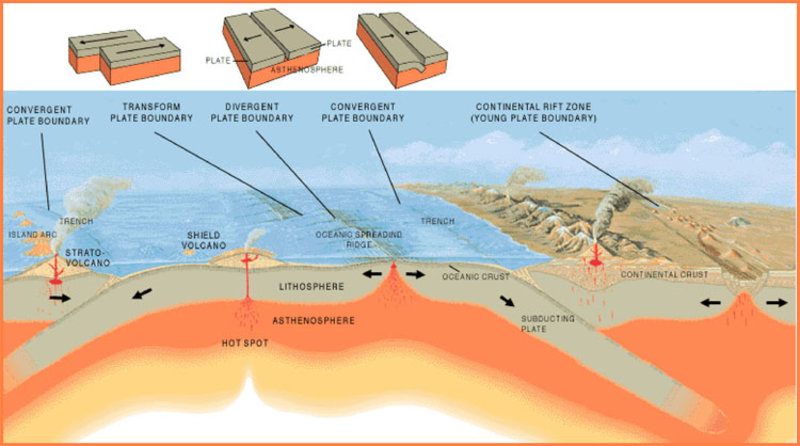
Plate tectonics is a prime example of such a transformation. Initially met with skepticism, the theory proposed that Earth's lithospheric plates move over the semi-fluid asthenosphere. Early critics questioned how continents could drift across the earth’s surface. Over time, detailed studies of earthquake distributions, magnetic striping on the ocean floor, and precise satellite measurements provided undeniable evidence that supported this theory. Today, plate tectonics is a cornerstone of modern geology.
Evolutionary Biology
Evolution was once a highly contentious idea, primarily due to religious and cultural resistance. Over decades, the discovery of fossil records, the rise of molecular genetics, and the development of rigorous methodologies in comparative anatomy and embryology have firmly established evolution through natural selection as a central, indispensable concept in biology.
Vaccination and Immunization
Despite lingering myths and conspiracy theories, the scientific evaluation of vaccines has consistently demonstrated their effectiveness in preventing infectious diseases. Rigorous clinical trials and epidemiological studies have confirmed that vaccination is not only safe but also a critical public health tool. This transformation highlights the importance of robust experimental data in overcoming early misconceptions.
Acupuncture
Although acupuncture was once widely dismissed as unscientific, numerous studies have since investigated its mechanisms using controlled trials. While debates remain regarding the specifics of its efficacy, especially in pain management and nausea reduction, the growing body of research supports acupuncture as an adjunct to standard medical treatments. Its mechanisms are still being explored, but scientific evidence has rendered it a credible complementary therapy.
Hypnosis and Psychoanalysis
Hypnosis has undergone a similar reevaluation. Initially considered a mysterious or even dubious practice, controlled studies have validated its utility in therapeutic settings. Modern hypnosis, when used appropriately, can aid in pain management, anxiety reduction, and as part of various behavioral therapies. Similarly, while classical psychoanalysis as originally envisioned by Freud faced criticism for lack of empirical grounding, its evolution into various evidence-based psychotherapeutic methods has garnered respect within the clinical psychology community.
Exobiology (Astrobiology)
The study of life beyond Earth, once relegated to the fringes of scientific curiosity, is now a serious field of inquiry. Advancements in space exploration, the discovery of extremophiles on Earth, and the identification of exoplanets in habitable zones have contributed to establishing astrobiology as a legitimate and exciting discipline.
Mindfulness and Meditation
The practices of mindfulness and meditation were long dismissed as mere relaxation techniques without scientific merit. With advances in neuroimaging and behavioral science, these practices are now supported by a wealth of evidence demonstrating benefits for mental health, stress reduction, and overall well-being. Research continues to explore their physiological and psychological effects, integrating these ancient practices into modern therapeutic approaches.
Comprehensive Overview Table
| Topic | Evidence Level | Scientific Developments | Key Points |
|---|---|---|---|
| Plate Tectonics | High | Geophysical surveys, satellite measurements, magnetic anomalies | Revolutionized geology; explains earthquakes and mountain formation. |
| Evolutionary Biology | High | Fossil records, molecular genetics, comparative anatomy | Central to modern biology; explains species diversity and development. |
| Vaccination and Immunization | High | Clinical trials, epidemiological studies, public health data | Proven safety and efficacy; has eradicated or controlled several diseases. |
| Acupuncture | Moderate to High | Randomized controlled trials, physiological studies | Effective for pain management; continues to be integrated into medical practice. |
| Hypnosis | Moderate | Clinical applications, neuroimaging studies | Validated as a tool in pain management and therapy; not a universal cure-all. |
| Psychoanalysis | Moderate (evolved) | Psychotherapeutic evolution, evidence-based adaptations | Early models debated; modern adaptations integrated into evidence-based practices. |
| Exobiology (Astrobiology) | High | Space missions, discovery of extremophiles, exoplanet research | Establishes scientific basis for exploring life beyond Earth. |
| Mindfulness & Meditation | High | Neuroimaging studies, clinical trials | Demonstrated physiological and psychological benefits in controlled studies. |
How Do These Topics Transition from Pseudoscience to Established Science?
A consistent pattern underlies the evolution of these topics: the development of more sophisticated tools and methodologies over time allows for precise measurements and data collection. Initially, many of these topics suffered from imprecise definitions or were hindered by a lack of technology to properly investigate their underlying mechanisms. For example, early geological studies could not provide the conclusive evidence needed to support the theory of continental drift, which later evolved into plate tectonics with the advent of satellite-based Earth observations.
Similarly, many psychological practices, such as hypnosis or meditation, were largely based on anecdotal evidence until modern techniques enabled the observation of brain activity and behavioral changes in controlled environments. This transition demonstrates the self-correcting nature of the scientific method, where hypotheses are continually refined through empirical testing.
Evaluating Claims, Evidence, and Methodology
Each of these topics underwent extensive scrutiny. It is critical to evaluate claims based on reproducibility, empirical testing, and adherence to the scientific method. For instance, while acupuncture’s mode of action is still under review, the repeated success of clinical trials in specific therapeutic contexts provided a counterweight to early skepticism. Similarly, while some interpretations in quantum mechanics were once dismissed, the rigorous experimental validations have contributed to their acceptance within contemporary physics discourse.
Important Considerations
When reviewing topics that have transitioned from being seen as pseudoscience to being established areas of scientific inquiry, it is crucial to distinguish between anecdotal claims and demonstrable, replicable evidence. The fields discussed here have crossed that threshold through the accumulation of data, critical peer review, and the development of robust theoretical frameworks that withstand empirical testing. This doesn’t imply that all claims within these fields are free from debate, but the core principles now rest on solid scientific grounding.
Additional Examples and the Broad Spectrum of Scientific Acceptance
Beyond the topics detailed above, many fields experience a spectrum of acceptance where some aspects are well-supported and others remain contentious. For example, aspects of transpersonal psychology and certain interpretations of quantum mechanics continue to be refined. Overall, these cases underscore an important principle in the pursuit of knowledge: science is dynamic. As methodologies improve and new evidence emerges, previously marginalized ideas can be revisited, reformed, and eventually embraced if they can withstand critical scientific scrutiny.
The Interdisciplinary Nature of Scientific Validation
The transition from pseudoscience to recognized science is not a linear path but rather a multifaceted process involving interdisciplinary research. In many cases, discoveries in one field spur advancements in another. For instance, the technological improvements in satellite imaging and seismology not only bolstered the theory of plate tectonics but also provided better tools for studying Earth’s crust. Likewise, progress in neuroimaging has fundamentally altered our understanding of mental health interventions, contributing to broader acceptance of previously controversial psychological practices.
References
- Pseudoscience - Wikipedia
- Science vs. Pseudoscience - Space.com
- Science and Pseudoscience - Stanford Encyclopedia of Philosophy
- Historical Examples: From Pseudoscience to Science - HSM Stack Exchange
- What Is Pseudoscience? - Michael Shermer
Recommended Queries for Further Exploration
Last updated March 18, 2025