
Unveiling the Epic Chronology of the Second Punic War
Explore the key battles and turning points that reshaped the ancient Mediterranean.
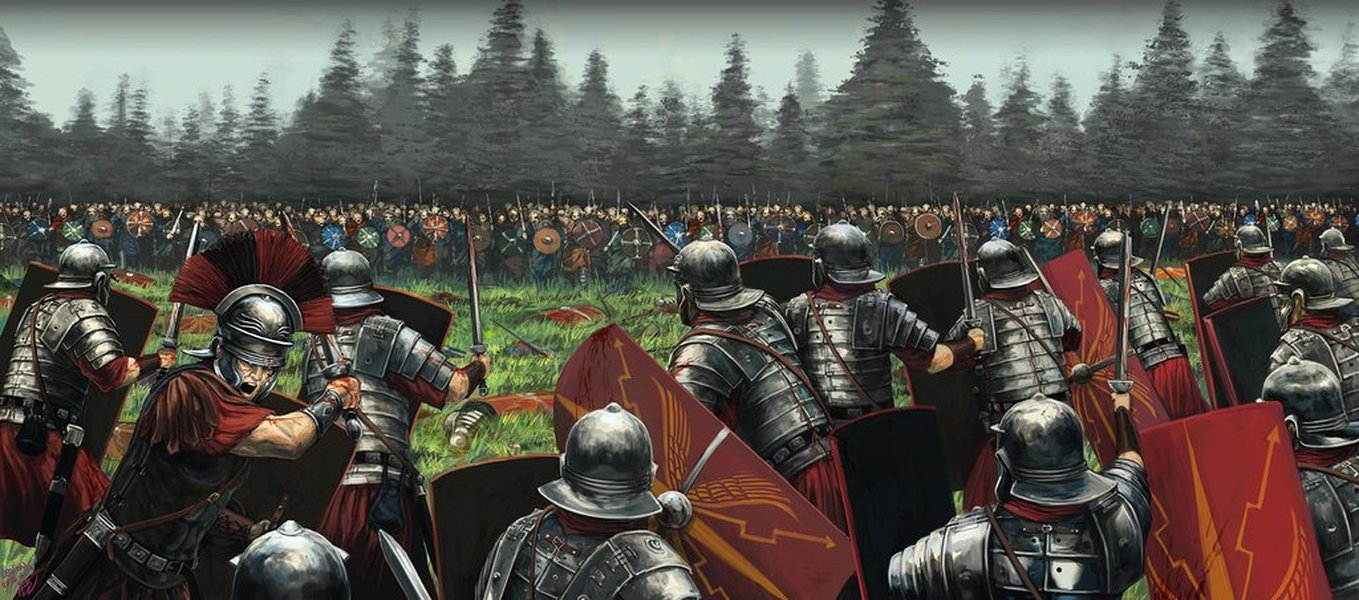
Key Highlights
- Hannibal's Alpine Crossing: An unparalleled military feat that initiated a series of audacious moves.
- Pivotal Battles: Engagements like Cannae and Metaurus drastically shifted the war's momentum.
- Decisive Turning Points: The eventual defeat at Zama solidified Rome’s supremacy and reshaped the balance of power.
Detailed Timeline Overview
The Second Punic War (218-201 BCE) stands as one of the most significant conflicts in ancient history. This war pitted the rising power of Rome against the storied Carthaginian Empire and was largely ignited by the events in Spain where Hannibal Barca, the Carthaginian military genius, initiated hostilities by besieging Saguntum – a client state allied with Rome. This act led to Rome declaring war, setting in motion a series of remarkable military campaigns both on the Italian peninsula and beyond.
Hannibal’s legendary march across the Alps not only marked a daring tactical maneuver but also forced the Roman Republic to re-evaluate its defensive and offensive strategies. Key battles such as Lake Trasimene and Cannae demonstrated Hannibal’s tactical acumen, even as Rome gradually adapted its approach by employing attrition and delay strategies, famously under the guidance of leaders like Fabius Maximus. The culmination of these efforts was seen in the decisive Battle of Zama, where Scipio Africanus outmaneuvered Hannibal, effectively ending the conflict and heralding a new era of Roman dominance.
Major Timeline Events
| Year (BCE) | Event | Significance |
|---|---|---|
| 237 | Hamilcar Barca's Campaign in Spain | Initial Carthaginian expansion establishing a foothold in the Iberian Peninsula. |
| 229 | Hasdrubal Takes Command | Continued consolidation and expansion of Carthaginian power in Spain. |
| 226 | Ebro River Treaty | Formal boundary agreement defining sphere of influence between Rome and Carthage. |
| 221 | Hannibal Becomes Commander in Spain | Leadership transition that set the stage for decisive future actions. |
| 219 | Sack of Saguntum | The inciting incident prompting Rome to declare war against Carthage. |
| 218 | War Declaration & Alpine Crossing | Rome’s formal entry into the conflict and Hannibal’s audacious invasion of Italy. |
| 217 | Battle of Lake Trasimene | A strategic victory for Hannibal, showcasing his ability to outmaneuver larger Roman forces. |
| 216 | Battle of Cannae | A masterclass in military tactics where Hannibal encircled and decimated a much larger Roman army. |
| 207 | Battle of Metaurus | A critical Roman victory that thwarted Carthaginian reinforcements, altering the war’s trajectory. |
| 202 | Battle of Zama | Decisive confrontation leading to Hannibal’s defeat and paving the way for Roman triumph. |
| 201 | Peace Treaty | Culminated in Carthage ceding territories and accepting harsh reparations, marking Rome’s ascendency. |
Visualizing Strategic Impact: Radar Chart Analysis
This radar chart encapsulates multiple critical aspects of the Second Punic War. It evaluates the military strategy, tactical innovation, leadership, logistics, and overall impact from perspectives largely attributed to Hannibal’s daring campaigns and Rome’s formidable responses. Each dataset brings forward an opinionated analysis that underscores the unique strengths and strategic decisions made by the warring factions.
Mermaid Mindmap Overview
The diagram below offers a visual mindmap that encapsulates the main components of the Second Punic War – from key battles and legendary figures to the consequential outcomes that shaped the ancient world.
Supplementary Video Insight
An engaging video summary provides a dynamic visual account of the Second Punic War, highlighting strategic maneuvers and critical battles. Enjoy this concise historical overview below:
Frequently Asked Questions
What sparked the Second Punic War?
How did Hannibal's tactics influence military history?
What were the long-term impacts of the war on Rome and Carthage?
References
- World History Encyclopedia - Second Punic War Timeline
- Britannica - Second Punic War
- History.com - Punic Wars
- Wikipedia - Second Punic War
- PunicWars.org - Second Punic War Timeline
Recommended Queries for Further Exploration
Last updated April 1, 2025