
Fueling Your Fleet-Footed Friend: The Definitive Guide to Feeding Your Segugio Italiano
Unlocking optimal health and vitality for your Italian scent hound through precise nutrition and mindful feeding practices.
The Segugio Italiano, an ancient and esteemed Italian scent hound, is renowned for its remarkable stamina, keen hunting instincts, and affectionate nature. To ensure this energetic breed thrives, a meticulously planned diet is paramount. Proper nutrition fuels their active lifestyle, supports their muscular physique, and contributes to their overall well-being and longevity. This guide delves into the specifics of correctly feeding your Segugio Italiano, drawing upon expert consensus to provide you with a comprehensive understanding of their dietary needs.
Nutrition at a Glance: Key Feeding Insights
- Protein Power: A high-protein diet, typically ranging from 18% to 30%, is crucial for muscle development, energy, and overall health. Prioritize high-quality animal-based protein sources.
- Bloat Prevention is Key: This breed can be susceptible to bloat. Feeding 2-3 smaller meals per day instead of one large meal, avoiding vigorous exercise around mealtimes, and considering slow-feeder bowls are vital preventive measures.
- Caloric Balance: Due to their high energy levels, Segugio Italianos require a diet that matches their activity. However, they can be prone to obesity if overfed, so portion control and regular weight monitoring are essential.
Decoding the Segugio Italiano's Nutritional Blueprint
Understanding the core components of a balanced diet is the first step towards ensuring your Segugio Italiano receives optimal nourishment.
The Pillars of Their Diet: Macronutrients
Protein: The Building Block of Vitality
Protein is fundamental for the Segugio Italiano, supporting everything from muscle maintenance and repair to immune function and energy production. An adult Segugio Italiano generally requires a diet containing 18-30% protein, with more active or working dogs potentially needing amounts at the higher end of this spectrum. High-quality, easily digestible animal-based proteins are preferred.
- Excellent Sources: Fresh chicken, turkey, lamb, beef, and fish are prime choices.
- Considerations: For dogs with sensitive stomachs, chicken is often a good starting point. Leaner cuts of beef and lamb are beneficial, especially for managing weight.
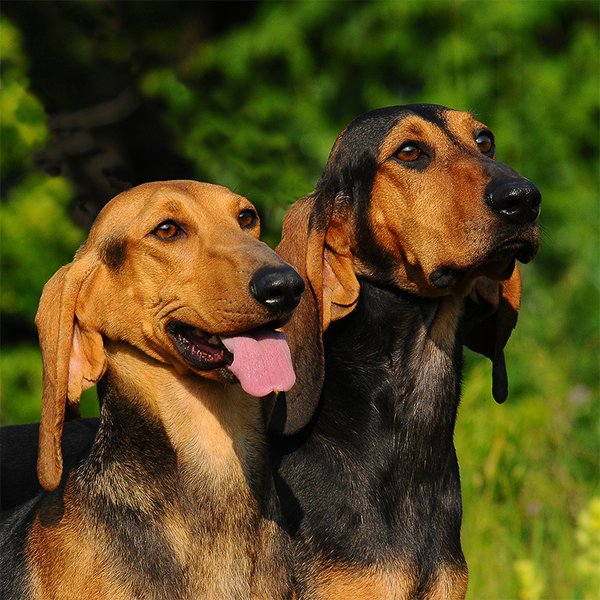
A Segugio Italiano, showcasing the breed's athletic build which is supported by a protein-rich diet.
Fats: Concentrated Energy and Essential Acids
Fats are a dense energy source, crucial for a high-stamina breed like the Segugio Italiano. They also play a vital role in nutrient absorption, hormone production, and maintaining healthy skin and coat. A moderate fat content is generally recommended, ensuring sufficient energy without promoting excessive weight gain. Look for diets with named animal fats or high-quality plant oils.
Carbohydrates: Fuel for an Active Life
Complex carbohydrates provide sustained energy release, which is essential for this active breed. Whole grains and vegetables are preferable to simple carbohydrates or fillers like corn and wheat, which can sometimes cause digestive upset or allergies in sensitive individuals.
- Beneficial Carbohydrates: Sweet potatoes, brown rice, quinoa, millet, peas, and carrots.
- What to Limit or Avoid: Some dogs may be sensitive to wheat, corn, or soy. If you notice digestive issues, consider foods free from these ingredients.
Essential Micronutrients and Hydration
Vitamins and Minerals: The Unseen Powerhouses
A balanced commercial dog food will typically provide all necessary vitamins and minerals. These micronutrients are vital for countless bodily functions, including bone health, nerve function, and metabolic processes. If preparing homemade food, consult a veterinary nutritionist to ensure completeness.
Water: The Elixir of Life
Constant access to fresh, clean water is non-negotiable. Proper hydration is critical for digestion, nutrient transport, temperature regulation, and overall cellular function. Ensure water bowls are cleaned daily and refilled regularly, especially after exercise or during warm weather.
Practical Feeding Guidelines: How Much and How Often?
Establishing a consistent feeding routine and appropriate portion sizes is key to your Segugio Italiano's health.
Determining Daily Food Intake
The amount of food your Segugio Italiano needs daily depends on several factors, including their age, weight, activity level, metabolism, and the specific caloric density of their food. As a general guideline, an adult Segugio Italiano weighing around 27 kg (60 pounds) might require approximately 1.5 to 3 cups of high-quality dry dog food per day. More active dogs or those involved in hunting will naturally need more calories. Always refer to the feeding guidelines on your chosen dog food packaging as a starting point and adjust as needed based on your dog's body condition.
- Puppies (up to 6 months): Typically require more calories relative to their body weight and should be fed three to four small meals per day.
- Adults (over 6 months): Usually thrive on two meals per day. Some owners opt for three smaller meals to further mitigate bloat risk.
The Importance of Portion Control and Monitoring
Segugio Italianos can be prone to weight gain if their food intake isn't carefully managed, especially if their exercise levels decrease. Regularly monitor your dog's body condition score. You should be able to feel their ribs with a light touch but not see them prominently. An obvious waistline when viewed from above is also a good indicator of healthy weight. Adjust portions as necessary to maintain an ideal physique.

Regularly assessing your Segugio Italiano's body condition is crucial for managing their diet effectively.
Consistency is Key
Feeding your Segugio Italiano at consistent times each day helps regulate their digestive system and can aid in housetraining, particularly for puppies. A predictable schedule aligns with their natural preference for routine.
A Deep Dive into Segugio Italiano Nutritional Needs: Interactive Chart
The following chart illustrates how different factors can influence the dietary priorities for a Segugio Italiano. For example, a highly active working dog will have greater energy and protein demands compared to a senior dog with a more sedentary lifestyle. Understanding these nuances helps in tailoring the diet effectively.
This chart provides a visual representation of how dietary considerations shift based on life stage and activity level, emphasizing the need for a flexible and observant approach to feeding your Segugio Italiano. A score of 10 indicates the highest importance or need, while lower scores indicate lesser, though still relevant, emphasis.
Navigating Potential Health Concerns: Bloat
Gastric Dilatation-Volvulus (GDV), commonly known as bloat, is a serious, life-threatening condition that can affect deep-chested breeds like the Segugio Italiano. While not exceedingly common, taking preventative measures is crucial.
Strategies to Minimize Bloat Risk:
- Multiple Small Meals: Feed two to three smaller meals daily instead of one large portion. This prevents the stomach from overstretching.
- Rest Around Mealtimes: Avoid vigorous exercise for at least an hour before and after meals.
- Slow Feeder Bowls: If your dog tends to eat rapidly, a slow-feeder bowl can help reduce air intake during meals.
- Elevated Bowls (Use with Caution): Historically recommended, recent studies suggest elevated bowls might actually increase bloat risk in some breeds. Consult your veterinarian for advice specific to your dog.
- Monitor Water Intake: Don't allow excessive water consumption immediately after eating a large meal.
Familiarize yourself with the symptoms of bloat (e.g., restlessness, unproductive retching, swollen abdomen, discomfort) and have an emergency plan in place. Immediate veterinary attention is critical if you suspect bloat.
Tailoring the Diet: Special Considerations
Individual Segugio Italianos may have unique dietary needs based on their specific circumstances.
Active and Working Dogs
Segugio Italianos engaged in regular hunting or other high-intensity activities will have significantly higher energy and protein requirements. Their diet should be calorie-dense, with an emphasis on high-quality proteins and fats to fuel endurance and aid muscle recovery. Performance dog foods are often formulated to meet these demands.
Dogs with Sensitive Stomachs
If your Segugio Italiano exhibits signs of digestive sensitivity (e.g., loose stools, excessive gas), consider a diet with limited, easily digestible ingredients. Avoiding common allergens like wheat, corn, and soy can be beneficial. Some dogs thrive on novel protein sources (e.g., duck, venison) or diets specifically formulated for sensitive systems. Probiotics may also be helpful.
Managing Weight
For overweight Segugio Italianos, a weight management plan is essential. This typically involves reducing caloric intake by feeding a lower-calorie, high-fiber diet that still provides adequate protein to maintain muscle mass. Increased exercise, appropriate for their health status, is also crucial. Consult your veterinarian to develop a safe and effective weight loss plan.
Senior Segugio Italianos
As dogs age, their metabolism may slow down, and they might become less active. Senior diets are often lower in calories but rich in easily digestible protein and may include supplements like glucosamine and chondroitin for joint health, as well as antioxidants to support immune function.
Visualizing Your Segugio Italiano's Diet Plan
This mindmap provides a holistic overview of the key elements involved in crafting the perfect diet for your Segugio Italiano, from foundational nutritional needs to specific feeding practices and health considerations.
Chicken, Lamb, Fish, Beef"] id1b["Moderate Fats
Energy, Skin & Coat"] id1c["Complex Carbohydrates
Sweet Potato, Brown Rice"] id1d["Vitamins & Minerals
Balanced Commercial Food"] id1e["Constant Fresh Water"] id2["Feeding Practices"] id2a["Portion Control
Prevent Obesity, Monitor Body Condition"] id2b["Meal Frequency
2-3 Small Meals Daily (Adults)
3-4 Meals (Puppies)"] id2c["Consistent Schedule
Aids Digestion & Training"] id2d["Slow Feeder Bowls
For Rapid Eaters"] id3["Health Considerations"] id3a["Bloat Prevention
Small Meals, No Exercise Around Food"] id3b["Weight Management
Adjust Calories to Activity"] id3c["Sensitive Stomachs
Avoid Allergens (Wheat, Corn)"] id4["Specific Life Stages"] id4a["Puppies
Higher Calorie & Nutrient Needs"] id4b["Active/Working Dogs
Increased Protein & Calories"] id4c["Senior Dogs
Lower Calorie, Joint Support"] id5["Food Choices"] id5a["High-Quality Commercial Food
Real Meat as First Ingredient"] id5b["Avoid Fillers & Artificial Additives"] id5c["Consider Fresh/Homemade (with Vet Guidance)"]
By keeping these interconnected factors in mind, you can ensure your Segugio Italiano receives a diet that supports a long, healthy, and active life.
Choosing the Right Food: A Summary Table
Selecting an appropriate food is paramount. High-quality commercial dog foods formulated for medium-sized, active breeds are generally a good choice. Always prioritize foods with real meat as the primary ingredient and avoid those laden with artificial preservatives, colors, or fillers. Some owners opt for fresh-cooked or raw diets; if so, ensure they are nutritionally complete and balanced, ideally formulated with veterinary nutritionist guidance. The table below summarizes key feeding aspects:
| Aspect | Recommendation for Adult Segugio Italiano | Notes |
|---|---|---|
| Daily Food Amount | 1.5 to 3 cups (approx. for 27kg/60lb dog) | Varies by activity, age, food type; monitor body condition. |
| Meal Frequency | 2-3 meals per day | Helps prevent bloat and manage hunger. |
| Protein Content | 18-30% (dry matter basis) | Higher end for active dogs; quality animal sources. |
| Fat Content | Moderate | Sufficient for energy; avoid excessive amounts to prevent obesity. |
| Carbohydrate Sources | Complex (sweet potatoes, brown rice, vegetables) | Avoid excessive corn, wheat, or soy if sensitive. |
| Key for Bloat Prevention | Multiple small meals, rest after eating, consider slow feeder | Crucial for deep-chested breeds. |
| Hydration | Constant access to fresh, clean water | Essential for all bodily functions. |
| Treats | In moderation (max 10% of daily calories) | Choose healthy options; account for them in total intake. |
Remember, these are general guidelines. Consulting with your veterinarian is always the best approach to fine-tune your Segugio Italiano's diet, especially if they have specific health conditions or dietary sensitivities.
This video provides a general overview of the Segugio Italiano breed, including a segment that touches upon their feeding needs, reinforcing the importance of a tailored diet for their health and energy levels.
The video serves as a good introduction to the breed and highlights that dietary considerations are a key part of responsible Segugio Italiano ownership. While it doesn't offer an exhaustive dietary plan, it underscores the breed's energetic nature, which directly ties into their nutritional requirements discussed throughout this guide. Understanding the breed's characteristics, as shown in the video, helps contextualize why a high-quality, protein-rich diet with careful portion control is so vital for their well-being.
Frequently Asked Questions (FAQ)
What is the best type of protein for a Segugio Italiano?
High-quality animal-based proteins such as chicken, lamb, fish (like salmon), turkey, and lean beef are excellent choices. The "best" can depend on your individual dog's preferences and any sensitivities. Rotating protein sources can sometimes be beneficial, provided your dog tolerates it well.
How can I tell if my Segugio Italiano is overweight?
You should be able to easily feel (but not see protruding) your dog's ribs without pressing hard. They should have a visible waist when viewed from above, and their abdomen should tuck up when viewed from the side. If you're unsure, consult your veterinarian for a body condition score assessment.
Are there any foods I should absolutely avoid feeding my Segugio Italiano?
Yes, several human foods are toxic to dogs. These include chocolate, grapes and raisins, onions, garlic, xylitol (an artificial sweetener), alcohol, and macadamia nuts. Also, avoid giving cooked bones as they can splinter and cause internal damage. Stick to dog-specific foods and treats.
Is it better to feed my Segugio Italiano dry kibble or wet food?
Both high-quality dry kibble and wet food can provide complete nutrition. Dry food is often more convenient, economical, and can offer some dental benefits. Wet food is more palatable for some dogs and has higher moisture content, which can be beneficial for hydration. Some owners choose to mix both. The most important factor is the quality and nutritional balance of the food, regardless of its form.
Recommended Further Exploration
- How does exercise level impact the caloric needs of a Segugio Italiano?
- What are the signs of food allergies in Segugio Italiano dogs and how are they managed?
- Can I make homemade dog food for my Segugio Italiano and what should I include?
- Specific nutritional requirements for senior Segugio Italiano dogs versus puppies.
References
Last updated May 7, 2025