
The Influence of Self-Confidence in Overcoming Academic Challenges
A research introduction for Grade 11 ABM students in Fundamentals of Accountancy, Business, and Management at Academia de Pulilan
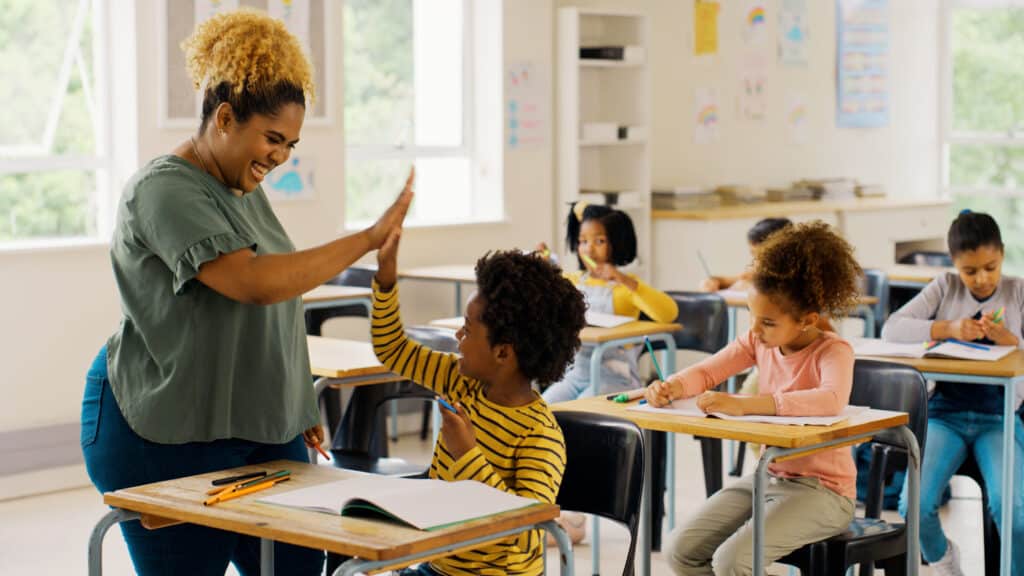
Key Insights
- Self-confidence influences academic performance by promoting a growth mindset and resilience in learning challenges.
- Empowered students engage actively in classroom activities and problem-solving, leading to improved comprehension and retention.
- Systematic strategies and supportive environments are essential in fostering self-confidence among ABM students.
Introduction
In the landscape of modern education, academic success cannot solely be attributed to the mastery of content; the psychological structure of the student plays an equally vital role. This research focuses on the influence of self-confidence in overcoming academic challenges, addressing its impact on Grade 11 students enrolled in the Accountancy, Business, and Management (ABM) strand at Academia de Pulilan. It specifically explores how students in the Fundamentals of Accountancy, Business, and Management subject harness self-confidence to better navigate complex academic demands.
Self-confidence is defined as the firm belief in one’s own ability to succeed and perform tasks effectively. For young learners, particularly those in rigorous academic programs such as ABM, this self-assurance can serve as the cornerstone for developing a growth mindset—a dynamic approach that views challenges as avenues for development rather than insurmountable obstacles. The transition into specialized subjects demands not only intellectual adaptation but also a reinforced belief in the ability to conquer new hurdles.
Context and Significance
Educational Environment and Challenges
The Accountancy, Business, and Management curriculum is designed to prepare students for the rigor of corporate and financial operations. However, many Grade 11 ABM students encounter academic challenges due to several constraints. A lack of foundational knowledge, difficulty in grasping complex theories, and time management issues are often compounded by psychological factors such as anxiety and low self-confidence. These hurdles disrupt the learning process, potentially resulting in diminished academic performance.
In the specific case of Academia de Pulilan, the Fundamentals of Accountancy, Business, and Management subject serves as a litmus test for students’ preparedness and adaptability. The subject demands analytical thinking, problem-solving, and an ability to quickly integrate and apply theoretical concepts. Without a strong sense of self-confidence, students may feel overwhelmed, leading to a cycle of anxiety, withdrawal, and decreased academic achievement.
Why Self-Confidence Matters
Self-confidence instills the courage to approach daunting tasks with a proactive mindset. When students believe in their abilities, they are more inclined to participate actively, seek clarification, and persevere despite setbacks. Moreover, self-confidence lays the groundwork for resilience—the capacity to recover from failures and setbacks, which is a critical attribute in academic pursuits. In the ever-evolving field of accountancy and business management, where practical problem-solving is as important as theoretical knowledge, self-confidence encourages a student to embrace challenges as opportunities for growth.
Various studies have shown that higher levels of self-esteem and self-assurance correlate with improved academic outcomes. These include enhanced attendance, active participation in classroom discussions, and a willingness to take on complex, unfamiliar tasks. The belief in one’s ability to succeed can considerably mitigate stress and foster an environment where mistakes are seen as steps towards mastery rather than as stigmatic failures.
Research Objectives and Questions
Objectives of the Study
This research aims to comprehensively investigate how self-confidence influences the academic performance of Grade 11 ABM students, particularly within the challenging framework of the Fundamentals of Accountancy, Business, and Management subject. The study examines:
- The extent to which self-confidence and a growth mindset are present among these students.
- The relationship between self-confidence and academic performance indicators such as grades, participation, and resilience.
- The efficacy of supportive strategies implemented by educators and parents in bolstering student confidence.
- The role of self-initiated practices that encourage a positive self-image and reduce academic anxiety.
Key Research Questions
To systematically explore the influence of self-confidence, the study addresses the following research questions:
| Research Question | Description |
|---|---|
| RQ1 | How does self-confidence affect the academic performance of Grade 11 ABM students in Fundamentals of Accountancy, Business, and Management? |
| RQ2 | What intrinsic and extrinsic factors contribute to the development or erosion of self-confidence among these students? |
| RQ3 | Which strategies and interventions deployed by educators and parents effectively enhance self-confidence? |
| RQ4 | How do students’ self-confidence levels correlate with their ability to overcome academic challenges and maintain consistent academic performance? |
Theoretical Framework and Literature Review
Understanding Self-Confidence in an Academic Context
The theoretical underpinnings of this research draw from cognitive and motivational theories, which posit that self-confidence can significantly influence learning behaviors and attitudes. One key concept is the growth mindset, popularized by psychologist Carol Dweck. A growth mindset is predicated on the idea that abilities and intelligence can be nurtured through dedication and hard work. This belief directly influences how a student perceives challenges—viewing them as opportunities rather than as reflections of inherent inability.
Additionally, self-efficacy theory, as proposed by Albert Bandura, provides a robust framework for understanding the role of confidence in academic performance. Self-efficacy pertains to an individual's belief in their capacity to execute behaviors necessary to produce specific achievements. High levels of self-efficacy encourage students to experiment, take calculated risks, and persist in the face of academic obstacles.
Review of Related Studies
Prior research has established a clear linkage between self-confidence and academic performance. Studies indicate that students with higher self-confidence demonstrate superior problem-solving skills, enhanced classroom engagement, and improved resilience. For instance, research has illustrated that the infusion of self-confidence into learning practices reduces anxiety and creates a more conducive environment for intellectual growth.
Further literature highlights that when educators adopt positive reinforcement strategies and cultivate a nurturing classroom environment, student self-confidence often experiences a notable uplift, which subsequently manifests in improved academic performance. Peer support, constructive feedback, and achievable goal-setting are some of the strategies that have been empirically validated to boost self-confidence.
Methodology
Research Design and Approach
The recommended approach to investigate this area is a mixed-methods research design, combining quantitative assessments with qualitative insights. Quantitative data may include academic performance metrics, attendance records, and structured self-confidence surveys. In parallel, qualitative data would be harvested through interviews and focus group discussions with students, teachers, and parents to capture a broad spectrum of insights related to self-confidence and its influence on learning.
Participants and Sampling
The study will target Grade 11 ABM students at Academia de Pulilan, ensuring a representative sample that captures variations in academic performance, socio-economic backgrounds, and self-assessment in confidence levels. Teachers and parents will also be engaged to offer comprehensive viewpoints on the support systems available to these students.
Data Collection and Analysis
Quantitative data will be analyzed using statistical tools to assess correlations between self-confidence levels and academic outcomes. Qualitative data will be reviewed through thematic analysis, which will illuminate common themes such as perceived challenges, coping strategies, and the impact of support from educators and family.
The integration of both data sets is expected to yield a vivid portrayal of how self-confidence manifests in real educational settings, and how targeted interventions may enhance academic performance.
Influence and Strategic Implications
Fostering a Supportive Learning Environment
One of the significant outcomes anticipated from this research is the identification of effective measures that can be employed by educational institutions. Strategies such as regular positive feedback, mentorship programs, and personalized tutoring sessions have shown promise in elevating self-confidence among students. Institutions that commit to a comprehensive support system are likely to see a direct positive impact on student engagement and performance.
Additionally, the study emphasizes the importance of collaboration between educators and parents. When students perceive that both their school and home environments are aligned in nurturing their self-esteem, they are more likely to adopt proactive learning behaviors and are equipped to handle academic adversities efficiently.
Developing Resilience Through Self-Confidence
Resilience is intrinsically linked with self-confidence. Students with a robust self-image tend to perceive challenges through a lens of opportunity rather than threat. This cognitive transition is especially crucial in subjects that require sustained mental engagement, such as Fundamentals of Accountancy, Business, and Management. Overcoming complex subjects entails persistent experimentation, learning from errors, and adapting through feedback—processes that are inherently easier when underpinned by strong self-confidence.
Educational interventions should, therefore, aim to embed resilience-building practices within curriculum activities. These practices include reflective journaling, scenario-based exercises, and group discussions that encourage students to share experiences of overcoming challenges. Such initiatives contribute significantly to the gradual build-up of an academic persona that is robust, versatile, and self-assured.
Anticipated Outcomes and Broader Impacts
Expected Academic and Personal Growth
Enabling students to overcome academic challenges through bolstered self-confidence is expected to yield multifaceted benefits. Primarily, higher self-confidence will correlate with improved academic metrics including better test scores, more consistent class participation, and reduced drop-out rates. Beyond the realm of measurable performance, students are anticipated to gain enhanced problem-solving abilities, greater persistence in the face of challenges, and an overall positive self-concept.
On a broader scale, inculcating such psychological strengths at the secondary education level sets the foundation for lifelong learning and adaptability. The skills acquired in overcoming early academic challenges are transferable to higher education and professional settings, where continuous learning and resilience are essential.
Practical Applications for Educators
The insights generated from this research will serve as a valuable guide for educators looking to refine teaching practices and enhance student engagement. Emphasizing self-confidence within pedagogy may involve the restructuring of lesson plans to incorporate interactive and student-driven activities. Practical recommendations include workshops on stress management, structured peer tutoring programs, and curriculum designs that challenge students while providing ample support to build their confidence gradually.
By adopting a holistic approach, educators can create a classroom environment that not only disseminates knowledge but also fortifies the student’s belief in their own potential. Such an environment plays a key role in transforming academic challenges into catalysts for personal and intellectual growth.
Summary of Key Components
Self-Efficacy and Growth Mindset
Emphasizing self-efficacy and the growth mindset prepares students to perceive obstacles as learning opportunities. The integration of these theories within academic practice is crucial in reshaping attitudes toward challenges.
Integrative Support Systems
Comprehensive support systems involving peer collaboration, teacher guidance, and parental involvement are instrumental in building and sustaining self-confidence in academic contexts.
Implications for Curriculum Design
Applying the insights from this research encourages the development of curricula that balance challenging content with supportive, confidence-building strategies.
References
- Overcoming Self-Confidence Issues in Academic Writing and Research - Medium
- Building Mastery in School Settings: Fostering Emotional Resilience and Academic Success - DBT in Schools
- Developing Resilience: Overcoming Academic Challenges and Excelling - North Carolina State University
- Building Resilience: Overcoming Obstacles with Confidence - Essay Nuggets
-
The Effects of Self-confidence in the Academic Performance of Grade 12 - AAA Research Index
Recommended Queries for Deeper Insights
Last updated March 11, 2025