
The Impact of Self-Defense Training in Empowering Female Students
Exploring Psychological Effects, Confidence, and Challenges in Qualitative Research
Key Highlights
- Psychological Empowerment: Self-defense training offers extensive mental health benefits, reducing anxiety and fear while enhancing self-esteem.
- Boosting Confidence and Self-Efficacy: By learning physical and assertiveness skills, female students experience increased confidence and a stronger sense of agency.
- Facing Challenges: Despite significant benefits, limitations such as cultural resistance, accessibility, and practical gaps in real-world application must be addressed.
Introduction to the Research
In today’s evolving social climate, the empowerment of female students stands as a pivotal area of discourse in academia, policy, and community initiatives. Driven by escalating concerns surrounding gender-based violence and the psychological toll on women, self-defense training has gained traction as an essential tool to bridge these gaps. This qualitative research focuses on the impact of self-defense training in empowering female students by delving into three interlinked dimensions: the psychological effects of such training, its influence on confidence and self-efficacy in handling potential threats, and the intrinsic challenges and limitations encountered by female students during their training. With an overarching aim to build a comprehensive understanding of self-defense programs, this exploration provides in-depth insight into how structured physical and mental preparation can convert feelings of vulnerability into a sense of personal agency and control.
Relevance and Rationale
The necessity for this research stems from a persistent global issue—violence against women—and the corresponding need for effective strategies to mitigate its impact. Educational settings, often microcosms of broader societal patterns, offer fertile ground for both the sponsorship of self-defense training and the emergence of transformative personal narratives. For female students who frequently face complex social pressures, harassment, and anxiety about personal safety, self-defense training is a multifaceted intervention. Not only does it arm them with practical combat skills, but it also initiates a psychological transformation that reconfigures their self-concept, emotional resilience, and overall agency.
Scope of the Qualitative Research
The research focuses on three primary areas:
1. Psychological Effects
The first dimension addresses the psychological effects of self-defense training on female students. It explores how structured physical training, combined with cognitive reassessment exercises, leads to a decrease in anxiety and fear while simultaneously boosting self-esteem and overall mental health. Female students often report transformative shifts—feeling more in control of their lives, experiencing improved emotional regulation, and developing more adaptive coping mechanisms. This psychological empowerment transcends physical preparedness, fostering a mindset that challenges the internalized narratives of helplessness and victimization.
2. Influence on Confidence and Self-Efficacy
The second area examines how self-defense training shapes the confidence and self-efficacy of female students, with a particular focus on their readiness to face potential threats. Confidence in this context is not merely about physical capabilities; it extends to an internal belief system that supports resilient decision-making and assertive behavior in daily scenarios. The training programs incorporate techniques that nurture both physical and emotional strengths. Through repeated practice and simulation-based learning, participants gain hands-on experience that reinforces their belief in their ability to navigate both controlled and unpredictable situations. Increasing self-efficacy empowers these students to set clear boundaries, assert themselves in risky or uncomfortable situations, and cultivate a mindset that is proactive rather than reactive.
3. Challenges and Limitations in Self-Defense Training
Despite the immense potential of self-defense training initiatives, there exist numerous challenges and limitations that affect their overall success. Critically, these challenges stem from both internal factors, such as the perceived inadequacies or intimidatory dynamics within a training session, and external constraints, like cultural stigmas and institutional limitations. Female students may experience cultural resistance—wherein societal norms undermine their right to claim physical strength—and practical barriers including access, affordability, and availability of specialized instruction. Moreover, there is the intrinsic difficulty of translating a structured training regimen into the chaotic realities of real-world encounters. These challenges emphasize that while the interventions themselves are transformative, a broader continuum of support, curriculum refinement, and policy-level backing is necessary to sustain their impact.
Comprehensive Analysis
Interweaving Physical and Psychological Training
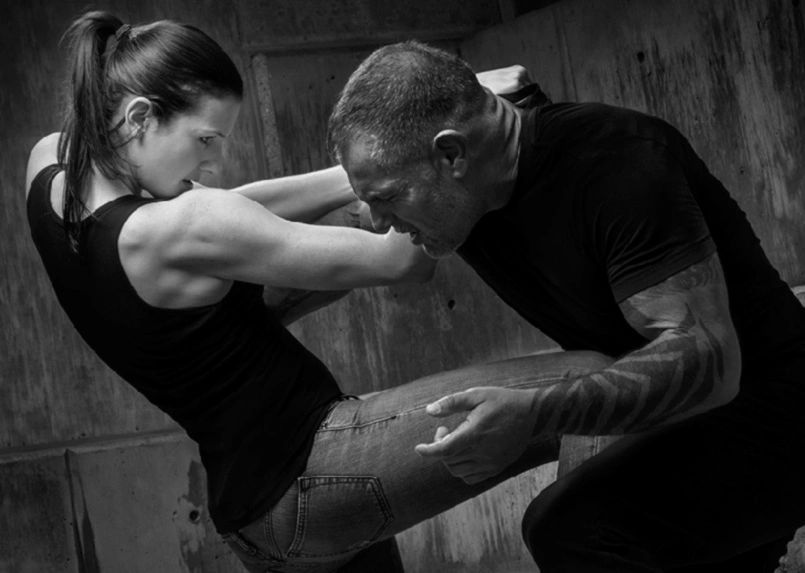
Self-defense training for female students is an integrative effort where physical skills are seamlessly combined with psychological empowerment. Participants are not only educated in strike techniques, defensive maneuvers, and scenario-based strategies but are also engaged in mental conditioning to reshape their self-perception. Such training is often accompanied by assertiveness and communication workshops, enabling students to learn through both embodiment and cognitive reframing. These dual aspects work in tandem to create a well-rounded program that fosters a robust sense of security. For instance, as students master martial arts and defensive techniques, they subsequently report a corresponding uplift in self-confidence—resulting in an enhanced state of psychological readiness and improved emotional equilibrium.
Transforming Vulnerability into Empowerment
A crucial takeaway highlighted in this research is that self-defense training functions as a transformative process—a journey from vulnerability to empowerment. Many women are socialized to internalize messages of fragility and dependency; however, firsthand participation in self-defense training actively contests these narratives. As students engage in physical practice, there is an emergence of internal strength, where the act of defending oneself becomes symbolic of taking control over one's life. The ensuing empowerment is profound; it is both visceral and cognitive. Students begin to view threats not as inevitable acts of violence but as challenges that can be confronted with resilience and personal fortitude.
Nuances of Confidence Building and Self-Efficacy Enhancement
Confidence and self-efficacy are essential constructs that stand at the heart of this research. The training sessions are carefully designed to incorporate progressive challenges that build not only muscle memory but also mental stamina. When female students overcome physical obstacles during drills, an innate belief in their capability is fostered. This transfer of confidence is notably seen in their day-to-day interactions—altering how they approach social scenarios and even academic pressures.
In parallel, self-efficacy is deepened through repeated exposure to simulated high-stress scenarios wherein students must apply their training in a controlled yet challenging environment. These simulations are crafted to mimic potential real-life dangers, ensuring that participants become adept at managing their own instincts, reactions, and decision-making processes under duress. The constant interplay between physical readiness and mental conditioning underpins many of the long-term benefits reported by these students.
Practical and Institutional Challenges
However, the journey towards empowerment via self-defense training is not without its hurdles. One prominent challenge is the accessibility of quality training programs. Many institutions may lack the resources needed to offer comprehensive modules or may adopt one-size-fits-all approaches that fail to consider the diverse physical and psychological needs of female students. Additionally, there exists an inherent tension between a controlled training environment and the unpredictable nature of real-life threats. While simulated exercises can build skills and confidence, they can never entirely encapsulate the chaos and complexity of an actual confrontation.
Cultural and societal attitudes also play a critical role. In many contexts, traditional gender norms may inadvertently discourage women from actively participating in physical defense courses. Female students might experience subtle, or even overt, social pressures that question their decision to engage in martial arts or self-defense training. These cultural hurdles, combined with the variation in instructional quality, underscore the multifaceted challenges that continue to impede the broader incorporation of self-defense training into female empowerment initiatives.
A Synthesis of Key Research Dimensions
To further elucidate the interplay between the main dimensions of this study, the following table provides a detailed synthesis of the primary focus areas, outcomes, and challenges:
| Dimension | Primary Outcomes | Common Challenges |
|---|---|---|
| Psychological Effects | Reduction in anxiety and fear; improved self-esteem and emotional regulation; overall empowerment | Translating as prescribed techniques into sustained psychological shifts; possible over-reliance on training contexts |
| Confidence and Self-Efficacy | Increased readiness for handling threats; enhanced assertiveness; greater sense of personal agency | Disparities in individual achievement; potential for a false sense of security if not continually reinforced |
| Challenges and Limitations | Identification of skill gaps; recognition of institutional and cultural constraints | Limited program accessibility; variability in training quality; difficulty in reconciling controlled training with real-life unpredictability |
The table above encapsulates the integration of various dimensions of self-defense training while highlighting both the promising benefits and the inherent challenges encountered by female students. It lays the groundwork for a nuanced interpretation of qualitative data that stems from diverse operational settings.
Depth of Qualitative Inquiry
The richness of this qualitative research lies in its ability to capture lived experiences and the subjective realities of female students. Through in-depth interviews, focus groups, and extensive participant observation, the study reveals not only objective improvements in physical agility but also the transformative psychological journeys that participants undergo. These narratives illuminate how self-defense training dispels long-held notions of vulnerability, enabling women to reclaim control over their personal narratives and day-to-day interactions.
Many participants describe the training as a "rebirth" or a radical shift in self-perception. They report that learning and mastering physical self-defense techniques has a cascading effect on mental fortitude—helping them confront social anxieties and bolstering their overall emotional resilience. The data suggest that self-defense training can challenge entrenched gender stereotypes, paving the way for a more empowered and self-assured generation of female students.
Interdisciplinary Theoretical Perspectives
The study is informed by interdisciplinary theoretical frameworks. Social cognitive theory is pivotal in understanding how observational learning and practice can fortify self-efficacy. Feminist empowerment theory further elucidates the transformative challenge posed by reconfiguring societal narratives about female vulnerability. In tandem, psychological resilience models contextualize the mental health benefits observed through reduced anxiety and heightened emotional regulation. By marrying these perspectives, the research offers a rich analytical layer where personal empowerment can be systematically understood and intentionally fostered.
Moreover, the overarching theoretical synthesis not only validates the immediate benefits of self-defense training but also underscores a broader paradigm shift. It suggests that empowering female students through such training is not merely a discrete intervention; it is a critical element in establishing a culturally sensitive and structurally supportive approach to combating gender-based violence. As educational institutions worldwide grapple with rising concerns over safety and mental health, the insights derived from this study promise to serve as a blueprint for future initiatives.
Conclusion
In conclusion, the impact of self-defense training on empowering female students is profound and multilayered. The qualitative research underscores not only the significant psychological benefits—including reduced anxiety, enhanced self-esteem, and improved emotional regulation—but also highlights the critical role of self-defense training in building confidence and self-efficacy among female students. At the same time, it does not shy away from acknowledging the challenges and limitations inherent in such programs, from accessibility barriers to the difficulty of translating controlled training into real-world efficacy.
As we synthesize the diverse dimensions of this research, it becomes evident that self-defense training is more than a practical skill set; it is a transformative process that empowers women to redefine their identities and reclaim personal agency. By addressing the psychological, physical, and systemic challenges in a comprehensive manner, the study lays a robust foundation for future policy initiatives and program designs aimed at ensuring safety and empowerment for female students.
Ultimately, this research offers a vibrant picture of self-defense training as a viable and necessary intervention for cultivating resilience, asserting agency, and challenging long-held perceptions of female vulnerability in academic and social settings.
References
- Evaluation outcomes of self-defense training for women: A review - APA
-
Evaluation outcomes of self-defense training for women: A review - ScienceDirect
- Self-Defense/Assertiveness Training, Women's Victimization History, and... - Sage Journals
- Self-Defense or Assertiveness Training and Women's Responses - Sage Journals
- How Asian Women Are Finding Confidence Through Self-Defense - The New York Times
Recommended Further Insights
Last updated February 20, 2025