
Selling Design as a Strategic Business Tool
Leveraging Design to Drive Business Growth and Innovation
Key Takeaways
- Align Design with Business Objectives: Understand and integrate design strategies that directly support and enhance business goals.
- Demonstrate Tangible ROI: Use data, case studies, and measurable outcomes to showcase the economic impact of design.
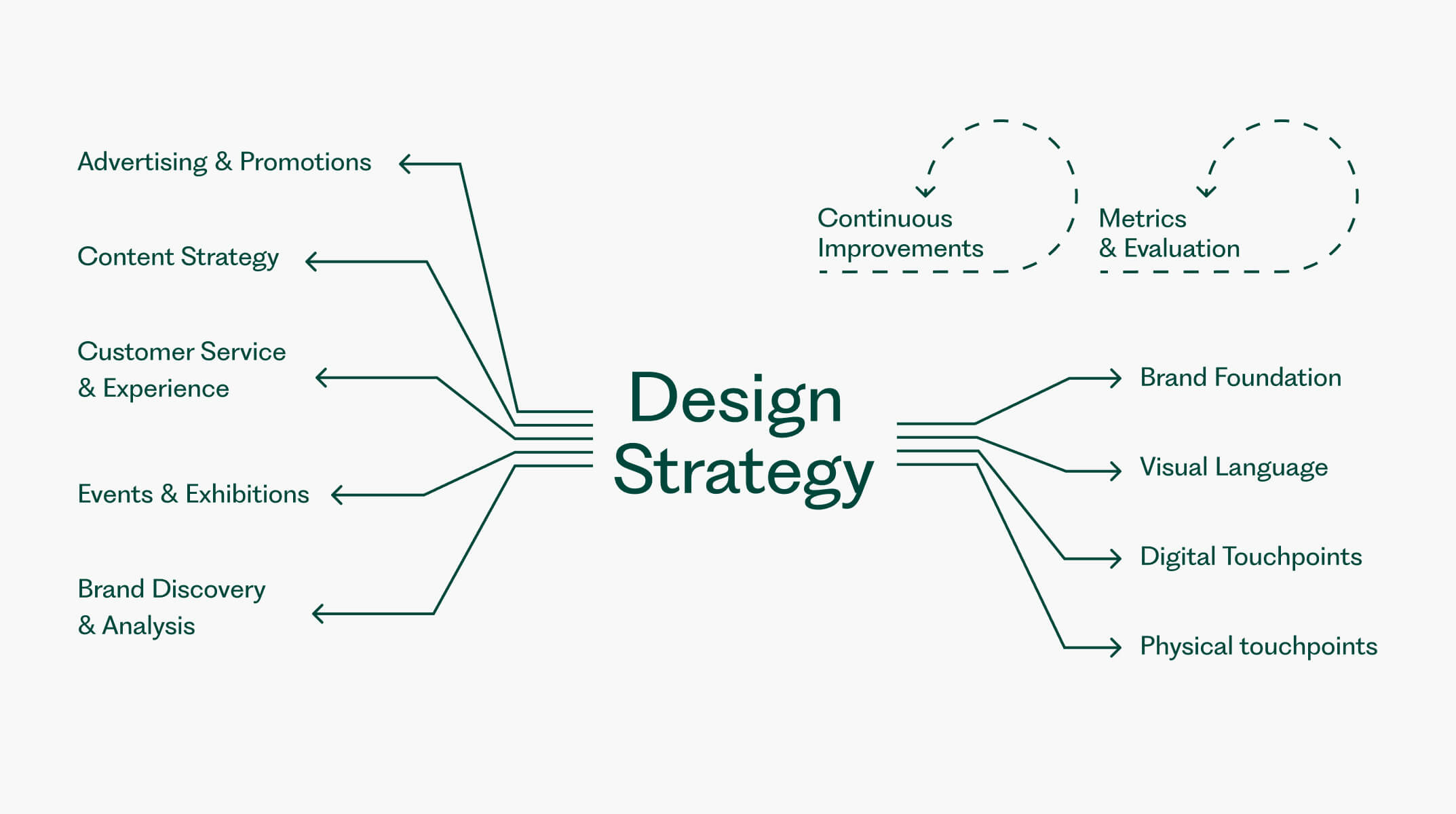
- Position Design as a Strategic Partner: Elevate the role of design from an aesthetic choice to a critical component of overall business strategy.
Understanding Business Goals and Aligning Design Strategies
Integrating Design with Core Business Objectives
To effectively sell design as a business tool, it's imperative to begin by thoroughly understanding the client's or organization's business goals. Design should not operate in isolation but should be intricately linked to the overarching objectives of the business. This alignment ensures that design efforts contribute directly to outcomes such as increased sales, enhanced customer engagement, improved operational efficiency, and strengthened brand loyalty.
Start by engaging with stakeholders to identify key challenges and strategic priorities. By asking targeted questions about business objectives, designers can tailor their solutions to address specific needs. For instance, if a company's goal is to increase online sales, design strategies might focus on optimizing the user interface and user experience to boost conversion rates.
Role of Design in Achieving Business Outcomes
Design serves as a strategic asset by solving business problems and facilitating the achievement of goals. Whether it's through enhancing the user experience to drive higher conversion rates or streamlining processes to reduce costs, design plays a pivotal role in addressing and overcoming business challenges. By positioning design as a solution-oriented tool, it becomes more appealing to business decision-makers who are focused on tangible results rather than mere aesthetics.
Demonstrating the Economic Impact of Design
Using Data and Case Studies to Showcase Value
One of the most effective ways to sell design as a business tool is by highlighting its economic impact. This involves presenting data and case studies that demonstrate how design-driven companies outperform their peers. For example, research has shown that companies with strong design practices achieve nearly twice the revenue growth and shareholder returns compared to their industry counterparts.
Developing a portfolio that includes detailed case studies can illustrate the specific business results achieved through design initiatives. Before-and-after scenarios that highlight improvements in key performance indicators (KPIs) such as customer satisfaction, sales growth, or operational efficiency provide concrete evidence of design's value.
Quantifying Design’s Impact on Business Metrics
Translating design work into financial terms helps in communicating its value to stakeholders. For instance, demonstrating how a user-friendly interface can reduce customer support costs or increase sales provides a clear picture of the return on investment (ROI) that design can offer. By quantifying the impact, designers can make a compelling case for their contributions to the business.
Positioning Design as a Strategic Partner
Shifting the Conversation from Aesthetics to Strategy
To elevate the role of design within a business, it’s essential to shift the conversation from purely visual aspects to strategic implications. This means discussing design in terms of how it can influence business outcomes such as branding, customer loyalty, and product innovation. By framing design as a strategic partner, it gains significance beyond being an aesthetic addition.
Design thinking, a methodology that applies creative problem-solving to business challenges, is a powerful tool in this context. By introducing design thinking to the business process, designers can foster innovation and address complex problems, thereby demonstrating their value as critical contributors to strategic initiatives.
Becoming a Brand Consultant
Rather than positioning oneself solely as a visual designer, adopting the role of a brand consultant can enhance the perception of design’s strategic value. This involves providing insights and strategies that extend beyond visual elements to include brand positioning, market differentiation, and customer engagement tactics. As a brand consultant, a designer can influence the overall business strategy, making design an integral part of the company's success.
Using Data and User Research to Validate Design Choices
Leveraging Quantitative and Qualitative Data
Incorporating user research and analytics into the design process is crucial for demonstrating the effectiveness of design solutions. Quantitative data, such as A/B testing results and heat maps, provide objective evidence of how design changes can improve user interactions and drive business metrics. Qualitative data, including user interviews and feedback, add context and depth to the numerical data, offering insights into user behaviors and preferences.
By using research findings to build a narrative around design strategies, designers can show how their work enhances the customer experience and contributes to specific business outcomes. This data-driven approach not only validates design decisions but also reinforces the value of design to stakeholders.
Building a Data-Driven Design Narrative
Creating a compelling narrative that links design initiatives to business results is essential for selling design as a business tool. This involves presenting a cohesive story that explains how design efforts address specific business challenges and lead to measurable improvements. For example, a redesign of a website's checkout process might be presented alongside data showing a reduction in cart abandonment rates and an increase in completed sales transactions.
Such narratives make it easier for stakeholders to understand the direct impact of design on the business, fostering greater appreciation and support for design initiatives.
Developing a Strategic Portfolio Focused on Impact
Showcasing Success Stories and Measurable Results
A well-crafted portfolio goes beyond displaying aesthetically pleasing work; it should highlight successful design implementations that have led to significant business outcomes. Including detailed case studies that outline the challenges, design solutions, and resulting business metrics provides potential clients with tangible evidence of the designer’s ability to drive results.
Testimonials from satisfied clients further reinforce the value of design services. By featuring stories that detail how design investments have generated specific returns, designers can build credibility and demonstrate their capacity to deliver impactful solutions.
Including Diverse Service Offerings
Offering a range of services that encompass creative design, strategy, user research, and prototyping can make a designer's portfolio more attractive to potential clients. Bundling these services allows designers to present themselves as comprehensive partners capable of addressing various aspects of a business's needs.
Additionally, providing options such as pilot projects or workshops can enable clients to experience the benefits of design thinking firsthand, increasing the likelihood of securing long-term engagements.
Creating a Collaborative Design Process
Engaging Stakeholders Early and Often
Involving stakeholders in the design process from the outset ensures that design decisions are aligned with business strategies. This collaborative approach facilitates the gathering of valuable insights and fosters a sense of ownership and commitment among stakeholders. Techniques such as workshops, design sprints, and collaborative brainstorming sessions can be employed to co-create solutions that address the specific needs and objectives of the business.
Collaboration not only enhances the quality of design outcomes but also ensures that all parties understand how design contributes to the achievement of business goals. This shared understanding can lead to stronger support for design initiatives and smoother implementation of design solutions.
Implementing Design Thinking Methodologies
Design thinking is a powerful methodology that applies creative problem-solving techniques to business challenges. By fostering an iterative and user-centered approach, design thinking encourages innovation and the development of solutions that are both effective and aligned with business objectives.
Teaching stakeholders about design thinking and integrating it into the business process can help in building a culture of continuous improvement and innovation. This not only enhances the value of design within the organization but also positions designers as key contributors to strategic decision-making.
Pricing Design Services Based on Value
Aligning Pricing with Business Outcomes
Traditional pricing models based on hourly rates can be limiting when trying to convey the value of design. Instead, adopting a value-based pricing strategy aligns the cost of design services with the business outcomes they deliver. This approach ensures that designers are compensated in proportion to the value they bring to the client's business.
For example, if a design project is expected to significantly increase sales or reduce operational costs, pricing can be structured to reflect these anticipated benefits. Value-based pricing not only demonstrates confidence in the designer’s ability to deliver results but also makes the investment in design more palatable to clients who are focused on ROI.
Offering Flexible Pricing Models
Providing a variety of pricing options can cater to different client needs and budgets. Models such as project-based fees, retainer agreements, and subscription services offer flexibility and allow clients to choose the option that best fits their financial constraints and business requirements.
Additionally, offering pilot projects or trial phases can allow clients to experience the benefits of design services before committing to long-term engagements. This can be particularly effective in demonstrating the tangible value of design and building trust with potential clients.
Educating Clients on the Value of Design
Conducting Workshops and Webinars
Many business leaders may still view design narrowly as an aesthetic function rather than a strategic asset. Educating clients on the strategic importance of design is crucial for shifting this perception. Workshops, webinars, and training sessions can be effective tools for demonstrating the comprehensive approach of design thinking and its applicability across various business domains.
By showcasing how design can inform product development, marketing strategies, and overall business planning, designers can help clients appreciate the multifaceted value that design brings to the table. Educational initiatives also position designers as thought leaders and trusted advisors within the business landscape.
Creating Educational Content
Publishing articles, whitepapers, and case studies on the business impact of design can further reinforce the value of design services. Sharing insights and success stories through blogs, social media, and industry publications helps in building credibility and establishing a strong reputation as a design expert.
Speaking at conferences and participating in panel discussions also provides opportunities to advocate for the strategic role of design and engage with a broader audience. These activities not only enhance visibility but also demonstrate a commitment to advancing the understanding of design within the business community.
Building a Strong Value Proposition
Differentiating Through Expertise and Specialization
A unique value proposition sets designers apart from competitors by highlighting their specialized skills and expertise. By focusing on specific industries, types of design problems, or unique methodologies, designers can position themselves as experts in their chosen niches. This specialization makes their services more attractive to clients seeking tailored solutions and justifies premium pricing.
Emphasizing unique strengths, such as proficiency in user-centered design, sustainable design practices, or innovative design technologies, can further enhance the perceived value of design services and attract clients who are looking for specific expertise.
Articulating the Unique Benefits of Your Design Services
Clearly communicating the distinct advantages that your design services offer is essential for building a compelling value proposition. Whether it's through superior user experience design, innovative problem-solving techniques, or a deep understanding of a particular market, highlighting unique benefits helps in establishing a strong market presence.
By articulating how these unique benefits translate into business success, designers can effectively convey the added value they bring to clients, making their services more appealing and justifying their position as strategic business partners.
Implementing a Streamlined Sales Process
Creating Clear and Concise Proposals
A streamlined sales process facilitates quicker decision-making and instills confidence in potential clients. Crafting clear and concise proposals that outline the scope of services, deliverables, timelines, and expected outcomes is critical for making a strong impression. Detailed proposals help clients understand exactly what they are investing in and how it aligns with their business objectives.
Including visually appealing elements such as infographics, timelines, and sample work can enhance the proposal's impact and demonstrate professionalism. A well-organized proposal not only communicates value but also showcases the designer’s ability to manage projects effectively.
Leveraging Storytelling Techniques
Using storytelling to present design concepts can make proposals more engaging and relatable. By crafting a narrative that explains how design solutions address specific business challenges and goals, designers can create a compelling case for their services. Stories that highlight the journey from problem identification to solution implementation and the resulting business benefits resonate more effectively with clients.
Storytelling humanizes the design process and makes abstract concepts more concrete, helping clients visualize the potential impact of design on their business. This approach can significantly enhance the persuasiveness of sales pitches and increase the likelihood of securing new business.
Creating Comprehensive Service Packages
Bundling Services for Greater Value
Offering bundled services that encompass various aspects of the design process—such as creative design, strategy development, user research, and prototyping—provides clients with comprehensive solutions tailored to their needs. Bundling services not only offers greater value but also simplifies the decision-making process for clients by presenting an all-inclusive package that addresses multiple business needs.
Service packages can be structured to cater to different client segments, ensuring that each package aligns with specific business objectives and budget constraints. This flexibility makes design services more accessible and attractive to a broader range of clients.
Providing Tiered Service Options
Offering different tiers of service—such as basic, standard, and premium—allows clients to choose the level of support that best fits their requirements and budget. Each tier can include a varying scope of services, deliverables, and levels of engagement, providing clients with options that align with their specific business goals and financial constraints.
Tiered service options also enable designers to cater to a diverse client base, from startups with limited budgets to established enterprises seeking comprehensive design solutions. This approach enhances the reach and appeal of design services, increasing the potential for client acquisition and retention.
Showcasing Strategic Design in Action
Developing and Presenting Case Studies
Case studies are powerful tools for demonstrating how design initiatives have directly contributed to business success. By detailing specific projects—from initial challenges and design processes to the final outcomes and measurable results—case studies provide concrete evidence of design’s value. These narratives allow potential clients to see how design has been effectively leveraged to solve real business problems and achieve strategic goals.
When developing case studies, it's important to focus on the business context, the design solutions implemented, and the quantifiable results achieved. Highlighting improvements in key metrics such as conversion rates, customer satisfaction, and revenue growth makes the case studies more compelling and relevant to potential clients.
Using Visual Aids to Enhance Case Studies
Incorporating visual aids such as before-and-after images, charts, and infographics can enhance the impact of case studies. Visual representations of data and design changes help in conveying complex information more clearly and engagingly. They also break up the text, making the case study more readable and appealing.
Visual aids can effectively illustrate the transformations achieved through design interventions, making it easier for clients to understand and appreciate the tangible benefits of investing in design services.
Enhancing Client Engagement Through Collaboration
Facilitating Early Stakeholder Involvement
Engaging stakeholders early in the design process ensures that design efforts are aligned with business strategies and objectives. Collaborative techniques such as workshops, brainstorming sessions, and design sprints allow stakeholders to contribute their insights and perspectives, fostering a sense of ownership and commitment to the design project.
Early involvement also helps in identifying potential challenges and addressing them proactively, ensuring that design solutions are feasible and effective in meeting business needs. This collaborative approach enhances the quality of design outcomes and strengthens the relationship between designers and clients.
Establishing Clear Communication Channels
Maintaining open and transparent communication throughout the design process is essential for successful collaboration. Regular updates, progress reports, and feedback sessions keep stakeholders informed and engaged, ensuring that design efforts remain on track and aligned with business goals.
Clear communication also helps in managing expectations and addressing any issues or concerns promptly, fostering a positive and productive working relationship with clients. By prioritizing effective communication, designers can enhance client satisfaction and build long-term partnerships based on trust and mutual understanding.
Leveraging Storytelling and Narrative Techniques
Crafting Compelling Design Narratives
Storytelling is a powerful tool for making design proposals more engaging and relatable. By crafting a narrative that explains how design solutions address specific business challenges and contribute to strategic goals, designers can create a more compelling case for their services. Stories that illustrate the journey from problem identification to solution implementation and the resulting business benefits resonate more effectively with clients.
Utilizing storytelling techniques helps in humanizing the design process, making abstract concepts more concrete and understandable. This approach not only captures the client's attention but also facilitates a deeper connection with the design solutions being proposed.
Integrating Visual and Verbal Elements
Combining visual elements such as images, diagrams, and infographics with verbal descriptions enhances the effectiveness of storytelling in design pitches. Visuals help in illustrating key points and making the narrative more memorable, while verbal descriptions provide context and explanation.
By integrating both visual and verbal elements, designers can present a more cohesive and impactful story that clearly conveys the value and effectiveness of their design solutions in addressing business needs.
Creating a Comprehensive Marketing Strategy
Developing Educational Content
Creating and sharing educational content such as articles, whitepapers, and blog posts about the business impact of design can help in positioning designers as thought leaders. This content should highlight the strategic role of design, share success stories, and provide insights into best practices and methodologies.
By regularly publishing valuable content, designers can build credibility and establish themselves as experts in the field, attracting potential clients who are seeking knowledgeable and reliable design partners.
Engaging in Public Speaking and Networking
Participating in conferences, webinars, and industry events provides opportunities to advocate for the strategic importance of design and engage with a broader audience. Public speaking engagements and panel discussions allow designers to share their expertise, showcase their success stories, and connect with potential clients and collaborators.
Networking events also offer valuable opportunities for relationship building, enabling designers to forge connections with business leaders and decision-makers who can benefit from their design services. Active participation in these forums enhances visibility and reinforces the perception of design as a critical business tool.
Utilizing a Data-Driven Approach
Incorporating Analytics and User Research
A data-driven approach is essential for validating design decisions and demonstrating their impact on business outcomes. By integrating analytics and user research into the design process, designers can base their strategies on empirical evidence and user insights, ensuring that design solutions are both effective and aligned with business goals.
Using tools such as A/B testing, heat maps, and user surveys provides quantitative and qualitative data that can inform design choices and measure their effectiveness. This approach not only enhances the quality of design solutions but also provides compelling evidence of their value to stakeholders.
Measuring and Reporting on Design Performance
Regularly measuring and reporting on the performance of design initiatives helps in tracking progress and demonstrating their impact on business metrics. Establishing key performance indicators (KPIs) relevant to business goals—such as conversion rates, customer satisfaction scores, and return on investment—allows designers to quantify the success of their efforts.
Comprehensive performance reports that detail the outcomes of design initiatives provide tangible evidence of their effectiveness, reinforcing the value of design as a strategic business tool and facilitating informed decision-making by stakeholders.
Enhancing Client Relationships and Trust
Building Long-Term Partnerships
Fostering strong, long-term relationships with clients is crucial for sustained success in selling design as a business tool. By consistently delivering high-quality design solutions that drive business results, designers can establish themselves as trusted partners who are integral to the client's success.
Maintaining regular communication, being responsive to client needs, and demonstrating a genuine commitment to their business goals help in building trust and loyalty. Long-term partnerships not only lead to repeat business but also generate positive referrals and testimonials, further enhancing the designer’s reputation and credibility.
Providing Exceptional Customer Service
Delivering exceptional customer service is key to building positive client relationships and ensuring client satisfaction. This includes being reliable, meeting deadlines, exceeding expectations, and providing proactive support throughout the design process.
By prioritizing client needs and consistently delivering value, designers can differentiate themselves from competitors and foster a positive reputation in the market. Exceptional customer service also encourages clients to continue working with the designer and recommend their services to others.
Conclusion
Selling design as a business tool requires a strategic and comprehensive approach that transcends aesthetic considerations. By aligning design efforts with business goals, demonstrating the economic impact of design through data and case studies, positioning design as a strategic partner, and fostering strong client relationships, designers can effectively showcase the value of their services. Emphasizing the role of design in solving business problems, driving innovation, and enhancing overall business performance transforms design into an indispensable asset for any organization striving for growth and success.
References
Last updated February 10, 2025