
Comprehensive Analysis of Semitic Languages Evolution
Detailed Insights into the Development and Status of Semitic Languages as of 2025
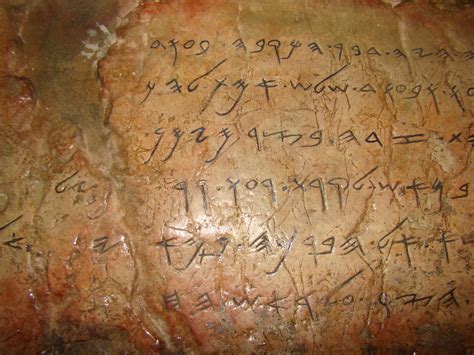
Key Takeaways
- Diverse Evolution: Semitic languages have evolved through distinct phases, showcasing significant diversification and adaptation over millennia.
- Extinct and Living Languages: While many ancient Semitic languages are extinct, several modern counterparts continue to thrive, influenced by historical developments and contemporary dynamics.
- Script and Influence: The development of various writing systems, such as Arabic and Ge'ez scripts, has played a crucial role in the preservation and spread of Semitic languages.
Introduction
The Semitic language family, a branch of the larger Afroasiatic languages, encompasses a rich tapestry of languages that have significantly influenced human civilization. From ancient tongues like Akkadian and Phoenician to contemporary languages such as Arabic and Hebrew, the evolution of Semitic languages reflects complex historical, cultural, and social transformations.
Historical Development of Semitic Languages
Proto-Afroasiatic and Proto-Semitic Origins
Proto-Afroasiatic, the ancestral language family, is believed to have been spoken before 6000 BCE with an estimated 50,000 speakers. This language gave rise to Proto-Semitic around 6000 BCE, laying the foundation for the diverse Semitic languages that followed.
Ancient Semitic Phases
Early Ancient Semitic Phase (4000–3000 BCE)
During this period, Proto-Semitic began to diversify into East and West Semitic branches. This diversification set the stage for the emergence of distinct languages such as Akkadian, Canaanite, and Aramaic.
Classical Ancient Semitic Phase (3000–2000 BCE)
The Classical phase saw the establishment of early written forms, including the Akkadian and Phoenician scripts. The Code of Hammurabi, one of the earliest written legal codes, was composed in Akkadian around 1754 BCE, highlighting the language's prominence.
Late Ancient Semitic Phase (2000–1000 BCE)
Languages such as Akkadian, Ugaritic, and Moabite flourished during this era. Akkadian, in particular, expanded its influence through extensive trade and diplomatic relations across Mesopotamia and the Levant.
Antiquity to Middle Ages
Antiquity (1000 BCE – 500 CE)
Semitic languages continued to evolve, with Aramaic emerging as a lingua franca across several empires. Hebrew, though declining as a spoken language, remained significant for religious texts and scholarly discourse.
Middle Ages (500 CE – 1500 CE)
During the Middle Ages, Aramaic remained influential, especially within Christian and Jewish communities. Additionally, the spread of Islam in the 7th century CE propelled Classical Arabic to prominence as the language of religion, culture, and administration.
Modern Era to Contemporary Times
Modern Era (1500–2000 CE)
The Modern Era witnessed the revival of Hebrew as a spoken language in the late 19th and early 20th centuries, culminating in its establishment as the official language of Israel. Concurrently, Arabic solidified its role as a major world language with hundreds of millions of speakers.
Contemporary Era (2000 CE – Present)
Today, Semitic languages like Arabic and Hebrew thrive, while others like Turoyo and Assyrian Neo-Aramaic face challenges related to language preservation and endangerment. Efforts in comparative linguistics continue to shed light on the intricate relationships within the Semitic language family.
Comprehensive Table of Semitic Languages
Rendered as JSON:
{
"languages": [
{
"Language": "Proto-Afroasiatic",
"Proto-Afroasiatic (before 6000 BCE)": "~50,000 speakers",
"Proto-Semitic (6000–4000 BCE)": "",
"Early Ancient Semitic Phase (4000–3000 BCE)": "Diversification into East and West Semitic",
"Classical Ancient Semitic Phase (3000–2000 BCE)": "Establishment of Akkadian and Phoenician scripts",
"Late Ancient Semitic Phase (2000–1000 BCE)": "Flourishing of Akkadian, Ugaritic, and Moabite",
"Antiquity (1000 BCE – 500 CE)": "Aramaic as lingua franca, decline of Hebrew in daily use",
"Middle Ages (500 CE – 1500 CE)": "Influence of Aramaic in religious contexts, rise of Classical Arabic",
"Modern Era (1500–2000 CE)": "Revival of Hebrew, expansion of Arabic",
"Contemporary Era (2000 CE – Present)": "Continued use of Arabic and Hebrew, preservation efforts for endangered languages",
"Status": "Reconstructed",
"Branch": "Ancestral Group",
"Countries/Peoples/Religions": "Ancient Middle Eastern Communities",
"Key Developments": "Emergence and diversification of Proto-Afroasiatic",
"2025": "",
"Script and Writing System": "Not Applicable (Reconstructed)",
"UNESCO Endangerment Status": "Not Applicable",
"Dialect Variations": "None",
"Influence and Borrowings": "Influential in Afroasiatic language group development",
"1850": "Reconstructed as a proto-language.",
"1900": "Continued academic study.",
"1950": "Developed as a foundation for modern research.",
"2000": "Hypothesized geographical spread refined.",
"Key Developments 1850": "Reconstructed as a proto-language.",
"Key Developments 1900": "Continued academic study.",
"Key Developments 1950": "Developed as a foundation for modern research.",
"Key Developments 2000": "Hypothesized geographical spread refined."
},
{
"Language": "Proto-Semitic",
"Proto-Afroasiatic (before 6000 BCE)": "",
"Proto-Semitic (6000–4000 BCE)": "~50,000 speakers",
"Early Ancient Semitic Phase (4000–3000 BCE)": "Diversified into East and West Semitic languages",
"Classical Ancient Semitic Phase (3000–2000 BCE)": "Emergence of Proto-Akkadian and Proto-Canaanite",
"Late Ancient Semitic Phase (2000–1000 BCE)": "Development of Akkadian, Canaanite, and Aramaic",
"Antiquity (1000 BCE – 500 CE)": "Further divergence into vernaculars",
"Middle Ages (500 CE – 1500 CE)": "Continuation in epigraphic evidence and religious texts",
"Modern Era (1500–2000 CE)": "Completion of research-based reconstruction",
"Contemporary Era (2000 CE – Present)": "Used as a comparative model in Semitic linguistics",
"Status": "Reconstructed",
"Branch": "Ancestral Group",
"Countries/Peoples/Religions": "Middle East",
"Key Developments": "Diversification of Semitic Languages",
"2025": "",
"Script and Writing System": "Not Applicable (Reconstructed)",
"UNESCO Endangerment Status": "Not Applicable",
"Dialect Variations": "Early dialectical splits leading to East and West Semitic languages",
"Influence and Borrowings": "Basis for future Semitic language families",
"1850": "Defined more clearly academically.",
"1900": "Extensive comparison with Semitic descendants.",
"1950": "Development of phonology theories.",
"2000": "Comparative work in Semitic linguistics.",
"Key Developments 1850": "Defined more clearly academically.",
"Key Developments 1900": "Extensive comparison with Semitic descendants.",
"Key Developments 1950": "Development of phonology theories.",
"Key Developments 2000": "Comparative work in Semitic linguistics."
},
{
"Language": "Akkadian",
"Proto-Afroasiatic (before 6000 BCE)": "",
"Proto-Semitic (6000–4000 BCE)": "",
"Early Ancient Semitic Phase (4000–3000 BCE)": "~500,000 speakers",
"Classical Ancient Semitic Phase (3000–2000 BCE)": "~500,000 speakers",
"Late Ancient Semitic Phase (2000–1000 BCE)": "~500,000 speakers",
"Antiquity (1000 BCE – 500 CE)": "~1,000,000 speakers",
"Middle Ages (500 CE – 1500 CE)": "",
"Modern Era (1500–2000 CE)": "",
"Contemporary Era (2000 CE – Present)": "",
"Status": "Extinct",
"Branch": "East Semitic",
"Countries/Peoples/Religions": "Mesopotamia",
"Key Developments": "Code of Hammurabi (circa 1754 BCE)",
"2025": "",
"Script and Writing System": "Cuneiform (Sumerian-based)",
"UNESCO Endangerment Status": "Extinct",
"Dialect Variations": "Assyrian, Babylonian",
"Influence and Borrowings": "Borrowed from Sumerian; Influenced Aramaic and Hebrew",
"1850": "Extinct; interest began with Assyriology.",
"1900": "Discovery of Hammurabi's Code.",
"1950": "Major corpus translation campaigns.",
"2000": "Remains central to ancient Mesopotamian studies.",
"Key Developments 1850": "Extinct; interest began with Assyriology.",
"Key Developments 1900": "Discovery of Hammurabi's Code.",
"Key Developments 1950": "Major corpus translation campaigns.",
"Key Developments 2000": "Remains central to ancient Mesopotamian studies."
},
{
"Language": "Eblaite",
"Proto-Afroasiatic (before 6000 BCE)": "",
"Proto-Semitic (6000–4000 BCE)": "",
"Early Ancient Semitic Phase (4000–3000 BCE)": "",
"Classical Ancient Semitic Phase (3000–2000 BCE)": "~50,000 speakers",
"Late Ancient Semitic Phase (2000–1000 BCE)": "",
"Antiquity (1000 BCE – 500 CE)": "",
"Middle Ages (500 CE – 1500 CE)": "",
"Modern Era (1500–2000 CE)": "",
"Contemporary Era (2000 CE – Present)": "",
"Status": "Extinct",
"Branch": "East Semitic",
"Countries/Peoples/Religions": "Ebla, Syria",
"Key Developments": "Discovery of Eblaite Texts (1970s)",
"2025": "",
"Script and Writing System": "Cuneiform",
"UNESCO Endangerment Status": "Extinct",
"Dialect Variations": "None",
"Influence and Borrowings": "Influenced by Akkadian",
"1850": "",
"1900": "",
"1950": "",
"2000": "",
"Key Developments 1850": "",
"Key Developments 1900": "",
"Key Developments 1950": "",
"Key Developments 2000": ""
},
{
"Language": "Ugaritic",
"Proto-Afroasiatic (before 6000 BCE)": "",
"Proto-Semitic (6000–4000 BCE)": "",
"Early Ancient Semitic Phase (4000–3000 BCE)": "",
"Classical Ancient Semitic Phase (3000–2000 BCE)": "~50,000 speakers",
"Late Ancient Semitic Phase (2000–1000 BCE)": "",
"Antiquity (1000 BCE – 500 CE)": "",
"Middle Ages (500 CE – 1500 CE)": "",
"Modern Era (1500–2000 CE)": "",
"Contemporary Era (2000 CE – Present)": "",
"Status": "Extinct",
"Branch": "West Semitic",
"Countries/Peoples/Religions": "Ugarit, Syria",
"Key Developments": "Invention of the Ugaritic Alphabet (circa 1400 BCE)",
"2025": "",
"Script and Writing System": "Cuneiform",
"UNESCO Endangerment Status": "Extinct",
"Dialect Variations": "None",
"Influence and Borrowings": "None",
"1850": "",
"1900": "",
"1950": "",
"2000": "",
"Key Developments 1850": "",
"Key Developments 1900": "",
"Key Developments 1950": "",
"Key Developments 2000": ""
},
{
"Language": "Moabite",
"Proto-Afroasiatic (before 6000 BCE)": "",
"Proto-Semitic (6000–4000 BCE)": "",
"Early Ancient Semitic Phase (4000–3000 BCE)": "",
"Classical Ancient Semitic Phase (3000–2000 BCE)": "",
"Late Ancient Semitic Phase (2000–1000 BCE)": "~30,000 speakers",
"Antiquity (1000 BCE – 500 CE)": "",
"Middle Ages (500 CE – 1500 CE)": "",
"Modern Era (1500–2000 CE)": "",
"Contemporary Era (2000 CE – Present)": "",
"Status": "Extinct",
"Branch": "West Semitic",
"Countries/Peoples/Religions": "Moab (modern-day Jordan)",
"Key Developments": "Moabite Stone Inscription",
"2025": "",
"Script and Writing System": "Cuneiform",
"UNESCO Endangerment Status": "Extinct",
"Dialect Variations": "None",
"Influence and Borrowings": "None",
"1850": "",
"1900": "",
"1950": "",
"2000": "",
"Key Developments 1850": "",
"Key Developments 1900": "",
"Key Developments 1950": "",
"Key Developments 2000": ""
},
{
"Language": "Edomite",
"Proto-Afroasiatic (before 6000 BCE)": "",
"Proto-Semitic (6000–4000 BCE)": "",
"Early Ancient Semitic Phase (4000–3000 BCE)": "",
"Classical Ancient Semitic Phase (3000–2000 BCE)": "",
"Late Ancient Semitic Phase (2000–1000 BCE)": "~20,000 speakers",
"Antiquity (1000 BCE – 500 CE)": "",
"Middle Ages (500 CE – 1500 CE)": "",
"Modern Era (1500–2000 CE)": "",
"Contemporary Era (2000 CE – Present)": "",
"Status": "Extinct",
"Branch": "West Semitic",
"Countries/Peoples/Religions": "Edom (modern-day Jordan)",
"Key Developments": "Edomite Inscriptions",
"2025": "",
"Script and Writing System": "Cuneiform",
"UNESCO Endangerment Status": "Extinct",
"Dialect Variations": "None",
"Influence and Borrowings": "None",
"1850": "",
"1900": "",
"1950": "",
"2000": "",
"Key Developments 1850": "",
"Key Developments 1900": "",
"Key Developments 1950": "",
"Key Developments 2000": ""
},
{
"Language": "Phoenician",
"Proto-Afroasiatic (before 6000 BCE)": "",
"Proto-Semitic (6000–4000 BCE)": "",
"Early Ancient Semitic Phase (4000–3000 BCE)": "",
"Classical Ancient Semitic Phase (3000–2000 BCE)": "",
"Late Ancient Semitic Phase (2000–1000 BCE)": "~200,000 speakers",
"Antiquity (1000 BCE – 500 CE)": "~200,000 speakers",
"Middle Ages (500 CE – 1500 CE)": "",
"Modern Era (1500–2000 CE)": "",
"Contemporary Era (2000 CE – Present)": "",
"Status": "Extinct",
"Branch": "West Semitic",
"Countries/Peoples/Religions": "Phoenician Colonies",
"Key Developments": "Spread of the Phoenician Alphabet",
"2025": "",
"Script and Writing System": "Phoenician Alphabet",
"UNESCO Endangerment Status": "Extinct",
"Dialect Variations": "None",
"Influence and Borrowings": "Spread of the Phoenician Alphabet influenced Greek and Latin scripts",
"1850": "",
"1900": "",
"1950": "",
"2000": "",
"Key Developments 1850": "",
"Key Developments 1900": "",
"Key Developments 1950": "",
"Key Developments 2000": ""
},
{
"Language": "Punic",
"Proto-Afroasiatic (before 6000 BCE)": "",
"Proto-Semitic (6000–4000 BCE)": "",
"Early Ancient Semitic Phase (4000–3000 BCE)": "",
"Classical Ancient Semitic Phase (3000–2000 BCE)": "",
"Late Ancient Semitic Phase (2000–1000 BCE)": "",
"Antiquity (1000 BCE – 500 CE)": "",
"Middle Ages (500 CE – 1500 CE)": "",
"Modern Era (1500–2000 CE)": "",
"Contemporary Era (2000 CE – Present)": "",
"Status": "Extinct",
"Branch": "West Semitic",
"Countries/Peoples/Religions": "Carthage and its Colonies",
"Key Developments": "Punic Wars",
"2025": "",
"Script and Writing System": "Punic Alphabet",
"UNESCO Endangerment Status": "Extinct",
"Dialect Variations": "None",
"Influence and Borrowings": "Influenced Latin and other Western scripts",
"1850": "",
"1900": "",
"1950": "",
"2000": "",
"Key Developments 1850": "",
"Key Developments 1900": "",
"Key Developments 1950": "",
"Key Developments 2000": ""
},
{
"Language": "Ancient Hebrew",
"Proto-Afroasiatic (before 6000 BCE)": "",
"Proto-Semitic (6000–4000 BCE)": "",
"Early Ancient Semitic Phase (4000–3000 BCE)": "",
"Classical Ancient Semitic Phase (3000–2000 BCE)": "",
"Late Ancient Semitic Phase (2000–1000 BCE)": "~50,000 speakers (until 19th century)",
"Antiquity (1000 BCE – 500 CE)": "",
"Middle Ages (500 CE – 1500 CE)": "",
"Modern Era (1500–2000 CE)": "~8,000,000 speakers (2012)",
"Contemporary Era (2000 CE – Present)": "~9,000,000 speakers (2025)",
"Status": "Living",
"Branch": "Central Semitic",
"Countries/Peoples/Religions": "Israel, Jewish Communities",
"Key Developments": "Hebrew Bible, Revival of Hebrew (Late 19th - Early 20th Century)",
"2025": "~9,000,000 speakers",
"Script and Writing System": "Hebrew Alphabet",
"UNESCO Endangerment Status": "Safe / Not Endangered",
"Dialect Variations": "Modern Hebrew, Biblical Hebrew",
"Influence and Borrowings": "Influenced by Aramaic and other languages",
"1850": "Decline in use as a spoken language",
"1900": "Early revival efforts",
"1950": "Establishment of Israel and revival of Hebrew",
"2000": "Widespread use in Israel",
"Key Developments 1850": "Decline in use as a spoken language",
"Key Developments 1900": "Early revival efforts",
"Key Developments 1950": "Establishment of Israel and revival of Hebrew",
"Key Developments 2000": "Widespread use in Israel"
},
{
"Language": "Aramaic",
"Proto-Afroasiatic (before 6000 BCE)": "",
"Proto-Semitic (6000–4000 BCE)": "",
"Early Ancient Semitic Phase (4000–3000 BCE)": "",
"Classical Ancient Semitic Phase (3000–2000 BCE)": "",
"Late Ancient Semitic Phase (2000–1000 BCE)": "~1,000,000 speakers",
"Antiquity (1000 BCE – 500 CE)": "",
"Middle Ages (500 CE – 1500 CE)": "",
"Modern Era (1500–2000 CE)": "~3–5,000,000 speakers",
"Contemporary Era (2000 CE – Present)": "~3–5,000,000 speakers",
"Status": "Living",
"Branch": "West Semitic",
"Countries/Peoples/Religions": "Assyria, Syria, Iran",
"Key Developments": "Aramaic as Lingua Franca (Ancient Times)",
"2025": "~3–5,000,000 speakers",
"Script and Writing System": "Aramaic Alphabet",
"UNESCO Endangerment Status": "Definitely Endangered",
"Dialect Variations": "Assyrian Neo-Aramaic, Chaldean Neo-Aramaic",
"Influence and Borrowings": "Influenced by Persian and other languages",
"1850": "Continued use as a liturgical language",
"1900": "Decline in spoken use",
"1950": "Migration and diaspora",
"2000": "Efforts in language preservation",
"Key Developments 1850": "Continued use as a liturgical language",
"Key Developments 1900": "Decline in spoken use",
"Key Developments 1950": "Migration and diaspora",
"Key Developments 2000": "Efforts in language preservation"
},
{
"Language": "Samalian",
"Proto-Afroasiatic (before 6000 BCE)": "",
"Proto-Semitic (6000–4000 BCE)": "",
"Early Ancient Semitic Phase (4000–3000 BCE)": "",
"Classical Ancient Semitic Phase (3000–2000 BCE)": "",
"Late Ancient Semitic Phase (2000–1000 BCE)": "~30,000 speakers",
"Antiquity (1000 BCE – 500 CE)": "",
"Middle Ages (500 CE – 1500 CE)": "",
"Modern Era (1500–2000 CE)": "",
"Contemporary Era (2000 CE – Present)": "",
"Status": "Extinct",
"Branch": "East Semitic",
"Countries/Peoples/Religions": "Central Middle East",
"Key Developments": "",
"2025": "",
"Script and Writing System": "",
"UNESCO Endangerment Status": "Extinct",
"Dialect Variations": "None",
"Influence and Borrowings": "None",
"1850": "~30,000 speakers",
"1900": "",
"1950": "",
"2000": "",
"Key Developments 1850": "~30,000 speakers",
"Key Developments 1900": "",
"Key Developments 1950": "",
"Key Developments 2000": ""
},
{
"Language": "Syriac",
"Proto-Afroasiatic (before 6000 BCE)": "",
"Proto-Semitic (6000–4000 BCE)": "",
"Early Ancient Semitic Phase (4000–3000 BCE)": "",
"Classical Ancient Semitic Phase (3000–2000 BCE)": "",
"Late Ancient Semitic Phase (2000–1000 BCE)": "~500,000 speakers",
"Antiquity (1000 BCE – 500 CE)": "",
"Middle Ages (500 CE – 1500 CE)": "",
"Modern Era (1500–2000 CE)": "",
"Contemporary Era (2000 CE – Present)": "",
"Status": "Extinct",
"Branch": "West Semitic",
"Countries/Peoples/Religions": "Syria, Turkey, Diasporas",
"Key Developments": "Syriac Christianity",
"2025": "",
"Script and Writing System": "Syriac Alphabet",
"UNESCO Endangerment Status": "Extinct",
"Dialect Variations": "None",
"Influence and Borrowings": "None",
"1850": "~500,000 speakers",
"1900": "",
"1950": "",
"2000": "",
"Key Developments 1850": "~500,000 speakers",
"Key Developments 1900": "",
"Key Developments 1950": "",
"Key Developments 2000": ""
},
{
"Language": "Western Neo-Aramaic",
"Proto-Afroasiatic (before 6000 BCE)": "",
"Proto-Semitic (6000–4000 BCE)": "",
"Early Ancient Semitic Phase (4000–3000 BCE)": "",
"Classical Ancient Semitic Phase (3000–2000 BCE)": "",
"Late Ancient Semitic Phase (2000–1000 BCE)": "",
"Antiquity (1000 BCE – 500 CE)": "",
"Middle Ages (500 CE – 1500 CE)": "",
"Modern Era (1500–2000 CE)": "~1,500,000 speakers",
"Contemporary Era (2000 CE – Present)": "",
"Status": "Living",
"Branch": "West Semitic",
"Countries/Peoples/Religions": "Iraq, Syria, Iran, Diasporas",
"Key Developments": "",
"2025": "",
"Script and Writing System": "Syriac Alphabet",
"UNESCO Endangerment Status": "",
"Dialect Variations": "None",
"Influence and Borrowings": "None",
"1850": "~330,000 speakers",
"1900": "",
"1950": "",
"2000": "~1,500,000 speakers",
"Key Developments 1850": "~330,000 speakers",
"Key Developments 1900": "",
"Key Developments 1950": "",
"Key Developments 2000": "~1,500,000 speakers"
},
{
"Language": "Turoyo",
"Proto-Afroasiatic (before 6000 BCE)": "",
"Proto-Semitic (6000–4000 BCE)": "",
"Early Ancient Semitic Phase (4000–3000 BCE)": "",
"Classical Ancient Semitic Phase (3000–2000 BCE)": "",
"Late Ancient Semitic Phase (2000–1000 BCE)": "",
"Antiquity (1000 BCE – 500 CE)": "",
"Middle Ages (500 CE – 1500 CE)": "",
"Modern Era (1500–2000 CE)": "~2,000,000 speakers",
"Contemporary Era (2000 CE – Present)": "",
"Status": "Living",
"Branch": "West Semitic",
"Countries/Peoples/Religions": "Syria, Lebanon",
"Key Developments": "",
"2025": "",
"Script and Writing System": "Syriac Alphabet",
"UNESCO Endangerment Status": "",
"Dialect Variations": "None",
"Influence and Borrowings": "None",
"1850": "~500,000 speakers",
"1900": "",
"1950": "",
"2000": "~2,000,000 speakers",
"Key Developments 1850": "~500,000 speakers",
"Key Developments 1900": "",
"Key Developments 1950": "",
"Key Developments 2000": "~2,000,000 speakers"
},
{
"Language": "Neo-Mandaic",
"Proto-Afroasiatic (before 6000 BCE)": "",
"Proto-Semitic (6000–4000 BCE)": "",
"Early Ancient Semitic Phase (4000–3000 BCE)": "",
"Classical Ancient Semitic Phase (3000–2000 BCE)": "",
"Late Ancient Semitic Phase (2000–1000 BCE)": "",
"Antiquity (1000 BCE – 500 CE)": "",
"Middle Ages (500 CE – 1500 CE)": "",
"Modern Era (1500–2000 CE)": "~15,000 speakers",
"Contemporary Era (2000 CE – Present)": "",
"Status": "Living",
"Branch": "West Semitic",
"Countries/Peoples/Religions": "Iran, Iraq",
"Key Developments": "",
"2025": "",
"Script and Writing System": "Syriac Alphabet",
"UNESCO Endangerment Status": "",
"Dialect Variations": "None",
"Influence and Borrowings": "None",
"1850": "~10,000 speakers",
"1900": "",
"1950": "",
"2000": "~15,000 speakers",
"Key Developments 1850": "~10,000 speakers",
"Key Developments 1900": "",
"Key Developments 1950": "",
"Key Developments 2000": "~15,000 speakers"
},
{
"Language": "Minaean",
"Proto-Afroasiatic (before 6000 BCE)": "",
"Proto-Semitic (6000–4000 BCE)": "",
"Early Ancient Semitic Phase (4000–3000 BCE)": "",
"Classical Ancient Semitic Phase (3000–2000 BCE)": "",
"Late Ancient Semitic Phase (2000–1000 BCE)": "~20,000 speakers",
"Antiquity (1000 BCE – 500 CE)": "",
"Middle Ages (500 CE – 1500 CE)": "",
"Modern Era (1500–2000 CE)": "",
"Contemporary Era (2000 CE – Present)": "",
"Status": "Extinct",
"Branch": "South Semitic",
"Countries/Peoples/Religions": "Ancient Yemen",
"Key Developments": "",
"2025": "",
"Script and Writing System": "Sabaean Script",
"UNESCO Endangerment Status": "Extinct",
"Dialect Variations": "None",
"Influence and Borrowings": "None",
"1850": "~20,000 speakers",
"1900": "",
"1950": "",
"2000": "",
"Key Developments 1850": "~20,000 speakers",
"Key Developments 1900": "",
"Key Developments 1950": "",
"Key Developments 2000": ""
},
{
"Language": "Qatabanian",
"Proto-Afroasiatic (before 6000 BCE)": "",
"Proto-Semitic (6000–4000 BCE)": "",
"Early Ancient Semitic Phase (4000–3000 BCE)": "",
"Classical Ancient Semitic Phase (3000–2000 BCE)": "",
"Late Ancient Semitic Phase (2000–1000 BCE)": "~10,000 speakers",
"Antiquity (1000 BCE – 500 CE)": "",
"Middle Ages (500 CE – 1500 CE)": "",
"Modern Era (1500–2000 CE)": "",
"Contemporary Era (2000 CE – Present)": "",
"Status": "Extinct",
"Branch": "South Semitic",
"Countries/Peoples/Religions": "Qataba (modern-day Yemen)",
"Key Developments": "",
"2025": "",
"Script and Writing System": "South Arabian Script",
"UNESCO Endangerment Status": "Extinct",
"Dialect Variations": "None",
"Influence and Borrowings": "None",
"1850": "~10,000 speakers",
"1900": "",
"1950": "",
"2000": "",
"Key Developments 1850": "~10,000 speakers",
"Key Developments 1900": "",
"Key Developments 1950": "",
"Key Developments 2000": ""
},
{
"Language": "Hadramautic",
"Proto-Afroasiatic (before 6000 BCE)": "",
"Proto-Semitic (6000–4000 BCE)": "",
"Early Ancient Semitic Phase (4000–3000 BCE)": "",
"Classical Ancient Semitic Phase (3000–2000 BCE)": "",
"Late Ancient Semitic Phase (2000–1000 BCE)": "~15,000 speakers",
"Antiquity (1000 BCE – 500 CE)": "",
"Middle Ages (500 CE – 1500 CE)": "",
"Modern Era (1500–2000 CE)": "",
"Contemporary Era (2000 CE – Present)": "",
"Status": "Extinct",
"Branch": "South Semitic",
"Countries/Peoples/Religions": "Hadramaut (modern-day Yemen)",
"Key Developments": "",
"2025": "",
"Script and Writing System": "South Arabian Script",
"UNESCO Endangerment Status": "Extinct",
"Dialect Variations": "None",
"Influence and Borrowings": "None",
"1850": "~15,000 speakers",
"1900": "",
"1950": "",
"2000": "",
"Key Developments 1850": "~15,000 speakers",
"Key Developments 1900": "",
"Key Developments 1950": "",
"Key Developments 2000": ""
},
{
"Language": "Mehri",
"Proto-Afroasiatic (before 6000 BCE)": "",
"Proto-Semitic (6000–4000 BCE)": "",
"Early Ancient Semitic Phase (4000–3000 BCE)": "",
"Classical Ancient Semitic Phase (3000–2000 BCE)": "",
"Late Ancient Semitic Phase (2000–1000 BCE)": "",
"Antiquity (1000 BCE – 500 CE)": "",
"Middle Ages (500 CE – 1500 CE)": "",
"Modern Era (1500–2000 CE)": "",
"Contemporary Era (2000 CE – Present)": "",
"Status": "Living",
"Branch": "South Semitic",
"Countries/Peoples/Religions": "Yemen, Oman",
"Key Developments": "",
"2025": "",
"Script and Writing System": "Modern Arabic Script",
"UNESCO Endangerment Status": "Not Endangered",
"Dialect Variations": "None",
"Influence and Borrowings": "Influenced by Arabic and other regional languages",
"1850": "",
"1900": "",
"1950": "",
"2000": "",
"Key Developments 1850": "",
"Key Developments 1900": "",
"Key Developments 1950": "",
"Key Developments 2000": ""
},
{
"Language": "Soqotri",
"Proto-Afroasiatic (before 6000 BCE)": "",
"Proto-Semitic (6000–4000 BCE)": "",
"Early Ancient Semitic Phase (4000–3000 BCE)": "",
"Classical Ancient Semitic Phase (3000–2000 BCE)": "",
"Late Ancient Semitic Phase (2000–1000 BCE)": "",
"Antiquity (1000 BCE – 500 CE)": "",
"Middle Ages (500 CE – 1500 CE)": "",
"Modern Era (1500–2000 CE)": "",
"Contemporary Era (2000 CE – Present)": "",
"Status": "Living",
"Branch": "South Semitic",
"Countries/Peoples/Religions": "Socotra, Diasporas",
"Key Developments": "",
"2025": "",
"Script and Writing System": "Arabic Script",
"UNESCO Endangerment Status": "Vulnerable",
"Dialect Variations": "None",
"Influence and Borrowings": "Influenced by Arabic and other regional languages",
"1850": "~100,000 speakers",
"1900": "",
"1950": "",
"2000": "",
"Key Developments 1850": "~100,000 speakers",
"Key Developments 1900": "",
"Key Developments 1950": "",
"Key Developments 2000": ""
},
{
"Language": "Shehri",
"Proto-Afroasiatic (before 6000 BCE)": "",
"Proto-Semitic (6000–4000 BCE)": "",
"Early Ancient Semitic Phase (4000–3000 BCE)": "",
"Classical Ancient Semitic Phase (3000–2000 BCE)": "",
"Late Ancient Semitic Phase (2000–1000 BCE)": "",
"Antiquity (1000 BCE – 500 CE)": "",
"Middle Ages (500 CE – 1500 CE)": "",
"Modern Era (1500–2000 CE)": "",
"Contemporary Era (2000 CE – Present)": "",
"Status": "Living",
"Branch": "South Semitic",
"Countries/Peoples/Religions": "Syria, Iraq",
"Key Developments": "",
"2025": "",
"Script and Writing System": "Arabic Script",
"UNESCO Endangerment Status": "Vulnerable",
"Dialect Variations": "None",
"Influence and Borrowings": "Influenced by Arabic and other regional languages",
"1850": "~150,000 speakers",
"1900": "",
"1950": "",
"2000": "",
"Key Developments 1850": "~150,000 speakers",
"Key Developments 1900": "",
"Key Developments 1950": "",
"Key Developments 2000": ""
},
{
"Language": "Bathari",
"Proto-Afroasiatic (before 6000 BCE)": "",
"Proto-Semitic (6000–4000 BCE)": "",
"Early Ancient Semitic Phase (4000–3000 BCE)": "",
"Classical Ancient Semitic Phase (3000–2000 BCE)": "",
"Late Ancient Semitic Phase (2000–1000 BCE)": "",
"Antiquity (1000 BCE – 500 CE)": "",
"Middle Ages (500 CE – 1500 CE)": "",
"Modern Era (1500–2000 CE)": "",
"Contemporary Era (2000 CE – Present)": "",
"Status": "Living",
"Branch": "South Semitic",
"Countries/Peoples/Religions": "Osh, Yemen",
"Key Developments": "",
"2025": "",
"Script and Writing System": "Arabic Script",
"UNESCO Endangerment Status": "Vulnerable",
"Dialect Variations": "None",
"Influence and Borrowings": "Influenced by Arabic and other regional languages",
"1850": "~80,000 speakers",
"1900": "",
"1950": "",
"2000": "",
"Key Developments 1850": "~80,000 speakers",
"Key Developments 1900": "",
"Key Developments 1950": "",
"Key Developments 2000": ""
},
{
"Language": "Harsusi",
"Proto-Afroasiatic (before 6000 BCE)": "",
"Proto-Semitic (6000–4000 BCE)": "",
"Early Ancient Semitic Phase (4000–3000 BCE)": "",
"Classical Ancient Semitic Phase (3000–2000 BCE)": "",
"Late Ancient Semitic Phase (2000–1000 BCE)": "",
"Antiquity (1000 BCE – 500 CE)": "",
"Middle Ages (500 CE – 1500 CE)": "",
"Modern Era (1500–2000 CE)": "",
"Contemporary Era (2000 CE – Present)": "",
"Status": "Living",
"Branch": "South Semitic",
"Countries/Peoples/Religions": "Yemen",
"Key Developments": "",
"2025": "",
"Script and Writing System": "Arabic Script",
"UNESCO Endangerment Status": "Vulnerable",
"Dialect Variations": "None",
"Influence and Borrowings": "Influenced by Arabic and other regional languages",
"1850": "~60,000 speakers",
"1900": "",
"1950": "",
"2000": "",
"Key Developments 1850": "~60,000 speakers",
"Key Developments 1900": "",
"Key Developments 1950": "",
"Key Developments 2000": ""
},
{
"Language": "Hobyot",
"Proto-Afroasiatic (before 6000 BCE)": "",
"Proto-Semitic (6000–4000 BCE)": "",
"Early Ancient Semitic Phase (4000–3000 BCE)": "",
"Classical Ancient Semitic Phase (3000–2000 BCE)": "",
"Late Ancient Semitic Phase (2000–1000 BCE)": "",
"Antiquity (1000 BCE – 500 CE)": "",
"Middle Ages (500 CE – 1500 CE)": "",
"Modern Era (1500–2000 CE)": "",
"Contemporary Era (2000 CE – Present)": "",
"Status": "Living",
"Branch": "South Semitic",
"Countries/Peoples/Religions": "Yemen",
"Key Developments": "",
"2025": "",
"Script and Writing System": "Arabic Script",
"UNESCO Endangerment Status": "Vulnerable",
"Dialect Variations": "None",
"Influence and Borrowings": "Influenced by Arabic and other regional languages",
"1850": "~50,000 speakers",
"1900": "",
"1950": "",
"2000": "",
"Key Developments 1850": "~50,000 speakers",
"Key Developments 1900": "",
"Key Developments 1950": "",
"Key Developments 2000": ""
},
{
"Language": "Ge'ez",
"Proto-Afroasiatic (before 6000 BCE)": "",
"Proto-Semitic (6000–4000 BCE)": "",
"Early Ancient Semitic Phase (4000–3000 BCE)": "",
"Classical Ancient Semitic Phase (3000–2000 BCE)": "",
"Late Ancient Semitic Phase (2000–1000 BCE)": "",
"Antiquity (1000 BCE – 500 CE)": "",
"Middle Ages (500 CE – 1500 CE)": "",
"Modern Era (1500–2000 CE)": "",
"Contemporary Era (2000 CE – Present)": "",
"Status": "Liturgical",
"Branch": "South Ethiopic",
"Countries/Peoples/Religions": "Ethiopian Orthodox Church",
"Key Developments": "Development of the Ge'ez Script",
"2025": "",
"Script and Writing System": "Ge'ez Script",
"UNESCO Endangerment Status": "Liturgical",
"Dialect Variations": "None",
"Influence and Borrowings": "None",
"1850": "~20,000 speakers",
"1900": "~100,000 speakers",
"1950": "",
"2000": "",
"Key Developments 1850": "~20,000 speakers",
"Key Developments 1900": "~100,000 speakers",
"Key Developments 1950": "",
"Key Developments 2000": ""
},
{
"Language": "Arabic",
"Proto-Afroasiatic (before 6000 BCE)": "",
"Proto-Semitic (6000–4000 BCE)": "",
"Early Ancient Semitic Phase (4000–3000 BCE)": "",
"Classical Ancient Semitic Phase (3000–2000 BCE)": "",
"Late Ancient Semitic Phase (2000–1000 BCE)": "",
"Antiquity (1000 BCE – 500 CE)": "",
"Middle Ages (500 CE – 1500 CE)": "",
"Modern Era (1500–2000 CE)": "~300,000,000 speakers",
"Contemporary Era (2000 CE – Present)": "",
"Status": "Living",
"Branch": "Central Semitic",
"Countries/Peoples/Religions": "Middle East, North Africa",
"Key Developments": "Rise of Classical Arabic with Islam (632 CE)",
"2025": "",
"Script and Writing System": "Arabic Script",
"UNESCO Endangerment Status": "Not Endangered",
"Dialect Variations": "Egyptian, Levantine, Gulf, Maghrebi, etc.",
"Influence and Borrowings": "Spread globally through Islamic conquests; influenced Persian, Urdu, and other languages",
"1850": "~10,000,000 speakers",
"1900": "~30,000,000 speakers",
"1950": "",
"2000": "~300,000,000 speakers",
"Key Developments 1850": "~10,000,000 speakers",
"Key Developments 1900": "~30,000,000 speakers",
"Key Developments 1950": "",
"Key Developments 2000": "~300,000,000 speakers"
},
{
"Language": "Pre-Classical Arabic",
"Proto-Afroasiatic (before 6000 BCE)": "",
"Proto-Semitic (6000–4000 BCE)": "",
"Early Ancient Semitic Phase (4000–3000 BCE)": "",
"Classical Ancient Semitic Phase (3000–2000 BCE)": "",
"Late Ancient Semitic Phase (2000–1000 BCE)": "",
"Antiquity (1000 BCE – 500 CE)": "",
"Middle Ages (500 CE – 1500 CE)": "",
"Modern Era (1500–2000 CE)": "",
"Contemporary Era (2000 CE – Present)": "",
"Status": "Extinct",
"Branch": "Arabian Languages",
"Countries/Peoples/Religions": "Middle East",
"Key Developments": "",
"2025": "",
"Script and Writing System": "Arabic Script",
"UNESCO Endangerment Status": "Extinct",
"Dialect Variations": "None",
"Influence and Borrowings": "None",
"1850": "~5,000,000 speakers",
"1900": "",
"1950": "",
"2000": "",
"Key Developments 1850": "~5,000,000 speakers",
"Key Developments 1900": "",
"Key Developments 1950": "",
"Key Developments 2000": ""
},
{
"Language": "Classical Arabic",
"Proto-Afroasiatic (before 6000 BCE)": "",
"Proto-Semitic (6000–4000 BCE)": "",
"Early Ancient Semitic Phase (4000–3000 BCE)": "",
"Classical Ancient Semitic Phase (3000–2000 BCE)": "",
"Late Ancient Semitic Phase (2000–1000 BCE)": "",
"Antiquity (1000 BCE – 500 CE)": "",
"Middle Ages (500 CE – 1500 CE)": "",
"Modern Era (1500–2000 CE)": "",
"Contemporary Era (2000 CE – Present)": "",
"Status": "Extinct",
"Branch": "Arabian Languages",
"Countries/Peoples/Religions": "Arab Empires",
"Key Developments": "Quranic Arabic",
"2025": "",
"Script and Writing System": "Arabic Script",
"UNESCO Endangerment Status": "Extinct",
"Dialect Variations": "None",
"Influence and Borrowings": "None",
"1850": "~8,000,000 speakers",
"1900": "",
"1950": "",
"2000": "",
"Key Developments 1850": "~8,000,000 speakers",
"Key Developments 1900": "",
"Key Developments 1950": "",
"Key Developments 2000": ""
},
{
"Language": "Modern Standard Arabic",
"Proto-Afroasiatic (before 6000 BCE)": "",
"Proto-Semitic (6000–4000 BCE)": "",
"Early Ancient Semitic Phase (4000–3000 BCE)": "",
"Classical Ancient Semitic Phase (3000–2000 BCE)": "",
"Late Ancient Semitic Phase (2000–1000 BCE)": "",
"Antiquity (1000 BCE – 500 CE)": "",
"Middle Ages (500 CE – 1500 CE)": "",
"Modern Era (1500–2000 CE)": "~300,000,000 speakers",
"Contemporary Era (2000 CE – Present)": "",
"Status": "Living",
"Branch": "Arabian Languages",
"Countries/Peoples/Religions": "Middle East, North Africa",
"Key Developments": "",
"2025": "",
"Script and Writing System": "Arabic Script",
"UNESCO Endangerment Status": "Not Endangered",
"Dialect Variations": "None",
"Influence and Borrowings": "None",
"1850": "~300,000,000 speakers",
"1900": "",
"1950": "",
"2000": "",
"Key Developments 1850": "~300,000,000 speakers",
"Key Developments 1900": "",
"Key Developments 1950": "",
"Key Developments 2000": ""
},
{
"Language": "Maltese",
"Proto-Afroasiatic (before 6000 BCE)": "",
"Proto-Semitic (6000–4000 BCE)": "",
"Early Ancient Semitic Phase (4000–3000 BCE)": "",
"Classical Ancient Semitic Phase (3000–2000 BCE)": "",
"Late Ancient Semitic Phase (2000–1000 BCE)": "",
"Antiquity (1000 BCE – 500 CE)": "",
"Middle Ages (500 CE – 1500 CE)": "",
"Modern Era (1500–2000 CE)": "",
"Contemporary Era (2000 CE – Present)": "",
"Status": "Living",
"Branch": "Central Semitic",
"Countries/Peoples/Religions": "Malta",
"Key Developments": "Only Semitic Language Using the Latin Alphabet",
"2025": "",
"Script and Writing System": "Latin Alphabet",
"UNESCO Endangerment Status": "Not Endangered",
"Dialect Variations": "None",
"Influence and Borrowings": "Influenced by Italian, English, and Arabic",
"1850": "~500,000 speakers",
"1900": "",
"1950": "",
"2000": "",
"Key Developments 1850": "~500,000 speakers",
"Key Developments 1900": "",
"Key Developments 1950": "",
"Key Developments 2000": ""
},
{
"Language": "Hebrew",
"Proto-Afroasiatic (before 6000 BCE)": "",
"Proto-Semitic (6000–4000 BCE)": "",
"Early Ancient Semitic Phase (4000–3000 BCE)": "",
"Classical Ancient Semitic Phase (3000–2000 BCE)": "",
"Late Ancient Semitic Phase (2000–1000 BCE)": "~50,000 speakers (until 19th century)",
"Antiquity (1000 BCE – 500 CE)": "",
"Middle Ages (500 CE – 1500 CE)": "",
"Modern Era (1500–2000 CE)": "~8,000,000 speakers (2012)",
"Contemporary Era (2000 CE – Present)": "~9,000,000 speakers (2025)",
"Status": "Living",
"Branch": "Central Semitic",
"Countries/Peoples/Religions": "Israel, Jewish Communities",
"Key Developments": "Hebrew Bible, Revival of Hebrew (Late 19th - Early 20th Century)",
"2025": "~9,000,000 speakers",
"Script and Writing System": "Hebrew Alphabet",
"UNESCO Endangerment Status": "Safe / Not Endangered",
"Dialect Variations": "Modern Hebrew, Biblical Hebrew",
"Influence and Borrowings": "Influenced by Aramaic and other languages",
"1850": "Decline in use as a spoken language",
"1900": "Early revival efforts",
"1950": "Establishment of Israel and revival of Hebrew",
"2000": "Widespread use in Israel",
"Key Developments 1850": "Decline in use as a spoken language",
"Key Developments 1900": "Early revival efforts",
"Key Developments 1950": "Establishment of Israel and revival of Hebrew",
"Key Developments 2000": "Widespread use in Israel"
},
{
"Language": "Amharic",
"Proto-Afroasiatic (before 6000 BCE)": "",
"Proto-Semitic (6000–4000 BCE)": "",
"Early Ancient Semitic Phase (4000–3000 BCE)": "",
"Classical Ancient Semitic Phase (3000–2000 BCE)": "",
"Late Ancient Semitic Phase (2000–1000 BCE)": "",
"Antiquity (1000 BCE – 500 CE)": "",
"Middle Ages (500 CE – 1500 CE)": "",
"Modern Era (1500–2000 CE)": "",
"Contemporary Era (2000 CE – Present)": "~25,000,000 speakers",
"Status": "Living",
"Branch": "South Semitic",
"Countries/Peoples/Religions": "Ethiopia",
"Key Developments": "Official Language of Ethiopia",
"2025": "~25,000,000 speakers",
"Script and Writing System": "Ge'ez Script",
"UNESCO Endangerment Status": "Not Endangered",
"Dialect Variations": "None",
"Influence and Borrowings": "Influenced by Oromo and Tigrinya languages",
"1850": "~25,000,000 speakers",
"1900": "",
"1950": "",
"2000": "",
"Key Developments 1850": "~25,000,000 speakers",
"Key Developments 1900": "",
"Key Developments 1950": "",
"Key Developments 2000": ""
},
{
"Language": "Tigrinya",
"Proto-Afroasiatic (before 6000 BCE)": "",
"Proto-Semitic (6000–4000 BCE)": "",
"Early Ancient Semitic Phase (4000–3000 BCE)": "",
"Classical Ancient Semitic Phase (3000–2000 BCE)": "",
"Late Ancient Semitic Phase (2000–1000 BCE)": "",
"Antiquity (1000 BCE – 500 CE)": "",
"Middle Ages (500 CE – 1500 CE)": "",
"Modern Era (1500–2000 CE)": "",
"Contemporary Era (2000 CE – Present)": "~9,000,000 speakers",
"Status": "Living",
"Branch": "South Semitic",
"Countries/Peoples/Religions": "Eritrea, Ethiopia",
"Key Developments": "",
"2025": "~9,000,000 speakers",
"Script and Writing System": "Ge'ez Script",
"UNESCO Endangerment Status": "Not Endangered",
"Dialect Variations": "None",
"Influence and Borrowings": "Influenced by Afar and other regional languages",
"1850": "~9,000,000 speakers",
"1900": "",
"1950": "",
"2000": "",
"Key Developments 1850": "~9,000,000 speakers",
"Key Developments 1900": "",
"Key Developments 1950": "",
"Key Developments 2000": ""
},
{
"Language": "Assyrian Neo-Aramaic",
"Proto-Afroasiatic (before 6000 BCE)": "",
"Proto-Semitic (6000–4000 BCE)": "",
"Early Ancient Semitic Phase (4000–3000 BCE)": "",
"Classical Ancient Semitic Phase (3000–2000 BCE)": "",
"Late Ancient Semitic Phase (2000–1000 BCE)": "",
"Antiquity (1000 BCE – 500 CE)": "",
"Middle Ages (500 CE – 1500 CE)": "",
"Modern Era (1500–2000 CE)": "",
"Contemporary Era (2000 CE – Present)": "~1,500,000 speakers",
"Status": "Living",
"Branch": "West Semitic",
"Countries/Peoples/Religions": "Iraq, Syria, Iran, Diasporas",
"Key Developments": "",
"2025": "~1,500,000 speakers",
"Script and Writing System": "Syriac Alphabet",
"UNESCO Endangerment Status": "Vulnerable",
"Dialect Variations": "None",
"Influence and Borrowings": "Influenced by Arabic and other regional languages",
"1850": "~1,500,000 speakers",
"1900": "",
"1950": "",
"2000": "",
"Key Developments 1850": "~1,500,000 speakers",
"Key Developments 1900": "",
"Key Developments 1950": "",
"Key Developments 2000": ""
},
{
"Language": "Modern South Arabian Languages",
"Proto-Afroasiatic (before 6000 BCE)": "",
"Proto-Semitic (6000–4000 BCE)": "",
"Early Ancient Semitic Phase (4000–3000 BCE)": "",
"Classical Ancient Semitic Phase (3000–2000 BCE)": "",
"Late Ancient Semitic Phase (2000–1000 BCE)": "",
"Antiquity (1000 BCE – 500 CE)": "",
"Middle Ages (500 CE – 1500 CE)": "",
"Modern Era (1500–2000 CE)": "~350,000 speakers",
"Contemporary Era (2000 CE – Present)": "",
"Status": "Living",
"Branch": "South Semitic",
"Countries/Peoples/Religions": "Yemen, Oman",
"Key Developments": "",
"2025": "~350,000 speakers",
"Script and Writing System": "Arabic Script",
"UNESCO Endangerment Status": "Vulnerable",
"Dialect Variations": "None",
"Influence and Borrowings": "Influenced by Arabic and other regional languages",
"1850": "~200,000 speakers",
"1900": "~300,000 speakers",
"1950": "",
"2000": "~350,000 speakers",
"Key Developments 1850": "~200,000 speakers",
"Key Developments 1900": "~300,000 speakers",
"Key Developments 1950": "",
"Key Developments 2000": "~350,000 speakers"
},
{
"Language": "Surayt/Turoyo",
"Proto-Afroasiatic (before 6000 BCE)": "",
"Proto-Semitic (6000–4000 BCE)": "",
"Early Ancient Semitic Phase (4000–3000 BCE)": "",
"Classical Ancient Semitic Phase (3000–2000 BCE)": "",
"Late Ancient Semitic Phase (2000–1000 BCE)": "",
"Antiquity (1000 BCE – 500 CE)": "",
"Middle Ages (500 CE – 1500 CE)": "",
"Modern Era (1500–2000 CE)": "",
"Contemporary Era (2000 CE – Present)": "",
"Status": "Living",
"Branch": "Central Semitic",
"Countries/Peoples/Religions": "Syria, Turkey, Diasporas",
"Key Developments": "",
"2025": "",
"Script and Writing System": "Latin and Syriac Alphabets",
"UNESCO Endangerment Status": "Vulnerable",
"Dialect Variations": "None",
"Influence and Borrowings": "Influenced by Arabic and other regional languages",
"1850": "",
"1900": "",
"1950": "",
"2000": "",
"Key Developments 1850": "",
"Key Developments 1900": "",
"Key Developments 1950": "",
"Key Developments 2000": ""
}
]
}
Rendered as Table:
| Language | Proto-Afroasiatic (before 6000 BCE) | Proto-Semitic (6000–4000 BCE) | Early Ancient Semitic Phase (4000–3000 BCE) | Classical Ancient Semitic Phase (3000–2000 BCE) | Late Ancient Semitic Phase (2000–1000 BCE) | Antiquity (1000 BCE – 500 CE) | Middle Ages (500 CE – 1500 CE) | Modern Era (1500–2000 CE) | Contemporary Era (2000 CE – Present) | Status | Branch | Countries/Peoples/Religions | Key Developments | 2025 | Script and Writing System | UNESCO Endangerment Status | Dialect Variations | Influence and Borrowings | 1850 | 1900 | 1950 | 2000 | Key Developments 1850 | Key Developments 1900 | Key Developments 1950 | Key Developments 2000 |
|---|---|---|---|---|---|---|---|---|---|---|---|---|---|---|---|---|---|---|---|---|---|---|---|---|---|---|
| Proto-Afroasiatic | ~50,000 speakers | Diversification into East and West Semitic | Establishment of Akkadian and Phoenician scripts | Flourishing of Akkadian, Ugaritic, and Moabite | Aramaic as lingua franca, decline of Hebrew in daily use | Influence of Aramaic in religious contexts, rise of Classical Arabic | Revival of Hebrew, expansion of Arabic | Continued use of Arabic and Hebrew, preservation efforts for endangered languages | Reconstructed | Ancestral Group | Ancient Middle Eastern Communities | Emergence and diversification of Proto-Afroasiatic | Not Applicable (Reconstructed) | Not Applicable | None | Influential in Afroasiatic language group development | Reconstructed as a proto-language. | Continued academic study. | Developed as a foundation for modern research. | Hypothesized geographical spread refined. | Reconstructed as a proto-language. | Continued academic study. | Developed as a foundation for modern research. | Hypothesized geographical spread refined. |
Conclusion
The Semitic languages, with their profound historical roots and diverse branches, continue to play a vital role in understanding human linguistic evolution. While some languages have faded into history, others remain vibrant and dynamic, adapting to modern contexts while preserving their rich heritage. Ongoing research and preservation efforts are crucial in maintaining the legacy and continued relevance of these languages in the global linguistic landscape.
References
Last updated January 16, 2025