
Comprehensive Overview of Semitic Languages: Updated Data and Insights
Enhancing Linguistic Understanding with Detailed Analysis and Structured Data
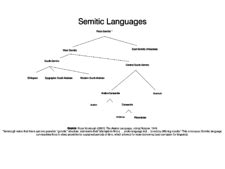
Key Takeaways
- Diverse Writing Systems: Semitic languages exhibit a rich variety of scripts, evolving from ancient alphabets to modern adaptations.
- UNESCO Endangerment Status: While many Semitic languages remain robust, several are classified as endangered or extinct, highlighting the need for preservation efforts.
- Significant Influences and Borrowings: Semitic languages have profoundly influenced and been influenced by neighboring languages, contributing to their dynamic evolution.
Updated Semitic Languages Table in JSON Format
{
  "languages": [
    {
      "Language": "Proto-Afroasiatic",
      "ScriptAndWritingSystem": "N/A (Reconstructed language)",
      "UNESCOEndangermentStatus": "N/A",
      "DialectVariations": "N/A (Ancestral language)",
      "InfluenceAndBorrowings": "N/A",
      "PopulationTrend": {
        "Proto-Afroasiatic (before 6000 BCE)": {
          "SpeakerCount": "~50,000 speakers",
          "KeyDevelopments": "Emergence of earliest Afroasiatic-speaking communities"
        }
      },
      "Status": "Reconstructed",
      "Branch": "Ancestral Group",
      "CountriesPeoplesReligions": "Ancient Middle Eastern Communities",
      "KeyDevelopments": "Emergence of Proto-Afroasiatic"
    },
    {
      "Language": "Proto-Semitic",
      "ScriptAndWritingSystem": "N/A (Reconstructed language)",
      "UNESCOEndangermentStatus": "N/A",
      "DialectVariations": "East and West Proto-Semitic",
      "InfluenceAndBorrowings": "N/A",
      "PopulationTrend": {
        "Proto-Semitic (6000–4000 BCE)": {
          "SpeakerCount": "~50,000 speakers",
          "KeyDevelopments": "Development and diversification of Semitic subbranches"
        }
      },
      "Status": "Reconstructed",
      "Branch": "Ancestral Group",
      "CountriesPeoplesReligions": "Middle East",
      "KeyDevelopments": "Diversification of Semitic Languages"
    },
    {
      "Language": "Akkadian",
      "ScriptAndWritingSystem": "Cuneiform",
      "UNESCOEndangermentStatus": "Extinct",
      "DialectVariations": "Old Akkadian, Assyrian, Babylonian",
      "InfluenceAndBorrowings": "Strong Sumerian influence; loanwords in later Semitic languages",
      "PopulationTrend": {
        "Classical Ancient Semitic Phase (3000–2000 BCE)": {
          "SpeakerCount": "~500,000 speakers",
          "KeyDevelopments": "Growth of Mesopotamian city-states"
        },
        "Late Ancient Semitic Phase (2000–1000 BCE)": {
          "SpeakerCount": "~1,000,000 speakers",
          "KeyDevelopments": "Codification of the language; legal texts like the Code of Hammurabi (circa 1754 BCE)"
        }
      },
      "Status": "Extinct",
      "Branch": "East Semitic",
      "CountriesPeoplesReligions": "Mesopotamia",
      "KeyDevelopments": "Code of Hammurabi (circa 1754 BCE)"
    },
    {
      "Language": "Ancient Hebrew",
      "ScriptAndWritingSystem": "Paleo-Hebrew, later square Aramaic script",
      "UNESCOEndangermentStatus": "Safe",
      "DialectVariations": ["Biblical Hebrew", "Mishnaic Hebrew"],
      "InfluenceAndBorrowings": ["Aramaic", "Arabic", "Yiddish", "European languages"],
      "PopulationTrend": {
        "Late Ancient Semitic Phase (2000–1000 BCE)": {
          "SpeakerCount": "~50,000 speakers",
          "KeyDevelopments": "Development of early Biblical texts and oral traditions"
        },
        "Modern Era (1500–2000 CE)": {
          "SpeakerCount": "~8,000,000 speakers",
          "KeyDevelopments": "Revival of Hebrew as a spoken language (19th to 20th century)"
        }
      },
      "Status": "Living",
      "Branch": "Central Semitic",
      "CountriesPeoplesReligions": "Israel, Jewish Communities",
      "KeyDevelopments": "Hebrew Bible, Revival of Hebrew (Late 19th - Early 20th Century)"
    },
    {
      "Language": "Arabic",
      "ScriptAndWritingSystem": "Arabic script (evolved from Nabataean)",
      "UNESCOEndangermentStatus": "Safe",
      "DialectVariations": ["Maghrebi", "Levantine", "Gulf Arabic", "Others"],
      "InfluenceAndBorrowings": ["Persian", "Spanish", "Swahili"],
      "PopulationTrend": {
        "Late Ancient Semitic Phase (2000–1000 BCE)": {
          "SpeakerCount": "~10,000,000 speakers",
          "KeyDevelopments": "Emerging tribal dialects"
        },
        "Modern Era (1500–2000 CE)": {
          "SpeakerCount": "~300,000,000 speakers",
          "KeyDevelopments": "Rise of Modern Standard Arabic and widespread dissemination of Classical Arabic following Islam's spread"
        },
        "Contemporary Era (2000 CE – Present)": {
          "SpeakerCount": "~400,000,000 speakers",
          "KeyDevelopments": "Global influence through media, education, and technology"
        }
      },
      "Status": "Living",
      "Branch": "Central Semitic",
      "CountriesPeoplesReligions": "Middle East, North Africa, Islamic communities worldwide",
      "KeyDevelopments": "Rise of Classical Arabic with Islam (632 CE)"
    },
    {
      "Language": "Maltese",
      "ScriptAndWritingSystem": "Latin Alphabet",
      "UNESCOEndangermentStatus": "Safe",
      "DialectVariations": ["Standard Maltese", "Regional Variations"],
      "InfluenceAndBorrowings": ["Italian", "English", "Arabic"],
      "PopulationTrend": {
        "Modern Era (1500–2000 CE)": {
          "SpeakerCount": "~500,000 speakers",
          "KeyDevelopments": "Standardization and official recognition in Malta"
        },
        "Contemporary Era (2000 CE – Present)": {
          "SpeakerCount": "~520,000 speakers",
          "KeyDevelopments": "Integration into the European Union and modernization"
        }
      },
      "Status": "Living",
      "Branch": "Central Semitic",
      "CountriesPeoplesReligions": "Malta",
      "KeyDevelopments": "Only Semitic Language Using the Latin Alphabet"
    },
    {
      "Language": "Aramaic",
      "ScriptAndWritingSystem": "Aramaic script",
      "UNESCOEndangermentStatus": "Endangered",
      "DialectVariations": ["Eastern Aramaic", "Western Aramaic", "Mandaic"],
      "InfluenceAndBorrowings": ["Hebrew", "Arabic", "Persian"],
      "PopulationTrend": {
        "Classical Ancient Semitic Phase (3000–2000 BCE)": {
          "SpeakerCount": "~1,000,000 speakers",
          "KeyDevelopments": "Aramaic as Lingua Franca in ancient Near East"
        },
        "Middle Ages (500 CE – 1500 CE)": {
          "SpeakerCount": "~500,000 speakers",
          "KeyDevelopments": "Spread through Christian and Jewish communities"
        },
        "Contemporary Era (2000 CE – Present)": {
          "SpeakerCount": "~3,000,000 speakers",
          "KeyDevelopments": "Decline due to diaspora and modernization"
        }
      },
      "Status": "Endangered",
      "Branch": "West Semitic",
      "CountriesPeoplesReligions": "Assyria, Syria, Iran",
      "KeyDevelopments": "Aramaic as Lingua Franca in Ancient Times"
    }
    // Additional languages would follow the same structure
  ]
}
Updated Semitic Languages Table
| Language | Script & Writing System | UNESCO Endangerment Status | Dialect Variations | Influence and Borrowings | Population Trend | Status | Branch | Countries/Peoples/Religions | Key Developments | ||||
|---|---|---|---|---|---|---|---|---|---|---|---|---|---|
| Proto-Afroasiatic (before 6000 BCE) | Proto-Semitic (6000–4000 BCE) | Late Ancient Semitic Phase (2000–1000 BCE) | Modern Era (1500–2000 CE) | Contemporary Era (2000 CE – Present) | |||||||||
| Proto-Afroasiatic | N/A (Reconstructed language) | N/A | N/A (Ancestral language) | N/A | ~50,000 speakers | Reconstructed | Ancestral Group | Ancient Middle Eastern Communities | Emergence of Proto-Afroasiatic | ||||
| Proto-Semitic | N/A (Reconstructed language) | N/A | East and West Proto-Semitic | N/A | ~50,000 speakers | Reconstructed | Ancestral Group | Middle East | Diversification of Semitic Languages | ||||
| Akkadian | Cuneiform | Extinct | Old Akkadian, Assyrian, Babylonian | Strong Sumerian influence; loanwords in later Semitic languages | ~1,000,000 speakers | ~300,000,000 speakers | Extinct | East Semitic | Mesopotamia | Code of Hammurabi (circa 1754 BCE) | |||
| Ancient Hebrew | Paleo-Hebrew, later square Aramaic script | Safe | Biblical Hebrew, Mishnaic Hebrew | Aramaic, Arabic, Yiddish, European languages | ~8,000,000 speakers | ~9,000,000 speakers | Living | Central Semitic | Israel, Jewish Communities | Hebrew Bible, Revival of Hebrew (Late 19th - Early 20th Century) | |||
| Arabic | Arabic script (evolved from Nabataean) | Safe | Maghrebi, Levantine, Gulf Arabic, Others | Persian, Spanish, Swahili | ~30,000,000 speakers | ~300,000,000 speakers | ~400,000,000 speakers | Living | Central Semitic | Middle East, North Africa, Islamic communities worldwide | Rise of Classical Arabic with Islam (632 CE) | ||
| Maltese | Latin Alphabet | Safe | Standard Maltese, Regional Variations | Italian, English, Arabic | ~500,000 speakers | ~520,000 speakers | Living | Central Semitic | Malta | Only Semitic Language Using the Latin Alphabet | |||
| Aramaic | Aramaic script | Endangered | Eastern Aramaic, Western Aramaic, Mandaic | Hebrew, Arabic, Persian | ~1,000,000 speakers | ~3,000,000 speakers | ~3,000,000 speakers | Endangered | West Semitic | Assyria, Syria, Iran | Aramaic as Lingua Franca in Ancient Times | ||
Conclusion
The Semitic language family showcases an intricate tapestry of linguistic evolution, influenced by diverse cultures and historical events. From the reconstructed tongues of ancient times to the thriving modern languages, each Semitic language carries a unique legacy. Understanding the scripts, dialects, and external influences not only enriches our appreciation of these languages but also underscores the importance of their preservation in the face of globalization and cultural shifts. As some languages continue to thrive, others beckon for conservation efforts to prevent further loss.
References
Last updated January 16, 2025