
The Siberian Cat: A Majestic and Endearing Companion
Discover the history, traits, and care essentials of the Siberian breed
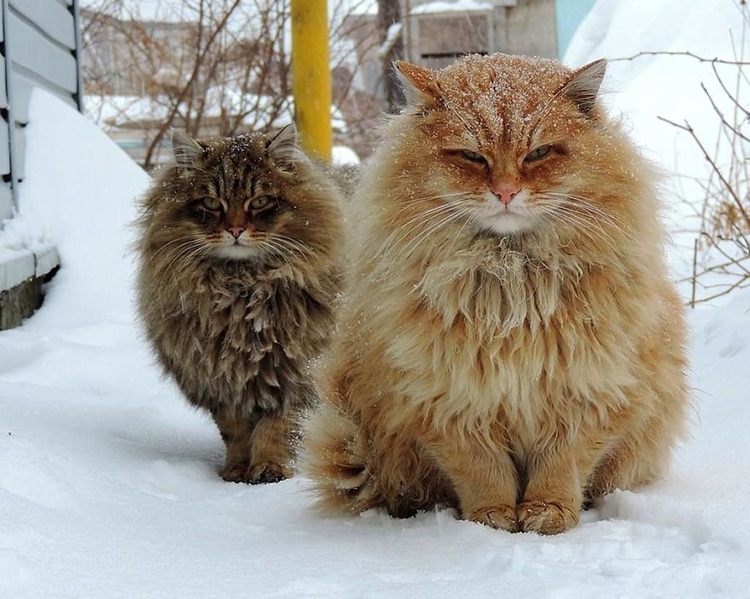
Highlights
- Heritage and Hardy Build: Originating from Russia, with a robust, muscular body and a distinctive triple coat.
- Playful and Affectionate Personality: Known for its social, dog-like behavior, intelligence, and adventurous spirit.
- Unique Health and Grooming Needs: Requires regular grooming, versatile in various conditions, and often considered less allergenic.
Introduction
The Siberian cat is a breed steeped in history, originating in the cold expanses of Siberia, Russia. Renowned as the national cat of Russia, it has evolved over centuries from a natural, adaptable landrace to a formally recognized breed. This transformation reflects not only its physical robustness and unique adaptations to harsh climates but also its enduring charm and personality traits that have captivated cat enthusiasts worldwide. In this comprehensive overview, we explore the physical characteristics, temperament, care requirements, and health considerations of the Siberian cat, illustrating why it remains a cherished companion in many households.
Physical Characteristics
Robust Build and Unique Appearance
Siberian cats are medium-to-large in size, with males typically weighing between 15 to 20 pounds and females somewhat lighter. Their body structure is characterized by a muscular build, broad barrel-shaped rib cage, and sturdy limbs that speak to their origin in a rugged environment. A hallmark of the breed is its large, rounded paws that not only enhance its formidable appearance but also aid in traversing snowy terrains.
Triple-Layered Coat
Perhaps the most striking physical attribute of the Siberian cat is its lush, triple-layered coat. This coat consists of a dense undercoat that provides insulation, a middle coat of longer hair, and a glossy topcoat that offers water resistance. The structure of the coat is a natural adaptation to the severe climatic conditions of Siberia, ensuring that the cat remains warm and protected from moisture. The coat is available in a variety of colors and patterns, ranging from tabby and solid to tortoiseshell and colorpoint.
Facial Features and Other Distinctive Traits
The face of a Siberian cat features a modified wedge shape with rounded contours, complemented by medium-to-large, almost circular, expressive eyes. Their ears are medium to large in size, often adorned with tufted fur that adds to their wild yet endearing look. The overall appearance is one of elegance combined with a rugged charm, a testament to their natural origins.
Comparison of Key Physical Features
To better understand the distinctive physical attributes of the Siberian cat, consider the table below that outlines its key features:
| Characteristic | Description |
|---|---|
| Size & Build | Medium-to-large, muscular body; males typically 15-20 pounds, females slightly smaller. |
| Coat | Triple-layered: dense undercoat, middle awn hairs, and long, glossy topcoat; water-resistant. |
| Paws | Large, round, and robust, suited for navigating snowy environments. |
| Head & Face | Broad, rounded face with a modified wedge shape; medium-to-large eyes with varied colors. |
| Tail | Medium-length, bushy tail, proportionate to their body size. |
Personality and Temperament
A Social and Engaging Companion
Siberian cats are celebrated not just for their physical beauty but also for their engaging and affectionate personalities. Known for their friendly demeanor, these cats have a lively, playful nature that often reminds owners of the loyal, trainable traits commonly found in dogs.
Playfulness and Energy
From an early age, Siberian cats display a spirited curiosity and athleticism. They are natural explorers, loving activities such as climbing, running, and playing fetch. Their high energy level is complemented by their willingness to engage in interactive play sessions, making them an excellent choice for families looking for a dynamic pet. Their enthusiasm for movement and exploration is coupled with a notable intelligence—they have been known to learn tricks, solve puzzles, and even open doors!
Affection and Social Interaction
At the heart of the Siberian cat's temperament is its deep affection for its human companions. These cats thrive on social interaction and are known for their “dog-like” attachment to their families, often following their owners around the house and engaging in spontaneous cuddle sessions. They are adaptable and can integrate well into various social settings, whether in a bustling family environment or a quieter household. Their emotional intelligence also means they can sense when a family member needs comfort, providing solace with gentle purring and soothing presence.
Vocalization and Communication
Communication is a key feature of the Siberian cat. Their vocal repertoire is diverse, including soft meows, chirps, trills, and deep purrs. This range of sounds is not just a way to express their needs but also an engaging method of interacting with their human family. Other pet owners often note how these cats seem to “talk” back, enhancing the bond and making daily interactions more enjoyable.
Their sociability ensures they get along well with children and other pets, contributing to their popularity as a family pet. The combination of playfulness, loyalty, and gentle affection makes the Siberian cat a perfect choice for those wanting a pet that is both interactive and deeply connected to its owner.
Health, Grooming, and Care Considerations
Health Profile and Life Expectancy
Siberian cats are generally known for their robust health, bolstered by a high level of genetic diversity due to their natural, non-inbred origins. With proper nutrition, regular veterinary care, and appropriate exercise, these cats can live an average of 12 to 15 years or even longer. However, due to their energetic nature and genetic predispositions, they can be susceptible to certain health issues.
Common Health Concerns
Despite their overall resilience, there are some conditions that Siberian cats may face:
- Hypertrophic Cardiomyopathy (HCM): A heart condition that affects the heart muscle, particularly in certain genetic lines.
- Polycystic Kidney Disease (PKD): While less common, it is a genetic condition that causes cysts in the kidneys.
- Hereditary Cancer: Like many animal breeds, there is a potential risk for certain types of cancers, though this is monitored carefully by reputable breeders.
- Feline Lower Urinary Tract Disease (FLUTD): A condition affecting the urinary system due to various predisposing factors.
Early detection through regular veterinary check-ups is crucial in managing these conditions effectively. Reputable breeders usually screen for these conditions, thereby enhancing the overall health profile of the breed.
Grooming Requirements
Maintaining the luxurious coat of the Siberian cat requires diligence. The triple-layered fur sheds seasonally—usually twice a year, with a heavier shed during the colder months. During these periods, daily brushing is recommended to prevent matting and reduce shedding. In between these heavy shedding periods, weekly brushing is typically sufficient. Additionally, regular care should also include dental care, routine ear cleaning, and nail trimming to ensure that the overall health and hygiene of your pet are well maintained.
Exercise and Mental Stimulation
Given their high energy and intellectual inquisitiveness, Siberian cats benefit greatly from an environment that provides both physical exercise and mental challenges. Interactive toys, climbing structures, and safe outdoor enclosures can help them expend energy and remain engaged. Consider interactive play sessions and puzzle feeders to stimulate their curious minds. This not only prevents boredom but also minimizes the likelihood of behavioral issues associated with under-stimulation.
Allergy Considerations and Hypoallergenic Qualities
Reduced Allergen Production
One of the unique advantages of the Siberian cat is its reputation for being somewhat hypoallergenic. Though no cat breed is entirely free of allergens, Siberians produce lower levels of the Fel d 1 protein – the primary allergen in cat saliva – compared to other breeds. This reduced production may make them more tolerable for individuals with mild cat allergies. However, it is always recommended to spend time with the cat before making a commitment if allergies are a concern, as individual reactions can differ.
Historical Overview and Breed Origins
A Rich Cultural Legacy
The legacy of the Siberian cat stretches back hundreds of years into the histories of Russia and its surrounding lands. Originally a natural breed (or landrace), the Siberian cat evolved without heavy human intervention, adapting naturally to its environment. This long evolutionary history has endowed it with both physical resilience and unique behavioral traits that have helped it thrive in the severe climates of the Siberian wilderness.
In the late 1980s, efforts were made to formalize the breed for registration by major cat organizations, solidifying its status not only as a beloved pet but also as a representative symbol of Russian national pride. The breed’s storied past is a testament to its capacity to live harmoniously in both wild and domestic settings, continually adapting to new challenges while remaining true to its natural origins.
Influence on Other Breeds and Modern Recognition
The influence of the Siberian cat extends beyond its lineage as many modern long-haired breeds share genetic or aesthetic similarities with it. Its hardy nature and distinctive triple coat may have contributed to the evolution of various domestic cat breeds that also display resilience and adaptability. Through rigorous breeding practices and enhanced awareness of its unique traits, the Siberian cat now enjoys widespread recognition and popularity around the world.
Comparative Analysis with Other Breeds
Distinctive Traits in the Feline World
When compared to other breeds, the Siberian cat stands out primarily because of its combination of athletic build, luxurious coat, and an exceptionally friendly temperament. While many breeds are known for their distinct coat colors or unique physical traits, the Siberian cat offers a balanced blend, making it highly versatile for various living environments. Its energetic and interactive nature also contrasts with more independent breeds, offering a dynamic companionship that is both engaging and loyal.
Below is a concise comparison table summarizing how the Siberian cat measures against common traits found in other popular breeds:
| Trait | Siberian Cat | Other Popular Breeds |
|---|---|---|
| Coat | Thick, triple-layered, water-resistant | Varies widely; some short, some long |
| Personality | Highly social, playful, and affectionate | Often more reserved or independent |
| Adaptability | Thrives in both indoor and outdoor settings | Some struggle with high-energy environments |
| Hypoallergenic | Produces lower Fel d 1 levels | Generally, not hypoallergenic |
Practical Tips for Prospective Owners
Deciding if a Siberian Cat is Right for You
Adopting a Siberian cat comes with both rewarding companionship and specific responsibilities. Here are some practical tips for those considering this breed as a pet:
Environment and Space
Due to their high energy levels and playful spirit, Siberian cats require a living space that allows for exercise and exploration. Homes with open spaces, safe outdoor areas, or windowsills that offer a view of the outside world can help satisfy their inquisitive nature.
Grooming and Regular Maintenance
Regular grooming is essential for maintaining the Siberian cat’s thick coat. During heavy shedding seasons, additional daily grooming sessions can mitigate matting and reduce loose fur around the home. Incorporate dental checks, ear cleaning, and nail trims into your routine to keep your pet in optimum health.
Socialization and Interaction
Siberians thrive on interaction. They respond well to regular play sessions, interactive toys, and ample human attention. Ensure that your schedule allows dedicated time for engagement, which is particularly important if you have a busy household. Their social nature not only calls for interaction with humans but also pairs well with other pets.
Health Management
Prioritize regular veterinary check-ups to monitor health indicators such as heart function, kidney health, and overall physical condition. A balanced diet rich in nutrients will support their active lifestyles and help counteract any genetic predispositions. Pet insurance and consultation with a specialized veterinarian can further ensure your pet remains healthy throughout its life.
Historical and Cultural Significance
Global Appeal Through the Ages
The Siberian cat’s journey from the far reaches of Russia to the homes of millions around the globe is a story of natural beauty and adaptability. Its recognition as the national cat of Russia reflects its deep integration into the cultural tapestry of its homeland—a symbol of resilience, grace, and companionship. The breed’s enduring popularity is bolstered by its ever-adaptable nature, effortlessly transitioning from the wild terrains of Siberia to the comfort of modern urban households.
The process of formalizing the breed in the late 20th century under strict breeding standards helped to preserve its unique characteristics while ensuring that the genetic diversity, which lends the Siberian cat its robust health, was maintained. This careful balance of selective breeding and natural heritage has allowed the Siberian cat to not only survive but flourish in diverse climates and lifestyles, making it a global ambassador of feline charm and resilience.
Conclusion
In summary, the Siberian cat is much more than a pet; it is a living testament to a legacy of natural evolution, robust adaptability, and heartwarming companionship. Its impressive physical traits, including a distinctive triple-layered coat and muscular build, have evolved as adaptations to the severe climates of Siberia, while its playful, affectionate, and social nature endears it to families worldwide.
The breed presents a unique set of advantages alongside specific care requirements. Its lower allergen production makes it an appealing option for those sensitive to cat allergens, though prospective owners should still proceed with caution. Maintaining a Siberian cat's luxurious coat involves regular and dedicated grooming, and ensuring its high energy levels are met with sufficient play and exercise is essential for a balanced, happy pet. Health management through regular veterinary care is paramount, given the potential for certain hereditary conditions that can affect the breed.
From its historical roots as a natural, rugged survivor in the wilds of Russia to its modern-day status as a cherished companion, the Siberian cat embodies the ideal of resilience coupled with affectionate loyalty. Whether you are drawn to its robust physicality or its engaging, “dog-like” personality, the Siberian cat enriches the lives of its owners with a blend of energy, intelligence, and heartwarming affection.
References
- Siberian Cat Personality | The Discerning Cat - The Discerning Cat
- Siberian Cat World - Siberian Cat Personality and Traits
- Siberian Cat: Breed Profile, Characteristics, & Care - The Spruce Pets
- The Siberian Cat Personality & Breed - FelineLiving.net
- Siberian Cats: Breed Overview and Key Traits - Basepaws
- Siberian: Personality, Diet, Grooming, Training - Petplan
- Facts About Siberian Cats - ASPCA Pet Insurance
- Siberian Cat Breed Health and Care - PetMD
Recommended Related Queries
Last updated February 22, 2025