
Cillian Murphy’s Animal Rights Slogan: A Bold Protest at Trump Tower
Discover a creative, provocative slogan in English that resonates with the fight against animal exploitation
Key Insights and Highlights
- Creative Wordplay: The slogan uses a double entendre, alluding to sheep’s wool ("fleece") as well as exploitation in society.
- Emotive Imagery: Visual and verbal references emphasize bold protest, linking thirty sheep directly to a call for compassion and change.
- Strong Call-to-Action: The slogan encapsulates urgency and determination, inviting onlookers to question systems and choose justice over exploitation.
Slogan Proposal for the Protest
Slogan in English
This thought-provoking slogan is crafted to capture attention and drive home a powerful message against animal exploitation. If Cillian Murphy were to lead a demonstration at Trump Tower with thirty sheep, he might use the following slogan:
"Fleece the System, Free the Sheep!"
This slogan works on multiple levels:
- Double Meaning: The word "fleece" traditionally refers to the natural wool of sheep, while also connoting the act of exploiting or defrauding someone — thereby creating a clever commentary on societal and economic exploitation.
- Visual Impact: Picturing thirty sheep in a symbolic act at Trump Tower, this line instantly conjures strong imagery linking animal rights to broader issues of social injustice.
- Memorability and Catchiness: Its rhythmic structure combined with a call-to-action makes the slogan memorable and effective for protest placards, T-shirts, or social media campaigns.
While the above slogan synthesizes ideas from various proposals, the essence is to highlight the dual injustices: animal exploitation and systemic failures. Its simplicity belies the deeper critique it holds toward societal practices and economic structures that prioritize profit over compassion.
Supporting Perspectives and Context
Underlying Themes
Each of the slogans and ideas provided by multiple voices converge around several key themes that are important to the protest’s message:
Animal Exploitation
The protest is centered on calling attention to the exploitation and mistreatment of animals, a critical issue in modern discussions about ethical treatment and animal rights activism. The protest aims to ignite a debate on how animals are used in industries such as food, fashion, and research, highlighting that every creature deserves respect.
Critique of Capitalism
The slogan implicitly critiques broader capitalist structures that often treat living beings as commodities. By invoking a double meaning with the word "fleece," it challenges the economic practices that extract value at the expense of ethical treatment and fairness.
Symbolism of Sheep
Using sheep as a symbol in the protest magnifies the irony and impact of the demonstration. Sheep are often seen as docile and vulnerable animals; turning them into figures of resistance underlines that even the seemingly defenseless can stand up against oppressive systems.
Detailed Analysis: The Slogan’s Implications
The Interplay of Language and Politics
Language in protest slogans is designed not only to inform but also to mobilize. Here, each word is chosen to have layered meanings:
"Fleece"
This term not only references a physical attribute of sheep but also serves as a metaphor for exploitation. In economic parlance, "to fleece" someone implies taking advantage or overcharging, which aligns with critiques of economic systems that undervalue ethical considerations.
"System"
The term "system" is broad and refers to both the economic and political frameworks that allow animal exploitation and social injustice to persist. It underscores a call for comprehensive reform, urging society to reevaluate the structures that perpetuate exploitation.
"Free"
"Free" carries multiple connotations: it is a call for liberation, the ending of unjust practices, and the reclaiming of rights. When applied to both the exploitation of animals and the critique of a flawed system, it inspires action and solidarity.
Connecting the Protest Image with the Slogan
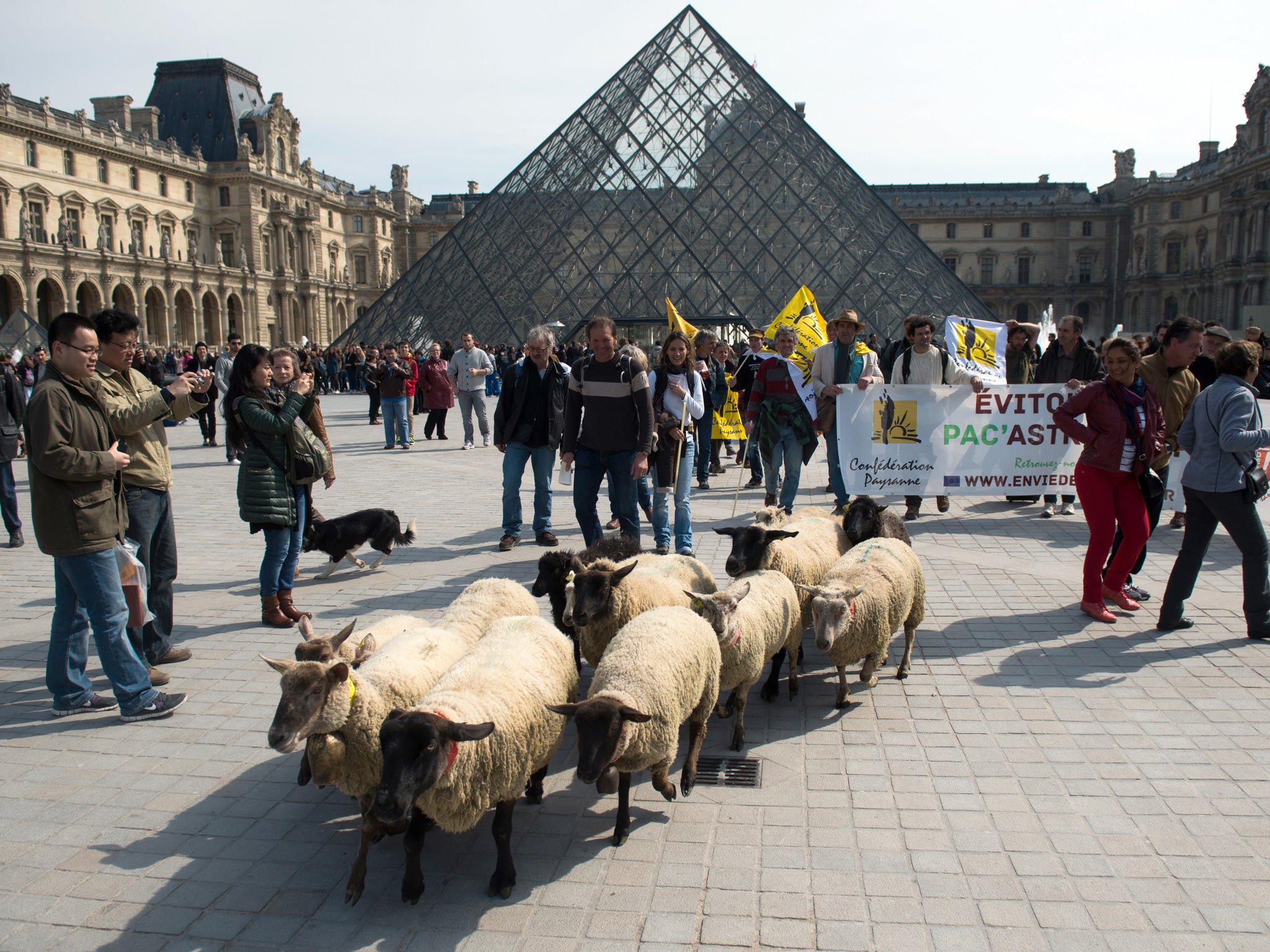
The imagery of thirty sheep gathered provocatively in front of Trump Tower symbolizes a tangible challenge to the status quo. In many protest movements, visual symbolism is as powerful as the words themselves:
| Element | Symbolic Meaning |
|---|---|
| Thirty Sheep | Representation of the vulnerable and exploited; emphasizes the number to signify unity in protest. |
| Trump Tower | Icon of power and economic might; signifies the establishment that supports systemic exploitation. |
| "Fleece the System" | Clever wordplay that critiques both the physical act of shearing and the broader concept of exploitation. |
| "Free the Sheep" | A direct call-to-action, inviting onlookers to consider the importance of animal rights and liberation. |
This concise table encapsulates the core visual and verbal components of the protest, illustrating how the slogan supports and magnifies the protest’s broader message.
Further Considerations for Crafting Protest Slogans
The Role of Emotion and Irony
Effective protest slogans strike a balance between humor, irony, and serious critique. In crafting the slogan "Fleece the System, Free the Sheep!", several layers are at play:
- Humor and Irony: The play on words with "fleece" provides a sharp, witty commentary while making the slogan accessible and engaging.
- Emotional Appeal: The slogan resonates on an emotional level, invoking empathy towards animals and indignation towards oppressive systems.
- Political Statement: It not only rallies support for animal rights but also critiques a larger system that allows for exploitation in various forms, from economic to political.
Influence on Public Discourse
Simple yet evocative slogans can help shift public conversation. Viewed across different media — from protest placards to social media — the slogan encourages audiences to reflect on both animal welfare and systemic industry practices. In an age where widespread information is shared instantly, such messages can inspire policy discussions and even influence wider cultural shifts regarding animal rights and consumer ethics.
Historical and Contemporary Context
Protests and Slogans in Activism
Historically, effective slogans have been a cornerstone of social and political movements. From civil rights era chants to modern social media campaigns, these brief phrases capture complex realities and mobilize collective action. In the context of animal rights, slogans such as "Compassion knows no species" and "Animal rights, not wrongs" have already set a precedent for combining simple language with powerful messages.
Bridging the Message Across Causes
This slogan transcends the protest against animal exploitation by aligning with broader social justice movements. By impugning exploitative systems, it mirrors the critical tone found in protests against economic inequality, environmental degradation, and overall systemic abuse. Thus, it helps bridge the gap between different social issues, enriching the conversation and fostering wider solidarity.
Media and Public Reactions
The strategic use of irony and visual symbolism in protest slogans is known to generate significant media coverage. When high-profile figures like Cillian Murphy associate themselves with creative activism, the resulting media narrative can amplify the underlying message, pushing discussions about the ethical treatment of animals into mainstream discourse. This effect is particularly potent when protests involve visually arresting imagery — for example, a dramatic scene with thirty sheep positioned against the backdrop of an iconic building like Trump Tower.
Implementing the Slogan in a Campaign
Creative Uses in Protest Materials
The slogan "Fleece the System, Free the Sheep!" is ideal for various protest materials:
- Placards and Banners: Clear and bold lettering on placards ensures that the message is easily perceived during a march or demonstration.
- T-Shirts and Merchandise: The slogan’s catchy rhythm makes it appealing as a design element on apparel and merchandise, further spreading its message.
- Social Media Campaigns: In the digital age, hashtags and images featuring the slogan can help mobilize a younger audience, sparking viral conversations that transcend geographical limits.
Engaging with Media Outlets
Media engagement is crucial in modern activism. When the press covers such creative protests, it often highlights the juxtaposition of celebrity influence with grassroots movements. The use of high-profile figures like Cillian Murphy underscores how powerful symbols — such as a bold slogan coupled with a striking visual display — can shift the narrative and stimulate public debate on longstanding issues like animal exploitation.
Additional Slogan Variants and Messaging Ideas
Alternative Slogan Options
While "Fleece the System, Free the Sheep!" is highly impactful, several other variants maintain the spirit of the protest:
- "Sheep for Freedom, Stop the Exploitation!" – A straightforward call to action that emphasizes both liberation for the animals and a denunciation of exploitative practices.
- "The Sheep Are Silent No More: End Animal Exploitation!" – This version expresses the idea that animals, symbolized by the sheep, are now demanding attention and justice.
- "Baa-d Behavior Won't Be Tolerated – Stand Against Exploitation!" – Incorporates a pun with "baa," drawing a direct connection between the animal sounds and their powerful protest message.
Each alternative shares the central ideology: conveying that animals have inherent rights, the exploitation of which is unacceptable, and that existing systems must be questioned and reformed.
Practical and Symbolic Elements in Protest Slogans
The Role of Symbols in Mobilizing Action
Symbols in activism are not mere ornaments; they are catalysts that transform abstract issues into relatable, digestible ideas. In this case, the sheep serve as a multi-layered symbol. Seen as nurturing, gentle, and vulnerable, they become powerful emblems of the broader struggle for rights and dignity. The placement of these symbols in front of an edifice as politically and economically charged as Trump Tower further intensifies the contrast between the exploited and the exploitative.
Understanding the Broader Implications
This slogan also invites participants and observers of the protest to interrogate existing economic and political systems. By merging animal rights with critiques of systemic exploitation, the message encourages a holistic look at how morality is shaped by corporate, social, and political influences. It inspires a broader dialogue on civic responsibility, urging individuals to consider how everyday practices contribute to larger cycles of injustice.
Exploring the Impact of Artistic Protest Messaging
Blending Art with Activism
The beauty of using a creative slogan lies in its ability to capture complex ideas in a succinct and engaging manner. Art and language merge in protest communication, converting the abstract into a tangible narrative that can be both consumed and acted upon by diverse audiences. The use of cheerfully subversive language, imbued with both humor and critique, underscores art’s profound connection to social justice.
Expanding the Reach Beyond Traditional Protest
Artful messaging in protests has the power to drive societal change in unexpected ways. Whether it’s through digital media campaigns, graphic posters, or street art installations, slogans like "Fleece the System, Free the Sheep!" not only mobilize those physically present at a protest but also ignite online conversations and inspire creative reinterpretations by artists, activists, and everyday citizens alike.
Resources and Further Reading
References
Below is a list of relevant resources and articles that have discussed effective protest slogans and the intersection of activism, symbolism, and social critique:
- Animal Activism Slogans - Advertising News
- Animal Slogans - The Brand Boy
- Animal Rights Slogans - The Info Hub Pro
- Anti-Trophy Hunting Activists Protest - Their Turn
- Protest at Trump Tower - The Guardian
Recommended Related Queries
For further exploration of this topic and to gain deeper insights, consider the following search queries:
Last updated March 25, 2025