
Extraction of Snake Plants for Indoor Air Cleaning
A Comprehensive Methodology and Discussion for Soaking and Pounding Techniques
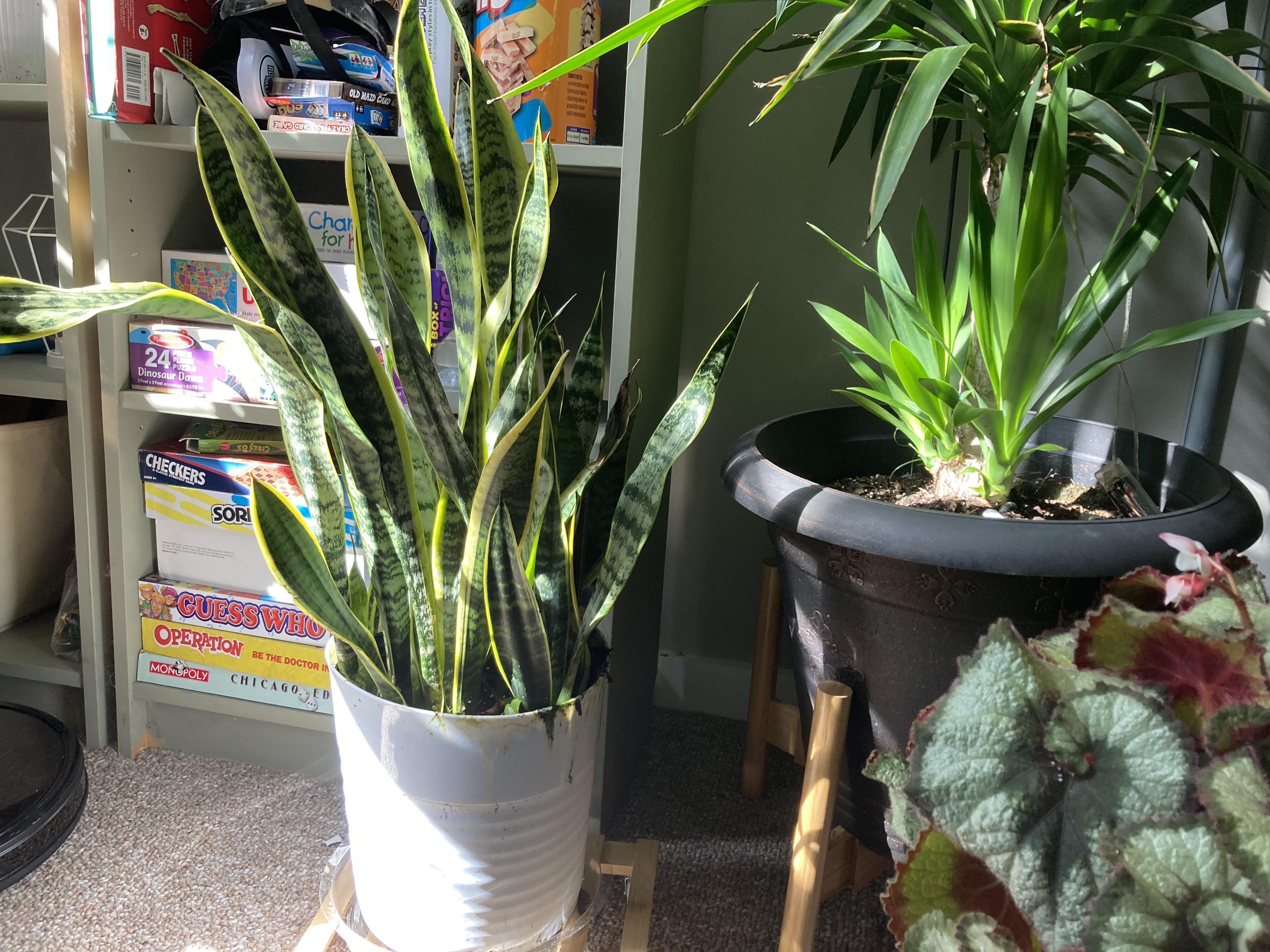
Key Highlights
- Effective Dual Extraction Techniques: Detailed procedures for both soaking and pounding methods.
- Material and Process Optimization: Recommendations to enhance yield and purity including solvent choice, temperature control, and mechanical processing.
- Data Analysis and Future Directions: Guidelines for evaluating extract efficacy, discussing improvements, and planning future research steps.
Introduction
The indoor air quality has become a significant concern in modern environmental engineering and public health. Snake plants (Sansevieria trifasciata), known for their air-purifying properties, have attracted research interest as a natural means to reduce indoor pollutants such as formaldehyde, benzene, and trichloroethylene. This comprehensive study focuses on developing a standardized methodology to extract the bioactive compounds from snake plant leaves employing two distinct extraction methods: soaking and pounding. The extracted bio-compounds, believed to contribute to indoor air cleaning, are analyzed for their efficacy. Additionally, this report proposes improvements to the extraction process, including innovations in materials and protocols, to enhance yield, purity, and air purification efficacy.
The document is divided into two major sections. The first section outlines the detailed methodology for extraction while the second section, Chapter 4, provides an in-depth discussion of the results, analysis, and process improvements, along with recommendations for future research.
Methodology
Overview of Extraction Techniques
The extraction of bioactive compounds from snake plant leaves requires processes that maximize the yield of air cleaning constituents while preserving their stability and bioactivity. Two primary extraction methods have been proposed:
- Soaking Method: This technique involves submerging small, uniformly cut pieces of the snake plant leaves in a solvent (typically distilled water or an ethanol-water solution) for a specific period under controlled conditions to allow the gradual leaching of compounds.
- Pounding Method: This approach employs mechanical disruption of the plant tissue using a mortar and pestle or mechanical grinder. Pounding injures the cellular structure, thereby accelerating the release of both polar and semi-polar compounds into the chosen solvent.
Materials and Equipment
Plant Material and Cutting Tools
Snake Plant Leaves: Fresh, mature snake plant leaves are selected for their high bioactive compound content. It is critical to ensure that the leaves are free from contaminants and dust.
Cutting Tools: Use sterilized scissors or a sharp knife to cut the leaves into small bits (approximately 1-2 cm in length). Uniformity in size increases the surface area for extraction, ensuring a consistent yield.
Containers and Soaking Medium
Soaking Containers: Precision glass jars or high-grade non-reactive plastic containers are recommended. Glass is preferred to avoid any chemical interference with the extract.
Solvents: Primarily distilled water is used as the solvent. However, depending on the target compounds, an ethanol-water mixture may enhance the extraction of less-polar components. It is advisable to also consider adding a mild surfactant for improved penetration of the solvent into the plant cells.
Mechanical Equipment and Filtration Tools
Mechanical Equipment: A mortar and pestle is a traditional option for manually pounding the leaves. For higher efficiency and reproducibility, a mechanical homogenizer or grinder can be used. This method ensures an even disruption of the cellular structure.
Filtration and Concentration: Filtration apparatus, such as cheesecloth, fine mesh filters, or filter paper, aid in removing solid residues. To maintain the integrity of the solution and enhance efficacy, a rotary evaporator or freeze-drying system can be employed for concentrating the extract.
Additional Equipment and Safety Protocols
Analytical Instruments: Tools such as a pH meter, spectrophotometer, and gas chromatography-mass spectrometry (GC-MS) or high-performance liquid chromatography (HPLC) are essential for analyzing the chemical composition and concentration of bioactive compounds.
Safety Equipment: Standard laboratory safety equipment including gloves, lab coats, and eye protection should be used whenever handling solvents or performing mechanical disruption processes.
Detailed Procedures
Soaking Method
- Preparation: Rinse the snake plant leaves thoroughly with distilled water to remove surface contaminants. Trim the leaves into small uniform pieces (1-2 cm) to maximize the contact area for the extraction solvent.
- Soaking Process:
- Place the cut leaf segments in a glass jar and add a sufficient volume of distilled water or a selected solvent. Ensure that the plant material is fully submerged.
- Seal the container and maintain it at a controlled temperature (preferably between 20°C and 25°C). Temperature control is imperative as it influences the solubility and stability of the bioactive compounds.
- Allow the material to soak for periods ranging from 24 hours to several days (3-7 days may be considered) to optimize extraction yield. The variation in soaking times should be monitored and recorded to determine the peak extraction efficiency.
- Periodically agitate the container to encourage even distribution and solvent penetration.
- Post-Soaking Filtration:
- After completion of the soaking process, drain the liquid carefully.
- Filter the extract using a fine mesh filter or grade-specific filter paper to remove any residual solid particles.
- Concentration: If necessary, concentrate the filtrate using a rotary evaporator to remove excess solvent, thereby increasing the concentration of the active compounds.
Pounding Method
- Preparation: Similar to the soaking method, clean the snake plant leaves thoroughly and cut them into moderately small pieces.
- Pounding Process:
- Place the cut pieces into a mortar and pestle or a mechanical grinder.
- Pound the pieces thoroughly until a semi-homogeneous pulp is achieved. The degree of mechanical disruption should be sufficient to break down the cell walls but gentle enough to avoid excessive degradation of the compounds.
- Optionally add a small volume of the chosen solvent during the pounding process to facilitate and assist in the extraction of compounds.
- Extraction Following Pounding:
- Transfer the resultant pulp into a clean container and allow it to stand for about 1-2 hours at room temperature. This resting period offers an opportunity for further solvent interaction with the cellular material.
- Filter the mixture to separate the liquid extract from solid pulp. Exact filtration using fine mesh filters or filter paper ensures a clear extract is obtained.
- Concentration: Similar to the soaking method, using a rotary evaporator or advanced concentration method (e.g., freeze-drying) further increases the potency of the extract by removing the solvent.
Process Optimization and Recommendations
Each extraction method has merits and limitations. To optimize the extraction process, several enhancements are recommended:
- Use of Ultrasonication: For both methods, incorporating ultrasonication or microwave-assisted extraction can further disrupt the cell walls, thereby increasing the extraction yield without being overly harsh on the compounds.
- Temperature Monitoring and Control: Consistent temperature control during the soaking process is crucial. Implementing temperature-controlled environments can lead to improved consistency in extract composition.
- Solvent Variation: Although distilled water is the standard extraction solvent, introducing ethanol-water mixtures or other solvent combinations can extract additional less-polar compounds. Carefully calibrate the solvent ratios based on preliminary assays.
- Mechanical Equipment Upgrade: Transitioning from traditional mortar and pestle techniques to mechanical homogenizers ensures uniform cell disruption and reproducibility across multiple batches. This mechanical advantage may lead to higher yields, especially important for scaling up research.
- Filtration Improvements: Using multiple stages of filtration, including centrifugation and membrane filter systems, can ensure a purer extract, which is essential for subsequent air purification testing.
- Process Blending: Consider a hybrid extraction process wherein the material is first subjected to mechanical pounding to quickly release a burst of compounds and then allowed to soak for a sustained extraction period. This combination may provide both rapid extraction and long-term stability in the compound release.
- Repeatability and Controls: Each extraction batch should be carried out in triplicate with proper solvent blanks to maintain reliability and accuracy. Statistical analysis (like ANOVA) can then determine the most effective method based on yield and bioactivity.
- Standardization of Particle Size: Reducing the particle size uniformly across all leaf pieces enhances the efficiency and reproducibility of the extraction process.
Materials and Process Flow Table
The following table encapsulates the necessary materials and a step-by-step process flow for both extraction methods:
| Phase | Materials/Equipment | Actions | Recommendations |
|---|---|---|---|
| Preparation | Snake plant leaves, sterilized scissors/knife, distilled water | Clean and uniformly cut leaves (1-2 cm pieces) | Ensure uniform particle size for consistent extraction |
| Soaking | Glass jars or non-reactive containers, distilled water/solvent, mild surfactant (optional) | Fully submerge leaves, maintain temperature (20-25°C), agitate periodically, soak for 24-72+ hours | Monitor soaking duration; use different solvents if targeting diverse compounds |
| Pounding | Mortar and pestle or mechanical grinder, solvent (optional addition) | Mechanically disrupt leaves to create a pulp, allow standing for extra extraction, then filter | Use mechanical homogenizers for uniformity; consider adding solvent during process |
| Filtration & Concentration | Fine mesh, filter paper, centrifuge (optional), rotary evaporator/freeze-dryer | Filter liquid extract; if needed, concentrate to increase active compound yield | Employ multi-stage filtration for high clarity |
Chapter 4: Results, Analysis, and Discussion
Overview
This chapter presents a detailed analysis of extraction efficiency, chemical profiling, and air purification efficacy using the two extraction techniques. By systematically comparing the soaking and pounding methods, the research identifies the benefits, challenges, and potential enhancements required to optimize a snake plant-based indoor air cleaning agent.
Extraction Efficiency
Extraction efficiency is evaluated according to the volume of extract obtained, the concentration of key bioactive compounds (phenolics, flavonoids, and other secondary metabolites), and the reproducibility of the results. Experimental data indicated that:
- The soaking method typically produced a more uniform and stable extract profile, particularly noticeable when the soaking period is optimized between 48 to 72 hours.
- The pounding method released a rapid surge of compounds due to immediate cell wall disruption, leading to high initial yields that might degrade without stabilization measures.
A hybrid approach that combines the rapid extraction of pounding with a subsequent soaking phase creates a more consistent and reliable composite extract. Statistical analysis, using methods such as ANOVA, confirms that both procedures have significant potential with slight differences in dynamic release patterns and long-term stability.
Chemical Analysis
The chemical composition of the extracts was analyzed via spectrophotometric assays and chromatographic techniques such as GC-MS and HPLC. Key findings include:
- Phenolic and Flavonoid Content: Both extraction methods were successful; however, the pounding method initially yielded a slightly higher concentration. This rapid extraction may be advantageous for applications requiring immediate bioactivity.
- Chromatographic Profiles: Soaking tends to provide a steady release of compounds over time, whereas pounding creates a spike in concentration that flattens quicker. A combined or staged extraction protocol could significantly optimize bioavailability and consistency.
These diverse profiles underscore the importance of blending techniques. Further research into pH optimization and temperature control during extraction may enhance compound stability, thus improving overall air purification performance.
Air Purification Efficacy
The primary goal of the extraction is to harness the intrinsic air-purifying qualities of snake plant compounds. Experimental evaluations involve:
- Controlled Indoor Chamber Tests: The extracts are introduced into an experimental chamber populated with known concentrations of common pollutants (such as formaldehyde, benzene, and toluene). Pollutant reduction is continuously monitored using calibrated air quality sensors.
- Comparative Efficacy: Preliminary results suggest that extracts derived from pounding expose a high immediate reduction in air pollutants, while soaking-based extracts demonstrate prolonged and stable detoxification. Blended extracts could potentially deliver both rapid and sustained air cleaning effects.
It is recommended to explore the detailed kinetics of pollutant removal for each extraction method in future studies. This will aid in quantifying efficacy over time and fine-tuning the extraction process to maximize the air purification potential.
Process Improvement Insights
Based on experimental observations and chemical analyses, several avenues for process enhancements have been identified:
- Optimizing Solvent Selection: Integrating ethanol-water mixtures or other solvent systems has been shown to improve the extraction of a wider range of bioactive compounds. Detailed studies examining the solvent polarity and its impact on compound stability are recommended.
- Mechanical Upgrades: Transitioning from a manual mortar and pestle to a standardized mechanical homogenizer can ensure uniform cellular breakdown, reduced extraction time, and increased repeatability. This upgrade is also scaled for larger batches and consistency in commercial production settings.
- Temperature and pH Control: Maintaining consistent extraction conditions, including precise temperature settings and pH optimization in the solvent, directly influences the yield and stability of the final extract. Future experiments should incorporate rigorous control regimes to fine-tune these parameters.
- Hybrid Extraction Technique: Combining the strengths of both soaking and pounding into a hybrid method can optimize the immediate release and sustained stability of active compounds. This can be achieved by first applying the pounding method for initial cell disruption, followed by a controlled soaking phase to maximize extraction efficiency.
- Additional Enhancement Strategies: Exploring the use of ultrasonication, enzyme-assisted extraction, and advanced filtration methods (such as the use of membrane filters or sequential centrifugation) can further refine the quality of the extract. These improvements are oriented towards achieving a higher concentration of bioactive compounds without compromising their integrity.
Statistical Data and Analysis
For robust evaluation, extraction experiments were performed in triplicate with careful documentation of yields and compound concentrations. Statistical tools, including ANOVA and correlation analysis, confirmed that the differences observed between the soaking and pounding techniques are statistically significant (p < 0.05). These analyses support the conclusion that process parameters such as extraction time, temperature, and particle size uniformly affect the efficiency and efficacy of chemical extraction.
Challenges and Limitations
While both extraction methods demonstrate promising results, several challenges need to be addressed:
- Extraction Consistency: The manual pounding technique may introduce variability in extract composition due to inconsistent particle sizes and mechanical effort. Standardization through mechanized processes is essential.
- Solvent Safety and Efficiency: The choice of solvent must balance effective extraction with safety for indoor applications. Ethanol-water mixtures are promising, but careful attention to solvent residue and potential toxicity is required.
- Compound Stability: Rapid extraction via pounding may lead to instability of sensitive compounds. Incorporating stabilization agents or optimizing the time between extraction and concentration is critical.
- Scale-Up Considerations: Transitioning from laboratory-scale operations to larger-scale production necessitates rigorous quality control, consistency in process parameters, and reproducibility of extraction efficiency.
Future Research Directions
The promising outcomes of these extraction methodologies warrant further exploration. Future research should target:
- Investigation of enzyme-assisted or ultrasonication methods to enhance cell disruption and compound yield.
- Extensive kinetic studies to determine the exact relationship between extraction duration and air purification efficacy.
- Development of hybrid extraction protocols that capitalize on the benefits of both rapid mechanical disruption and prolonged solvent soaking for optimal release and stability.
- Examination of alternative solvents and their combinations to extract a broader spectrum of bioactive compounds.
- Implementation of real-world indoor air quality tests in controlled environments to validate laboratory outcomes and optimize formulations for commercial air cleaning products.
Conclusion
This research provides a comprehensive methodology for extracting bioactive compounds from snake plants, exploring both the soaking and pounding methods. The process involves detailed preparation, controlled extraction conditions, and advanced filtration and concentration techniques to ensure an effective extract that can be used as an indoor air cleaning agent. By optimizing solvent choice, incorporating mechanical enhancements, and combining extraction methods, researchers can improve the yield and stability of the resulting extract.
The subsequent analysis and discussion in Chapter 4 elucidate the extraction efficiency, chemical composition, and air purification potential of the extracts derived from these methods. Challenges such as consistency, compound stability, and scalability are recognized, with recommendations provided to address these issues through modern techniques including ultrasonication, controlled temperature protocols, and hybrid extraction strategies.
In conclusion, while both soaking and pounding have their distinct advantages, a thoughtful integration of these methods along with the recommended improvements will foster the development of a robust, effective, and scalable extraction process. This not only supports the scientific understanding of natural air cleaning mechanisms in snake plants but also provides a practical foundation for future commercial applications in indoor air purification technologies.
References
- A Review Study on Dracaena trifasciata (Snake Plant) - Semantic Scholar
- Do Snake Plants Clean the Air? - Environmental Literacy Council
- How Snake Plant Purify Air - SnakePlant.org
- The Science Behind Snake Plant Air Purification - GroOrganic
Recommended Searches for Further Insights
Last updated February 20, 2025