
Mastering Snowmobiling Techniques
Comprehensive guide to developing snowmobiling expertise for diverse terrains
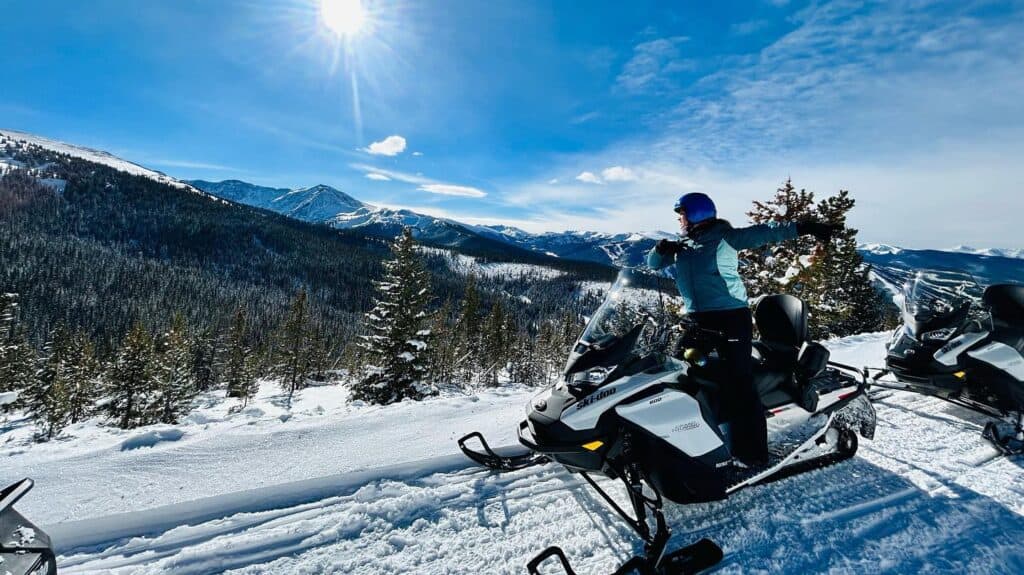
Key Highlights
- Balanced Body Positioning: Learn to adapt your weight distribution whether you are ascending, descending, or cornering.
- Throttle and Braking Mastery: Precise control over acceleration and braking is essential for seamless turns and obstacle avoidance.
- Terrain-Specific Techniques: Adapt your riding posture and techniques for varied environments from groomed trails to challenging backcountry routes.
Introduction
Snowmobiling is an exhilarating winter sport that combines high-speed navigation, control, and adaptability to a range of challenging environments. Whether you are just starting out or have been riding for years, mastering the art of snowmobiling requires understanding the fundamentals as well as advanced techniques tailored to different terrains. This guide offers an in-depth discussion of strategies, techniques, and safety tips that are essential to improve performance, maintain control, and ensure a safe experience on the sled. From body positioning to throttle control and terrain-specific adjustments, the information below is carefully compiled to bring you the best practices to ride with confidence.
Fundamental Techniques for Snowmobiling
Understanding Your Equipment and Basic Controls
Before embarking on any ride, it is crucial to familiarize yourself with your snowmobile. Understanding your machine's unique features and control layout is foundational. Each model may have distinct functionalities, ranging from throttle response to braking mechanisms, making a thorough consultation of your owner's manual and hands-on practice sessions an indispensable part of your preparation.
Starting with small maneuvers such as a gentle acceleration followed by controlled braking allows you to build confidence as you become accustomed to the machine's behavior. Always ensure that the safety equipment, including helmets, goggles, gloves, and appropriate cold-weather gear, is worn before riding. The initial steps might include a few basic practices:
- Starting and stopping smoothly.
- Understanding throttle sensitivity and gradual acceleration.
- Learning the specific brake response – progressively applying pressure to control speed without locking up the track.
Establishing a Strong Riding Foundation
Every proficient rider builds a strong foundation on fundamental techniques that ensure both safety and enjoyment. At the core of this is your body positioning.
Body Position and Weight Distribution
Maintaining the proper body position is vital for handling the snowmobile as it travels over various types of surfaces. When climbing, descending, or turning, slight adjustments in your body weight can significantly influence the stability and control of your ride:
- Ascending: When riding uphill, adopt a kneeling position while leaning forward. This effectively shifts your center of gravity in the direction of the slope, helping the machine maintain traction. It prevents the weight from causing the rear to lift, which could lead to instability.
- Descending: Conversely, when riding downhill, shift your weight backward by sitting further back on the seat. This counteracts the forward momentum of gravity and helps to prevent the front of the snowmobile from diving, which keeps the machine stable.
- Cornering: During turns, slightly lean into the direction of the curve. This slight adjustment counteracts the centrifugal force that tends to push the snowmobile outward, ensuring a smoother and controlled rotation.
Keep your feet firmly planted on the side rails at all times. This continuous contact not only provides stability but also prevents slipping and allows for quick reactions in case the machine veers off the trail. Over time, these practices become second nature, allowing you to pivot your body with instinctive fluidity.
Throttle Control and Braking Techniques
Equally as important as your body position is the intricate use of throttle control. Effective throttle management involves both acceleration and deceleration strategies that adapt to various riding conditions:
Mastering Acceleration
Smooth acceleration is crucial for maintaining control during sudden changes in terrain. When accelerating, it is important not to apply too much throttle suddenly. Instead, deploy gradual increments to allow both the machine and your body to adapt to changing forces:
- For routine trails, use a steady acceleration to ensure that your weight distribution remains stable.
- In off-trail conditions where the snow may be deeper, moderate and consistent throttle helps prevent sudden jerks that could destabilize the machine.
- When approaching uphill sections, gently increase speed before reaching the incline to prepare for the climb. This proactive approach reduces the risk of stalling on the slope or getting stuck.
Controlled Braking
Equally important is the ability to modulate your brakes effectively. Instead of abruptly applying brakes during turns, it is recommended to preemptively pump your brakes prior to initiating the turn. This method, often referred to as brake dipping, allows the tracks to maintain traction while still reducing excess speed. A sharp deceleration mid-turn can upset the delicate balance and lead to unwanted skidding or a loss of control.
For advanced riders, learning to modulate the brake near the point of lockup, without permitting the sled to come to a complete halt, is a sophisticated technique that maintains momentum while securing safety. This subtle balance between braking and maintaining momentum is a hallmark of skilled snowmobiling.
Terrain-Specific Techniques
Trail Riding Tactics
Trail riding is the most common form of snowmobiling and is ideal for riders building their technique and confidence. While riding on groomed trails, several specific techniques enhance safety and control:
Staying on Marked Trails
For those early rides, it is advisable to stick to well-marked trails that offer predictable terrain. Riding on these paths not only reduces the risk of unexpected obstacles but also allows you to focus entirely on mastering the controls. When riding on maintained trails, remain vigilant of trail signage and always ride on the right side. This practice is essential for safe overtaking and blending with other riders on commonly traveled routes.
The Art of Cornering
Perfecting the cornering technique is critical in trail riding. When approaching a bend, keep your eyes fixed on the intended path of travel well beyond the curve. As you begin the turn, gently shift your weight toward the inside of the curve to counteract the outward force acting on the snowmobile. Understanding when to pivot and how much to lean is crucial. Practice this skill on less challenging turns until it becomes a natural reflex.
Uphill and Downhill Strategies
Different terrains necessitate specific techniques to cope with the varying challenges posed by slopes and inclines.
Uphill Techniques
Climbing hills requires you to preemptively adjust your riding posture. Adopt a kneeling position to keep your center of gravity low and forward. This approach helps in maintaining sufficient traction on the tracks as you ascend. It is advisable to maintain a consistent throttle without stalling until you crest the hill. Sudden bumps or hesitation during the climb can lead to a loss of forward momentum, potentially leaving the sled stranded on the slope.
Additional pointers for uphill riding include:
- Lean forward to shift the weight onto the tracks, therefore increasing the contact between the machine and the snow.
- Avoid sudden stops as restarting on an incline poses serious challenges.
- Increase throttle gradually to counteract any drop in speed when approaching the hill.
Downhill Techniques
Descending a hill safely requires a different alignment of your body. Sit further back on the seat to distribute your weight evenly and counterbalance the downward force. This technique prevents the front of the snowmobile from diving too rapidly, which can cause a dangerous pitch-forward scenario. It is also critical to maintain a controlled speed during the descent. Avoid performing aggressive braking mid-descent as it could lead to loss of traction on the tracks.
To further enhance safety when riding downhill:
- Keep your eyes ahead to anticipate changes in the slope or obstacles that may appear.
- Modulate the throttle in tandem with light, progressive brake application. This balanced approach helps dampen the momentum without compromising overall stability.
- Maintain consistent spacing from other riders for additional reaction time.
Advanced Techniques for Off-Trail and Backcountry Riding
Once you are comfortable on groomed trails, you may wish to explore the often more thrilling, yet challenging, off-trail and backcountry terrains. These conditions require heightened awareness, quicker reflexes, and advanced techniques to navigate safely.
Off-Trail Snowmobiling
Off-trail snowmobiling introduces a level of unpredictability that demands a deep understanding of your snowmobile’s capabilities and an adaptive riding style. Fresh powder, uncharted paths, and natural obstacles can turn a routine ride into an adventure. Here are some tips:
- Practice riding through deep, untouched snow in isolated areas under safe conditions. This helps you acclimatize to the diminished traction and varying resistances associated with powder.
- Keep a consistent throttle; too much acceleration can fling the sled out of control while too little can cause it to bog down.
- Develop an instinct for reading the terrain – identify soft spots that may require a slight reduction or increase in speed.
- Always ride with a partner, as being off-trail increases the risks if an unexpected situation arises.
Backcountry Riding Considerations
Backcountry snowmobiling not only tests your riding skills but also demands preparedness for emergencies. In addition to mastering the basic riding techniques, you must be vigilant about environmental hazards and enjoy a comprehensive understanding of the terrain:
- Carry appropriate safety gear such as avalanche beacons, shovels, warming blankets, and first aid kits. These tools can prove life-saving in the event of an emergency.
- Study the weather patterns and terrain conditions before venturing into the backcountry. Fresh snowfall or a sudden change in weather can severely alter riding conditions.
- Use your experience to gauge the viability of a route, preparing alternate paths in case of sudden hazards.
- Acquire basic knowledge of avalanche safety protocols and consider taking a certified course if you plan to ride in avalanche-prone areas.
Additional Techniques and Considerations
Cornering and Obstacle Avoidance
Effective cornering is a combination of precise steering inputs and proactive body positioning. As you approach a curve, it is imperative to focus on the line ahead rather than the immediate vicinity of the turn. This foresight allows you to adjust your trajectory appropriately. During the turn, gently steer and allow the machine’s natural momentum to carry you through while making minimal adjustments if the trail conditions change unexpectedly.
Obstacle avoidance demands acute attention and quick reactions. Loose snow, concealed dips, or uneven terrain can cause sudden shifts in your balance. In such instances, a pre-emptive counter-steering measure — shifting your weight and adjustingly steering — enables you to navigate away from hazards smoothly.
Utilizing Technology and Safety Gear
Modern snowmobiles often come equipped with advanced technology that can aid in both performance and safety. These can include digital readouts, GPS tracking, and on-board diagnostic systems that help monitor engine performance and alert you to maintenance needs. Utilizing these technological aids can provide you with more confidence by ensuring that your machine is operating optimally.
Aside from technology, investing in quality safety gear is of paramount importance. Beyond the typical helmet and thermal wear, consider specialized riding suits designed with enhanced mobility in mind as well as reinforced padding in key areas. Additionally, gloves, boots, and goggles should be optimized for both grip and protection against low temperatures. Safety gear not only minimizes the risk of injuries in the event of a crash but also improves your overall riding comfort in harsh weather conditions.
Adapting to Snow Conditions
The success of your ride is closely tied to your ability to adapt to rapidly changing snow and weather conditions. Snow depth, consistency, and temperature all influence traction, maneuverability, and overall safety. For instance, snow depths of four to eight inches provide an optimal surface for beginners, whereas deeper, powdery conditions demand more nuanced control.
When conditions are variable:
- Always conduct a quick assessment of the terrain before starting your ride.
- Adjust your riding style – if the snow is soft, a lighter throttle and more balanced weight distribution might be required.
- In icy conditions, heightened caution is necessary. Gradual acceleration and smoother turns help reduce the risk of skidding.
- If conditions deteriorate, do not hesitate to modify your route or return to safer areas.
Learning and Continuous Improvement
Like many high-skill sports, snowmobiling is a journey of ongoing learning. Beginners should consider taking formal training courses that focus on both theoretical knowledge and practical application of riding techniques. These courses usually include on-snow practice sessions and classroom-based safety modules. Learning from experienced riders, whether through guided tours or peer coaching, is invaluable.
Participating in group rides and riding clubs can expand your experience while providing a support network that shares vital tips and updates about local trail conditions. Moreover, engaging in discussions on industry forums or attending snowmobiling events can expose you to new techniques and emerging technologies designed to further enhance your skills.
Snowmobiling Techniques at a Glance: A Comparative Table
The table below summarizes key techniques used across different riding conditions, highlighting both common strategies and specialized techniques.
| Riding Condition | Key Techniques | Body Positioning | Throttle & Braking |
|---|---|---|---|
| Trail Riding | Maintain right-side usage; follow marked trails | Neutral seated position with slight lean in corners | Smooth throttle increases; use brake dipping |
| Uphill | Consistent speed; avoid stopping mid-climb | Kneeling, forward lean, weight shifted to tracks | Steady throttle; minimal braking |
| Downhill | Maintain controlled speed; look ahead | Seated further back | Gradual braking; modulated throttle control |
| Off-Trail/Backcountry | Adjust to deep snow; anticipate sudden terrain changes | Variable; depends on the obstacle | Smooth, consistent throttle; controlled braking |
Conclusion
In summary, the best technique for snowmobiling is not confined to a single method; it is an amalgamation of several practices tailored to the specific terrain and environmental conditions. The core of effective snowmobiling lies in mastering body positioning, fine-tuning throttle and braking controls, and adapting these skills to a variety of challenging terrains – be it groomed trails, steep uphill climbs, or unpredictable off-trail landscapes in the backcountry. By understanding the interplay between these techniques and consistently practicing under diverse conditions, you can elevate your riding skills while ensuring maximum safety.
Whether you are a novice eager to learn through structured courses and guided rides or an advanced rider looking to refine your technique for off-trail adventures, this guide provides a detailed roadmap to mastering snowmobiling. Embracing continuous learning, safety precautions, and adaptability are essential aspects in achieving both a thrilling and secure snowmobiling experience.
References
- Snowmobile Riding for Beginners - Pirate Backcountry Adventures
- Beginners Guide to Snowmobiling - The Manual
-
Snowmobile Tips for Beginners - State Farm®
- Beginner's Guide to Snowmobiling - Redbull
- Off-Trail Snowmobiling Techniques - Kewmedia
- Beginner Snowmobiling - Daniels Summit Lodge
Recommended Searches
Last updated February 23, 2025