
Unveiling the Impact of Social Media on Students' GWA
A deep-dive into the 2021 study and its findings on social media's academic effects
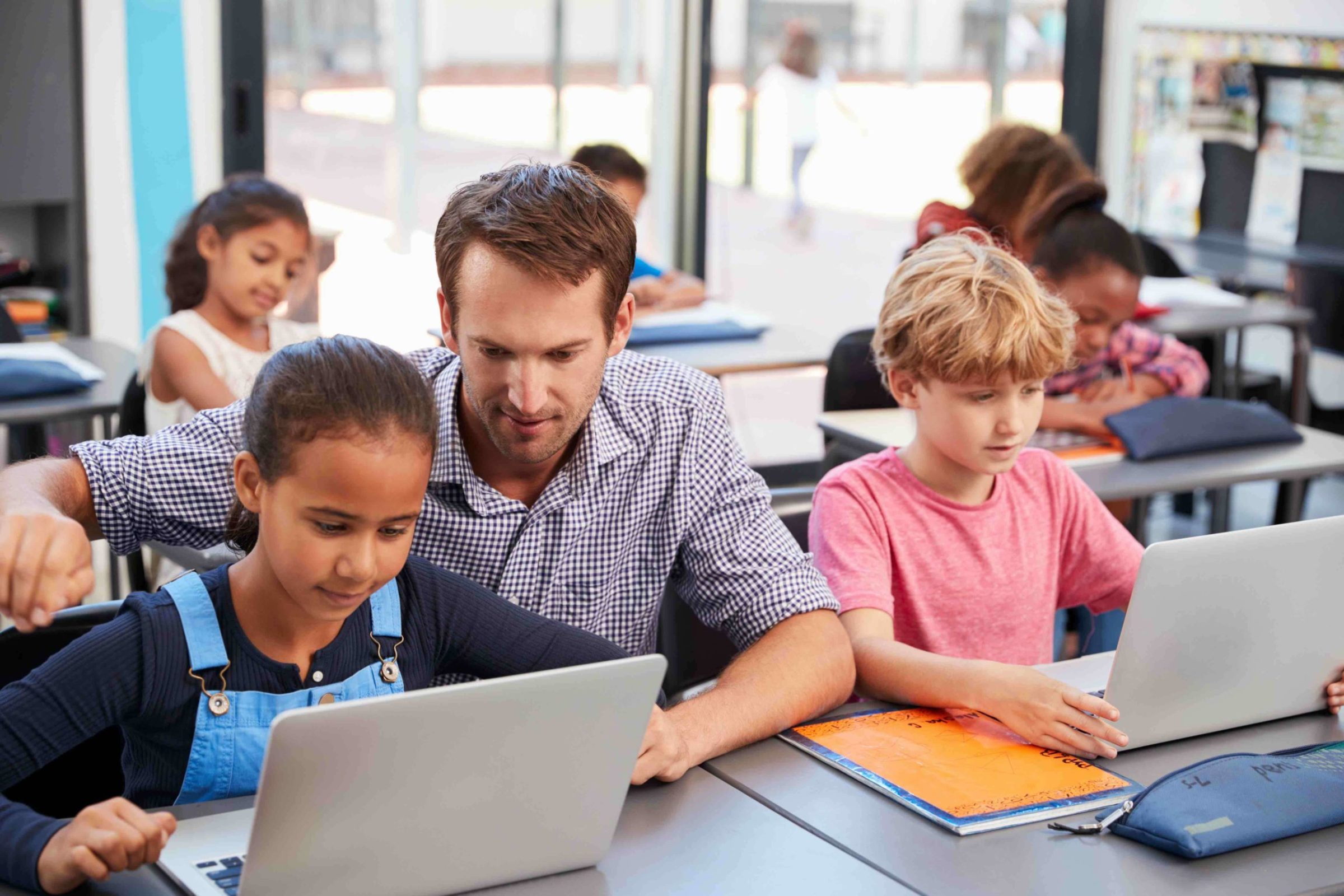
Key Highlights
- Dual Effects: The study shows that excessive social media use can detract from academic performance, while moderate use can foster collaborative learning.
- Academic Implications: Social media impacts the General Weighted Average (GWA) through its influence on concentration, study habits, and time management.
- Research Insights: The 2021 article by Francisco, Martinez, and Salazar explores these relationships in detail, offering valuable guidelines for students and educators.
Understanding the Study: Context and Rationale
Social media has evolved into a ubiquitous element of modern student life. While it provides a platform for knowledge sharing, communication, and remote learning, the increased time spent online can also lead to distractions that ultimately affect academic performance. The study, "The Impact of Social Media on Academic Performance of Students: A Study on Grade Weighted Average (GWA)" (2021), authored by R. A. Francisco, J. M. Martinez, and M. A. Salazar, provides a comprehensive insight into these dynamics.
Research Background and Rationale
In recent years, social media platforms have become central to the lives of students, offering benefits such as easier access to information, enhanced communication with peers, and opportunities for collaborative projects. However, these benefits come with challenges. Students may find themselves procrastinating, losing focus, or experiencing decreased motivation when they spend excessive time on these platforms. The need to balance the utilization of these resources for academic purposes with the risks of distraction prompted the authors to investigate its measurable impact on students’ General Weighted Average (GWA).
Study Objectives
The primary goal of the study was to ascertain how varying levels of social media usage influence students' GWA. Specifically, the authors aimed to:
- Analyze correlations between time spent on social media and academic performance.
- Determine whether a threshold exists where social media use transitions from beneficial to detrimental.
- Identify potential strategies that students and educators can adopt to answer these emerging challenges.
Detailed Findings and Discussion
The study presents nuanced views on the impact of social media on academic performance, revealing that its effect on students' GWA is not uniformly negative or positive but depends critically on usage patterns.
Positive Aspects of Social Media Use
When students use social media judiciously, it can serve as a powerful educational tool:
- Collaborative Learning: Social media platforms facilitate group interactions and collaborative learning opportunities, allowing students to share knowledge and gain insights from their peers and educators.
- Access to Educational Resources: Platforms provide readily available educational content, webinars, and forums that can supplement traditional instructional materials.
- Enhanced Communication: Social media helps bridge distance barriers, enabling prompt communication and support from educators and subject matter experts, especially in remote or hybrid learning environments.
Negative Implications of Excessive Use
Conversely, when social media is used excessively, it leads to several challenges:
- Distraction and Procrastination: Spending too much time on social media often results in disrupted study routines, leading to diminished focus and academic performance as students are pulled away from their educational responsibilities.
- Reduced Concentration: Continuous exposure to online stimuli reduces students' ability to concentrate for extended periods, directly affecting their GWA due to the interruption of deep learning sessions.
- Time-Management Challenges: Allocating excessive time for social media can lead to less time dedicated to coursework and preparation, ultimately affecting study habits and overall academic achievement.
Moderation as the Key
According to the findings of Francisco, Martinez, and Salazar (2021), moderation in social media usage is crucial. The research indicates that while moderate use can supplement educational goals, excessive use correlates strongly with decreased academic performance. This balance is essential for students to harness the benefits of social media without succumbing to its potential pitfalls.
Data Insights: Summary Table
| Aspect | Positive Impact | Negative Impact |
|---|---|---|
| Collaborative Learning | Facilitates group discussions, peer support, and resource sharing. | Can lead to excessive online chatting and off-topic discussions. |
| Access to Information | Enables easy access to academic resources and global information. | May result in information overload and difficulty in focusing on relevant materials. |
| Time Management | Supports well-planned study schedules when used effectively. | Excessive use contributes to procrastination and mismanagement of study time. |
| Motivation and Engagement | Encourages collaborative projects and academic discussions. | Potential demotivation due to distractions leading to lower GWA scores. |
Integrative Analysis from Multiple Perspectives
Multiple studies have underscored both the educational potential and risks associated with social media usage among students. Integrating the insights provided by various academic sources, including the comprehensive study from 2021, several common themes emerge:
Academic Performance and GWA
The General Weighted Average (GWA) serves as a quantitative measure of academic success, and its sensitivity to distractions makes it a valuable indicator in assessing the impact of social media behaviors. The 2021 research illustrates that:
- Danerative distraction effects lead to diminished academic performance when social media consumption becomes obsessive.
- Students who strategically limit their usage tend to benefit from the educational resources available online while still maintaining a higher GWA.
Broader Implications for Educational Policy
The findings from the study have implications that extend beyond individual academic success. They point to a need for:
- Digital Literacy Programs: Integrating digital literacy into curricula can help students navigate social media responsibly and prioritize their academic commitments.
- Guidelines for Healthy Social Media Use: Educational institutions are encouraged to develop policies that provide clear guidelines on optimal social media practices, aiming to maximize learning benefits while mitigating distractions.
- Support Mechanisms: Student counseling and mentoring programs can include modules on time management and the constructive use of social media platforms.
About the 2021 Study and Its Contribution
The study titled "The Impact of Social Media on Academic Performance of Students: A Study on Grade Weighted Average (GWA)" has contributed significant empirical evidence by establishing that:
- Excessive social media usage correlates with lower GWA due to distraction and procrastination.
- Balanced social media use, when channeled for educational collaboration and resource access, may enhance academic performance.
This article, authored by R. A. Francisco, J. M. Martinez, and M. A. Salazar and published in the International Journal of Education and Research (Volume 9, Issue 3, Pages 1-12, 2021), uses quantitative analysis to underscore the role of digital habits in academic outcomes. Its DOI is 10.24178/ijer.8555.09.03.2021, ensuring that the study is readily accessible for further academic inquiry.
References
- Impact of Social Media on Academic Learning - ERIC
- Social Media and Student Engagement - MDPI
-
Social Media, Mental Health, and Academic Performance - PMC
- The Impact of Social Media on Student Well-being - Medium
- Effect of Social Media on Academic Performance - IJRES
Recommended Related Queries
Last updated March 23, 2025