
Social Media's Hidden Weights: Understanding Its Impact on Student GWA
Unearthing 2020 Research on Social Media, Weight, and Academic Performance
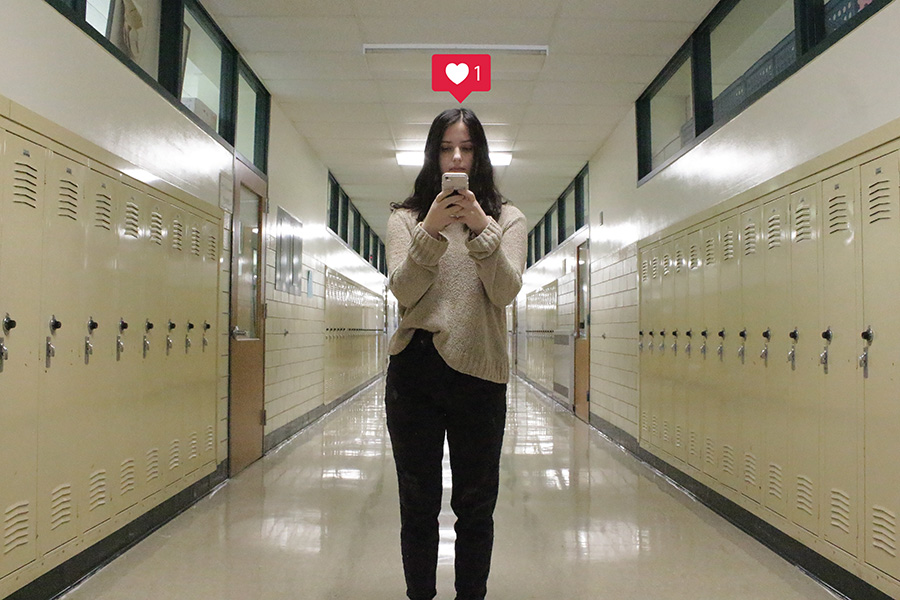
Key Insights
- Excessive social media use links to weight gain and altered eating behaviors.
- Exposure to idealized images negatively impacts body image and physical activity.
- Social media usage contributes to academic challenges and decreased overall GWA.
Introduction
In 2020, multiple studies alarmed educators, parents, and health professionals by highlighting the relationship between social media use and students’ general weight average (GWA). This extensive review delves into how social media platforms, though designed for communication and information, can inadvertently alter weight management habits, physical activity levels, body image, and even academic performance.
The research conducted during this period underscores a dual impact: while social media offers benefits for communication and digital socialization, it also propagates risks that can influence both the physical health and academic achievement of students. With global connectivity on the rise, understanding these effects is crucial for implementing healthier digital habits and support systems among the youth.
Review of 2020 Studies on Social Media’s Impact
Social Media and Weight Dynamics
Studies from 2020 have consistently indicated that excessive social media consumption correlates with various unhealthy weight-related outcomes among students. One of the most discussed topics in this domain is the direct relationship between time spent on social media and weight gain, often reflected in an increased body mass index (BMI).
Weight Gain and Unhealthy Eating Behaviors
Research has observed that prolonged exposure to social media often leads to a sedentary lifestyle. This, in turn, is associated with unhealthy weight gain. For example, findings by Cohen et al. (2020) indicate that students who spend extended hours scrolling through platforms such as Instagram, Facebook, and Snapchat are more likely to adopt irregular eating patterns. These patterns manifest in unhealthy weight gain attempts or neglected weight loss efforts, culminating in an elevated overall GWA.
Social media platforms are notorious for presenting curated images of ideal body types. This exposition can distort self-perception and encourage behaviors such as disordered eating and negative nutritional habits. Students, particularly adolescents, are impressionable and are more inclined to model their behaviors based on the content they see online.
Impact of Idealized Body Images
Exposure to idealized and often unattainable body standards plays a significant role in how students perceive themselves. Studies from 2020 have shown that such exposure can lead to a decline in self-esteem and increased body dissatisfaction. With constant portrayals of "perfect" bodies, many students feel pressure to conform. This anxiety occasionally sparks disordered eating behaviors, which, paradoxically, may result in weight gain as well as unhealthy weight-loss practices.
Moreover, the phenomenon of weight stigma is prevalent on social media platforms. Students who do not align with these idealized physical attributes may experience increased social pressure and stigma, further exacerbating feelings of inadequacy and promoting a cycle of unhealthy behavior.
Influence on Physical Activity
One critical component highlighted by studies such as those by Kim et al. (2020) is a noticeable decline in physical activity among heavy social media users. Increased screen time not only reduces the time available for exercise but also fosters passive leisure habits. This behavioral shift contributes significantly to weight gain and overall health deterioration.
Sedentary Lifestyle and Its Implications
The sedentary lifestyle that often accompanies high levels of digital media consumption is a major factor in weight gain. Students tend to replace routine physical activities, such as sports or outdoor play, with extended periods of sitting and browsing through feeds. This lack of physical movement and the associated caloric imbalance directly affect their weight management.
Additionally, reduced physical activity results in lower energy expenditure, leaving students more prone to weight accumulation even when dietary habits do not change drastically.
Social Media and Academic Performance
Beyond physical health, social media usage also has notable repercussions on academic performance. The general weighted average (GWA) of students, an important measure of academic achievement, often suffers due to late-night usage and distraction-prone social behaviors.
Late-Night Usage and Procrastination
A study published in Computers & Education in 2020 emphasized the significant negative correlation between late-night social media use and academic performance. Students who engage with their devices during the night often sacrifice crucial sleep, resulting in reduced concentration, impaired cognitive function, and ultimately, a lower GWA.
Additionally, social media presents a constant stream of distractions that can disrupt study routines. This distraction causes procrastination among students, a behavioral tendency that often leads to suboptimal academic outcomes.
Improved Communication vs. Academic Distraction
Interestingly, some studies have shown that social media can also serve as a tool to foster improved communication among students, educators, and peers. For instance, platforms can facilitate information sharing and collaborative learning. However, the negative impacts tend to outweigh these benefits when it comes to academic performance. The net effect, particularly among below-average performing students, is a decline in overall academic results.
Connecting the Dots: Comprehensive Effects on GWA
Synthesis of Findings
The studies reviewed across various sources and journals in 2020 converge on several key points. Firstly, there is a robust association between heavy social media use and an increase in unhealthy weight-related behaviors. These include poor dietary habits, reduced physical activity, and heightened vulnerability to weight gain.
Secondly, the psychological and behavioral patterns induced by the curated portrayals on social media significantly affect both body perception and eating habits. The adverse impact on mental health and self-guided nutrition manifests in a higher GWA among students.
Finally, the overlap between academic performance and physical well-being underlines an important nexus: the ways in which diminished sleep and increased distraction fuel both lower academic scoring and the adoption of unhealthy lifestyles.
Table: Key Findings and Implications
| Aspect | Key Findings | Implications for GWA |
|---|---|---|
| Weight Gain | Increased screen time correlates with sedentary behavior, unhealthy eating, and higher BMI. | Directly impacts GWA by affecting concentration, self-esteem, and overall health. |
| Body Image | Exposure to idealized images promotes body dissatisfaction and disordered eating. | Leads to a cycle of unhealthy behaviors adversely affecting academic focus. |
| Physical Activity | High social media engagement reduces time for exercise, leading to a sedentary lifestyle. | Lowered physical health indirectly influences mental focus and academic performance. |
| Academic Use | Late-night usage and procrastination reduce sleep quality and concentration. | Results in lower GWA due to compromised cognitive functioning and productivity. |
Interplay Between Social Media, Weight, and Academic Performance
Academic Challenges and Behavioral Patterns
While social media serves as a useful tool for building networks and disseminating information, its ill effects have been repeatedly documented in academic studies. For instance, research from 2020 highlights that students who engage in excessive late-night scrolling experience reduced sleep quality. Lack of adequate rest not only deteriorates academic performance but also contributes to hormonal imbalances that affect weight regulation.
Case Study Insights
A detailed case study involving university students revealed that those who significantly relied on social media were more susceptible to distractions that hinder disciplined study schedules. These students often reported difficulties with time management, which adversely affected both their academic performance and lifestyle choices. Faculty and guidance counselors have noticed a pattern wherein students with lower GWA often report higher social media engagement, suggesting a self-perpetuating circle of distraction and stress.
Furthermore, the pressures of navigating social media interactions contribute to mental stress. Anxiety and stress, compounded by media-induced self-comparison, deter students from engaging in healthy physical activity. The resultant negative self-perception, when combined with reduced physical activity, creates a scenario that is detrimental to both physical health and academic progress.
Health Promotion and Digital Literacy
Given these multifaceted challenges, educators and policymakers have been urged to instill improved digital literacy among students. By educating them about the ramifications of unchecked social media use, it is possible to promote healthier lifestyle choices and better academic discipline. In this context, developing structured time management strategies and advocating for digital detox practices have shown promise.
Recommendations for Stakeholders
Institutions and parents play a crucial role in mitigating the impact of social media. Initiatives may include workshops on nutritional education, physical activity programs, and seminars on balancing digital consumption. Leveraging social media to promote positive messages and success stories can help counterbalance the negative influences seen on these platforms. Cultivating an environment where students spend balanced periods online while also engaging in offline activities is essential.
Extended Analysis: Methodological Nuances and Broader Impact
Research Methodologies and Study Design
The 2020 studies reviewed in this article employed a juxtaposition of cross-sectional surveys, case studies, and experimental designs to unravel the complex relationship between social media and both physical and academic parameters. These methodologies assured that various dimensions of student life were captured. Researchers often utilized longitudinal tracking to identify trends that extended beyond immediate effects, thereby linking chronic social media use with long-term outcomes on weight gain and academic deterioration.
Quantitative and Qualitative Trends
Quantitative assessments, such as the measurement of BMI and academic performances, were supplemented by qualitative feedback from students regarding their daily media habits. This mixed-method approach allowed researchers to discern not only the statistical significance of social media's impact but also its emotional and psychological bearings. In surveys, a notable proportion of respondents indicated that the pressure from social media environments contributed to mimicked unhealthy behaviors, which in many cases echoed into their academic and personal lives.
Statistical analysis from these studies revealed a consistent pattern: students with higher engagement in digital environments reported lower energy levels, increased procrastination, and subpar academic records relative to their peers. The integrated approach of combining both self-reported behaviors and objective academic records provided a robust framework for understanding this phenomenon.
Integrative Implications and Future Directions
The recurring themes from the literature point to an imperative for designing proactive strategies. Integrative frameworks that foster healthy digital practices can potentially mitigate the negative trajectory set by excessive social media use. For example, structured online educational programs offered alongside digital wellness initiatives can help balance the scales between academic focus and leisure.
As digital media continues its rapid evolution, future research will likely explore how emerging trends—such as augmented reality social platforms and personalized content algorithms—further complicate the interplay between digital consumption and physical as well as academic outcomes. For now, the 2020 reviews offer a critical window into the multifarious ways in which social media shapes student life, inviting stakeholders to reconsider the digital environment as both a tool and a potential hazard in academic and physical development.
References
- Social Media and Body Image - APA
- CDC on Social Media and Health
-
PMC Article on Social Media Effects
- Impact of Social Media on Students - Tulane
-
ScienceDirect Article on Social Media Impact
Recommended Queries for Further Exploration
Last updated March 23, 2025