
Unlock Your Software Company's Growth: Your 30-Day Off-Page SEO Action Plan
A daily roadmap to boost visibility and authority for key software development keywords.
Off-page Search Engine Optimization (SEO) encompasses all the activities you perform *away* from your website to raise its ranking in search engine results pages (SERPs). For a software development company targeting competitive keywords, a consistent and strategic off-page effort is crucial for building authority, increasing visibility, and driving qualified organic traffic. This plan outlines a daily schedule for the next month, focusing on actions designed to enhance your online presence for keywords like "software development company," "custom software development services," "game development company," and more.
Essential Off-Page SEO Highlights
- Build Authority Through High-Quality Backlinks: Focus on earning links from relevant and reputable websites in the tech, software, and business sectors through guest blogging, outreach, and directory submissions.
- Amplify Reach with Content Promotion & Social Engagement: Consistently create valuable content (blog posts, infographics, case studies) and actively promote it across social media, industry forums, and relevant communities.
- Enhance Brand Visibility & Trust: Generate positive brand mentions, secure press coverage, engage with influencers, and manage your online reputation, particularly optimizing local presence for regional keywords like "in USA".
Understanding the Pillars of Off-Page SEO
Visualizing Your Strategy
Off-page SEO isn't just one activity; it's a combination of various strategies working together to signal to search engines that your website is credible, authoritative, and relevant. This mindmap illustrates the key areas we'll focus on in the 30-day plan:
Software Development Co."] ["Link Building"] ["Guest Blogging"] ["Directory Submissions"] ["Resource Page Links"] ["Broken Link Building"] ["Outreach & Collaboration"] ["Content Promotion"] ["Social Media Sharing"] ["Infographic Distribution"] ["Video Marketing (YouTube)"] ["Case Study Promotion"] ["Brand Building"] ["Press Releases (PR)"] ["Brand Mention Monitoring"] ["Influencer Outreach"] ["Online Reputation Management"] ["Community Engagement"] ["Forum Participation (Reddit, Quora)"] ["LinkedIn Group Activity"] ["Blog Commenting (Relevant)"] ["Local SEO (USA Focus)"] ["Google My Business Optimization"] ["Local Directory Listings"] ["Geo-targeted Content Promotion"] ["Analytics & Refinement"] ["Backlink Profile Audit"] ["Competitor Analysis"] ["Performance Tracking (GA, GSC)"]
Each branch represents a crucial component of a robust off-page strategy. Our 30-day calendar will systematically incorporate activities from these areas.
Your 30-Day Off-Page SEO Calendar
Daily Actions for Targeted Growth
This calendar provides a structured approach to implementing off-page SEO activities daily. Remember to adapt based on opportunities and results.
Week 1: Foundation & Outreach
- Day 1: Research & identify 10 high-authority tech blogs/websites for potential guest posts targeting "software development company" or "custom software development services". Begin outreach.
- Day 2: Identify 5 relevant, high-quality directories (tech, software, B2B) for submission. Prepare your company profile information. Focus: "software development company".
- Day 3: Submit your website to 2-3 identified directories. Draft a guest post pitch focused on "innovations in game development".
- Day 4: Actively engage on LinkedIn: Share an insightful article related to "python development company" trends and comment on 3 relevant posts.
- Day 5: Find a relevant question on Quora or a discussion on Reddit related to "mobile app development services" and provide a valuable, non-promotional answer (link back only if genuinely helpful and allowed).
- Day 6: Monitor brand mentions using tools like Google Alerts or Semrush. Respond or engage where appropriate.
- Day 7: Plan content for the week: Outline a blog post or infographic related to "AI development company" use cases.
Week 2: Content Promotion & Engagement
- Day 8: Publish and promote your new content piece (from Day 7) across all social media channels (LinkedIn, Twitter, Facebook). Use relevant hashtags like #AI #SoftwareDevelopment.
- Day 9: Secure and write a guest post for one of the sites identified in Week 1, naturally incorporating a link to your "custom software development services" page.
- Day 10: Create a simple infographic highlighting key stats or benefits related to "web development services". Share on Pinterest and LinkedIn.
- Day 11: Follow up on guest post outreach from Week 1. Identify 3 more potential guest post opportunities targeting "Unity 3D game development".
- Day 12: Participate in a relevant LinkedIn Group discussion related to "iOS app development company USA" challenges or solutions.
- Day 13: Research potential influencers or thought leaders in the "custom software development company in USA" space. Engage with their content authentically.
- Day 14: Check initial backlink acquisition using Ahrefs or Semrush. Analyze competitor backlink profiles for "game development company".
Week 3: Authority Building & Local Focus
- Day 15: Optimize your Google My Business (GMB) profile. Ensure services, description, and location details are accurate, targeting "custom software development company in USA". Request reviews from recent clients.
- Day 16: Submit your site to 2-3 more relevant directories, potentially including local US-based directories. Focus: "iOS app development company USA".
- Day 17: Draft and distribute a press release if you have company news (new service, major project, partnership). Target tech news outlets. Focus: "software development company".
- Day 18: Write and publish another guest post (or confirm placement), focusing on "python development company" expertise.
- Day 19: Share a client success story or case study snippet on social media, linking to the full story on your site. Focus: "mobile app development services".
- Day 20: Engage in forum discussions (e.g., Stack Overflow communities, specific tech forums) related to "web development services" or "Unity 3D game development", building authority.
- Day 21: Identify broken links on relevant resource pages (using tools like Ahrefs) and reach out suggesting your content as a replacement. Target: "AI development company".
Week 4: Diversification & Analysis
- Day 22: Create and share a short video (e.g., YouTube Short, LinkedIn Video) explaining a complex concept simply, related to "custom software development services".
- Day 23: Reach out to influencers identified in Week 2 for potential collaboration (e.g., joint webinar, quote for an article). Focus: "game development company".
- Day 24: Find opportunities to get listed on resource pages or "best of" lists related to "software development company".
- Day 25: Analyze website traffic data in Google Analytics. Identify which off-page activities correlated with referral traffic spikes.
- Day 26: Share third-party industry news relevant to your target audience (e.g., AI advancements, mobile trends) on social media, adding your expert commentary.
- Day 27: Refine GMB listing based on performance and competitor analysis for "custom software development company in USA".
- Day 28: Review your overall backlink profile growth and quality. Disavow any toxic links if necessary (use with caution).
- Day 29: Plan next month's off-page strategy based on this month's results and analytics. Identify successful tactics and areas for improvement.
- Day 30: Compile a brief report on the month's activities, key metrics (links gained, referral traffic changes, ranking improvements), and learnings.
Visualizing Monthly Off-Page Effort
Relative Focus Across Key Activities
While all areas are important, the emphasis might shift week by week. This chart provides a conceptual overview of the relative effort allocated to different off-page SEO pillars throughout the month. The scale represents perceived effort/focus (1=Low, 10=High).
This visualization helps understand that while all activities are ongoing, the primary focus might shift, for example, starting heavily with outreach (Link Building) and later focusing more on local signals or PR.
Key Off-Page Activities & Goals
Summary Table
This table summarizes the core off-page SEO activities included in the plan, their descriptions, primary goals, and examples of relevant keywords they support.
| Activity Type | Description | Primary Goal | Example Relevant Keywords |
|---|---|---|---|
| Guest Blogging | Writing and publishing articles on other relevant websites. | Earn high-quality backlinks, reach new audiences, build authority. | software development company, python development company, game development company |
| Directory Submissions | Listing your website in reputable online directories (general, niche, local). | Build foundational links, increase visibility, improve local signals. | custom software development company in USA, iOS app development company USA |
| Social Media Promotion | Sharing your content and engaging with users on platforms like LinkedIn, Twitter, etc. | Increase content visibility, drive traffic, encourage shares/links, build brand presence. | mobile app development services, AI development company |
| Forum & Community Engagement | Participating in relevant discussions on platforms like Quora, Reddit, industry forums. | Build authority, drive referral traffic, gain brand visibility (potential for natural links). | web development services, Unity 3D game development |
| Influencer Outreach | Connecting and collaborating with key individuals in your industry. | Amplify reach, gain credibility, potentially earn backlinks or mentions. | game development company, AI development company |
| Press Release (PR) Distribution | Sharing newsworthy company updates via PR channels. | Gain brand mentions, potential backlinks from news outlets, build credibility. | software development company, custom software development services |
| Content Marketing (Off-Page Aspect) | Creating valuable assets (infographics, videos, case studies) designed to be shared and linked to. | Attract natural backlinks, provide value, support other off-page activities. | All keywords |
| Local SEO (GMB/Citations) | Optimizing Google My Business and ensuring consistent NAP (Name, Address, Phone) in local directories. | Improve visibility in local search results, build trust for regional searches. | custom software development company in USA, iOS app development company USA |
Visualizing SEO Strategy Concepts
Insights from Industry Leaders
Understanding the underlying principles of SEO strategies, like link building and identifying unique market opportunities, is crucial for long-term success. These visuals from Moz offer insights into core concepts often discussed in the SEO community:
The Rules of Link Building
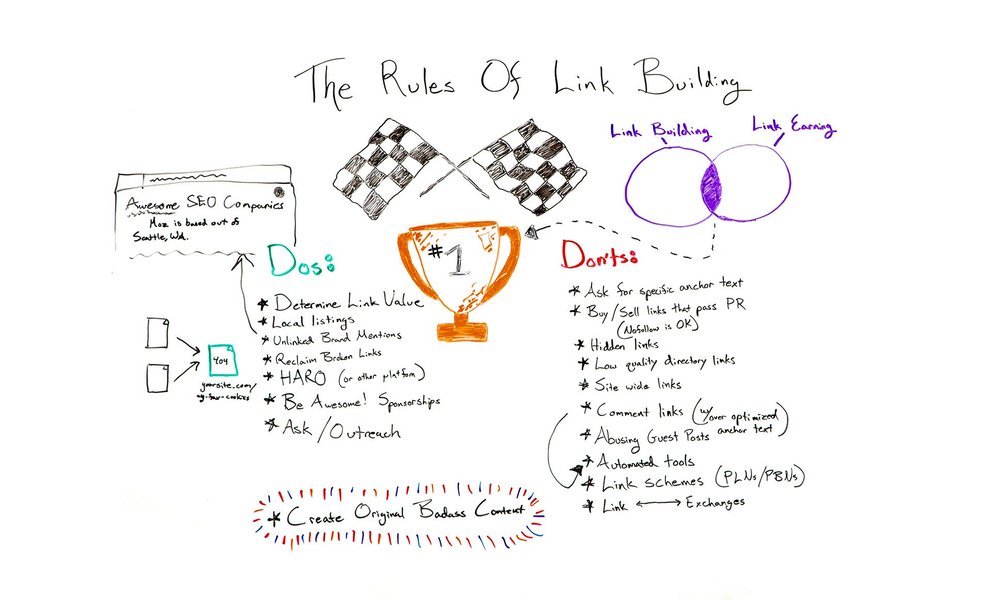
This concept emphasizes the importance of earning high-quality, relevant links rather than just accumulating quantity. Focus on providing value and building relationships.
Blue Ocean SEO Strategy
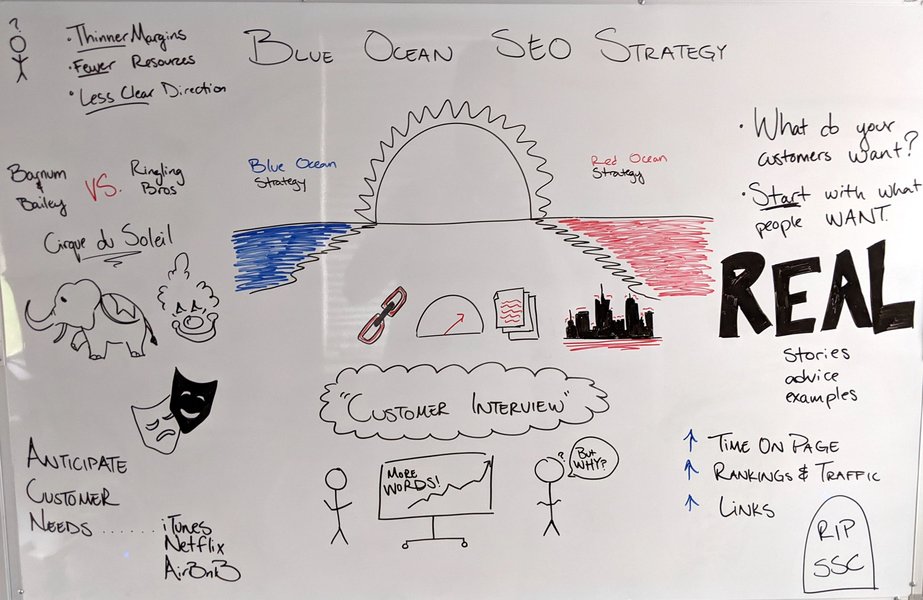
This refers to finding uncontested market space (less competitive keywords or topics) where you can establish authority more easily before tackling highly competitive terms.
Applying these principles means focusing your guest posting on truly relevant sites and perhaps identifying niche areas within "AI development" or "Unity 3D game development" where competition is lower initially.
Planning for the Longer Term
Building a Sustainable SEO Strategy
While this 30-day plan provides a focused start, effective SEO is an ongoing process. Understanding how to build a sustainable, long-term strategy is key. This video offers insights into creating a more extended SEO plan:
This resource discusses building a 90-day plan, touching upon aspects like keyword research, content creation, on-page optimization, and link building – reinforcing that off-page SEO is one critical component of a larger, integrated strategy. Consistent effort over months, not just days, yields the best results.
Essential Tools for Off-Page SEO
Tracking Progress and Finding Opportunities
Executing and monitoring your off-page SEO plan requires the right tools:
- SEO Platforms (Ahrefs, Semrush, Moz Pro): Essential for backlink analysis, competitor research, rank tracking, keyword research, and identifying link building opportunities (like broken links).
- Google Analytics: Crucial for monitoring referral traffic from your off-page efforts, understanding user behavior, and measuring overall impact on website goals.
- Google Search Console: Provides insights into how Google sees your site, including manual actions, linking domains (though less comprehensive than paid tools), and search performance.
- Google Alerts / Brand Monitoring Tools (e.g., Mention, Brand24): To track mentions of your brand name across the web, allowing you to engage or potentially convert mentions into links.
- Outreach Tools (e.g., Hunter, Mailshake, BuzzStream): To manage email outreach campaigns for guest blogging, link building, and PR efforts.
- Social Media Management Tools (e.g., Buffer, Hootsuite): To schedule posts, monitor engagement, and analyze social media performance.
Frequently Asked Questions (FAQ)
What exactly is Off-Page SEO?
Off-page SEO refers to all actions taken outside of your own website to impact your rankings within search engine results pages (SERPs). It primarily involves building your website's reputation, authority, and relevance through methods like link building, social media marketing, brand mentions, and content promotion on external platforms. It signals to search engines that others vouch for your content and expertise.
Why are backlinks so important for a software company?
Backlinks (links from other websites to yours) are a primary ranking factor for search engines like Google. For a software company, high-quality backlinks from relevant tech blogs, industry news sites, or partner websites act as 'votes of confidence'. They signal that your company is a credible and authoritative source for topics like "custom software development," "AI development," or "game development," thus boosting your ranking potential for those keywords.
How long will it take to see results from this 30-day plan?
SEO, especially off-page SEO, is a long-term strategy. While consistent activity over 30 days builds a foundation and may show some early indicators (e.g., increased referral traffic, some new backlinks indexed), significant ranking improvements typically take several months (3-6+ months) of sustained effort. Factors like competition level, the quality of activities performed, and Google's algorithm updates influence the timeline.
Should I focus equally on all the listed keywords?
Not necessarily. Prioritize based on your business goals, keyword search volume, and competition. "Custom software development company in USA" is more specific (and likely higher intent) than "software development company." You might focus initial efforts on less competitive long-tail keywords (like "Unity 3D game development services") while building authority to target broader terms later. Analyze which keywords drive the most valuable leads for your business.
References
- Off-Page SEO: The Complete Guide for 2025 - Backlinko
- What Is Off-Page SEO? How to Do It & Techniques to Try - Semrush
- What Is off-Page SEO? 15 off-Page SEO Tips to Boost Rankings - OptinMonster
- SEO Maintenance: A Checklist For Essential Year-Round Tasks - Search Engine Journal
- SEO for Software Companies: Best Practices & Strategies - Delante
- 6 off-page SEO strategies for small businesses worth implementing - Keap
Recommended Next Steps
Last updated April 10, 2025