
Unlock Your USA Market Potential: A Daily Off-Page SEO Blueprint for Software Developers (Excluding Paid Tactics)
Your practical, one-month guide to boosting visibility for software, game, mobile, and AI development services without prohibited tactics.
Building a strong online presence in the competitive USA software development market requires more than just optimizing your website (on-page SEO). Off-page SEO involves activities performed *outside* your website to build its authority, credibility, and relevance in the eyes of search engines like Google. This helps potential clients find your services when searching for keywords like "custom software development services," "game development company," or "python development company."
This guide provides a structured, one-month calendar of daily off-page SEO activities tailored for your specific keywords and target market. Importantly, this plan adheres to your request by excluding webinars, paid guest posting, influencer outreach, and traditional press releases, focusing instead on sustainable, organic strategies.
Key Highlights for Effective Off-Page SEO
- Consistent Engagement is Crucial: Daily, focused actions across various platforms signal ongoing activity and relevance to search engines.
- Value-Driven Contributions Build Authority: Sharing expertise on forums, creating high-quality content, and earning genuine mentions establish trust and credibility.
- Diversified Tactics Strengthen Your Profile: Relying on a mix of strategies (social media, content promotion, local SEO, reputation management, link earning) creates a more robust and natural online footprint.
Core Off-Page SEO Strategies (Compliant & Effective)
To improve your rankings for keywords like "mobile app development services," "unity 3d game development," and "ai development company," we'll focus on the following ethical and effective off-page activities:
1. Consistent Social Media Engagement
Building Your Social Fortress
Regular activity on relevant social media platforms is fundamental. This isn't just about broadcasting; it's about building a community and engaging in conversations.
- Daily Sharing: Post updates, industry news, insights related to your services (e.g., Python development trends, iOS app best practices). Use relevant hashtags (#SoftwareDev, #GameDev, #AI, #MobileApps, #WebDevelopment).
- Active Participation: Join LinkedIn groups, Twitter chats, and relevant Facebook groups. Comment thoughtfully on others' posts, answer questions, and share valuable resources.
- Profile Optimization: Ensure all your social media profiles (LinkedIn, Twitter, Facebook, etc.) have consistent branding, contact information (NAP - Name, Address, Phone), and links back to your website.
2. Strategic Content Promotion
Amplifying Your Expertise
Create valuable content on your blog (e.g., case studies, guides on custom software development, insights into Unity 3D) and then promote it externally.
- Platform Sharing: Distribute your blog posts, articles, infographics, or case studies on platforms like Medium, LinkedIn Pulse, and relevant social channels.
- Content Repurposing: Turn a detailed blog post into an infographic, a short video clip, or a SlideShare presentation to reach different audiences and gain visibility on various platforms.
- Document Sharing: Share whitepapers, eBooks, or detailed guides on platforms like SlideShare, focusing on your core service areas like "web development services" or "AI development company."
3. Community & Forum Participation
Showcasing Thought Leadership
Engage authentically in online communities where your potential clients or peers gather.
- Q&A Sites: Answer questions thoughtfully on platforms like Quora and relevant Stack Overflow sections related to software development, programming languages (Python), or specific frameworks (Unity 3D). Include a link back to a relevant resource on your site *only* when it adds significant value.
- Niche Forums & Subreddits: Participate in discussions on specialized forums or Reddit communities focused on game development, mobile app creation, or AI. Build reputation by being helpful, not overtly promotional.
4. Local SEO & Citation Building
Dominating Your Geographic Market
For keywords like "custom software development company in USA" and "ios app development company usa," local signals are vital.
- Google Business Profile (GBP): Regularly update your GBP with posts, photos, and service updates. Ensure all information is accurate and complete. Encourage reviews.
- Directory Listings: Submit your business to reputable online directories (both general like Yelp and industry-specific like Clutch, GoodFirms). Crucially, ensure your NAP (Name, Address, Phone Number) is identical across all listings. Consistency is key.
- Local Partnerships: Explore collaborations with complementary local businesses or community organizations that might result in mentions or links.
5. Reputation Management
Building Trust and Credibility
What others say about you online significantly impacts your reputation and SEO.
- Encourage Reviews: Politely ask satisfied clients to leave reviews on your Google Business Profile, Clutch, GoodFirms, or other relevant platforms.
- Monitor & Respond: Regularly check review sites and social media for mentions of your brand. Respond professionally and promptly to all reviews, both positive and negative. Addressing concerns shows you care and builds trust.
- Brand Mention Monitoring: Use tools or simple Google searches to find mentions of your company name online. Engage with positive mentions and address any inaccuracies or negative sentiment constructively.
6. Organic Link Earning & Outreach (White-Hat Only)
Acquiring Valuable Backlinks Naturally
Backlinks (links from other websites to yours) are a major ranking factor. We focus on earning them organically.
- Resource Creation: Develop high-quality, link-worthy content such as ultimate guides, original research, or valuable tools related to your expertise (e.g., "The Ultimate Guide to Choosing Custom Software Development Services").
- Broken Link Building: Find relevant websites in your niche with broken external links. Reach out to the site owner, inform them of the broken link, and suggest your relevant content as a replacement.
- Unlinked Brand Mentions: Find where your brand is mentioned online without a link. Contact the site owner and politely request they add a link back to your website.
- Guest Blogging (Free): Identify reputable industry blogs that accept high-quality guest contributions *without* payment. Pitch relevant article ideas showcasing your expertise (e.g., advancements in AI development).
- Image/Video Sharing: Share compelling visuals (infographics, project screenshots, short demo videos) on platforms like Pinterest, Flickr, YouTube, or Vimeo, ensuring they link back to your site where appropriate.
Visualizing Your Off-Page SEO Focus
This radar chart illustrates the relative importance and focus intensity across different off-page SEO activity categories for various segments of your software development services. A higher score indicates a greater emphasis for that specific service area. Understanding this balance helps tailor your daily efforts effectively.
Mapping Your Off-Page SEO Ecosystem
This mindmap illustrates how different off-page SEO activities interconnect to achieve your primary goals: building authority, establishing relevance, driving targeted traffic, and managing your online reputation within the USA software development market. Each branch represents a core objective, supported by specific tactics relevant to keywords like "custom software development services" and "game development company."
(Software Dev USA)"] ["Authority Building"] ["Organic Link Earning"] ["Resource Creation"] ["Broken Link Building"] ["Unlinked Mentions"] ["Guest Blogging (Free)"] ["Brand Mentions"] ["Citations (NAP Consistency)"] ["Local Directories"] ["Industry Directories (Clutch, GoodFirms)"] ["Relevance Signals"] ["Content Promotion"] ["Social Media Sharing"] ["Content Syndication (Medium, etc.)"] ["Visual Sharing (Infographics, Slides)"] ["Forum & Community Engagement"] ["Q&A Sites (Quora, Stack Overflow)"] ["Niche Forums/Groups"] ["Social Signals"] ["Likes, Shares, Comments"] ["Profile Engagement"] ["Traffic Generation"] ["Directory Referrals"] ["Social Media Referrals"] ["Q&A Site Referrals"] ["Earned Link Referrals"] ["Reputation Management"] ["Review Acquisition"] ["Review Monitoring & Response"] ["Social Listening"] ["Brand Mention Engagement"]
Your One-Month Off-Page SEO Calendar (Weekly Focus)
While some activities like social media monitoring and engagement should ideally happen daily, this calendar provides a structured weekly focus to ensure all key areas are consistently addressed over the month. Remember to tailor content and engagement around your target keywords.
| Week | Primary Focus | Key Activities (Perform Consistently/Daily Where Applicable) | Example Keyword Integration |
|---|---|---|---|
| Week 1 (Days 1-7) |
Foundation & Social Engagement |
|
Use hashtags like #SoftwareDevelopment, #PythonDevelopment on posts. Share insights relevant to "custom software development services". |
| Week 2 (Days 8-14) |
Content Promotion & Community Building |
|
Share a case study highlighting a successful "mobile app development service". Answer a Quora question about "unity 3d game development". |
| Week 3 (Days 15-21) |
Local SEO & Link Prospecting |
|
Ensure directory listings accurately reflect "custom software development company in usa". Look for link opportunities on sites discussing "web development services". |
| Week 4 (Days 22-30) |
Reputation Management & Content Refresh |
|
Respond to a review mentioning your "ios app development company usa" services. Refresh a blog post about "AI development company" trends. |
Visualizing Off-Page SEO Concepts
Off-page SEO strategies often involve building relationships and demonstrating value across the web. Images like the one below, often used in strategic discussions (in this case, illustrating a 'Blue Ocean Strategy' concept from Moz, a leader in SEO resources), can help visualize the process of finding unique opportunities and establishing authority in a competitive landscape, similar to how you aim to position your software development services in the US market.
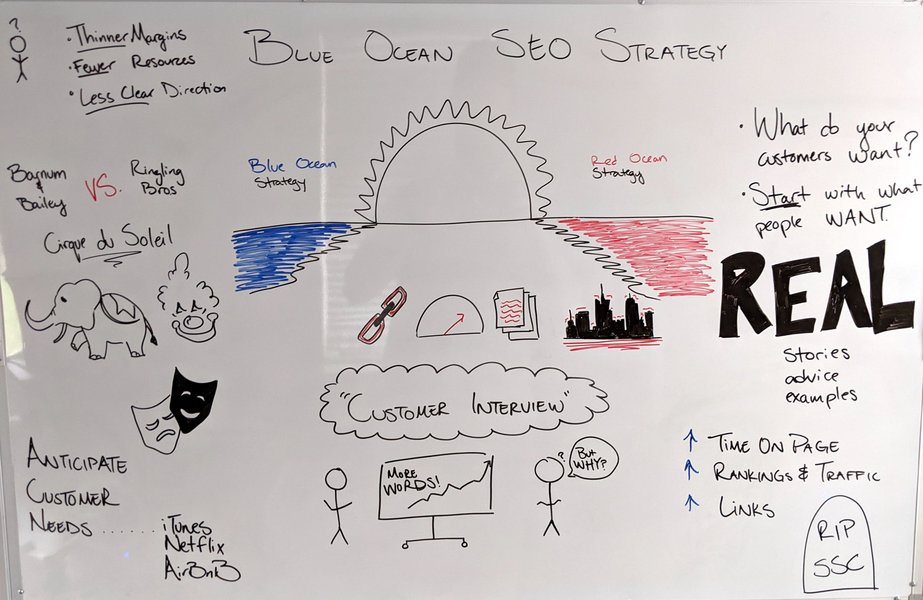
Conceptualizing SEO strategy helps in identifying unique positioning opportunities.
Deep Dive: Effective Off-Page Strategies Explained
Understanding the nuances of off-page SEO can significantly impact your success. Many factors contribute to how search engines perceive your website's authority and trustworthiness beyond just backlinks. The following video provides practical insights into various off-page strategies that genuinely work, touching upon aspects like building quality signals and managing your online reputation – key elements of the plan outlined above.
This video reinforces the importance of a diversified approach, focusing on activities that build genuine authority and user trust, which aligns perfectly with our goal of improving visibility for your software development keywords without relying on paid placements or prohibited tactics.
Frequently Asked Questions (FAQ)
What exactly is Off-Page SEO again?
Off-page SEO refers to all the actions taken *outside* of your own website to impact your rankings within search engine results pages (SERPs). It's largely about building your website's reputation, authority, and relevance. Key activities include earning backlinks from reputable sources, social media marketing, brand building, citation management, and reputation management (like online reviews).
Why is daily consistency so important?
Search engines favor websites that show consistent activity and engagement. Regular social media updates, content promotion, and community interaction signal that your brand is active, relevant, and engaged with its audience. Sporadic efforts are less likely to build sustained momentum or authority. Consistency helps build trust with both users and search engines over time.
How should I approach forum participation without being spammy?
Focus on genuinely helping others and adding value to the conversation. Answer questions thoroughly based on your expertise in areas like "python development" or "mobile app security." Only include a link back to your site if it provides substantial, directly relevant additional information that supports your answer. Avoid generic promotional links. Build a reputation as a helpful expert first; traffic and authority will follow.
How important is local SEO for a software company targeting the whole USA?
Even if you serve clients nationwide, local signals build trust and credibility. Optimizing your Google Business Profile and ensuring consistent NAP (Name, Address, Phone) citations across directories validates your business's existence and legitimacy to Google. For searches including location modifiers (like "custom software development company in usa"), these local factors become even more critical.
How long will it take to see results from these activities?
Off-page SEO is a long-term strategy. While you might see some initial engagement increases within the first month, significant ranking improvements typically take several months (3-6+) of consistent effort. Factors like the competitiveness of your keywords (e.g., "software development company" is highly competitive) and the quality of your execution play a large role. Focus on steady, quality activities rather than expecting overnight success.
References
- Off-Page SEO: The Complete Guide for 2025 - Backlinko
- What Is Off-Page SEO? How to Do It & Techniques to Try - Semrush
- Off-Page SEO Checklist: Our Top 8 Tips - Semrush
- Off-Page SEO: The Definitive Guide to Drive More Traffic - OptinMonster
- SEO Starter Guide: The Basics - Google Search Central
- Everything You Need to Know About Off-Page SEO - Neil Patel
Recommended Further Exploration
Last updated April 10, 2025