
Unlock Conversions: Your Blueprint for Generating High-Impact Landing Pages
Transform visitors into customers with a focused, persuasive, and visually engaging landing page built for results.
Generating an effective landing page isn't just about putting content on a web page; it's a strategic process aimed at achieving a single, specific conversion goal. Unlike a website's homepage, which serves multiple purposes and encourages exploration, a landing page is laser-focused. It guides visitors towards a desired action—be it signing up for a newsletter, downloading an ebook, registering for a webinar, or purchasing a product—by minimizing distractions and maximizing persuasion.
Key Highlights for High Conversion
- Singular Focus: Every element on your landing page should support one specific conversion goal, eliminating distractions like site navigation.
- Compelling Value Proposition: Clearly articulate the primary benefit your offer provides, addressing the visitor's needs or pain points immediately.
- Data-Driven Optimization: Continuously test and refine elements like headlines, calls-to-action, and visuals using A/B testing and analytics to maximize performance.
Understanding the Anatomy of an Effective Landing Page
Core Components that Drive Action
A successful landing page meticulously combines several key elements working in concert to persuade visitors. Each component plays a vital role in guiding the user from initial interest to final conversion.
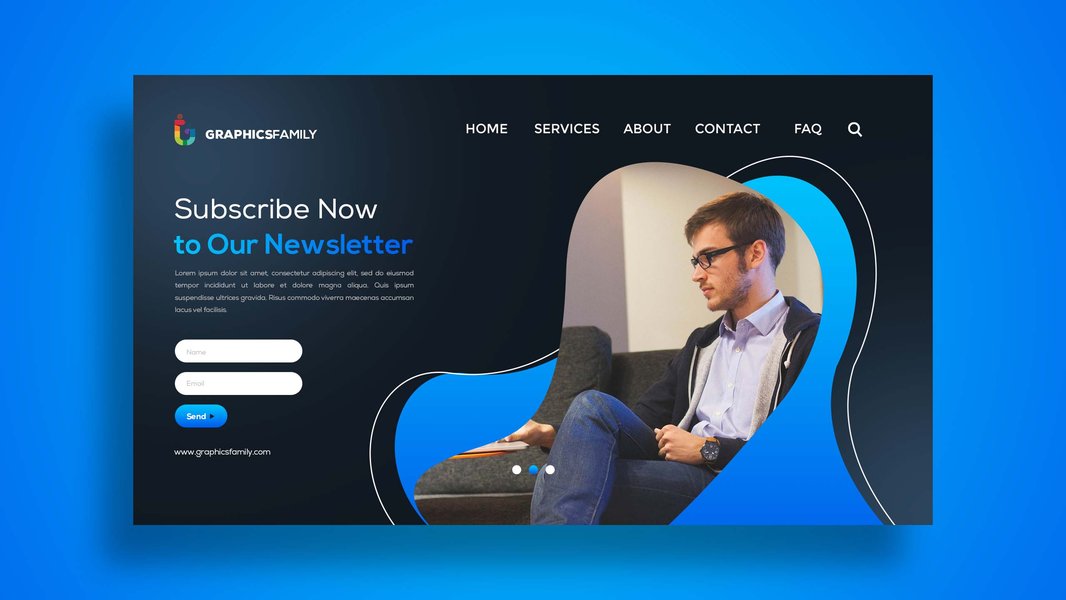
A clean, modern landing page layout often includes a strong headline, visuals, and clear call-to-action.
Headline & Subheadline
The headline is often the first thing a visitor reads. It must grab attention and clearly communicate the core value proposition or benefit of your offer. A strong subheadline supports the main headline, providing additional context or reinforcing the key message.
Engaging Visuals
High-quality images, videos, or infographics can significantly enhance understanding and emotional connection. Visuals should be relevant to the offer, demonstrate the product or service in action, or evoke the desired feeling associated with the benefit. Videos, in particular, can boost conversion rates substantially by explaining complex offers concisely.
Persuasive Body Copy
The text should be concise, benefit-oriented, and easy to scan. Use bullet points, short paragraphs, and subheadings to break up text and highlight key advantages. Focus on how the offer solves the visitor's problem or fulfills their desire, rather than just listing features.
Clear Call-to-Action (CTA)
The CTA is arguably the most critical element. It should be a prominent button or link with action-oriented text (e.g., "Get Started Now," "Download Your Free Guide," "Claim Your Discount"). Use contrasting colors to make it stand out, and ensure it clearly tells the visitor what to do next.
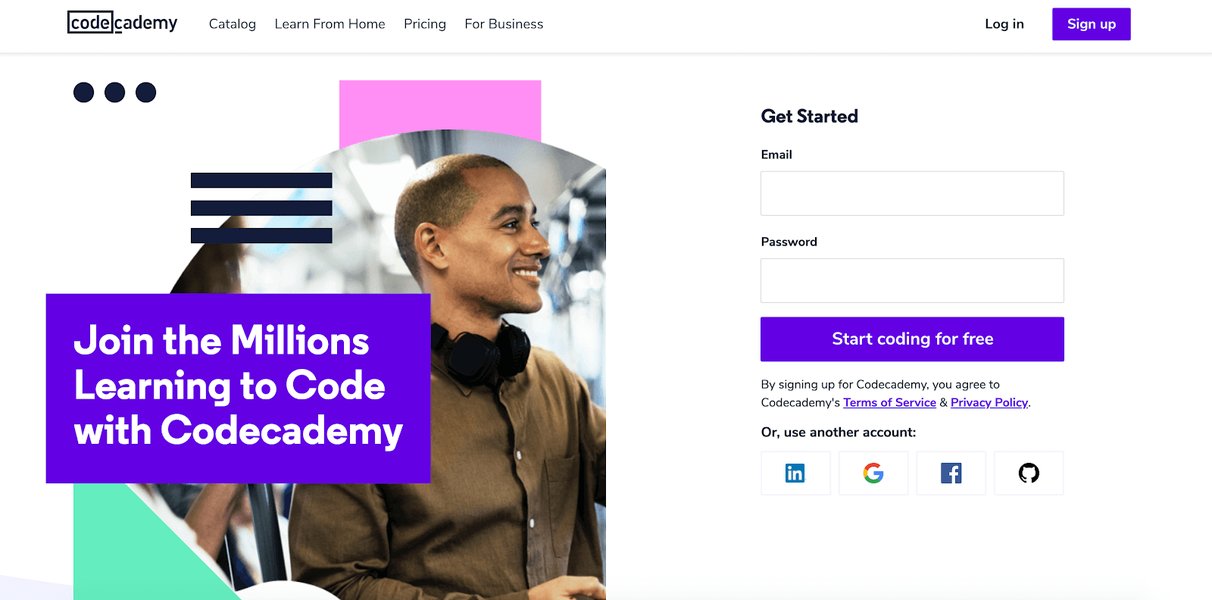
Example of a lead capture form integrated smoothly into the landing page design.
Lead Capture Form (If Applicable)
If the goal is lead generation, include a simple form asking only for essential information (e.g., name and email). Keep the number of fields minimal to reduce friction and increase completion rates. Integrating options like Google Login can simplify the process further.
Social Proof & Trust Signals
Build credibility and trust by including testimonials from satisfied customers, logos of well-known clients, user reviews, case study snippets, or security badges (for transactions). This reassures visitors that others have had positive experiences with your offer.
Optimized Layout & Design
A clean, uncluttered layout with ample white space improves readability and focus. The design should guide the visitor's eye naturally towards the CTA. Ensure the page is fully responsive and looks great on all devices (desktops, tablets, mobiles).
Step-by-Step Guide to Generating Your Landing Page
From Concept to Conversion
Creating a high-performing landing page involves a structured process. Follow these steps to build a page that effectively converts visitors.
Step 1: Define Your Goal and Target Audience
What specific action do you want visitors to take? (e.g., sign up, buy, download). Who are you trying to reach? Understanding your objective and audience informs every subsequent decision, from copy to design.
Step 2: Choose Your Creation Method and Platform
Decide how you'll build the page:
- Landing Page Builders: Tools like Unbounce, Leadpages, Instapage, Mailchimp, or Wix offer drag-and-drop interfaces, templates, and conversion features without needing code.
- Website Builders: Platforms like Canva or HubSpot CMS often include landing page templates and functionalities.
- Custom Development: Building from scratch with HTML, CSS, and JavaScript offers maximum flexibility but requires technical expertise.
Step 3: Plan the Layout and Select a Template
Sketch a basic wireframe or choose a pre-designed template that aligns with your goal. Focus on a logical flow that guides the user towards the CTA. Resources like Landingfolio offer curated examples for inspiration.
Step 4: Craft Compelling Content
Write a powerful headline, supportive subheadline, benefit-focused body copy, and a clear, action-oriented CTA. Keep the language simple, direct, and aligned with your brand voice. Use microcopy (small text snippets near buttons or forms) to clarify actions or reduce anxiety.
Step 5: Integrate Engaging Visuals
Select high-quality images or videos that support your message and resonate with your audience. Ensure visuals are optimized for web use to maintain fast loading speeds.
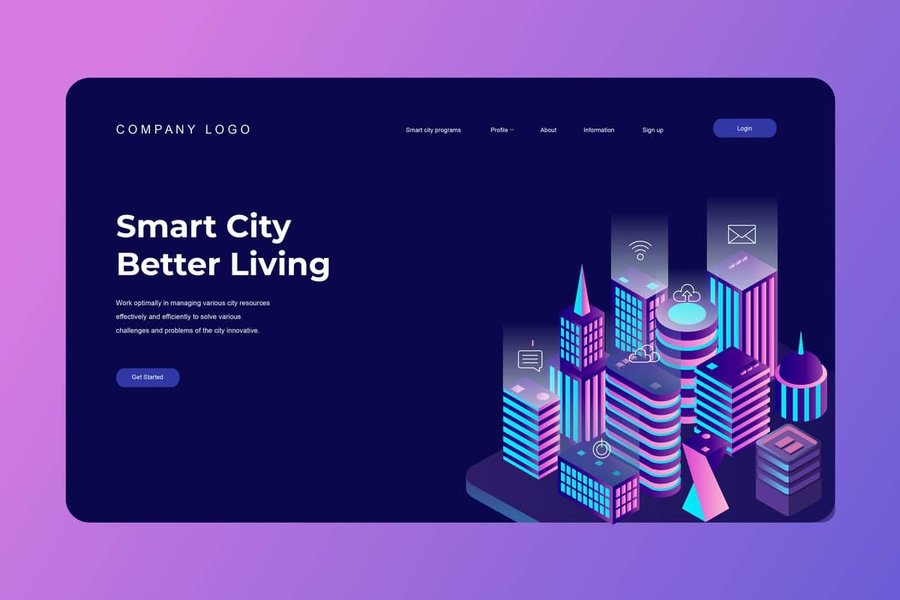
Visually appealing graphics, like this isometric illustration, can make a landing page more engaging.
Step 6: Build and Configure the Page
Assemble the page using your chosen platform. Add the lead capture form if needed, integrate any necessary third-party services (like payment gateways or email marketing tools), and ensure all links and buttons work correctly.
Step 7: Optimize for Performance
Ensure your landing page loads quickly by optimizing images and code. Test its appearance and functionality across different browsers and devices (especially mobile) to guarantee a seamless user experience.
Step 8: Implement Tracking and Analytics
Set up tracking tools (like Google Analytics, Facebook Pixel, or platform-specific analytics) to monitor visitor behavior, conversion rates, traffic sources, and other key metrics. This data is crucial for understanding performance.
Step 9: Test, Launch, and Iterate
Before launching widely, test the page thoroughly. Consider running A/B tests on key elements (e.g., headline variations, CTA button colors, different images) to identify what resonates best with your audience. Launch the page, monitor its performance closely using your analytics, and make data-informed refinements over time to continuously improve conversion rates.
Visualizing the Landing Page Process
Mapping the Key Stages and Elements
This mindmap provides a visual overview of the essential steps and components involved in creating an effective landing page, from initial planning through to optimization.
(e.g., Leads, Sales)"] id1b["Identify Target Audience"] id1c["Determine Key Offer"] id2["Core Elements"] id2a["Compelling Headline"] id2b["Persuasive Copy
(Benefits-focused)"] id2c["Engaging Visuals
(Image/Video)"] id2d["Clear Call-to-Action (CTA)"] id2e["Lead Capture Form (Optional)"] id2f["Social Proof
(Testimonials, Logos)"] id2g["Trust Signals
(Badges, Guarantees)"] id3["Design & Layout"] id3a["Choose Platform/Tool
(Builder vs. Code)"] id3b["Select/Design Template"] id3c["Ensure Mobile Responsiveness"] id3d["Optimize for Readability
(White Space, Fonts)"] id4["Content Creation"] id4a["Write Headline & Subheadline"] id4b["Develop Body Copy"] id4c["Craft CTA Text"] id4d["Select Relevant Visuals"] id5["Build & Integration"] id5a["Assemble Page Elements"] id5b["Configure Forms"] id5c["Integrate Third-Party Tools"] id6["Optimization & Launch"] id6a["Optimize for Speed"] id6b["Implement Tracking/Analytics"] id6c["A/B Test Key Elements"] id6d["Launch Campaign"] id6e["Monitor & Iterate"]
Choosing the Right Landing Page Builder
Comparing Popular Platforms
Selecting the right tool can significantly impact the ease and effectiveness of creating your landing page. Many platforms offer different strengths regarding ease of use, customization, features, and pricing. This radar chart provides an opinionated comparison of some popular landing page builders based on key criteria relevant to users.
This chart compares platforms like Unbounce (known for conversion optimization and A/B testing), Wix (user-friendly with broad features), Canva (excellent for design ease and free options), Leadpages (strong focus on lead generation), and Instapage (advanced features for enterprise). Consider your budget, technical skill, and specific needs (e.g., robust testing vs. simple design) when choosing.
Landing Page Element Summary
Key Components and Their Purpose
This table summarizes the essential elements of a landing page, outlining their function and best practices for implementation to maximize conversion potential.
| Element | Purpose | Best Practices |
|---|---|---|
| Headline | Grab attention, communicate core value proposition. | Clear, concise, benefit-oriented, relevant to the traffic source. |
| Subheadline | Expand on the headline, provide context. | Supports main message, adds detail or clarifies offer. |
| Visuals (Image/Video) | Engage visitors, illustrate the offer, evoke emotion. | High-quality, relevant, optimized for speed, demonstrates value. |
| Body Copy | Persuade visitors, explain benefits, address concerns. | Benefit-focused, concise, scannable (use bullets/subheads), clear language. |
| Call-to-Action (CTA) | Tell visitors exactly what to do next. | Prominent button/link, action-oriented text, contrasting color, clearly visible. |
| Lead Capture Form | Collect visitor information (leads). | Minimal fields, clear labels, privacy reassurance, easy submission. |
| Social Proof | Build trust and credibility. | Include testimonials, reviews, client logos, case study results, user counts. |
| Trust Signals | Reduce perceived risk, increase confidence. | Security badges (SSL, payment), guarantees, privacy policy links, contact info. |
| Layout & Design | Guide user flow, enhance readability, ensure usability. | Clean, uncluttered, ample white space, mobile-responsive, brand consistency. |
Learning from the Experts
Insights into Landing Page Design
Understanding the principles behind effective landing page design can significantly improve your results. This video provides a concise explanation of key design considerations that contribute to higher conversion rates.
The video covers essential design principles applicable to landing pages, such as visual hierarchy, contrast, alignment, and the importance of guiding the user's eye towards the call-to-action. Applying these concepts helps create pages that are not only aesthetically pleasing but also functionally effective in driving conversions.
Frequently Asked Questions (FAQ)
Common Queries About Landing Pages
What is the main difference between a landing page and a homepage?
A homepage serves as the main entry point to a website, offering broad information and navigation to various sections. Its goal is often exploration. A landing page, however, is a standalone page designed with a single, focused objective (e.g., lead capture, sale) and typically has minimal navigation to keep visitors focused on the desired conversion action.
Do I need coding skills to create a landing page?
No, not necessarily. Many user-friendly landing page builders (like Wix, Unbounce, Leadpages, Canva, Mailchimp) offer drag-and-drop interfaces and pre-designed templates that allow you to create professional-looking landing pages without writing any code. Custom coding offers more flexibility but requires technical expertise.
How long should a landing page be?
The ideal length depends on the complexity of the offer and the level of commitment required from the visitor. Simple offers (like a free download) might need only a short page, while more complex or expensive products/services may require longer pages with more detailed information, testimonials, and FAQs to address potential concerns and build trust.
How do I measure the success of my landing page?
Success is typically measured by the conversion rate: the percentage of visitors who complete the desired action (e.g., fill out the form, make a purchase). Other important metrics include bounce rate (visitors leaving without interacting), time on page, traffic sources, and the cost per conversion (if using paid advertising).
Recommended Next Steps
Explore Further Insights
- Discover techniques for writing persuasive copy that boosts landing page conversions.
- Learn how to effectively use A/B testing to optimize your landing pages for better results.
- Find out how to ensure your landing pages provide an excellent experience on mobile devices.
- Explore real-world examples of B2B landing pages that effectively generate leads and sales.
References
Sources for Further Reading

Last updated May 4, 2025