
Comprehensive Review of the Five-Phase Software Development Document
An in-depth analysis of the structured approach to software development
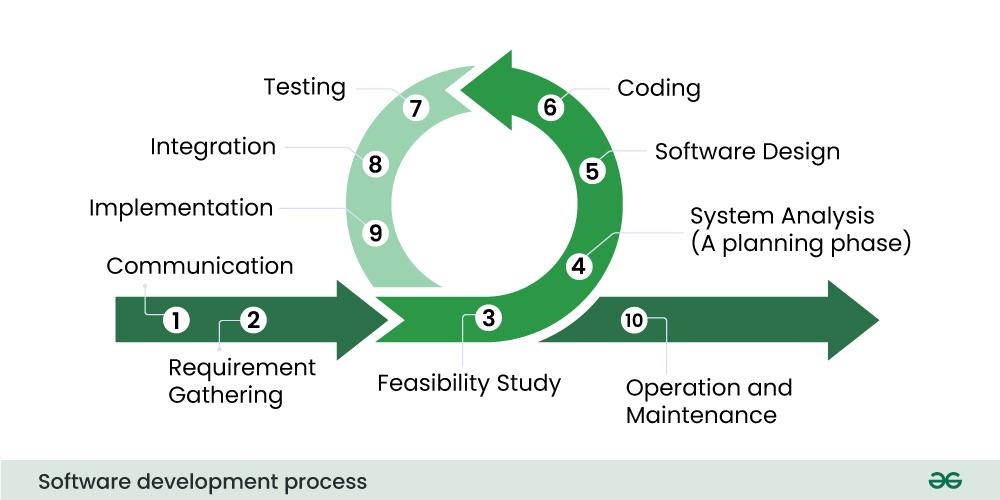
Key Takeaways
- Alignment with SDLC Best Practices: The phased approach closely follows the traditional Software Development Life Cycle, ensuring a structured and methodical development process.
- Comprehensive Coverage: Each phase addresses critical aspects of software development, from initial requirements gathering to ongoing maintenance, facilitating a holistic project lifecycle.
- Opportunities for Enhancement: Incorporating detailed timelines, resource allocation, and risk management strategies can further strengthen the document, promoting better planning and execution.
Introduction
The document outlines a five-phase approach to software development, encompassing requirements gathering, core module development, mobile app integration, testing and deployment, and ongoing support and maintenance. This structured methodology aligns with established Software Development Life Cycle (SDLC) principles, providing a comprehensive roadmap for successful project execution. This review critically examines each phase, evaluates its effectiveness, and offers recommendations for potential improvements.
Phase 1: Requirements Gathering and System Design
Foundation of a Successful Project
The initial phase focuses on meticulously gathering requirements and designing the system architecture. This stage is pivotal as it lays the groundwork for all subsequent phases, ensuring that the project aligns with stakeholder expectations and business objectives.
Strengths
- Comprehensive Requirements Analysis: Engaging stakeholders to define clear and detailed requirements minimizes misunderstandings and scope creep.
- Robust System Design: Crafting a well-thought-out architecture ensures scalability, maintainability, and adaptability of the software.
Areas for Improvement
- Timeline Specification: Incorporating estimated durations for requirements gathering and design activities can aid in project scheduling and resource allocation.
- Risk Management Integration: Identifying potential risks related to requirements volatility or design challenges and formulating mitigation strategies would enhance this phase's resilience.
Best Practices
- Use of Requirement Management Tools: Implementing tools like JIRA or Trello can facilitate efficient tracking and management of requirements.
- Stakeholder Workshops: Conducting interactive sessions with stakeholders can ensure comprehensive requirement capture and consensus.
Phase 2: Development of Core Modules
Building the Heart of the System
This phase involves the actual coding and development of the system's essential components, including data consolidation, stock management, and distribution management modules. A modular approach promotes organized and manageable codebases, facilitating easier maintenance and scalability.
Strengths
- Modular Development: Breaking down the system into core modules allows for focused development and easier troubleshooting.
- Clear Functional Objectives: Defining specific functionalities for each module ensures that development efforts are aligned with project goals.
Areas for Improvement
- Resource Allocation Details: Specifying the development teams or roles responsible for each module can enhance clarity and accountability.
- Integration Planning: Outlining how these core modules will integrate with each other can preempt potential integration challenges.
Best Practices
- Agile Methodologies: Adopting agile practices like Scrum or Kanban can foster flexibility and iterative progress within the development of core modules.
- Code Reviews and Standards: Implementing regular code reviews and adhering to coding standards ensures quality and consistency across modules.
Phase 3: Integration of Mobile App for Field Officers
Extending Functionality to the Field
The integration of a mobile application aims to enhance the system's accessibility and usability for field officers, enabling real-time data interaction and operations management. This phase signifies the system's adaptability to mobile platforms, catering to on-the-go operational needs.
Strengths
- User-Centric Approach: Developing a mobile app tailored for field officers demonstrates a focus on user needs and operational efficiency.
- Enhanced Accessibility: Mobile integration facilitates real-time data access and updates, improving decision-making and responsiveness in the field.
Areas for Improvement
- Platform Compatibility: Ensuring the mobile app is compatible with various devices and operating systems can broaden its usability.
- Security Measures: Implementing robust security protocols to protect sensitive data accessed via the mobile app is crucial.
Best Practices
- Responsive Design: Designing the mobile app with responsive interfaces ensures optimal user experience across different device sizes.
- Offline Functionality: Incorporating offline capabilities can enhance usability in areas with limited connectivity.
Phase 4: Testing and Deployment
Ensuring Quality and Readiness
This critical phase encompasses comprehensive testing to validate the system's functionality, performance, and security, followed by deployment to the production environment. Rigorous testing ensures that the software meets the defined requirements and is free from defects.
Strengths
- Comprehensive Testing: Including unit, integration, system, and acceptance testing ensures thorough validation of the software.
- Structured Deployment: A well-planned deployment strategy minimizes downtime and facilitates a smooth transition to production.
Areas for Improvement
- Deployment Automation: Utilizing continuous integration and continuous deployment (CI/CD) pipelines can streamline the deployment process.
- Rollback Plans: Establishing clear rollback procedures ensures quick recovery in case of deployment issues.
Best Practices
- Automated Testing: Implementing automated testing frameworks can enhance testing efficiency and coverage.
- Staging Environments: Deploying to staging environments before production allows for final testing in a controlled setting.
Phase 5: Ongoing Support and Maintenance
Sustaining System Performance
The final phase focuses on maintaining the system's performance, addressing any issues that arise, and implementing updates or enhancements as needed. Continuous support ensures the software remains reliable and evolves with changing business requirements.
Strengths
- Continuous Improvement: Ongoing maintenance allows for the incorporation of new features and improvements based on user feedback.
- Issue Resolution: Promptly addressing bugs and performance issues enhances user satisfaction and system reliability.
Areas for Improvement
- Maintenance Scheduling: Establishing regular maintenance windows can help plan updates without disrupting user operations.
- Documentation: Keeping detailed maintenance logs and documentation aids in troubleshooting and future development efforts.
Best Practices
- Proactive Monitoring: Implementing monitoring tools to track system performance and detect anomalies early.
- User Training: Providing ongoing training and support resources to users ensures effective system utilization.
Comparative Analysis with SDLC Best Practices
The outlined five-phase approach exhibits strong alignment with traditional SDLC models, incorporating essential stages such as planning, design, implementation, testing, and maintenance. This alignment ensures that the development process adheres to industry standards, promoting project success and system sustainability.
Strengths of the Approach
- Structured Methodology: The phased approach provides a clear roadmap, facilitating organized project management and progress tracking.
- Comprehensive Coverage: Addressing all critical aspects of software development ensures that no essential component is overlooked.
- Flexibility for Enhancements: The inclusion of a mobile app integration phase showcases adaptability to evolving user needs and technological advancements.
Recommendations for Enhancement
- Incorporate Agile Practices: While the phased approach is methodical, integrating agile methodologies can introduce flexibility and responsiveness to changing requirements.
- Detailed Risk Management: Explicitly addressing potential risks and mitigation strategies within each phase can bolster project resilience.
- Define Success Metrics: Establishing clear key performance indicators (KPIs) for each phase can enable objective assessment of progress and quality.
Implementation Strategies
Ensuring Effective Execution
To maximize the effectiveness of the five-phase approach, implementing strategic practices can enhance project execution and outcomes.
Timeline Management
Assigning specific timeframes to each phase facilitates better planning and resource allocation, ensuring timely project completion.
Resource Allocation
Clearly defining roles and responsibilities within each phase promotes accountability and leverages team strengths effectively.
Stakeholder Engagement
Regular communication and reviews with stakeholders ensure that the project remains aligned with their expectations and requirements.
Risk Management
Mitigating Potential Challenges
Identifying and addressing potential risks proactively can prevent project delays and ensure smooth progression through each phase.
Common Risks
- Scope Creep: Uncontrolled changes or additions to project scope can lead to delays and resource strain.
- Technical Challenges: Unanticipated technical issues may arise during development or integration phases.
- Resource Constraints: Limited availability of skilled personnel or other resources can impede progress.
Mitigation Strategies
- Change Control Processes: Implementing formal procedures for managing changes can prevent scope creep.
- Technical Research: Conducting thorough research and prototyping can anticipate and address technical challenges early.
- Resource Planning: Ensuring adequate resource allocation and contingency planning can mitigate resource-related risks.
Performance Metrics and KPIs
Measuring Success
Establishing clear performance metrics aids in objectively assessing the progress and quality of each phase, ensuring that project goals are met effectively.
Suggested KPIs
- Requirements Completion Rate: Percentage of requirements accurately captured and documented.
- Development Velocity: Amount of work completed during each development cycle.
- Bugs Identified and Resolved: Number of defects detected and fixed during testing phases.
- User Satisfaction Scores: Feedback from users post-deployment measured through surveys or interviews.
Implementation of Agile Methodologies
Enhancing Flexibility and Responsiveness
While the current approach is structured, integrating agile methodologies can introduce greater flexibility, allowing the project to adapt to changing requirements and stakeholder feedback dynamically.
Benefits of Agile
- Iterative Development: Facilitates incremental progress and continuous improvement through iterative cycles.
- Enhanced Collaboration: Promotes frequent communication and collaboration among team members and stakeholders.
- Rapid Adaptation: Enables swift adjustments to project scope or direction based on real-time feedback and changing needs.
Implementation Strategies
-
Sprint Planning: Dividing development work into manageable sprints with defined goals and deliverables.
-
Daily Stand-ups: Conducting brief daily meetings to discuss progress, challenges, and next steps.
-
Retrospectives: Holding regular reviews to reflect on what worked well and identify areas for improvement.
HTML Implementation Example
Integrating a Simple Data Consolidation Module
Below is an example of how a simple data consolidation module might be implemented using HTML and JavaScript:
// Data Consolidation Module Example
// Function to consolidate data from multiple sources
function consolidateData(source1, source2, source3) {
    // Combine data from sources
    let consolidated = [...source1, ...source2, ...source3];

    // Remove duplicates
    let uniqueData = consolidated.filter((item, index) =>
        consolidated.indexOf(item) === index
    );

    return uniqueData;
}

// Example usage
const data1 = ['item1', 'item2', 'item3'];
const data2 = ['item2', 'item4', 'item5'];
const data3 = ['item5', 'item6', 'item1'];

const consolidatedData = consolidateData(data1, data2, data3);
console.log(consolidatedData);
// Output: ['item1', 'item2', 'item3', 'item4', 'item5', 'item6']
Performance Analysis Table
| Phase | Key Activities | Strengths | Recommendations |
|---|---|---|---|
| Requirements Gathering and System Design | Defining project scope, gathering stakeholder requirements, creating system architecture | Comprehensive analysis, robust design | Include timelines, integrate risk management |
| Development of Core Modules | Coding data consolidation, stock management, distribution management | Modular approach, clear functional objectives | Detail resource allocation, plan integrations |
| Integration of Mobile App for Field Officers | Developing and integrating mobile functionalities for field operations | User-centric, enhanced accessibility | Ensure platform compatibility, strengthen security measures |
| Testing and Deployment | Comprehensive testing, deploying to production | Thorough validation, structured deployment | Implement CI/CD pipelines, establish rollback plans |
| Ongoing Support and Maintenance | Maintaining system performance, addressing issues, implementing updates | Continuous improvement, reliable issue resolution | Schedule regular maintenance, maintain detailed documentation |
Conclusion
The five-phase approach to software development presented in the document offers a robust and structured framework that aligns closely with established SDLC methodologies. Each phase is thoughtfully designed to address critical aspects of the development process, ensuring comprehensive coverage from initial requirements gathering to ongoing maintenance. The approach's strengths lie in its clarity, modularity, and thoroughness, which collectively contribute to effective project management and successful software delivery.
However, there are opportunities for enhancement that could further optimize the process. Incorporating detailed timelines, resource allocation plans, and risk management strategies would provide greater clarity and preparedness for potential challenges. Additionally, integrating agile methodologies can introduce flexibility and adaptability, allowing the project to respond dynamically to evolving requirements and stakeholder feedback.
By addressing these areas for improvement, the development approach can be refined to not only adhere to best practices but also to foster a more resilient and responsive project environment. Overall, the document serves as a strong foundation for software development, capable of guiding teams towards delivering high-quality, reliable, and user-centric software solutions.
References
Last updated February 11, 2025