
The Role of Soil Microbes in Enhancing Fertilizer Efficiency
Understanding how soil microorganisms contribute to sustainable agriculture
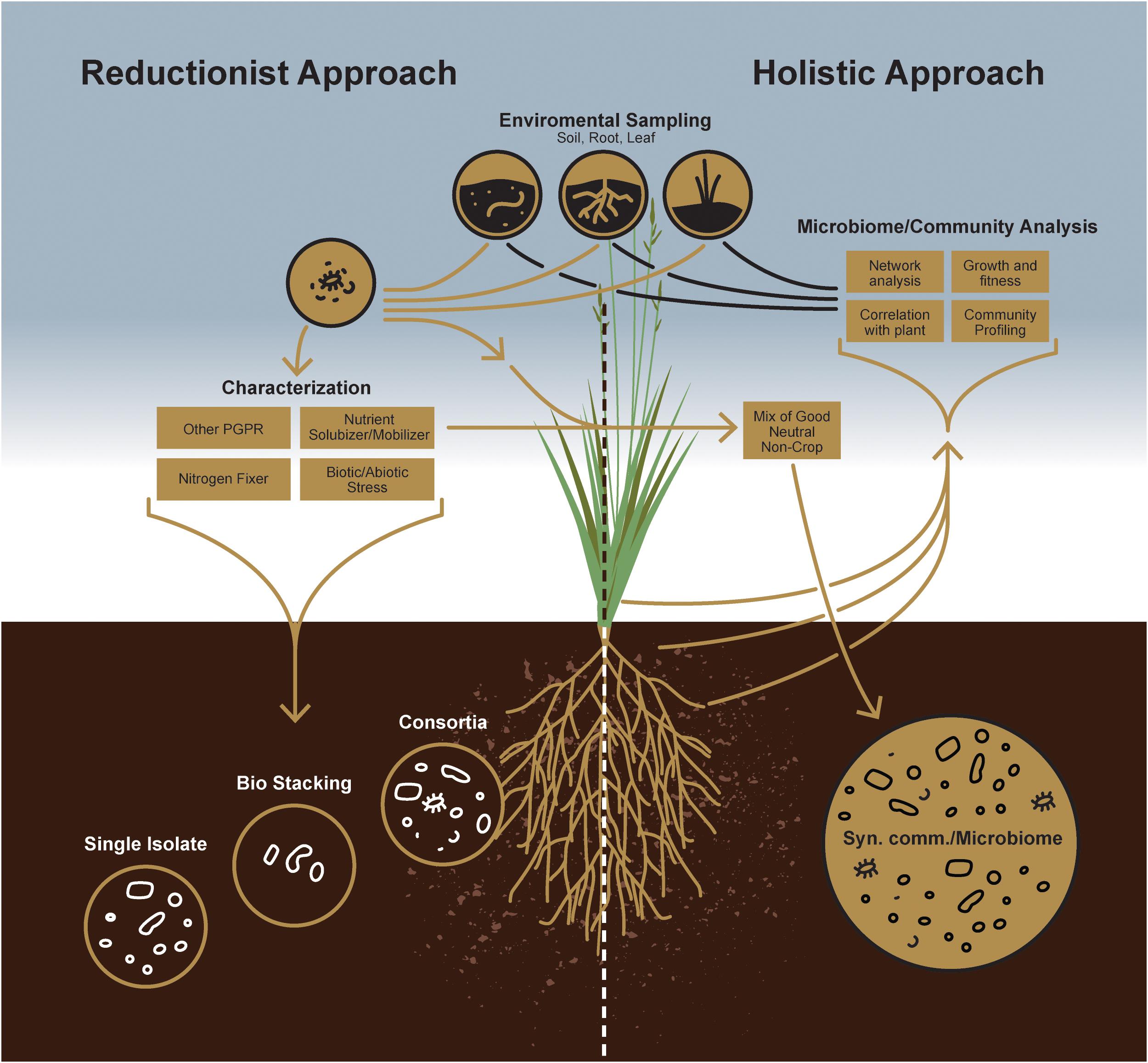
Highlights
- Nutrient Transformation: Soil microbes transform nutrients into bioavailable forms for plants.
- Soil Structure Improvement: Enhanced soil structure and water retention boost plant nutrient uptake.
- Sustainable Practices: Microbial-based biofertilizers reduce dependence on chemical fertilizers.
Introduction
Soil microbes are fundamental agents in agriculture, acting as a bridge between applied fertilizers and plant nutrition. Their intricate roles range from mobilizing nutrients within the soil to enhancing soil structure and promoting beneficial chemical interactions. In modern agriculture, these microscopic organisms contribute significantly to fertilizer efficiency, directly impacting crop yield and environmental sustainability. By promoting efficient nutrient uptake and minimizing nutrient losses, soil microbes support more sustainable cultivation practices that rely less on synthetic chemical inputs.
In this extensive review, we will delve into the various mechanisms by which soil microbes improve fertilizer efficiency, emphasizing nutrient availability, enhanced soil health, and sustainable agricultural practices. The discussion is supported by research findings and provides an in-depth synthesis of current knowledge on microbial contributions to fertilizer performance.
Mechanisms of Nutrient Transformation and Availability
Nutrient Solubilization and Mobilization
One of the most critical functions of soil microbes is their ability to transform nutrients from inert or complex forms into bioavailable compounds that plants can assimilate. This transformation is essential because many of the nutrients present in both organic and synthetic fertilizers are often in forms that are not readily accessible to plants.
Phosphorus and Micronutrients
A primary example is phosphorus, a vital nutrient required for energy transfer and genetic material development in plants. Many soils contain phosphorus locked in insoluble compounds. Soil bacteria and fungi, such as phosphorus-solubilizing bacteria, secrete organic acids that break down insoluble phosphate compounds, releasing soluble phosphates that plants can absorb. This process not only enhances the efficiency of phosphorus fertilizers but also reduces the overall amount of phosphate needed.
Biological Nitrogen Fixation
Another fundamental process is biological nitrogen fixation. Specific bacteria, including those from the genus Rhizobium and free-living nitrogen-fixers like Azotobacter, convert atmospheric nitrogen (\( \text{N}_2 \)) into ammonia (\( \text{NH}_3 \)). This ammonia is subsequently transformed into nitrates and other forms that can be absorbed by plants. By naturally supplying nitrogen, these microbes reduce the reliance on synthetic nitrogen fertilizers, further helping to diminish the environmental footprint of farming.
Enhanced Nutrient Cycling
The role of soil microbes in nutrient cycling extends beyond the initial solubilization of elements. Microbes are actively involved in the ongoing process of breaking down complex organic matter, releasing nutrients gradually into the soil. This slow release matches plant uptake rates more effectively, ensuring that available nutrients are continuously cycled within the ecosystem.
This bioavailable nutrient transformation is crucial for ensuring that plants have access to essential elements like potassium, magnesium, and various micronutrients. As plants uptake these nutrients, the soil biota concurrently works to replenish the soil nutrient pool, creating a dynamic and self-sustaining cycle of nutrient availability that underpins high-quality fertilizer use.
Impact on Soil Structure and Health
Improving Soil Structure and Water Retention
Beyond their role in nutrient cycling, soil microbes significantly influence the physical properties of soil. A healthy soil structure is characterized by well-formed aggregates which facilitate root penetration, enhance water infiltration, and promote gas exchange. These properties are fundamental for efficient fertilizer function, as they ensure that nutrients, once solubilized, can reach the plant roots more effectively.
Soil Aggregation
Many soil microbes produce extracellular polymeric substances (EPS) that help bind soil particles together. This binding increases soil aggregation, improving both aeration and water-holding capacity. Enhanced soil aggregation has been linked with more efficient root development, which in turn leads to increased nutrient uptake.
Reduction in Fertilizer Loss
A well-structured soil minimizes nutrient losses that might otherwise occur through leaching or volatilization. For instance, microbes that immobilize nitrogen effectively reduce the risk of nitrogen escaping into the atmosphere in the form of nitrous oxide, a potent greenhouse gas, or being lost through drainage. The result is a more efficient application of fertilizers, where a greater proportion of the added nutrients is actually utilized by plants.
Microbial Inoculants and Biofertilizers
With advancing technology, farmers are increasingly adopting microbial inoculants as a part of biofertilizer strategies. Microbial inoculants typically consist of beneficial bacteria, fungi, and other microorganisms that are introduced into the soil to enhance natural processes.
These biofertilizers not only improve soil nutrient profiles by actively participating in nutrient solubilization but also help in suppressing soil-borne diseases and promoting plant growth through the production of phytohormones. Such dual benefits underscore their importance in modern, sustainable agricultural practices.
Sustainable Agriculture and Environmental Impact
Reducing Dependence on Chemical Fertilizers
The integration of soil microbes into fertilizer regimes offers a pathway toward reducing chemical fertilizer inputs. One of the primary problems with over-reliance on chemical fertilizers is their potential to disrupt the soil microbiome and lead to environmental issues such as groundwater contamination and biodiversity loss.
By enhancing fertilizer efficiency, soil microbes allow for lower application rates of chemical inputs while maintaining or even increasing crop yields. Their capacity to fix atmospheric nitrogen, solubilize essential minerals like phosphorus, and improve nutrient cycling means that farmers can achieve desired productivity levels without resorting to excessive chemical use.
Cost Reduction and Economic Benefits
Moreover, the enhancement of fertilizer efficiency through microbial action leads to economic benefits. Lower fertilizer application translates to reduced input costs, making agriculture more affordable, especially for resource-limited farmers. These economic advantages, combined with reduced environmental risks, make microbial fertilizers a compelling option for sustainable agriculture.
Enhancing Soil Biodiversity and Ecosystem Health
Maintaining a diverse soil microbiome is crucial for long-term soil health. A rich microbial community supports a wide range of functions including nutrient mineralization, disease suppression, and the enhancement of soil fertility. Microbial diversity helps buffer the soil system against environmental shocks such as drought, extreme temperatures, and pathogen invasions.
When microbial inoculants are applied, they not only perform specific functions but also stimulate native microbial populations, leading to an overall increase in soil biodiversity. A biodiverse soil ecosystem is more resilient and better equipped to handle environmental stress, thus ensuring sustained fertility and productivity.
Interconnected Processes: Fertilizer Input and Microbial Activity
Direct and Indirect Microbial Contributions
Soil microbes contribute both directly and indirectly to plant nutrition and fertilizer efficiency. Direct contributions include processes like biological nitrogen fixation and phosphorus solubilization. Indirectly, microbes influence plant growth by synthesizing growth-promoting substances and protecting plants against pests and diseases.
Phytohormone Production and Biostimulation
Some beneficial bacteria and fungi produce phytohormones such as auxins, gibberellins, and cytokinins, which directly stimulate plant growth. This biostimulatory effect enhances the plant’s ability to absorb nutrients from the soil, even under suboptimal conditions. Additionally, these microorganisms can elicit induced systemic resistance in plants, thereby reducing the need for chemical pesticides.
Microbial Synergy with Fertilizers
The relationship between applied fertilizers and native microbial populations is synergistic. When fertilizers are applied, they can provide substrate or energy that encourages microbial growth. In turn, an active microbial community helps convert the applied nutrients into forms that are readily absorbed by plant roots. This interplay significantly boosts the overall efficiency of fertilizer use.
Case Study Overview and Comparative Analysis
Illustrative Case Studies on Microbial Fertilizer Efficiency
Numerous field studies and experimental research have validated the positive impact of soil microbes on fertilizer efficiency. A comparative analysis of conventional chemical fertilizers versus microbial-enhanced fertilizer systems consistently shows improved nutrient uptake, higher crop yields, and better soil health in the latter.
For example, in field trials involving legume crops, inoculation with nitrogen-fixing bacteria resulted in a marked improvement in plant nitrogen content. Similarly, applications of phosphorus-solubilizing microbial formulations have been demonstrated to significantly boost phosphorus uptake in cereals and horticultural crops. These studies underscore the potential economic and environmental benefits of integrating microbial inoculants into standard fertilization protocols.
Comparative Benefits Table
| Aspect | Chemical Fertilizers | Microbial-enhanced Systems |
|---|---|---|
| Nutrient Availability | Limited transformation processes | Enhanced via conversion and solubilization |
| Soil Structure | May lead to degradation over time | Improved aggregation and water retention |
| Environmental Impact | Risk of nutrient leaching and pollution | Lower inputs result in reduced runoff and GHGs |
| Cost Efficiency | Higher reliance on chemical inputs | Reduced overall input costs through efficient nutrient use |
| Long-term Soil Health | May compromise microbial diversity | Promotes sustainable soil microbial ecosystems |
Advanced Considerations and Future Directions
Integrating Modern Technologies
Recent advancements in soil microbiology and biotechnology point toward the development of tailored microbial consortia specifically designed for various crop types and soil conditions. Cutting-edge genomic and metabolomic tools enable researchers to identify the most effective microbial strains that work synergistically with fertilizers to promote plant growth. These tailored consortia can be formulated into next-generation biofertilizers, offering precision agriculture solutions.
Futuristic approaches also include integrating remote sensing and soil moisture monitoring to correlate microbial activity with soil health metrics. In this manner, real-time data can empower farmers to adjust fertilization practices, ensuring that nutrient availability is synchronized with plant demand. These technological advancements will likely play a crucial role in further enhancing the efficiency of fertilizer inputs while minimizing environmental harm.
Educational and Policy Initiatives
To fully harness the benefits of soil microbial activity, educational initiatives aimed at modern agricultural practices must become a priority. Extension services, farmer training programs, and policy incentives that encourage the adoption of microbial-enhanced fertilizers have the potential to revolutionize agricultural productivity. By disseminating knowledge related to soil microbiology and sustainable fertilization practices, communities can move toward more environmentally friendly and economically viable farming practices.
Policymakers around the world are increasingly recognizing the value of sustainable agriculture. Subsidies, research funding, and pilot programs that support the integration of microbial inoculants into conventional farming are essential for the widespread adoption of these practices. Such strategies not only enhance crop productivity but also maintain the health of our planet’s vital ecosystems.
References
- How Soil Microbes Improve Fertilizer Efficiency - Holganix
- Enhancing Soil Health and Plant Growth through Microbial Fertilizers - MDPI
- Soil Microbial Dynamics and Fertilizer Efficiency - Frontiers in Microbiology
-
Microbial Contributions to Nutrient Cycling - PMC
-
Role of Soil Microbes in Enhancing Fertilizer Efficiency - ScienceDirect
Recommended Further Queries
 soilsmatter.wordpress.com
Last updated March 9, 2025