
Solar Energy Solutions in Rural Areas
Exploring solar home systems and water pumps for transformative, sustainable growth in rural communities.
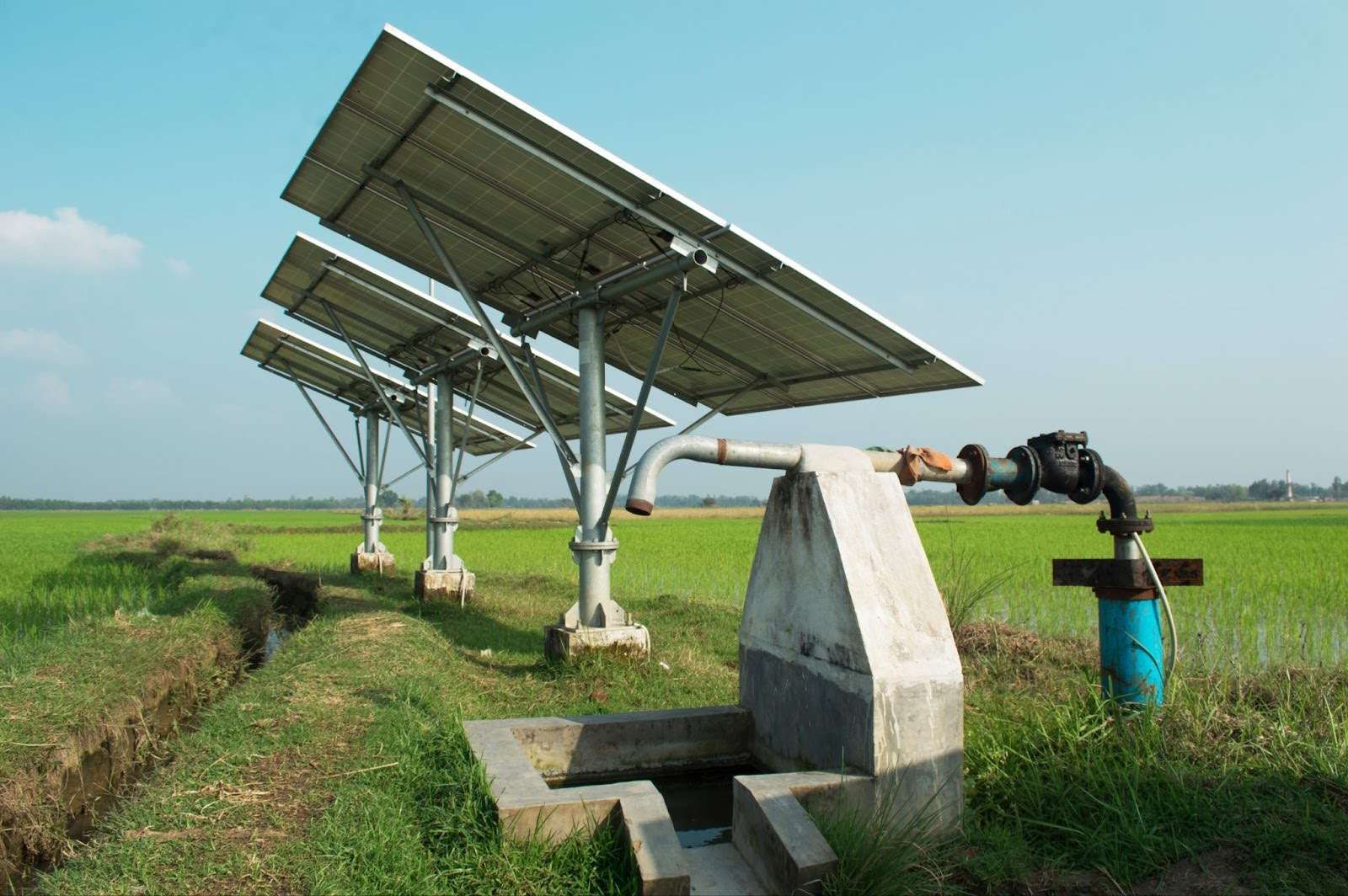
Key Highlights
- Enhanced Energy Access – Solar home systems provide off-grid electricity, improving living conditions and educational opportunities.
- Economic and Agricultural Growth – Solar-powered water pumps boost irrigation, foster local industries, and promote resilience.
- Sustainable and Environmental Benefits – Solar energy reduces carbon emissions and supports environmental stewardship.
Introduction
Solar energy has emerged as a cornerstone in addressing energy access challenges in rural areas. Traditionally, these regions have depended on unreliable grid connections or biomass fuels that contribute to environmental degradation and socioeconomic limitations. Solar home systems and solar-powered water pumps are two widely adopted solutions that have transformed energy consumption patterns, enhanced agricultural productivity, and fostered sustainable development. This academic research examines how such solar energy solutions are catalyzing economic growth, promoting sustainability, and enhancing the quality of life in rural communities.
Energy Access and Solar Home Systems
Overview of Solar Home Systems
Solar home systems (SHS) have been increasingly recognized as a reliable and sustainable source of electricity in regions where traditional grid infrastructure is impractical or non-existent. The basic design of these systems incorporates solar panels, rechargeable batteries, and inverter technology, thereby providing a consistent power supply for essential household activities. This is particularly vital in rural areas where energy scarcity limits educational opportunities, restricts economic activities, and hampers progress in health care and communications.
Impact on Daily Life and Education
The implementation of SHS in rural settings has led to remarkable improvements in daily living conditions. With dependable electricity:
- Households gain access to proper lighting, which extends study hours and enhances educational outcomes.
- Powering communication devices allows for better connectivity and information access, creating avenues for digital learning and e-commerce.
- Reliable energy supports household appliances, improving overall comfort and quality of life.
These improvements not only empower individuals by enhancing their capacity for self-learning and economic participation but also contribute to reducing the rural-urban divide in energy access.
Solar-Powered Water Pumps and Agricultural Transformation
Mechanism of Solar Water Pumps
Solar-powered water pumps harness the abundant energy from the sun to provide an efficient and renewable source for irrigation and water supply. By utilizing photovoltaic panels, these pumps convert sunlight into electrical energy, which is then used to power water extraction mechanisms from underground sources or water bodies. This method offers a sustainable alternative to diesel-fueled pumps that are both expensive to operate and environmentally detrimental.
Agricultural Productivity and Sustainability
The adoption of solar water pumps in agriculture has had multiple transformative effects:
- Enhanced Irrigation: The reliable performance of solar water pumps ensures timely and adequate water supply, crucial for crop vitality even in arid conditions. This has been demonstrated in various regions, including large-scale implementations in India and Africa.
- Cost Reduction: By eliminating the need for fossil fuels, farmers incur lower operational and maintenance costs. The long lifespan and minimal moving parts of these pumps further reduce breakdown frequencies and repair expenses.
- Food Security: Consistent water availability has direct implications for agricultural yield and food security, as improved irrigation translates into increased crop production and resilience against climate uncertainties.
Economic Empowerment through Solar Solutions
Apart from the physical benefits of improved energy supply and irrigation, solar energy solutions have far-reaching economic implications for rural communities:
- Solar home systems stimulate local entrepreneurship by creating opportunities in installation, maintenance, and after-sales services, thereby generating local employment.
- Enhanced agricultural productivity through solar water pumps opens up secondary economic opportunities such as value-addition in food processing, small enterprises, and local markets.
- Improved energy reliability encourages the establishment of rural micro-enterprises, thus diversifying income sources and reducing dependency on traditional agricultural cycles.
Sustainable Development and Environmental Impact
Environmental and Socioeconomic Benefits
The pivot to solar energy in rural areas is not merely an economic or technological shift but also a significant stride toward sustainable development. By reducing the reliance on fossil fuels and traditional biomass, these solutions generate minimal environmental pollution, thus curtailing carbon emissions and mitigating climate change impacts.
Environmental Sustainability
The environmental benefits of deploying solar energy technologies are multifaceted:
- Reduction in Greenhouse Gases: Solar panels produce zero emissions during operation, directly reducing the carbon footprint associated with energy generation in rural areas.
- Conservation of Natural Resources: By replacing biomass burning, solar energy helps in forest conservation and mitigates deforestation, which is critical for maintaining local biodiversity.
- Low Environmental Footprint: Solar water pumps and home systems are designed to have few mechanical components, reducing not only operational emissions but also long-term environmental degradation linked to equipment disposal.
Socioeconomic Impacts and Community Resilience
Sustainable energy solutions foster a self-reliant, resilient community structure. With improved access to renewable energy:
- Local communities witness an improvement in public health, as substitutes for traditional fuels lower indoor air pollution and respiratory illnesses.
- Solar energy infrastructure serves as a backbone for community development activities, including enhanced educational facilities, improved health care through reliable power in clinics, and community centers that foster social cohesion.
- Economic resilience is bolstered by the creation of ancillary service industries around the maintenance and operation of solar systems.
Implementation Challenges and Future Directions
Challenges in Adoption
Despite the promising benefits of solar energy solutions, their implementation in rural areas is not devoid of challenges. The primary obstacles include:
- High Upfront Costs: The initial capital required for purchasing solar panels, batteries, and inverters is often a significant barrier for financially constrained rural communities. Although costs have been decreasing over time, financing remains a critical component that must be addressed.
- Limited Access to Finance: Rural households typically lack sufficient access to credit or financing options. This financial barrier hampers the ability to invest in solar energy solutions, necessitating innovative financing models such as micro-loans or pay-as-you-go systems.
- Lack of Awareness and Technical Expertise: A lack of familiarity with solar technology often leads to hesitancy in adoption. Additionally, technical expertise in installation and maintenance is scarce, which can reduce system reliability and long-term performance.
- Land and Resource Allocation: Especially with large solar farms, the need for land can lead to conflicts over resource allocation in rural communities, potentially driving up land values and affecting local economies.
Future Directions and Research Opportunities
The pathway for future research in the domain of solar energy solutions in rural areas is both promising and extensive. Areas of focus include:
- Innovative Financing Models: Research on sustainable financial solutions that can lower the entry barriers for solar energy adoption. Exploring models such as micro-finance, government subsidies, and public-private partnerships will be instrumental.
- Technological Advancements: Continued development in battery storage and energy efficiency technologies could further enhance system reliability. Integrated systems combining solar home units with grid support where feasible could optimize energy distribution.
- Community Training and Capacity Building: Studies focusing on education and skill development will ensure local communities can operate and maintain solar systems. This empowerment is key to long-term sustainability.
- Impact Assessment: Comprehensive assessments on the socioeconomic and environmental impacts of solar energy adoption will provide valuable insights. Data-driven evaluations can fine-tune deployment strategies across diverse geographical settings.
Comparative Analysis: Benefits and Challenges Overview
Summary Table
The table below provides a concise summary of the key benefits and challenges associated with solar energy solutions in rural communities:
| Aspect | Benefits | Challenges |
|---|---|---|
| Energy Access |
• Reliable electricity supply • Extended hours for education and productivity • Improved living standards |
• High initial investment • Limited local technical support |
| Agricultural Productivity |
• Improved irrigation practices • Enhanced crop yields and food security • Reduced dependency on fossil fuels for pumping |
• Upfront costs for solar water pumps • Need for resource allocation and maintenance training |
| Economic Empowerment |
• Creation of local jobs and entrepreneurship • Economic diversification and local business growth |
• Limited access to flexible financing options • Initial labor and training requirements |
| Environmental Sustainability |
• Reduction in greenhouse gas emissions • Decreased deforestation through reduced biomass consumption • Low environmental footprint during operation |
• Challenges in proper disposal and recycling of solar panels • Land use conflicts in some regions |
Case Studies and Empirical Evidence
Case Study: Rural Tanzania
In Tanzania, the introduction of solar home systems has dramatically changed the energy landscape. Extensive surveys and interviews conducted across multiple villages reveal that households empowered by solar systems experience increased study hours and improved health outcomes. The clear dividend was the reduction in traditional biomass usage, subsequently leading to less indoor air pollution and related health risks.
Case Study: Agricultural Revolution in Rural India
Rural India provides another excellent example where solar water pumps have spurred agricultural development. Farmers who previously depended on erratic rainfall now have access to a consistent water supply, greatly enhancing crop management practices. The improved irrigation facilitated by solar water pumps has led to increased yield and profitability. In addition, reports document that maintenance costs are lower compared to traditional diesel pumps, leading to a sustainable model for economic empowerment.
Policy and Financial Implications
Policy Measures for Enhanced Adoption
Overcoming the high initial costs associated with solar energy systems involves proactive policy measures and investment in financial instruments. Governments and international development agencies are increasingly promoting subsidies, tax incentives, and grant programs to reduce the capital burden on rural communities. Policies that encourage net metering and public-private partnerships enable sustainable expansion of solar technologies.
Innovative Financing Models
Introducing flexible financing options can significantly boost the rate of adoption. For instance, pay-as-you-go solar models allow households to spread the cost over time, thus mitigating financial strain. Micro-financing institutions are also exploring crowdfunding methods geared towards community solar projects, ensuring broader participation and equitable access.
Integrated Impact on Sustainable Development
Long-term Socioeconomic and Environmental Impact
The transformative impact of solar energy solutions in rural areas unfolds over multiple layers of sustainability. By combining improved energy access with innovative agricultural practices, these technologies provide a pathway to poverty alleviation and enhanced community resilience. The resultant increase in local incomes not only catalyzes further adoption of renewable technologies but also sets a benchmark for sustainable development that aligns with international environmental goals.
Community Resilience and Environmental Stewardship
The social transformation induced by solar energy extends to improved public health, education, and social cohesion. Robust community energy networks empower local leaders and institutions while fostering a culture of sustainable resource management. Environmental benefits such as reduced greenhouse gas emissions and lower reliance on deforestation for energy exemplify how renewable energy solutions align with broader ecological objectives.
References
- Solar Energy and the Rebirth of Rural Economies - Green.org
- The Economic Impact of Solar Farms on Rural Communities - Telkes
- Solar Power for Rural Areas: Solutions for the Rural Resilience - EcoEnergizeNow
- What are the Key Benefits of Solar Energy in Rural Areas? - RenewablesAdvice
- Solar-powered Water Pumps in Rural Farming Areas - FundsforNGOs
Recommended Further Research Queries
Last updated March 22, 2025