
Solar Energy Solutions Transforming Rural Lives
Empowering communities with sustainable energy innovations
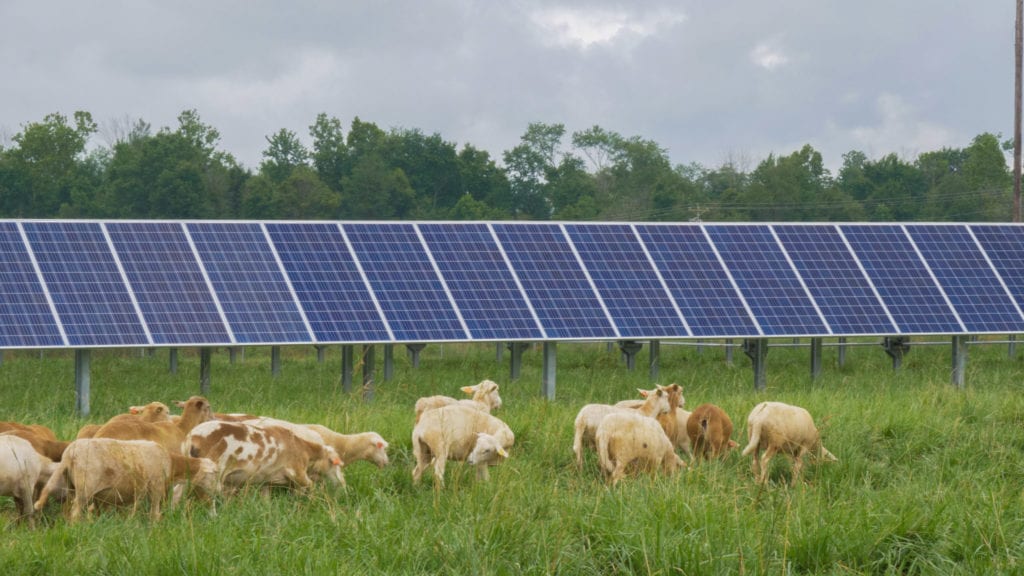
Highlights
- Improved Energy Access: Reliable solar home systems eliminate dependency on unreliable or non-existent grid connections.
- Enhanced Economic Growth: Job creation and diversified income streams boost rural economies.
- Sustainable Development: Reduced carbon emissions and resilient water access methods promote environmental and social well-being.
Introduction to Solar Energy in Rural Communities
In many rural and remote areas around the world, traditional power grids are either insufficient or entirely absent. Solar energy has emerged as a revolutionary solution that not only addresses energy access challenges but also fosters sustainable development. By integrating solar home systems and solar-powered water pumps, communities gain access to a reliable and renewable energy source that transforms everyday life. This comprehensive solution is changing rural landscapes by offering affordable, decentralized energy and stimulating local economies. Moreover, these systems contribute significantly to environmental sustainability by reducing dependence on fossil fuels.
The deployment of solar energy solutions in rural areas creates an ecosystem that supports improved education, healthcare, agriculture, and economic opportunities. Through targeted initiatives, communities have begun to overcome longstanding energy poverty, paving the way for a future marked by energy self-sufficiency and environmental resilience.
Impact of Solar Home Systems
Delivering Reliable and Clean Energy
Solar home systems are at the forefront of rural electrification. These systems consist typically of solar panels, batteries, and inverters that supply households with direct access to electricity. With the flexibility to power lights, mobile phones, radios, and small home appliances, these units transform daily routines and enhance living standards.
Prior to the implementation of solar systems, many rural households faced significant challenges such as reliance on kerosene lamps, limited study time for children due to inadequate lighting, and difficulty in maintaining communication networks. With solar home systems, communities experience the following benefits:
- Extended Productive Hours: With reliable lighting, households can extend activities into the evening, enhancing productivity and educational opportunities.
- Improved Health: The replacement of kerosene lamps with solar lighting reduces indoor air pollution and associated respiratory risks.
- Communication and Connectivity: Access to electricity enables the charging of mobile devices and connectivity tools, helping bridge the digital divide between rural and urban areas.
Case Studies and Regional Examples
In various African countries and parts of Asia, solar home systems have been deployed on a large scale. For instance, in Kenya and Tanzania, innovative pay-as-you-go models have allowed even the poorest households to afford solar energy solutions. These systems have reduced dependency on expensive and polluting fossil fuels, providing a sustainable solution to energy poverty.
Role of Solar-Powered Water Pumps
Addressing Water Scarcity and Enhancing Agriculture
Access to water is as crucial as access to electricity in rural communities. Solar-powered water pumps provide an efficient and environmentally friendly solution to water management, particularly in regions where traditional energy sources are scarce or unreliable.
These pumps facilitate the extraction of water from underground sources without depending on fuel-based generators or grid power. This innovation is vital for:
- Irrigation: By providing a steady water supply, solar pumps help farmers cultivate crops more effectively, leading to increased yields and economic stability.
- Domestic Water Supply: Communities gain easier access to clean and safe drinking water, which significantly improves public health by reducing the risk of waterborne diseases.
- Livestock Support: Consistent water availability enhances the care and productivity of domestic animals, an essential asset in many rural economies.
Through the integration of solar water pumps, rural regions can sustain agricultural practices that are both efficient and sustainable. This jump in productivity supports broader economic development and offers a path out of extreme poverty.
Enhanced Water Management Practices
Beyond agriculture, these solar-powered systems encourage the development of sustainable water management practices. For example, they can be used for drip irrigation systems that minimize water waste and optimize usage. The integration of such methods ensures that water resources are used judiciously, contributing to long-term environmental conservation and self-reliance in water-scarce regions.
Economic and Social Benefits
Driving Local Development and Job Creation
The economic implications of implementing solar energy solutions in rural areas are vast and diverse. By embracing renewable energy, rural areas experience a domino effect that spurs local development. Here are key economic and social benefits:
- Employment Opportunities: The installation, maintenance, and distribution of solar systems require skilled technicians, creating new jobs in areas that previously had limited opportunities. This job creation directly contributes to reducing unemployment and uplifting local skill levels.
- Increased Land Value: As solar projects become economically viable, agricultural lands can be leased for solar panel installations. This increases land value and provides farmers additional income streams, supporting a diversified rural economy.
- Economic Diversification: With reduced energy expenses and reliable access to power, communities can venture into micro-industries. This includes manufacturing, small-scale workshops, and digital services that significantly boost economic diversity.
- Improved Educational Outcomes: Electrification through solar systems ensures that schools have adequate lighting and power for computers and educational tools, fostering a conducive learning environment. This results in better educational outcomes and prepares a future workforce ready to tackle modern challenges.
- Enhanced Healthcare Services: Reliable energy is critical for powering healthcare facilities, ensuring that life-saving equipment like refrigerators for vaccines, diagnostic tools, and lights for emergency procedures operate seamlessly.
Economic Growth Table
| Aspect | Details |
|---|---|
| Job Creation | Training local technicians, maintenance staff, and installation teams offer sustainable employment opportunities. |
| Income Diversification | Farmers can lease land for solar farms; new micro-enterprises emerge given cost savings on traditional fuels. |
| Agricultural Productivity | Reliable water supply enables efficient irrigation practices, leading to higher crop yields and food security. |
| Education & Digital Inclusion | Solar electric power in schools enhances the quality of education through better lighting and digital connectivity. |
| Healthcare Improvement | Solar-powered clinics maintain essential services even during grid failures, thus reducing emergency vulnerabilities. |
This table highlights how solar energy systems stimulate various economic sectors by reducing reliance on costly energy sources and fostering a resilient, diversified local economy.
Promoting Sustainable Development
Environmental and Social Sustainability
Sustainable development is one of the key objectives behind the integration of solar energy into rural areas. The use of renewable energy sources has multiple environmental and social benefits that contribute to the long-term viability of communities. Key aspects include:
- Reduced Carbon Footprint: Solar energy minimizes greenhouse gas emissions compared to fossil fuels. This shift is critical in mitigating climate change by lowering overall carbon output.
- Resource Efficiency: The energy produced by solar panels is derived directly from the sun, an inexhaustible resource. This promotes a sustainable use of natural resources, ensuring that rural communities are not locked into a cycle of depleting non-renewable energy sources.
- Environmental Conservation: Solar panels have minimal environmental impact during operation. Their deployment helps reduce deforestation and soil degradation often associated with the extraction and use of traditional fuels.
- Social Equity: Access to clean and reliable energy contributes to social equity by leveling the playing field. With reliable energy, remote communities can gain access to the same opportunities as their urban counterparts, bridging the socio-economic gap.
Sustainable Development Initiatives
Various governmental and non-governmental initiatives have been launched globally to integrate solar solutions into rural development plans. These initiatives not only emphasize the importance of modern energy access but also invest in training local workforces and developing necessary infrastructure. In countries like India, Kenya, and Bangladesh, government subsidies and micro-financing options have made it possible for even low-income households to harness solar energy. As more communities adopt these technologies, the cumulative impact contributes to national and global sustainability goals.
Challenges and Considerations
Navigating Implementation and Scalability Issues
Although the benefits of solar energy solutions are clear, several challenges need to be addressed to ensure their effective and widespread uptake in rural areas. Some of these challenges include:
- High Initial Investment: The upfront cost of solar panels, batteries, and installation can be a barrier. However, innovative financing schemes, such as pay-as-you-go models and government subsidies, are being implemented to address this issue.
- Scalability: While small-scale systems like solar home setups demonstrate success, scaling these technologies across larger regions requires robust logistical and infrastructural planning.
- Maintenance and Technical Training: Providing continuous support and training local technicians is essential for maintaining the efficiency of solar systems. Without proper maintenance, the performance of these installations could deteriorate over time.
- Land Use and Environmental Impact: Large-scale solar farms require significant land area. To avoid conflicts with agricultural needs, careful planning must ensure that solar installations do not encroach on vital farmland.
- Policy and Regulatory Frameworks: The success of solar projects in rural areas is often dependent on supportive government policies. Clear regulatory frameworks that encourage the adoption of renewable energy are crucial for sustained growth.
Overcoming these challenges will require an integrated approach that involves government agencies, private sector investments, and community-based initiatives. By addressing these issues systematically, rural communities can fully harness the potential of solar energy.
The Broader Impact on Rural Communities
Integrating Solar Energy as a Catalyst for Change
Solar energy solutions have far-reaching implications beyond basic energy supply. In remote and underserved areas, access to electricity has become a springboard for a multitude of social and economic advancements. Some of the broader impacts include:
- Improved Public Services: Schools, clinics, and community centers that adopt solar energy are better equipped to offer essential services around the clock. This fosters a sense of community resilience and social cohesion.
- Enhanced Quality of Life: Reliable energy access empowers families to engage in evening activities, facilitates extended study hours for children, and ensures that health facilities can operate without interruption.
- Stimulated Local Industries: Entrepreneurs in rural areas leverage solar energy to start small businesses, from cold storage for perishable goods to micro-manufacturing. This diversification is key to sustained economic growth.
- Cultural and Social Upliftment: With better connectivity and access to information, rural communities are better able to engage in cultural exchange and social development programs, bridging the rural-urban divide.
The transformation brought by solar energy solutions is also evident in community-driven projects. When residents see tangible benefits such as improved education, healthcare, and job opportunities, there is a renewed sense of hope and empowerment that reverberates throughout the community.
References
- Solar Energy Initiatives in Rural Communities - Green.org
- Solar Energy and the Rebirth of Rural Economies - Green.org
- Solar Power for Rural Areas: Solutions for the Rural Resilience - EcoEnergizeNow
- Solar Energy Expansion and its Impacts on Rural Communities - FB.org
- 5 Advantages Of Solar Water Pumps (Costs and Savings) - Morca
Recommended Queries
Last updated March 22, 2025