
Tokenized Solar Energy Ownership Report
An in-depth analysis of blockchain-based solar investments
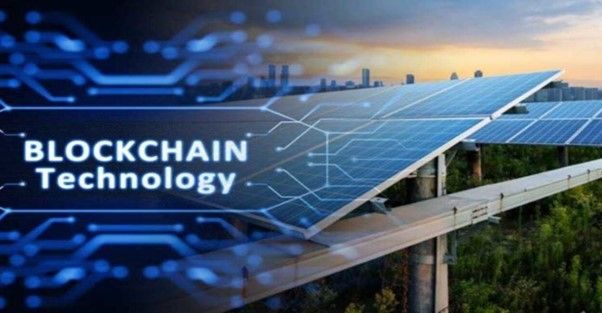
Key Takeaways
- Democratization of Investment: Tokenization lowers entry barriers, allowing widespread participation in solar energy projects.
- Enhanced Transparency and Security: Blockchain ensures immutable and transparent records of ownership, fostering trust among investors.
- Increased Liquidity: Tokenized solar assets can be easily traded on secondary markets, providing investors with greater flexibility.
Introduction
Tokenized solar energy ownership represents a groundbreaking fusion of renewable energy and blockchain technology. By converting solar assets into digital tokens, this model facilitates fractional ownership, making investments in solar energy more accessible, transparent, and liquid. This report delves into the mechanics, benefits, challenges, current implementations, and future prospects of tokenized solar energy ownership.
Understanding Tokenized Solar Energy Ownership
What is Tokenization in Solar Energy?
Tokenization involves the conversion of physical assets, such as solar panels or solar farms, into digital tokens on a blockchain. Each token signifies a fractional ownership or a share in the energy produced by these assets. This digital representation allows for the seamless buying, selling, and trading of solar energy shares, democratizing access to investments that were traditionally limited to large investors or institutions.
Core Concepts
Fractional Ownership
Fractional ownership enables multiple investors to own a portion of a solar asset. Instead of requiring significant capital to invest in an entire solar farm, individuals can purchase tokens representing smaller shares. This approach makes it feasible for individuals with limited funds to participate in renewable energy investments.
Blockchain Technology
Blockchain serves as the underlying infrastructure for tokenized solar energy ownership. By utilizing decentralized and secure blockchain platforms like Algorand and Cardano, the system ensures that ownership records are immutable and transparent. This technology mitigates the risk of fraud and enhances trust among participants by providing a verifiable ledger of all transactions and ownership stakes.
Energy Production Rights
Token holders not only own a share of the solar assets but also have rights to the energy produced. Depending on the model, these rights can translate into financial benefits such as revenue from electricity sales or credits applied to the token holder's electricity bills. This dual benefit structure incentivizes investment by providing both ownership and tangible returns.
Benefits of Tokenized Solar Energy Ownership
Accessibility and Democratization
Tokenization breaks down the barriers to entry for renewable energy investments. Individuals residing in urban areas without suitable roof space for solar panels can invest in solar projects located elsewhere. This inclusive approach democratizes access, allowing a diverse range of investors to participate in the growth of renewable energy.
Transparency and Security
Blockchain's inherent properties of immutability and transparency ensure that all transactions and ownership records are securely maintained. This reduces the potential for fraud and enhances investor confidence. Every token transaction is recorded on the blockchain, providing a clear and auditable trail of ownership changes.
Liquidity and Flexibility
Traditional investments in solar energy are often illiquid, requiring long-term commitments without easy exit options. Tokenization introduces liquidity by enabling the trading of tokens on secondary markets. Investors can buy or sell their shares with relative ease, providing greater flexibility and the ability to quickly reallocate investments as needed.
Cost Reduction and Offset Benefits
Token holders can benefit from reduced energy costs through their ownership shares. For instance, programs like Enel Group's initiative in Italy allow token holders to use their shares to offset residential electricity bills. This not only provides financial savings but also incentivizes the adoption of renewable energy.
Challenges and Considerations
Regulatory Compliance
Tokenized solar energy ownership operates at the intersection of renewable energy and financial markets, both of which are heavily regulated. Navigating the complex web of local and international securities laws is a significant challenge. Compliance with Know Your Customer (KYC) and Anti-Money Laundering (AML) regulations is essential to ensure the legality and legitimacy of token offerings.
Market Adoption and Education
While the concept of tokenization offers numerous advantages, widespread adoption requires significant education and trust-building among potential investors. Many individuals may be unfamiliar with blockchain technology or hesitant to invest in digital assets. Effective communication of the benefits and mechanisms of tokenized ownership is crucial to drive adoption.
Technological Limitations
Blockchain scalability and energy consumption are ongoing concerns. Although platforms like Algorand and Cardano are addressing these issues, ensuring that the blockchain infrastructure can handle large-scale token transactions without excessive energy use remains a critical consideration. Additionally, ensuring the security of smart contracts and preventing vulnerabilities are paramount to maintaining investor trust.
Market Volatility and Risks
The value of tokenized solar assets can be subject to market volatility, influenced by factors such as energy prices, regulatory changes, and broader economic conditions. Investors must be aware of the potential risks, including the fluctuation of token values and the long-term sustainability of the revenue models supporting these tokens.
Current Applications and Case Studies
Enel Group and Algorand Blockchain
The Enel Group, a leading Italian energy company, has partnered with Conio to launch a tokenized solar panel ownership program on the Algorand blockchain. This initiative allows Italian consumers to purchase fractional ownership of solar panels, enabling them to offset their residential electricity bills with the energy produced. This program exemplifies how large energy corporations can leverage blockchain to make renewable energy investments more accessible to the general population.
SolarShare
SolarShare is a blockchain-powered platform that facilitates fractional ownership of solar farms. By tokenizing solar assets, SolarShare allows investors worldwide to participate in renewable energy projects regardless of their geographical location or investment size. Revenue from electricity sales is distributed to token holders in the form of stablecoins like USDT, providing a steady income stream and enhancing the appeal of solar investments.
Brooklyn Microgrid
The Brooklyn Microgrid project utilizes the Ethereum blockchain to tokenize excess solar energy produced by local households. This decentralized energy marketplace enables peer-to-peer energy sales, allowing participants to buy and sell energy tokens within the community. This model not only promotes renewable energy usage but also fosters local energy independence and resilience.
Cardano's Zero Citizen Project
Zero Citizen is developing a platform on the Cardano blockchain to tokenize solar photovoltaic (PV) ownership. This project allows homeowners to invest in and own shares of solar panels, with the potential for public investment in the remaining portions. Returns are derived from the sale of electricity generated by the solar panels, providing both financial and environmental benefits to token holders.
Sun Exchange
Sun Exchange offers a unique model where individuals can lease solar panels to businesses and receive tokens in return. These tokens represent ownership stakes and entitle holders to a portion of the revenue generated from solar energy sales. This approach not only provides investors with a tangible return on their investment but also contributes to the expansion of solar energy infrastructure.
Benefits in Detail
Accessibility
Tokenization makes solar energy investments accessible to a broader audience. Individuals without the means to install solar panels on their properties can still invest in solar projects and benefit from the returns generated. This inclusivity promotes widespread participation in the renewable energy sector, driving its growth and sustainability.
Financial Inclusion
By lowering the investment threshold, tokenized solar ownership allows individuals with limited capital to participate in solar energy markets. This financial inclusion not only diversifies investment portfolios but also fosters economic empowerment by providing new avenues for passive income.
Decentralization
Tokenization decentralizes energy ownership, enabling local and global participation irrespective of geographical location. This decentralization empowers communities to take control of their energy sources and reduces reliance on centralized energy providers, enhancing energy security and resilience.
Sustainability
Investing in tokenized solar energy supports the adoption of renewable energy sources, contributing to the reduction of carbon emissions and combating climate change. This sustainable approach aligns with global environmental goals and promotes the transition towards a greener economy.
Investment Flexibility
Token holders enjoy the flexibility of real-time trading, allowing them to adjust their investments based on market conditions and personal financial strategies. This dynamic investment environment contrasts with the typically static nature of traditional solar energy investments.
Challenges Revisited
Regulatory Hurdles
Operating within the overlapping domains of energy and financial regulation complicates the landscape for tokenized solar ownership. Navigating differing regulations across countries requires robust legal frameworks and compliance measures to ensure the legitimacy and appeal of token offerings.
Technical Complexities
Developing secure, scalable, and user-friendly blockchain platforms is essential for the success of tokenized solar ownership. Ensuring that smart contracts are free from vulnerabilities and that the blockchain can handle large volumes of transactions without significant energy consumption remains a technical challenge that developers must address.
Market Dynamics
The volatility inherent in cryptocurrency markets can impact the perceived stability of tokenized solar assets. Investors must consider the potential for price fluctuations and the overall market sentiment when investing in these tokens, balancing the promise of renewable energy with the risks of digital asset investment.
Future Outlook
The trajectory of tokenized solar energy ownership appears promising, with several factors contributing to its potential growth:
Technological Advancements
Ongoing improvements in blockchain technology, including enhanced scalability and reduced energy consumption, will bolster the feasibility and attractiveness of tokenized solar ownership. Innovations such as layer-2 solutions and more efficient consensus mechanisms will address current limitations.
Regulatory Evolution
As governments and regulatory bodies become more familiar with blockchain and tokenization, clearer guidelines and supportive policies are likely to emerge. This regulatory clarity will facilitate the expansion of tokenized solar projects and encourage investor participation by mitigating legal uncertainties.
Market Expansion
The increasing global emphasis on renewable energy transition will drive demand for innovative financing models like tokenization. As more businesses and consumers seek sustainable energy solutions, the market for tokenized solar ownership is expected to expand, attracting substantial investment and fostering the development of large-scale solar projects.
Integration with Smart Grids
The integration of tokenized solar energy ownership with smart grid technologies will enhance the efficiency and responsiveness of energy distribution. Smart grids can dynamically manage energy supply and demand, optimizing the use of distributed solar assets and maximizing the benefits of tokenized ownership.
Global Collaboration
International collaborations between energy companies, blockchain developers, and financial institutions will play a crucial role in scaling tokenized solar projects. Cross-border partnerships can leverage diverse expertise and resources, accelerating the adoption of tokenization in renewable energy markets worldwide.
Conclusion
Tokenized solar energy ownership stands at the forefront of the renewable energy revolution, offering a novel blend of accessibility, transparency, and financial flexibility. By harnessing blockchain technology, this model democratizes investment in solar assets, making it possible for a broader population to participate in and benefit from the growth of sustainable energy. While challenges such as regulatory compliance and technological scalability remain, the ongoing advancements and increasing market interest signal a robust future for tokenized solar energy ownership. As the world continues to prioritize the transition to renewable energy, tokenization is set to become a pivotal mechanism in financing and managing solar energy projects, driving both environmental sustainability and economic inclusion.
References
Last updated January 26, 2025