
Solubag: Could This Water-Soluble Innovation Dissolve the World's Plastic Crisis?
An in-depth look at the revolutionary material designed to replace single-use plastics, its technology, impact, and global journey.
Key Insights: Solubag at a Glance
- Revolutionary Material Science: Solubag introduces a 100% plastic-free, polyvinyl alcohol (PVA)-based material that dissolves in water, leaving no toxic residues or harmful microplastics behind.
- Significant Investment & Expansion: Bolstered by a $4.5 million Series A funding round led by Exit Ventures in late 2024, Solubag is actively scaling its production and expanding its market presence globally.
- Eco-Conscious End-of-Life: Engineered for harmless decomposition in diverse environments including landfills, waterways, and oceans, Solubag directly tackles the pervasive issue of plastic pollution.
The Dawn of Dissolvable Packaging: Introducing Solubag
In a world grappling with the escalating crisis of plastic pollution, Solubag emerges as a beacon of innovation. This Chilean-born company has developed a groundbreaking alternative to conventional single-use plastics. At its core, Solubag's technology offers materials that perform like traditional plastics during their use phase but possess a remarkable characteristic: they dissolve in water. This unique property positions Solubag as a potentially transformative solution, aiming to mitigate the environmental damage caused by persistent plastic waste and the proliferation of microplastics.
Unpacking the Technology: How Solubag Works
Solubag's innovation lies in its patented material composition, primarily utilizing Polyvinyl Alcohol (PVA), a water-soluble and biodegradable polymer. Unlike conventional plastics derived from crude oil, Solubag's raw materials are often cited as being based on natural substances, such as calcium carbide and natural gas derivatives, further enhancing its environmental credentials.
The Science of Disappearing
Material Composition and Properties
The material is engineered to be robust enough for everyday applications, such as shopping bags, packaging films, and even detergent sheets. It mimics the flexibility, elasticity, and strength of traditional plastics. However, its true distinction lies in its end-of-life behavior.
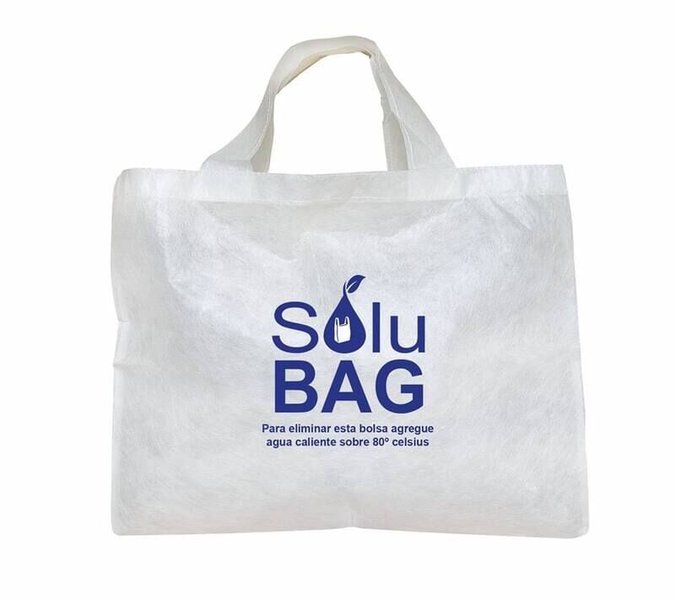
An example of Solubag's eco-friendly water-soluble bags, designed as an alternative to traditional plastic.
Controlled Dissolution
Solubag products are designed to dissolve when immersed in water. The rate of dissolution is influenced by several factors:
- Water Temperature: Dissolution is significantly faster in hot water (e.g., above 65°C or 149°F), where a bag can dissolve in a matter of minutes (sometimes cited as under 5 minutes).
- Moisture and Agitation: In cool water, or in environments like moist soil or landfills, the process is slower, ranging from several days to a few months (typically 2 weeks to 4 months, depending on specific conditions and product formulation).
- Product Thickness: Thicker, more durable products may be designed for multiple reuses before eventual dissolution.
Crucially, upon dissolving, Solubag materials break down into harmless, non-toxic components. They do not fragment into microplastics, which are a significant concern with many other plastic types, including some biodegradable plastics that only break down under specific industrial composting conditions.
Environmental Impact: A Greener Footprint
The primary environmental benefit of Solubag lies in its potential to drastically reduce persistent plastic waste. Traditional plastics can endure in the environment for hundreds of years, polluting ecosystems and harming wildlife. Solubag offers a solution that aligns more closely with natural cycles.
Tackling Plastic Pollution Head-On
- No Microplastic Generation: By dissolving completely, Solubag avoids the creation of harmful microplastic particles.
- Safe for Ecosystems: The dissolved components are reported to be non-toxic and safe for marine life, terrestrial environments, and even potentially edible without harm, according to some sources.
- Reduced Landfill Burden: While they can decompose in landfills, their water-soluble nature offers alternative, more benign disposal pathways.
- Addressing Non-PET Recycling Challenges: Many single-use plastics are difficult or economically unviable to recycle (especially non-PET types). Solubag bypasses this issue by degrading naturally.
Comparative Material Analysis
To better understand Solubag's advantages, the table below compares its key characteristics against traditional single-use plastics and common bioplastics like PLA (Polylactic Acid). This highlights how Solubag differentiates itself in terms of source materials, decomposition, and environmental safety.
| Feature | Solubag | Traditional Single-Use Plastic (e.g., PE) | Standard Bioplastics (e.g., PLA) |
|---|---|---|---|
| Primary Material Source | Polyvinyl Alcohol (PVA), often from natural gas/calcium carbide derivatives | Fossil fuels (e.g., petroleum, natural gas) | Plant-based (e.g., corn starch, sugarcane, tapioca) |
| Plastic Content | Effectively 0% (formulated to be non-plastic in behavior and residue) | 100% synthetic polymer | Can contain plasticizers; is a polymer, often requiring industrial composting |
| Solubility in Water | Yes (rate dependent on temperature and conditions) | No | Generally no (some specialized types might exist but not typical) |
| Decomposition Time | Weeks to months (environment dependent) | Hundreds of years | Months to years (typically requires specific industrial composting conditions) |
| Residue Post-Decomposition | No harmful or toxic residue | Persists as plastic, eventually fragments into microplastics | Can leave microplastics or require specific conditions to fully biodegrade; compost from industrial facilities |
| Microplastic Generation | No | Yes, significantly | Potential if not properly composted; some may fragment |
| End-of-Life Options | Dissolves in water, landfill degradation, potentially home compostable (depending on formulation) | Landfill, limited recycling, incineration | Primarily industrial composting (if facilities available), landfill, limited recycling |
| Marine Safety | Designed to dissolve and be non-toxic, considered safer | Major pollutant, physically harmful, leaches chemicals | Varies; many formulations are still harmful or persistent in marine environments |
Solubag's Product Ecosystem: Versatility in Action
Solubag's technology is not limited to a single product. Its versatility allows for a range of applications, aiming to replace various single-use plastic items that contribute to pollution.
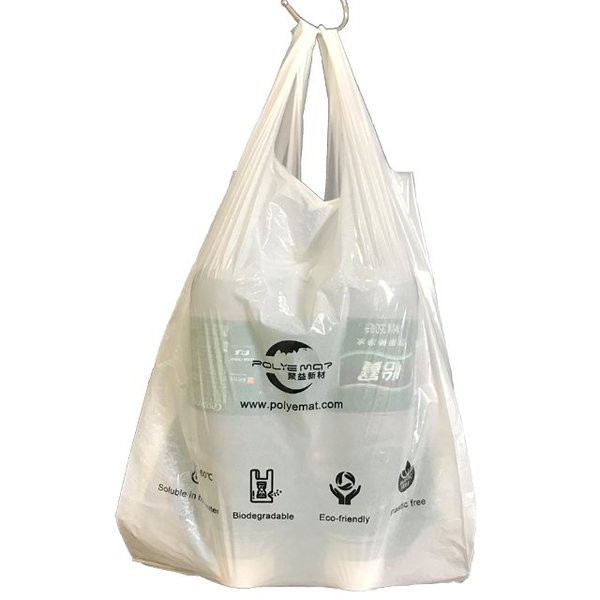
Solubag shopping bags demonstrating a practical application of the water-soluble technology.
Key Product Categories
- Shopping Bags: A direct replacement for traditional plastic carrier bags, offered in various thicknesses and durability levels, some even designed for multiple uses before dissolution.
- Packaging Films: Flexible films for wrapping products, including food items (e.g., nuts, produce) and other consumer goods. Bubble wrap alternatives are also feasible.
- Detergent Pods & Sheets: The water-soluble nature of PVA has long been used in detergent pods; Solubag expands on this with items like soluble laundry detergent sheets.
- Specialized Bags: Dog waste bags, garment bags, and other specific-use items.
- Protective Masks: During health crises, Solubag has also explored applications like soluble components for protective gear.
The company's ability to tailor the material's properties, including dissolution rate and mechanical strength, allows it to cater to diverse market needs.
Current Status, Growth, and Market Performance
As of early 2025, Solubag is an actively operational company focused on scaling its innovative solutions. The company has achieved significant milestones in funding, product commercialization, and market penetration.
Funding and Expansion
A pivotal moment for Solubag was securing $4.5 million in a Series A funding round in October 2024. This investment, notably led by Exit Ventures, underscores investor confidence in Solubag's technology and its market potential. These funds are crucial for expanding manufacturing capabilities, enhancing research and development, and broadening its global reach. Solubag products are increasingly available in North America, Europe, and Latin America, sold through its official websites and other retail channels, including platforms like Amazon.
Certifications and Partnerships
Solubag has reportedly obtained worldwide patents for its technology and various quality and biodegradability certifications (e.g., from SGS), which lend credibility to its environmental claims. Strategic partnerships, such as one noted with Pharmapacks, indicate efforts to integrate Solubag's solutions into larger supply chains, helping businesses adopt greener packaging and operational practices.
Comparative Attributes of Solubag
The radar chart below offers a visual comparison of Solubag against traditional single-use plastics and typical PLA-based bioplastics across several key attributes. This helps illustrate Solubag's relative strengths and positioning in the sustainable materials market. The scores are indicative, on a scale of 1 to 10 (where higher is generally better for positive attributes like Eco-Impact, and lower might be less desirable for Material Strength if compared to highly durable, non-degrading plastics, but here reflects suitability for its intended single-use replacement role).
This chart highlights Solubag's strong eco-impact and dissolution control. While traditional plastics excel in strength and existing market dominance/scalability (due to established infrastructure), Solubag and PLA bioplastics offer more environmentally conscious profiles, with Solubag particularly excelling in its unique end-of-life dissolution property without generating microplastics.
Origins and Ownership: The Story Behind Solubag
Solubag's journey began in Chile, a country that has shown progressive stances on plastic regulation. The company was founded by innovators driven by a mission to combat the global plastic pollution crisis. Operations are reported to have started around 2017-2018, stemming from research into water-soluble materials suitable for replacing everyday plastic items.
While specific details about all individual founders are not always public, Solubag is a privately owned company. A key entity in its growth and ownership structure is Exit Ventures, an investment group that not only led its $4.5 million Series A funding round but is also actively involved in supporting the company's development and commercial expansion. The founding team's vision for environmental responsibility remains central to Solubag's operations as it expands its international footprint, including a significant presence with Solubag USA.
Unique Selling Proposition (USP): What Makes Solubag Stand Out?
Solubag's core differentiation lies in a compelling combination of features that address the shortcomings of conventional plastics and many existing "eco-friendly" alternatives:
- Truly 100% Plastic-Free and Non-Toxic Dissolution: Unlike some bioplastics that may still contain polymer components or require specific conditions to degrade without harm, Solubag is marketed as completely plastic-free and designed to dissolve into genuinely non-toxic, harmless substances.
- No Microplastic Footprint: This is a critical advantage. The material dissolves completely, leaving no microplastic particles to pollute waterways, soil, or enter the food chain.
- Environmental Safety Across Ecosystems: Its decomposition is safe in landfills, freshwater, saltwater oceans, and soil, posing no threat to wildlife or human health. Some reports even suggest its components are safe enough to be ingested.
- Versatility and Performance: Solubag products can mimic the functionality of traditional plastics for their intended use-life, offering practical solutions without compromising on performance for single-use applications.
- Scalability and Manufacturing Compatibility: The technology is reportedly compatible with existing plastic film production equipment, potentially easing the transition for manufacturers and facilitating wider adoption.
- Adjustable Dissolution Rates: The material can be engineered for different dissolution times and conditions, catering to diverse product requirements.
Target Audience: Who Uses Solubag?
Solubag caters to a broad spectrum of customers who are increasingly aware of environmental issues and actively seeking sustainable alternatives:
- Eco-Conscious Consumers: Individuals looking to reduce their plastic footprint in daily life, through items like grocery bags and household product packaging.
- Retailers: Supermarkets, grocery stores, and other retail chains are adopting Solubag to comply with plastic bag bans, enhance their corporate social responsibility image, and meet consumer demand for greener options.
- Businesses and Industries: Companies in sectors such as food service, hospitality, agriculture, logistics, and manufacturing are exploring Solubag for packaging solutions, from product wraps to industrial films, aligning with zero-waste policies and sustainability goals. The laundry and cleaning industries also benefit from water-soluble packaging for detergents.
Solubag on the Global Stage: Connections to Sustainability Platforms
While Solubag's core focus is on its technology and market expansion, its innovative approach has garnered attention within global sustainability circles. The company has been mentioned in connection with platforms like the Altru Institute and initiatives related to the Davos Consortium (specifically, the Davos Climate, Energy & Sustainability Consortium).
These platforms often serve as conveners, bringing together global leaders, innovators, investors, and policymakers focused on scalable solutions to pressing environmental challenges, including climate change and pollution. For a company like Solubag, association with or presentation at such forums can offer several benefits:
- Increased Visibility: Showcasing its technology to an influential international audience.
- Networking Opportunities: Connecting with potential partners, investors, and large-scale adopters.
- Validation and Credibility: Being featured alongside other leading-edge sustainability innovations can reinforce its standing in the field.
For instance, individuals associated with Solubag, such as Paul Burgon (noted as adding value to the team), have reportedly participated in Davos-related sessions. The Altru Institute, through its Davos Consortium, aims to act as a technology platform and convening space, facilitating the scaling of impactful sustainability technologies. While these connections are more about ecosystem involvement and visibility rather than direct operational ties, they help amplify Solubag's mission and position it within a global network committed to environmental transformation.
Visualizing Solubag's Ecosystem
The mindmap below illustrates the interconnected aspects of Solubag, from its core technology to its market engagement and its presence within broader sustainability discussions.
(Temp. & Moisture Dependent)"] id2["**Environmental Impact**"] id2_1["Harmless Decomposition
(Landfills, Waterways, Oceans)"] id2_2["Addresses Microplastic Pollution"] id2_3["Sustainable End-of-Life"] id2_4["Safe for Wildlife and Ecosystems"] id3["**Products & Applications**"] id3_1["Shopping & Retail Bags"] id3_2["Packaging Films & Bubble Wrap"] id3_3["Soluble Detergent Sheets/Pods"] id3_4["Produce Bags & Food Packaging"] id3_5["Specialized Custom Solutions"] id4["**Business Aspects**"] id4_1["**Origins:** Founded in Chile"] id4_2["**Funding:** $4.5M Series A (led by Exit Ventures)"] id4_3["**Ownership Structure:** Founders & Key Investors"] id4_4["**Market Presence:** Expanding Globally (North America, Europe, LATAM)"] id4_5["**Strategic Partnerships:** e.g., Pharmapacks"] id5["**Unique Selling Proposition (USP)**"] id5_1["Truly Biodegradable & Water-Soluble"] id5_2["Environmentally Safe Disposal"] id5_3["Versatile Range of Applications"] id5_4["Supports Circular Economy Principles"] id6["**Target Customers**"] id6_1["Environmentally Aware Consumers"] id6_2["Retail Sector (Grocery, Fashion, etc.)"] id6_3["Industrial & Commercial Businesses
(Packaging, Food Service, Logistics)"] id7["**Global Sustainability Platforms**"] id7_1["Connections to Altru Institute"] id7_2["Visibility via Davos Consortium"] id7_3["Networking for Global Impact"] id7_4["Showcasing Scalable Solutions"]
This mindmap provides a holistic view of Solubag's multifaceted approach to tackling plastic pollution, highlighting how its technological innovation is supported by strategic business development and engagement with global sustainability efforts.
See Solubag in Action: Understanding the Innovation
To provide a clearer picture of what Solubag is and how its technology functions, the following video offers a concise overview. It helps visualize the concept of water-soluble bags and their potential to revolutionize our approach to single-use items.
This video, titled "What is Solubag?", gives a straightforward introduction to the company and its core product concept. It helps illustrate how these bags can offer the convenience of plastic without the long-lasting environmental harm, dissolving away when their useful life is over.
Frequently Asked Questions (FAQ) about Solubag
How quickly do Solubag products dissolve?
The dissolution rate varies. In hot water (e.g., above 65°C or 149°F), they can dissolve in minutes (sometimes under 5 minutes). In cold water or moist environments like soil or landfills, it takes longer, typically from a few days to a few months (generally quoted as 2 weeks to 4 months), depending on the specific product formulation and environmental conditions like moisture and temperature.
Are Solubag products safe for marine life and the environment?
Yes, Solubag products are designed to dissolve into non-toxic components that are harmless to marine life and other ecosystems. They do not leave behind microplastics or harmful chemical residues, making them a much safer alternative to conventional plastics.
Can Solubag bags be reused before they dissolve?
Some Solubag products, particularly thicker bags, are designed to be reusable multiple times under normal conditions (e.g., they can withstand rain). Their durability allows for practical reuse before they eventually reach their end-of-life and dissolve upon prolonged exposure to sufficient water or appropriate disposal conditions.
What are Solubag products made from?
Solubag products are primarily made from Polyvinyl Alcohol (PVA), a water-soluble and biodegradable synthetic polymer. The company states its raw materials are derived from natural substances like calcium carbide and natural gas, rather than crude oil, differentiating them from traditional plastics. They are formulated to be 100% plastic-free in their final state and behavior.
Do Solubag products leave behind microplastics?
No, one of the key benefits of Solubag technology is that the materials dissolve completely in water, breaking down into benign components at a molecular level. They do not fragment into microplastics, which is a significant advantage over conventional plastics and even some types of bioplastics.
Recommended Further Exploration
If you're interested in learning more about innovations in sustainable materials and plastic alternatives, consider exploring these related queries:
- How does Polyvinyl Alcohol (PVA) break down in different environmental conditions?
- What are the latest advancements in bioplastics and water-soluble packaging solutions globally?
- Compare the lifecycle assessment of Solubag with traditional plastics and PLA bioplastics.
- What role do venture capital firms like Exit Ventures play in scaling greentech innovations?
References

Last updated May 11, 2025