
Plastic Bottle Manufacturing Business Organizational Structure
Discover a comprehensive framework for efficient production and management
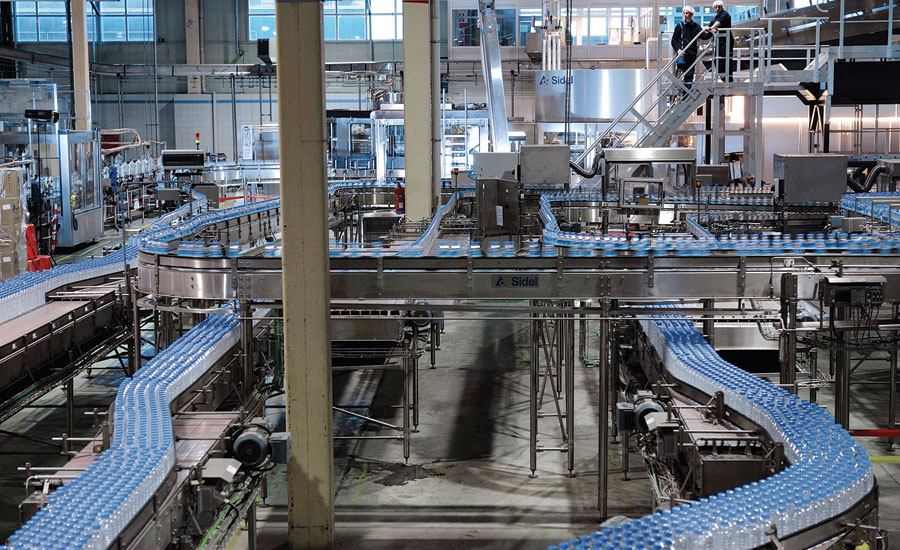
Key Highlights
- Comprehensive Departmental Integration: Establish departments including Production, Quality Control, Sales, Finance, HR, R&D, and Supply Chain for seamless operations.
- Clear Role Definition: Manage and streamline decision-making and responsibilities with defined roles for executive management and support groups.
- Sustainability and Innovation: Integrate eco-friendly practices, efficient processes, and ongoing innovation to boost competitiveness in a dynamic market.
Overview of Organizational Structure
A well-designed organizational structure is the backbone of a successful plastic bottle manufacturing business. It aligns the workflow, clarifies reporting relationships, and ensures that each department collaborates to meet business objectives. Structuring the organization appropriately enables optimal communication, robust quality assurance, effective supply chain management, and strategic marketing. In essence, a clear structure promotes operational excellence, reduces inter-departmental conflict, and facilitates rapid decision-making, catering to both growth and sustainable practices.
Departmental Breakdown and Roles
1. Executive Management
At the top of the hierarchy is the Executive Management team. This group is responsible for setting strategic priorities and driving the overall vision of the company. Their key roles include:
- CEO/Managing Director: Oversees all aspects of the business, ensuring strategic alignment and long-term sustainability.
- CFO: Manages financial planning, budgeting, and reporting to steer the company toward profitability.
- COO: Directs operational functions including production planning, supply chain logistics, and general business operations.
2. Production Department
The Production Department is at the heart of the manufacturing process. Its primary goal is to convert raw materials into high-quality plastic bottles through efficient and often automated processes. This department typically includes:
- Production Manager: Responsible for supervising the overall manufacturing process, ensuring production targets and quality benchmarks are met.
- Machine Operators: Manage and operate machinery, ensuring that processes run smoothly on a day-to-day basis.
- Quality Control Inspectors: Monitor products during and after production to ensure they meet industry standards and specifications.
- Maintenance Technicians: Provide routine maintenance and address technical issues to reduce downtime and maintain efficiency.
3. Engineering and Technical Support
The Engineering department plays a crucial role in optimizing production processes and integrating new technologies. The team comprises:
- Process Engineer: Focuses on implementing efficient manufacturing processes, troubleshooting technical challenges, and optimizing production lines.
- Technical Support: Provides immediate assistance to resolve machine malfunctions and technical disruptions, thus ensuring minimal production loss.
4. Supply Chain and Logistics
An efficient supply chain is indispensable in acquiring high-quality raw materials and delivering finished products. Key functions include:
- Supply Chain Manager: Oversees procurement, raw material inventory, vendor partnerships, and cost-effective sourcing strategies.
- Logistics Coordinator: Manages the distribution networks, ensuring that both incoming materials and outgoing products move efficiently through the system.
5. Sales and Marketing
For a manufacturing business, it is critical to translate production capabilities into market success. The Sales and Marketing department is tasked with:
- Sales Manager: Develops sales strategies, manages client relationships, and oversees the sales team to expand market reach.
- Marketing Specialist: Designs marketing campaigns, leverages social media, conducts market research, and promotes the brand’s value proposition.
6. Human Resources (HR)
The HR Department supports the operational and developmental needs of the workforce. Its functions cover:
- HR Manager: Manages recruitment, training, employee welfare, and ensures compliance with employment laws.
- Training Officer: Develops programs to advance employee skills and aligns workforce capabilities with company objectives.
7. Research and Development (R&D)
Continuous innovation is fundamental for staying competitive. The R&D department focuses on:
- R&D Manager: Steers innovation initiatives, researching new materials and manufacturing technologies that can improve product quality and sustainability.
- Product Development Team: Works on creating new products, often exploring biodegradable materials or energy-efficient practices to appeal to eco-conscious consumers.
8. Compliance and Sustainability
Increased regulatory scrutiny and environmental considerations require dedicated roles to oversee adherence to standards and sustainability goals. This department includes:
- Compliance Officer: Ensures that the business complies with all regulatory requirements and industry standards.
- Sustainability Specialist: Implements green practices, such as energy-efficient machinery, recycling initiatives, and environmentally friendly production techniques.
Detailed Organizational Chart
Below is a detailed table that outlines the key departments, roles, and responsibilities within a plastic bottle manufacturing business:
| Department | Key Roles | Primary Responsibilities |
|---|---|---|
| Executive Management | CEO, CFO, COO | Strategic oversight, financial management, operational planning |
| Production | Production Manager, Machine Operators, Quality Control Inspectors, Maintenance Technicians | Manufacturing processes, machinery operation, product quality assurance |
| Engineering | Process Engineer, Technical Support | Optimize production through technology, troubleshoot machine issues |
| Supply Chain & Logistics | Supply Chain Manager, Logistics Coordinator | Procurement, inventory, transportation of raw materials and finished products |
| Sales & Marketing | Sales Manager, Marketing Specialist | Market outreach, customer acquisition, brand promotion |
| Human Resources | HR Manager, Training Officer | Recruitment, employee training, workforce management |
| Research & Development | R&D Manager, Product Development Team | Innovation, new product development, process improvements |
| Compliance & Sustainability | Compliance Officer, Sustainability Specialist | Regulatory compliance, eco-friendly practices, waste reduction initiatives |
Strategies for Optimal Organizational Efficiency
Enhancing Communication Channels
Effective communication is a cornerstone of any successful organizational structure. Clearly defined reporting lines and open communication channels foster efficient decision-making and problem resolution. Regular meetings—ranging from daily briefings in production to monthly executive reviews—ensure that every department is aligned with the company’s strategic goals. Leveraging collaboration software and digital dashboards can further streamline cross-functional communication, helping to bridge the gap between different areas of the business.
Continuous Process Improvement
The integration of continuous improvement methodologies such as lean manufacturing and Six Sigma in the production and operational processes can significantly enhance efficiency. By instituting regular reviews and feedback loops, organizations can identify bottlenecks and initiate timely corrective actions. Experimental approaches in the R&D department, accompanied by rigorous testing and quality assurance measures, pave the way for introducing better designs and environmentally friendly materials into the product line.
Investment in Technological Innovation
Technology plays an indispensable role in modern manufacturing. Investing in state-of-the-art machinery, automation, and data analytics not only boosts production capacity but also improves product consistency and reduces waste. For example, modern quality control systems that include sensors and cameras ensure defects are detected early in the manufacturing process. Furthermore, integrating advanced ERP systems empowers decision-makers by providing real-time insights into inventory management, production efficiency, and financial performance.
Sustainability and Environmental Considerations
With growing emphasis on sustainability, manufacturing organizations must adapt to meet environmental standards. Incorporating energy-efficient processes, investing in biodegradable materials, and implementing recycling initiatives are no longer optional but a necessity. This proactive approach not only aligns with regulatory requirements but also enhances the brand image among eco-conscious consumers. The integration of a dedicated compliance and sustainability department ensures continuous monitoring and the effective implementation of eco-friendly practices, which can also lead to significant cost savings in energy consumption and waste management.
Integrating Best Practices in Business Operations
Role of Technology and Data Analytics
In today’s competitive landscape, the role of technology cannot be overstated. Digital transformation initiatives are central to improving operations across all departments. Data analytics offers actionable insights that can be used for forecasting production needs, monitoring quality control metrics, and evaluating customer trends. Advanced manufacturing systems equipped with Internet of Things (IoT) technology facilitate real-time monitoring, which further contributes to proactive maintenance and operational efficiency.
Cross-Functional Team Coordination
Integrated teamwork across different departments is critical. Regular training sessions, team-building activities, and performance reviews ensure that every employee understands their role within the broader organizational context. The synergy between production, engineering, marketing, and support units can lead to rapid innovation, minimal downtime, and a resilient supply chain ready to overcome market fluctuations.
Risk Management and Crisis Preparedness
An essential part of designing an organizational structure is incorporating a risk management framework. Proactive measures such as contingency planning, emergency response protocols, and regular risk assessments help safeguard the business against unforeseen challenges. The executive management, along with dedicated departments, should work together to create and regularly update crisis management plans. This level of preparedness directly contributes to the organization’s ability to sustain operations even during disruptions.
Modern Trends and Future Directions
Digital Integration and Smart Manufacturing
The digital revolution is influencing every aspect of manufacturing. Embracing Industry 4.0 technologies like artificial intelligence, machine learning, and big data analytics can transform how the organization operates. Smart sensors, real-time data processing, and automated machinery are becoming the norm, ensuring superior quality control, minimized downtime, and integrated supply chain visibility.
Sustainability and Eco-Innovation
Future organizational structures in the plastic bottle manufacturing sector are likely to emphasize sustainability to an even greater extent. Companies are exploring biodegradable plastic alternatives, adopting circular economy models, and investing in renewable energy sources to power their operations. These initiatives not only reduce environmental impact but also open new market opportunities by aligning with global sustainability trends.
Customization and Decentralized Decision-Making
The evolving market dynamics call for adaptive organizational structures. Emphasizing a decentralized model, where decision-making is distributed across various levels, helps in catering to local market demands more effectively. This approach inspires innovation and allows for more agile responses to both opportunities and challenges.
Final Organizational Model – An Integrated Approach
A successful plastic bottle manufacturing business harnesses a blend of strategic leadership, efficient production capabilities, progressive technological investments, and robust sustainability practices. The streamlined integration among key departments such as Executive Management, Production, Engineering, Supply Chain, Sales, HR, R&D, and Compliance underpins the operational success of the business.
This comprehensive model not only supports production excellence and quality assurance but also prepares the business to respond effectively to market pressures, technological advancements, and environmental challenges. A balanced organizational structure fosters innovation and positions the company to sustain growth while maintaining its competitive edge in the plastic manufacturing industry.
References
- Edraw Software - Manufacturing Org Chart
- EdrawMind - Manufacturing Company Organizational Chart
- TheOrgChart - Manufacturing Organizational Chart
- Avvale - Plastic Bottle Manufacturing Business Plan
- FinModelsLab - PET Bottle Manufacturing Business Plan
- Profitable Venture - Business Plan for Plastic Bottle Manufacturing
- Creately - Plastics Manufacturing Company Org Chart
Recommended Queries for Further Exploration
Last updated March 15, 2025