
Plastic Bottle Manufacturing Business Organizational Structure
A detailed exploration of roles, departments, and best practices in structuring your business
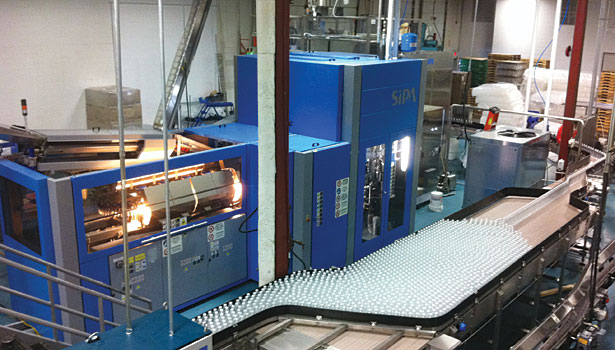
Key Highlights
- Comprehensive Functional Departments: From executive management to production, quality control, R&D, sales, logistics, HR, and finance.
- Clear Roles and Collaborative Practices: Strong communication channels, defined responsibilities, and strategic cross-functional teams.
- Emphasis on Innovation and Compliance: Innovations in manufacturing, continuous employee training, and adherence to quality and safety standards.
Introduction
In the competitive field of plastics manufacturing, establishing a clear and efficient organizational structure is a cornerstone of success. A well-designed structure not only streamlines operations but also helps to embed a culture of quality, innovation, and safety within the organization. This extensive guide provides an in-depth look into the various facets of developing an organizational structure for a plastic bottle manufacturing business. The discussion encompasses departmental responsibilities, leadership roles, and collaborative practices crucial to maintaining operational excellence.
Departmental Overview
The core of any successful plastic bottle manufacturing business lies in its ability to integrate several distinct yet interdependent departments. By clearly defining the roles and responsibilities across these departments, businesses can ensure smooth workflows, maintain quality standards, and respond dynamically to market changes.
Executive Management
Executive management is responsible for setting the overall strategic direction of the company. This layer typically includes:
Key Roles
- Chief Executive Officer (CEO) / Managing Director: Directs overall strategy, market positioning, and business growth.
- Chief Operating Officer (COO): Manages day-to-day operations with a focus on production efficiency and operational logistics.
- Chief Financial Officer (CFO): Oversees financial planning, budgeting, financial analysis, and investor relations.
Production Department
The heart of a plastic bottle manufacturing company is its production department. This segment handles the manufacturing process, ensuring that the output meets stringent industry standards.
Key Roles
- Production Manager: Oversees production schedules, resource allocation, and workforce efficiency.
- Supervisors and Operators: Ensure proper machinery operation, tackle daily production challenges, and manage the overall production line.
- Maintenance Team: Regular upkeep, troubleshooting, and preventive maintenance of production machinery and related equipment.
Quality Control (QC)
Quality control is crucial in ensuring that every product leaving the manufacturing line meets predefined standards and industry regulations. Regular checks and continuous testing facilitate improved product quality and customer satisfaction.
Key Roles
- Quality Control Manager: Implements quality standards and protocols across production processes.
- Quality Inspectors: Conduct routine checks, laboratory tests, and verify product consistency at different stages of production.
- Safety Officers: Monitor compliance with safety regulations, ensuring that both employees and customers are protected.
Research and Development (R&D)
Innovation is vital for staying ahead in the competitive plastics industry. The R&D department focuses on new product development and process enhancements.
Key Roles
- R&D Manager: Leads efforts in product redesign and process improvements.
- Product Development Engineers: Work on material selection, advanced design methodologies, and sustainable manufacturing techniques.
- Innovation Teams: Collaborate with market trends and customer feedback to refine and expand product lines.
Sales and Marketing
To drive revenue growth, the sales and marketing department shapes the company’s market presence and customer relationships. This involves a blend of strategic planning, advertising, and customer engagement initiatives.
Key Roles
- Sales Manager: Develops strategies for market penetration, oversees client relations, and ensures sustained business growth.
- Marketing Manager: Builds brand awareness through advertising campaigns, market research, and digital strategy.
- Customer Service Representatives: Provide after-sales service and support to maintain long-term client relations.
Supply Chain and Logistics
The efficiency of supply chain management significantly influences the overall cost-effectiveness of the manufacturing process. This department ensures the timely procurement of raw materials and efficient product distribution.
Key Roles
- Supply Chain Manager: Oversees procurement, inventory management, and optimizes the supply chain to minimize delays.
- Purchasing Agents: Negotiate with suppliers and maintain robust relationships to secure quality raw materials.
- Logistics Manager: Coordinates storage, transportation, and ensures timely delivery of finished products.
Finance and Accounting Department
Responsible for managing the financial health of the business, the finance department handles budgeting, financial reporting, and cash flow management. Their role is indispensable for making well-informed strategic decisions.
Key Roles
- Finance Manager: Oversees budgeting, financing decisions, and investment analyses.
- Accountants: Manage daily financial transactions including accounts payable and receivable, and ensure regulatory compliance.
- Financial Analysts: Monitor financial trends and provide data-driven insights for strategic planning.
Human Resources (HR)
The HR department is instrumental in fostering a healthy workplace culture and employee engagement. This department manages recruitment, training, employee benefits, and overall wellbeing.
Key Roles
- HR Manager: Guides recruitment processes, policy formulation, and employee relations.
- Recruitment Specialists: Identify and onboard talent that fits the company’s culture and skill needs.
- Training Coordinators: Develop training programs aimed at enhancing workplace skills and ensuring safety standards.
Compliance and Legal
With increasing regulatory oversight in the manufacturing sector, having a dedicated compliance and legal department is essential. This department manages legal affairs, regulatory requirements, and helps prepare for audits.
Key Roles
- Compliance Officer: Ensures adherence to environmental, safety, and manufacturing standards.
- Legal Advisors: Provide guidance on contracts, labor laws, and intellectual property concerns.
Organizational Chart Overview
The following table summarizes the typical roles and inter-departmental relationships in a plastic bottle manufacturing business:
| Department | Key Roles | Primary Responsibilities |
|---|---|---|
| Executive Management | CEO, COO, CFO | Strategic direction, overall performance, financial oversight |
| Production | Production Manager, Supervisors, Operators, Maintenance Team | Manufacturing processes, scheduling, equipment maintenance |
| Quality Control | QC Manager, Inspectors, Safety Officers | Quality assurance, product testing, safety compliance |
| Research & Development | R&D Manager, Product Development Engineers | Innovation, process improvement, sustainable product design |
| Sales & Marketing | Sales Manager, Marketing Manager, Customer Service | Market penetration, brand building, customer relations |
| Supply Chain & Logistics | Supply Chain Manager, Purchasing Agents, Logistics Manager | Procurement, inventory control, timely delivery |
| Finance & Accounting | Finance Manager, Accountants, Financial Analysts | Budgeting, financial reporting, investment analysis |
| Human Resources | HR Manager, Recruitment Specialists, Training Coordinators | Employee recruitment, training, welfare programs |
| Compliance & Legal | Compliance Officer, Legal Advisors | Regulatory adherence, legal compliance, audit preparation |
Best Practices for Implementation
Implementing an effective organizational structure in the plastic bottle manufacturing industry requires a combination of strategic planning, continuous training, and technology integration. Here are some best practices:
1. Establish Clear Reporting Lines
Ensure that every department and employee understands their reporting hierarchy. This clarity prevents confusion and fosters accountability across the organization.
2. Foster Interdepartmental Collaboration
Regular cross-functional team meetings and integrated projects help bridge the gap between departments. This approach enables a smoother production process and ensures that issues are resolved collectively.
3. Continuous Training and Development
Regular training sessions update employees on the latest technologies, industry standards, and safety protocols. Companies should invest in both technical and soft skills training to enhance overall performance.
4. Incorporate Technological Advancements
Modern manufacturing increasingly relies on automation and software integration. By investing in advanced machinery and integrated ERP systems, plastic bottle manufacturers can improve production efficiency, quality control, and supply chain management.
5. Emphasize Sustainability and Compliance
Given the environmental scrutiny on plastics, manufacturers should focus on sustainable practices. This includes recycling initiatives, reducing waste in production processes, and ensuring that safety and compliance measures remain top priorities.
Strategies for Dynamic Growth
Beyond the foundation of a robust organizational structure, continuous adaptation to market trends and technological innovations is essential. Plastic bottle manufacturing companies can sustain dynamic growth by employing the following strategies:
Strategic Market Positioning
The marketing and sales team should constantly evaluate market trends and adjust strategies to target lucrative segments. The focus should be on high-quality, innovative products that address current consumer demands, such as eco-friendly bottle designs.
Leveraging Data and Analytics
Using data analytics to monitor production efficiency, market trends, and customer satisfaction can help drive informed decision-making. Financial and operational metrics should be consistently reviewed to highlight opportunities for process improvements.
Sustainable Innovations
Investment in research and development not only opens pathways to new products but also enhances endpoints for sustainability. Innovative processes that reduce energy usage and improve recycling integration can positively differentiate the manufacturing business.
Resource Integration and Long-Term Vision
The strength of a plastic bottle manufacturing company is measured not just by its current operational efficiency, but by its strategic foresight. Organizational structures should be flexible enough to accommodate new business models and emerging innovations.
By keeping pace with technological advancements and integrating industry best practices, companies can preempt challenges while capitalizing on new market opportunities. Continuous attention to employee development, quality assurance, and sustainability creates a resilient organizational framework that supports long-term success.
References
- Plastic Bottle Manufacturing Business Plan Template - Avvale
- How to Write Business Plan for PET Bottle Manufacturing - FinModelsLab
- A Comprehensive Guide to Plastic Bottle Manufacturing - Ibottling
- Plastic Bottle Manufacturing Business: Step-by-Step Guide - BusinessPlan Templates
- How to Set Up a Plastic Bottle Manufacturing Business in India - EnterClimate
Recommended Related Queries
Last updated March 15, 2025