
Design Team Work in a Plastic Bottle Company
Innovative collaboration and strategic design for effective packaging
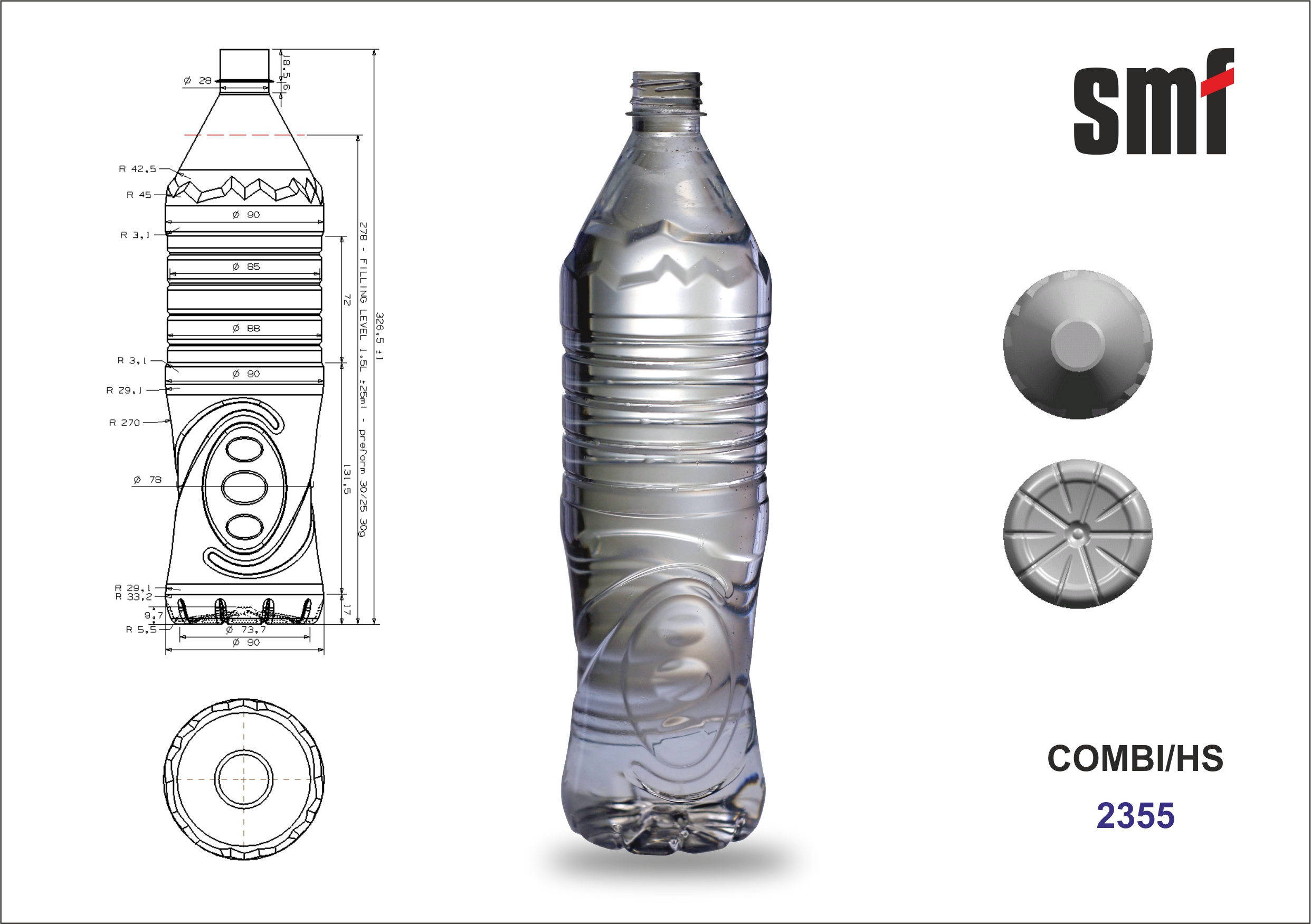
Key Highlights
- Cross-functional Collaboration: Design teams work closely with engineers, marketing, and production to ensure functionality and manufacturability.
- Concept to Production: From initial ideas and CAD renderings to prototyping and testing, the design process is thoroughly integrated with manufacturing capabilities.
- Sustainable and Innovative Solutions: Emphasis on sustainability, cost-effectiveness, and innovative aesthetics to meet consumer needs and regulatory standards.
Overview of Design Team Roles and Processes
The design team in a plastic bottle company holds a pivotal role in ensuring that the final product resonates with the brand’s vision while being practically manufacturable. Their work merges aesthetics, engineering, and market requirements to create packaging solutions that stand out in competitive markets. The team collaborates with stakeholders across various domains to translate innovative design concepts into producible, durable, and sustainable products.
Stages of the Design Process
Initial Concept and Market Research
Understanding Client Needs and Market Trends
Before any design work begins, understanding the client's product requirements, target market, and competitive landscape is essential. This initial phase involves:
- Conducting market research to align design concepts with consumer expectations.
- Gathering client requirements, including aesthetic preferences, functional needs, and sustainability goals.
- Assessing production limitations and cost considerations, ensuring that the design is feasible within manufacturing constraints.
Concept Development and Prototyping
Ideation and Visualization
With a clear understanding of the market and production parameters, the design team transitions to the ideation phase:
- Innovative Ideas: The team utilizes tools like Shapr3D and various CAD software to create initial sketches and 3D models. This creative process ensures that proposals consider both original aesthetics and practical aspects.
- Prototyping: Detailed prototypes, often created via 3D printing, are used to validate design aspects. This stage includes stress testing, ergonomic evaluations, and visual inspections to refine and perfect the concept.
Collaboration with Engineering and Manufacturing Teams
Technical Feasibility and Iterative Improvement
The next critical phase is the collaboration between the design team and engineering experts. Their combined efforts ensure:
- A seamless integration of design and manufacturing, ensuring that all concepts are producible at scale using available technology and materials.
- Optimization for cost efficiency, wherein choices related to materials and production processes are carefully examined against their impact on the final product.
- The practical refinement of the design based on feedback from engineering tests and real-world production trials.
Testing, Refinement, and Finalization
Validation and Quality Assurance
After developing prototypes and integrating feedback from cross-functional teams, the design is subjected to rigorous testing:
- Testing: Products are tested for durability, usability, and overall performance under real-world conditions, including stress tests and environmental challenges.
- Iterative Refinement: Feedback from these tests is used to further refine the design, focusing on consistent improvements in both form and function.
- Final Documentation: Comprehensive design specifications are prepared, detailing dimensions, materials, labeling instructions, and any production-specific guidelines.
Detailed Process Flow Table
| Stage | Key Activities | Stakeholders |
|---|---|---|
| Initial Concept | Market research, client briefing, feasibility studies. | Designers, Marketing, Client Representatives |
| Concept Development | Ideation, sketches, CAD modeling, 3D rendering. | Design Team, Product Managers |
| Prototyping | 3D printing, model testing, refinement of design. | Design Team, Engineers |
| Collaboration | Engineering reviews, manufacturability assessment, cost analysis. | Engineers, Production, Design Team |
| Testing & Refinement | Stress tests, usability studies, quality checks. | Design Team, Quality Assurance, Production |
| Finalization | Final design adjustments, specification documentation, transition to production. | Design Team, Engineering, Production |
Integration of Sustainability and Innovation
Sustainability Considerations
Sustainable packaging is a paramount concern for modern plastic bottle companies. Design teams incorporate environmentally friendly practices by:
- Choosing recyclable or biodegradable materials to reduce environmental impact.
- Optimizing material usage to minimize waste during production.
- Innovating designs that facilitate reusability and enhanced life cycle performance.
Technological Innovations
Innovation drives the industry, and modern technologies play a critical role in pushing design boundaries. This includes:
- Advanced design software like CAD tools to accelerate the iterative process.
- Rapid prototyping methods such as 3D printing to quickly test and modify designs.
- Collaboration platforms that allow seamless communication among cross-functional teams.
Major Considerations in the Design Team Workflow
Cross-Disciplinary Communication
Ensuring Alignment with Production
Design teams must maintain continuous dialogue with engineering and production teams to ensure that the product design matches the physical and production realities. This communication ensures:
- Consistent updates on potential challenges in the production process.
- Ensuring that any design modifications are practically achievable within the available manufacturing settings.
- Timely incorporation of feedback to improve future designs and processes.
Project Management and Coordination
Effective Workflow Management
The design team is often required to manage multiple projects simultaneously. Efficient project management involves:
- Setting clear deadlines for each stage of the design process.
- Tracking progress through project management tools to ensure timely delivery of prototypes and final designs.
- Coordinating with clients to manage expectations and integrate feedback throughout the project life cycle.
Role of Technology in Enhancing Design Capabilities
Leveraging Advanced Software and Tools
Modern plastic bottle companies harness the power of advanced software to tackle complex design challenges. These technologies offer multiple benefits:
- Enhanced Visualization: High-quality CAD renderings and 3D models help visualize the end product, enabling designers and clients to closely examine potential issues before production begins.
- Rapid Iteration: Prototyping technologies allow designers to iterate quickly and attain precision in the final product.
- Integrated Testing: Simulation tools help predict performance, streamline testing protocols, and validate design decisions prior to mass production.
Collaborative Platforms
Effective design in a plastic bottle company relies heavily on collaboration. Digital platforms facilitate real-time communication, file sharing, and feedback loops among all stakeholders, ensuring the project stays aligned with both creative and technical requirements.
References
- Lifestyle Packaging - Lifestyle Packaging
-
Graham Packaging Design Services - Graham Packaging
- Custom Plastic Bottles - 3Plastics
-
Plastic Bottle Guide for Packaging Designers - Roozrang
- Bottle Design Solutions - Krones
Recommended Related Queries
Last updated March 15, 2025