
The Future of Space Technologies and AI Integration
Exploring how artificial intelligence is reshaping space exploration and operations
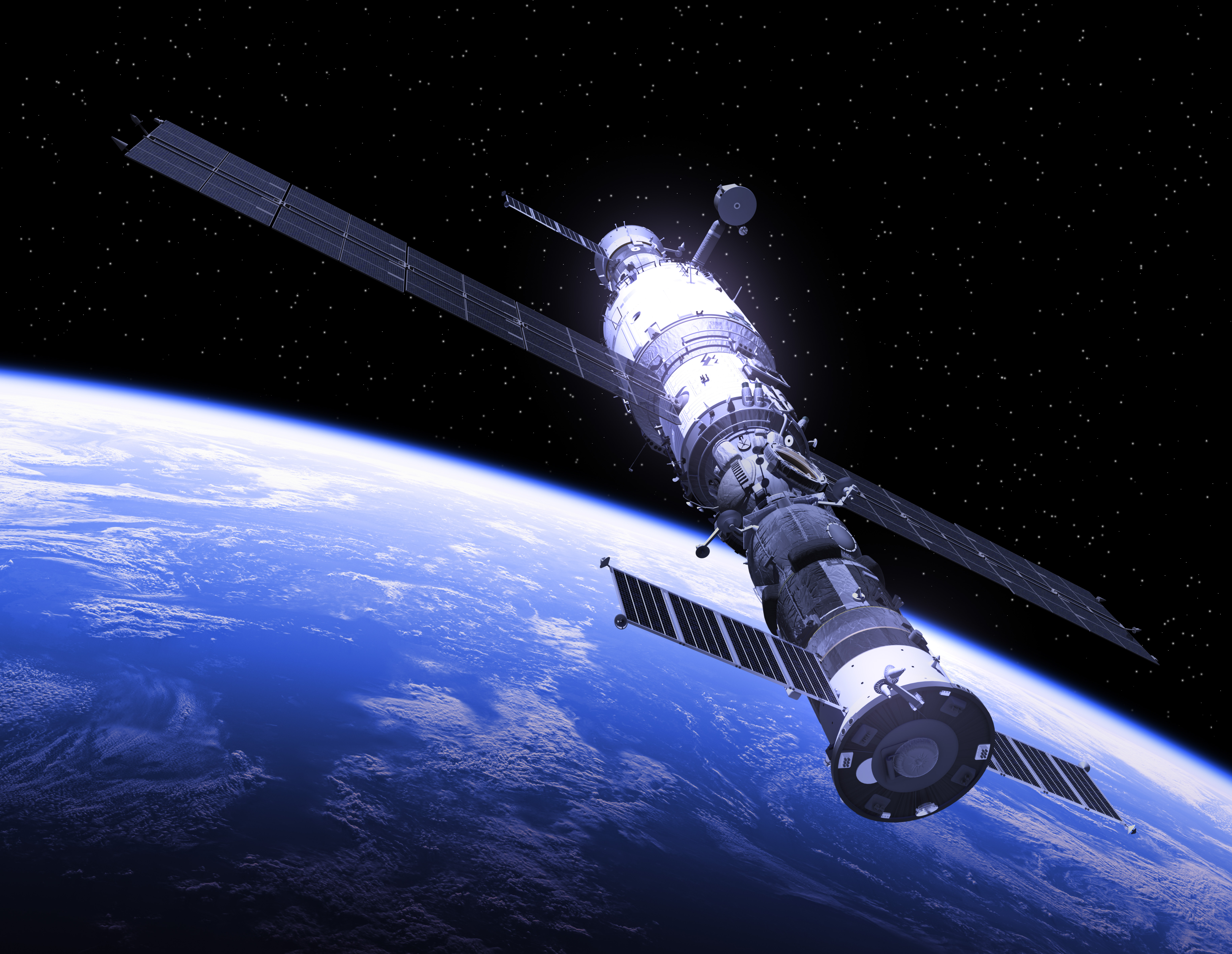
Key Highlights
- Autonomous Exploration: AI enables autonomous spacecraft and rovers to make real-time decisions beyond Earth.
- Data-Driven Insights: Machine learning and AI optimize data management, from satellite sensor analysis to space debris mapping.
- Innovative Collaboration: International and industry partnerships harness AI for efficient mission planning and resource management.
Overview of AI Integration in Space Technologies
The integration of Artificial Intelligence (AI) in the realm of space technologies is becoming one of the most transformative developments in modern science and engineering. With the rapid advancement in computational capabilities and machine learning algorithms, AI is now an essential tool for addressing challenges that traditional methods simply cannot overcome. By automating complex decision processes, augmenting human capabilities, and processing large volumes of data, AI is spearheading a new era in space exploration and operations.
Enhancing Autonomous Operations
One of the most compelling areas where AI is making an impact is in the development of autonomous systems for space missions. In scenarios where real-time decision-making is critical—such as in deep-space missions where communication delays can reach minutes or even hours—AI enables spacecraft, rovers, and other assets to operate semi-independently. This reduced reliance on ground control not only speeds up reactions to environmental conditions but also greatly enhances mission safety by allowing systems to adapt to unpredictable scenarios. Using advanced sensor data and machine learning algorithms, these autonomous operations ensure that missions remain viable even when direct human intervention is not possible.
Applications in Navigation and Decision-Making
The most significant role of AI in autonomous operations is in navigation and decision-making. Autonomous spacecraft can use AI to calculate optimal flight paths, avoid hazards such as space debris, and even manage unexpected changes in mission parameters. This ability is particularly vital for long-duration missions to distant planets or asteroids. Moreover, AI-driven systems can create digital twins—virtual replicas of spacecraft—that allow engineers to simulate and optimize various aspects before or during an active mission. These digital twins leverage real-time data to model system behaviors under various conditions, ensuring robust and resilient performance.
Leveraging AI for Data Management and Analysis
Modern space missions generate vast amounts of data, ranging from high-resolution images to intricate sensor readings. AI algorithms, especially machine learning models, are essential in sifting through this information to identify patterns, anomalies, and critical insights that might otherwise remain hidden. Through sophisticated data analytics, AI not only supports better decision-making but also contributes to predictive maintenance, ensuring that spacecraft and satellites continue to function optimally throughout their missions.
Optimizing Satellite Operations
Satellite operations have been revolutionized by AI's ability to process and analyze sensor data in near real-time. For instance, AI algorithms are utilized to:
- Monitor and predict potential failures through continuous performance analysis.
- Optimize the communication and power systems onboard satellites.
- Enhance climate monitoring capabilities by interpreting complex environmental data sets.
By managing such complex datasets effectively, AI-driven satellite operations not only enhance the longevity of missions but also improve the overall efficiency of space-related research and applications.
Handling Massive Datasets
The handling of massive datasets is one of the most challenging aspects of space exploration. With the continuous influx of high-fidelity data from various sensors and imaging systems, conventional data processing methods are often overwhelmed. AI emerges as an indispensable tool here by employing advanced clustering, pattern recognition, and anomaly detection techniques. This facilitates early identification of potential system faults, natural disasters on Earth, or unusual astronomical events.
Transformative Trends: Communication, Propulsion, and International Collaboration
Beyond autonomous operations and data management, AI is intersecting with several other trends in space technology. These intersections are creating synergy between advanced communication networks, novel propulsion systems, and global collaborative efforts that aim to push the boundaries of space exploration.
Advanced Communication Systems and Edge Computing
Traditional communication systems are gradually being augmented by next-generation technologies like 5G and laser-based communication networks. These systems offer faster data transfer rates and increased security—a necessity for managing the proliferation of satellite constellations in Low Earth Orbit (LEO).
AI-driven edge computing is also playing a key role in this domain. By processing vast amounts of data directly onboard satellites, edge computing reduces the reliance on ground-based data centers, cuts down communication latency, and enhances real-time operational awareness. This advancement is particularly beneficial in managing the complexities associated with space debris tracking and autonomous space logistics.
Integration for Space Debris Management
Another critical application lies in monitoring and managing space debris, which has become a substantial concern with the exponential growth of satellite deployments. AI systems are integrated into tracking networks to predict the trajectories of space debris. These systems effectively reduce the risk of collisions with operational spacecraft by forecasting potential hazards and enabling responsive adjustments to orbital paths.
Innovations in Propulsion and Design Optimization
AI is also paving the way for breakthroughs in spacecraft propulsion and design optimization. By using generative design techniques, AI can assist in crafting components and even entire spacecraft that are more efficient, lighter, and cost-effective. These advancements include the exploration of nuclear propulsion systems, which promise to significantly extend mission durations through more efficient fuel usage and longer-lasting spacecraft integrity.
The integration of advanced AI algorithms with engineering principles has led to more refined designs that push the limits of traditional manufacturing. This innovation is critical when designing spacecraft components that must endure the harsh environment of space, operate with high precision, and at times, perform unforeseen tasks autonomously.
AI’s Role in International Collaboration and Future Outlook
As space exploration becomes increasingly global, international collaborations have become imperative. Nations and private enterprises are pooling resources, data, and technological expertise to advance the field of space technologies and ensure the sustainable use of outer space.
Global Partnerships and Collaborative Missions
AI serves as the linchpin in these international endeavors by offering a robust platform for data sharing, decision support, and mission coordination. It plays a vital role in aligning different legal frameworks, ethical standards, and operational protocols across borders. Collaborative projects leverage AI to manage satellite constellations jointly, monitor space debris, and support Earth observation missions that benefit the global community.
Such collaborations not only drive scientific discovery but also help in balancing the geopolitical aspects of space exploration. As AI continues to evolve, its integration across multinational space missions is expected to enhance operational efficiency while safeguarding critical infrastructure in orbit.
Mutual Benefits of Shared Technologies
The fusion of AI with space technology allows multiple stakeholders to benefit from shared innovation. Countries that invest in AI avenues find that the capabilities developed—such as improved sensor data analysis, enhanced communications, and autonomous operational systems—are transferable to other domains. These benefits underline the necessity for global dialogue and shared research efforts, which promise to drive further progress in both space exploration and terrestrial applications.
Comparative Overview Table: AI Applications in Space Technologies
| Application Area | Description | Benefits |
|---|---|---|
| Autonomous Navigation | Enables spacecraft and rovers to make real-time decisions during missions. | Reduced reliance on ground control, increased mission safety. |
| Data Analysis | Uses advanced machine learning techniques to process vast datasets. | Enhanced predictive maintenance and anomaly detection. |
| Satellite Operations | Optimizes performance by analyzing sensor data and operational metrics. | Improved operational efficiency and extended mission lifetimes. |
| Space Debris Tracking | Predicts debris trajectories to avoid collisions with active spacecraft. | Improved safety and risk management in orbit. |
| Advanced Communications | Leverages 5G, laser communications, and edge computing. | Faster data transfer, reduced latency, secure data handling. |
| Propulsion Improvements | Generative design using AI for lighter and more efficient spacecraft. | Enhanced fuel efficiency and extended mission duration. |
| International Collaboration | Facilitates global data sharing and standardized operational protocols. | Enhanced cooperation, shared resources and accelerated innovation. |
Broader Implications on Earth and Beyond
The spillover effects of AI integration in space technologies extend far beyond the confines of space missions. On Earth, AI-enabled satellite data provides critical insights into climate change, natural disasters, and resource management. Governments and research institutes are using these insights to predict weather patterns more accurately, manage environmental disasters, and ensure sustainable agriculture practices.
Furthermore, innovations in AI-driven design and autonomous control mechanisms are influencing industries such as aviation, automotive, and telecommunications. For example, the principles devised for spacecraft navigation are being adapted to enhance autonomous vehicle safety on crowded urban roads. Similarly, the real-time data processing capabilities developed for satellites are being repurposed for national security and defense applications. In essence, the advancements made in space technologies foster a dual-use environment, where benefits resonate with a broad spectrum of terrestrial industries.
Economic and Ethical Considerations
As the integration of AI in space technology intensifies, economic stakes are also rising. The global space industry, driven by innovations in AI among other technological advancements, is projected to become a multi-trillion-dollar sector in the coming decades. In addition to job creation and commercial opportunities, the ethical dimension of AI integration in space exploration has increasingly garnered attention. Clear international guidelines, ethical standards, and regulatory frameworks are being established to ensure that these powerful technologies are utilized responsibly and with accountability.
These ethical considerations include ensuring the transparency of autonomous systems, safeguarding critical data, and orchestrating responsible resource management and environmental protection practices in space. By actively engaging in international dialogues and legal reforms, stakeholders across the globe are committed to harnessing AI not only to push the boundaries of space exploration but also to foster sustainable development on Earth.
References
-
The Future Of Space And AI: Exploring New Frontiers And Transforming Earth - Forbes
- SpaceTech 2024 explores the future of space technology - MIT AeroAstro
- The Future of Artificial Intelligence in Space: Navigating Challenges and Opportunities - Space Generation
- AI Use Cases in Space - NASA
- AI Has the Power to Change the Future of Space - ITIC
Recommended Queries
Last updated March 15, 2025