
Revitalize Your Team: Spring Outings to Boost Morale and Productivity
Discover how a well-planned spring outing can revitalize your company, fostering teamwork, creativity, and a renewed sense of purpose.
Key Highlights of Spring Outings
- Boost Morale and Engagement: Spring outings offer a refreshing break from the routine, re-energizing employees and increasing their enthusiasm.
- Enhance Team Building: Engaging in activities outside the office strengthens relationships, improves communication, and builds trust among team members.
- Promote Creativity and Innovation: A change of scenery and relaxed atmosphere can stimulate creativity and generate fresh ideas for your company's goals.
Why a Spring Outing? The Benefits Unveiled
As winter's chill fades and the days grow longer, spring presents a unique opportunity to rejuvenate your company. A well-organized spring outing can do more than just offer a break from the norm; it can serve as a catalyst for improved morale, stronger team bonds, and a fresh wave of innovation. Companies typically host an outing for their employees at least once a year, and spring is the optimal time to have one of these. Let's delve into the myriad benefits a spring outing can bring to your organization.
Boosting Morale and Engagement
The monotony of daily office work can often lead to decreased motivation and boredom among employees. A spring outing provides a much-needed change of scenery and pace, helping to combat these feelings. Simple activities, like enjoying nature's sounds, can create a lighter and happier atmosphere, making everyone feel valued and refreshed. This, in turn, increases employee engagement and their willingness to contribute to the company's goals.
Strengthening Team Dynamics
Corporate retreats and company outings are excellent opportunities to foster teamwork, collaboration, and trust among employees. Team-building activities, workshops, and exercises can help break down barriers, improve communication, and strengthen relationships. These experiences allow colleagues to connect on a personal level, creating a more cohesive and supportive work environment. Whether your team is remote, hybrid, or in-person, spring team building activities can strengthen the bonds between colleagues.
Stimulating Creativity and Innovation
Company retreats can be designed to stimulate creativity and generate fresh ideas. Brainstorming sessions, design thinking workshops, and activities encouraging out-of-the-box thinking can help employees approach challenges from new perspectives. This can lead to innovative solutions and strategies that drive the company forward. Engaging your team in strategy development can lead to increased clarity of purpose, improved communication, and better decision-making, ultimately aligning everyone with organizational goals.
Crafting the Perfect Spring Outing: A Step-by-Step Guide
Organizing a successful spring outing requires careful planning and execution. Here's a step-by-step guide to help you create an unforgettable experience for your team:
1. Define Objectives
Before diving into the details, clearly define the purpose and objectives of your company retreat. Are you aiming to improve team communication, foster innovation, or simply boost morale? Establishing specific, measurable, achievable, relevant, and time-bound (SMART) goals will guide your planning process and ensure that the outing aligns with your company's overall strategy. Some common objectives include:
- Enhancing teamwork and collaboration
- Setting goals and developing strategies
- Stimulating creativity and innovation
- Prioritizing employee well-being and engagement
2. Set a Budget
Determine a realistic budget for your spring outing, considering factors such as venue rental, transportation, accommodation, activities, meals, and miscellaneous expenses. Corporate retreats can range anywhere from $2,500 to $10,000 per person, depending on the scale and level of luxury you wish to attain. Work with your event management agency to determine the best budget for your trip.
3. Choose a Location and Venue
Select a location that is easily accessible for your employees and offers a conducive environment for both work and relaxation. Consider factors such as proximity to nature, availability of recreational activities, and suitability for team-building exercises. When booking accommodations, consider the time of year and the company's busiest season to avoid scheduling conflicts. Look for venues that specialize in providing services a company retreat may require, such as AV needs or entertainment.
4. Plan Activities and Events
Brainstorm a variety of activities and events that cater to your employees' interests and preferences. Strike a balance between structured workshops and group sessions and unstructured downtime for organic team building. Activities could include:
- Outdoor adventures like hiking, kayaking, or rock climbing
- Team-building games and challenges
- Creative workshops such as painting, pottery, or cooking classes
- Volunteer opportunities to give back to the community
- Social events such as company picnics, golf events, or themed parties
Remember to plan these activities far in advance, as they tend to book up quickly.
5. Create an Itinerary
Develop a detailed itinerary that outlines the schedule of events, including workshops, activities, meals, and free time. Ensure that the itinerary is well-balanced, allowing for both productivity and relaxation. Share the itinerary with your employees well in advance, providing them with all the necessary information about the retreat.
6. Communicate and Engage
Keep your employees informed and engaged throughout the planning process. Create a dedicated communication channel, such as a Slack channel or email thread, to share updates, gather feedback, and answer questions. Encourage employees to participate in the planning process by soliciting their input and ideas. Stay in touch with employees before the retreat to keep them excited about the upcoming event.
7. Execute and Facilitate
During the spring outing, ensure that everything runs smoothly by providing clear instructions, facilitating engaging discussions, and addressing any concerns that may arise. Encourage active participation and create a supportive environment where employees feel comfortable sharing their ideas and perspectives.
8. Follow Up and Evaluate
After the spring outing, gather feedback from your employees to assess the success of the event and identify areas for improvement. Use surveys, interviews, or focus groups to collect valuable insights. Analyze the feedback and use it to inform the planning of future company retreats. Following the retreat, reinforce key messages and action items to ensure that the benefits of the outing are sustained over time.
Enhancing the Experience: Visual and Auditory Elements
Capturing the Essence of Team Retreats
Here's a collection of images showcasing the spirit and activities commonly found in team-building retreats. These visuals offer a glimpse into the diverse ways companies foster collaboration, relaxation, and shared experiences during their offsite gatherings.


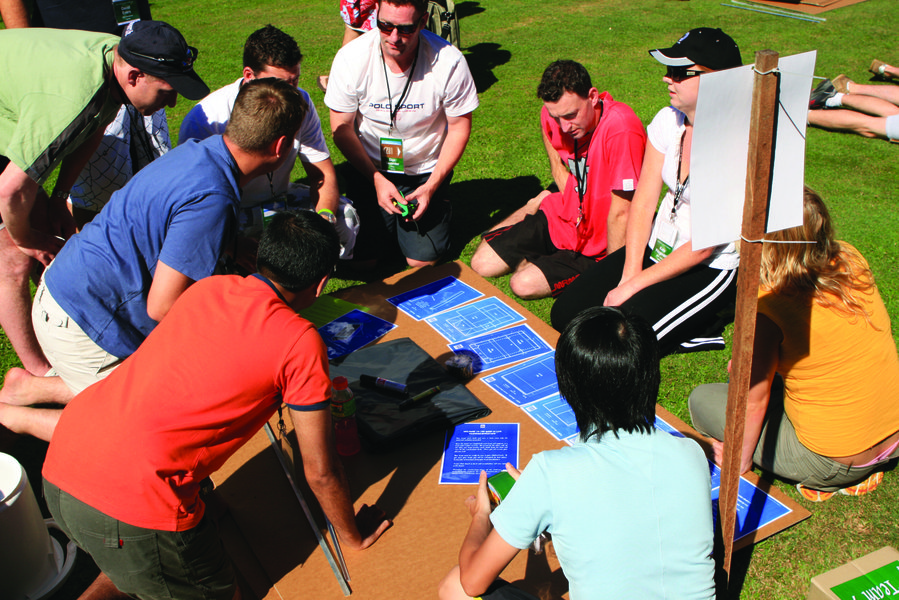
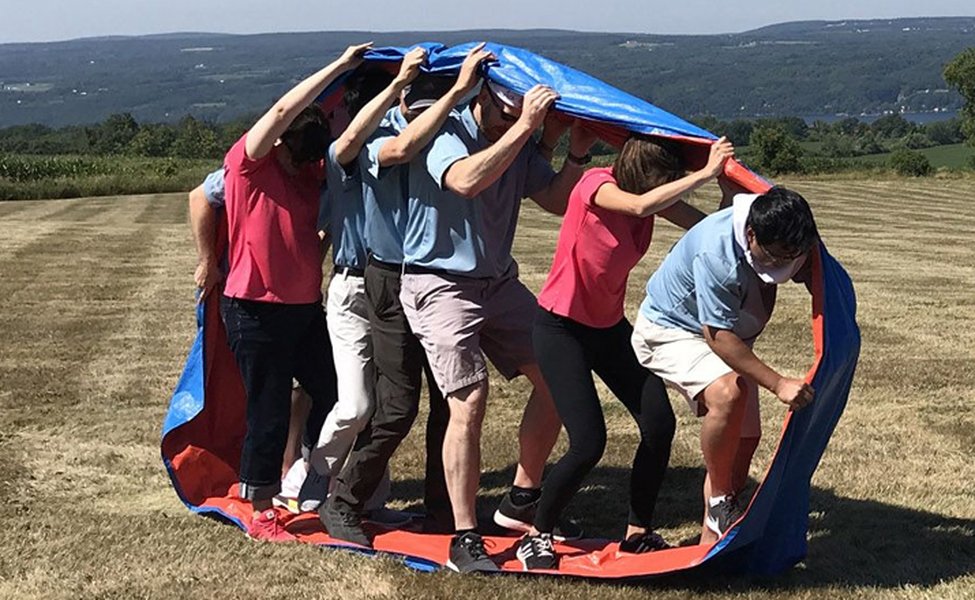
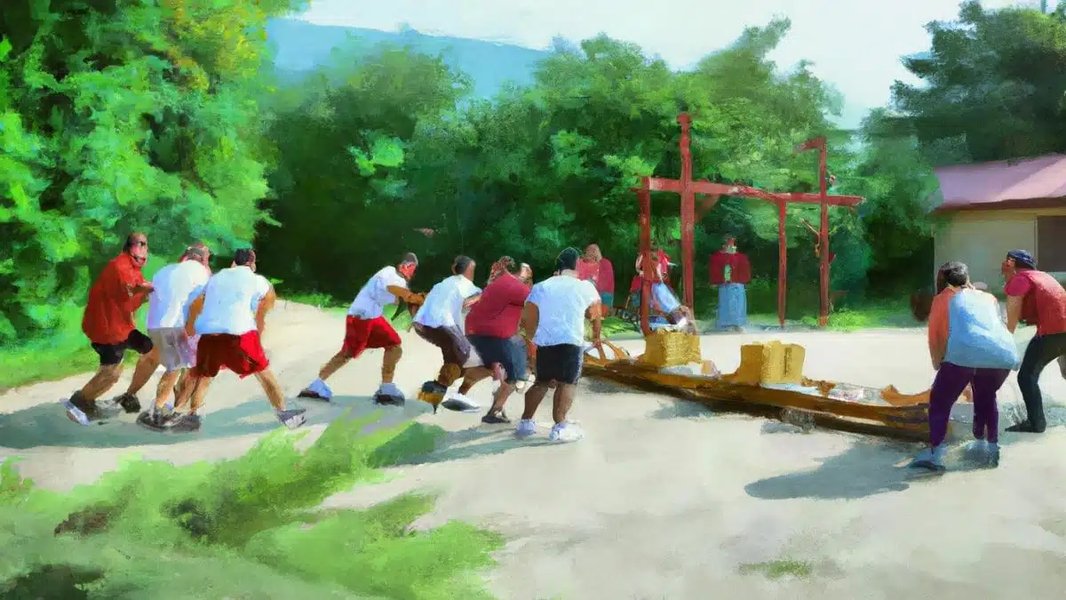
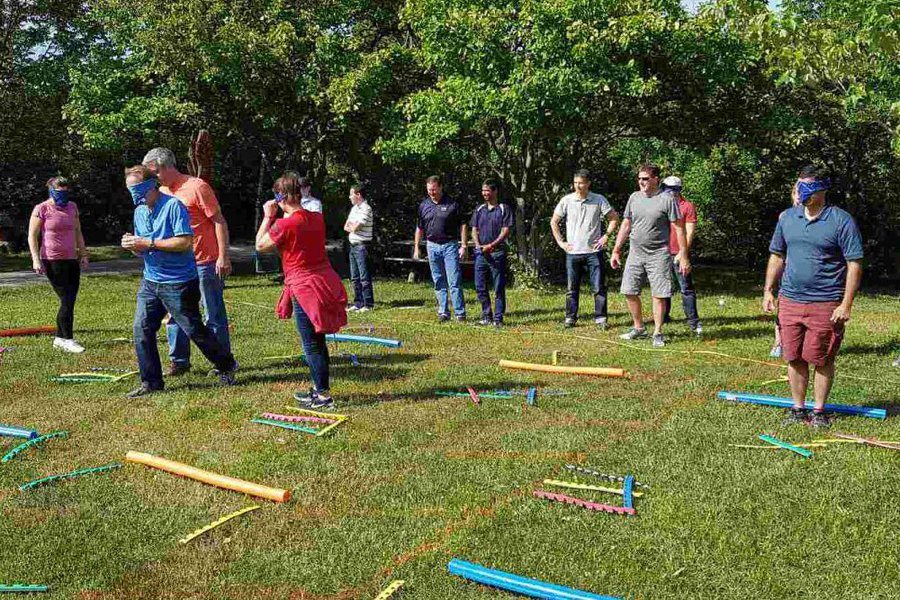





These images illustrate the blend of work and play that defines successful corporate retreats, emphasizing the importance of creating a balanced and engaging environment for employees to connect, collaborate, and rejuvenate.
Strategic Planning Retreat Video
This video, "How to plan and structure your company retreat", offers valuable insights into planning a team retreat, emphasizing the importance of balancing work and fun to create an engaging and productive experience for your team.
Structuring the Outing: Balancing Work and Play
A successful spring outing strikes a balance between structured activities and unstructured downtime. Workshops and group sessions are essential for achieving specific goals, but it's equally important to provide opportunities for organic team building and relaxation. Here's a breakdown of how to structure your spring outing to maximize its impact:
Essential Components
Include essential workshops and group sessions focused on key objectives such as:
- Strategic planning
- Team communication
- Problem-solving
- Innovation and creativity
Downtime and Flexibility
Leave plenty of space for organic team building and downtime. This allows employees to:
-
Connect with colleagues on a personal level
-
Engage in informal conversations
-
Relax and recharge
-
Explore the surroundings at their own pace
Sample Schedule
Consider the following table as a sample schedule, which showcases how to balance work and downtime during a spring company retreat.
| Time | Activity | Description |
|---|---|---|
| 8:00 AM - 9:00 AM | Breakfast | Enjoy a leisurely breakfast together |
| 9:00 AM - 12:00 PM | Workshop: Strategic Planning | Discuss company goals and develop action plans |
| 12:00 PM - 1:00 PM | Lunch | Catered lunch or picnic in a scenic location |
| 1:00 PM - 4:00 PM | Team-Building Activity | Outdoor adventure or creative workshop |
| 4:00 PM - 6:00 PM | Free Time | Relax, explore, or socialize |
| 6:00 PM - 7:00 PM | Dinner | Group dinner at a local restaurant |
| 7:00 PM - 9:00 PM | Social Event | Bonfire, karaoke, or themed party |
Spring Outing Themes: Infusing Fun and Creativity
Adding a theme to your spring outing can enhance the experience and create a more memorable event. Here are a few theme ideas to consider:
Nature Retreat
Embrace the beauty of spring with a nature-themed outing. Plan activities such as hiking, birdwatching, or gardening. Decorate the venue with natural elements like flowers, plants, and wood accents. Serve a menu featuring fresh, seasonal ingredients.
Wellness Getaway
Focus on employee well-being with a wellness-themed retreat. Offer activities such as yoga, meditation, and spa treatments. Provide healthy meals and snacks. Incorporate workshops on stress management, mindfulness, and healthy living.
Adventure Quest
Ignite your team's sense of adventure with an adventure-themed outing. Organize activities such as scavenger hunts, escape rooms, or outdoor challenges. Encourage employees to step outside their comfort zones and embrace new experiences.
Creative Celebration
Celebrate creativity and innovation with a creative-themed retreat. Offer workshops in art, music, or writing. Encourage employees to express themselves and share their talents. Host a talent show or open mic night.
Frequently Asked Questions (FAQ)
References
Last updated April 10, 2025