
Identifying and Bridging Skill Gaps for a Future SRE Role
A comprehensive guide to preparing for a career in Site Reliability Engineering.
Key Takeaways
- Essential Technical Skills: Proficiency in systems administration, cloud computing, and automation is crucial.
- Crucial Soft Skills: Effective communication, problem-solving, and collaboration are vital for success.
- Strategies to Bridge Gaps: Engaging in continuous learning, practical projects, and certifications can effectively address skill shortages.
Understanding the Essential Technical Skills for SRE
1. Systems Administration and Linux Proficiency
A foundational requirement for any aspiring Site Reliability Engineer (SRE) is a robust understanding of Linux and system administration. SREs are often responsible for managing and maintaining large-scale systems, which predominantly run on Linux-based environments. Proficiency in Linux commands, shell scripting, and system configuration is essential to ensure system stability and performance.
2. Mastery of CI/CD Pipelines
Continuous Integration and Continuous Deployment (CI/CD) pipelines are integral to modern software development and deployment practices. Familiarity with tools such as Jenkins, GitLab CI, or GitHub Actions is necessary for automating the build, testing, and deployment processes. Understanding how to design, implement, and troubleshoot CI/CD pipelines ensures that code changes are delivered reliably and efficiently.
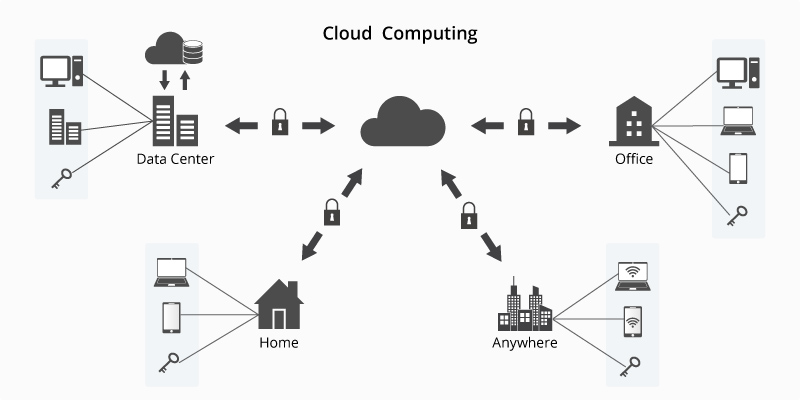
3. Proficiency in Cloud Computing
Cloud platforms like Amazon Web Services (AWS), Google Cloud Platform (GCP), and Microsoft Azure are pivotal in hosting and scaling applications. An SRE must possess hands-on experience with these platforms, including knowledge of services related to compute, storage, networking, and security. Additionally, familiarity with cloud-native services and infrastructure management is essential for optimizing resource usage and ensuring high availability.
4. Expertise in DevOps Practices
SREs often collaborate closely with DevOps teams to enhance the reliability and efficiency of software systems. Understanding DevOps principles, methodologies, and tools (such as Docker and Kubernetes) is crucial. This collaboration facilitates the seamless integration of development and operations, promoting a culture of continuous improvement and automation.
5. Incident Management and Response
Effective incident management is a cornerstone of the SRE role. This involves not only responding to system outages and failures but also conducting thorough postmortem analyses to identify root causes and implement preventive measures. Experience in handling incidents, coordinating response efforts, and driving improvements through postmortem practices is essential for maintaining system reliability.
6. Networking Expertise
A deep understanding of networking concepts, including network configurations, protocols, and troubleshooting techniques, is imperative. SREs must be adept at diagnosing and resolving network-related issues to ensure uninterrupted system performance. Knowledge of load balancing, DNS management, and network security enhances the ability to maintain robust and scalable infrastructure.
7. Automation and Scripting Proficiency
Automation is key to achieving efficiency and consistency in operations. SREs should be proficient in scripting languages such as Python, Bash, or PowerShell to automate repetitive tasks, deploy infrastructure, and manage configurations. Automation reduces the potential for human error and accelerates the deployment and maintenance processes.
8. Programming and Development Skills
In addition to scripting, proficiency in programming languages like Python, Java, or Go is valuable for developing tools, extending automation capabilities, and integrating systems. Strong programming skills enable SREs to build and maintain robust solutions that enhance system reliability and performance.
9. Infrastructure as Code (IaC)
Infrastructure as Code (IaC) tools such as Terraform and Ansible allow SREs to define and manage infrastructure through code. Mastery of IaC practices facilitates version-controlled, repeatable, and scalable infrastructure deployments, ensuring consistency across environments and reducing configuration drift.
10. Monitoring and Observability Tools
Implementing effective monitoring and observability strategies is critical for maintaining system health. Familiarity with tools like Prometheus, Grafana, and distributed tracing systems enables SREs to gain actionable insights into system performance, detect anomalies, and proactively address potential issues before they escalate.
Addressing Soft Skills for SRE Success
1. Communication
Clear and effective communication is essential for SREs to collaborate with cross-functional teams, report incidents, and document processes. The ability to articulate technical concepts to non-technical stakeholders ensures that all parties are aligned and informed, facilitating smoother operations and more effective incident responses.
2. Collaboration
SREs often work alongside development, operations, and other teams to enhance system reliability. Strong collaboration skills enable effective teamwork, knowledge sharing, and the ability to drive collective problem-solving efforts. Building cooperative relationships fosters a culture of mutual support and continuous improvement.
3. Problem-Solving
The ability to analyze complex systems, identify root causes of issues, and develop effective solutions is paramount for SREs. Strong problem-solving skills enable the swift resolution of incidents and the implementation of improvements that enhance system robustness and reliability.
4. Adaptability
The dynamic nature of technology and the challenges encountered in maintaining large-scale systems require SREs to be highly adaptable. The willingness to embrace change, learn new technologies, and adjust strategies in response to evolving requirements is crucial for long-term success in the role.
5. Leadership in Incident Management
Leading incident response efforts involves coordinating teams, delegating tasks, and ensuring that recovery processes are executed efficiently. Developing leadership skills in incident management enables SREs to guide teams through high-pressure situations, maintain composure, and drive effective resolutions.
Bridging the Skill Gaps
1. Continuous Learning and Education
Engaging in ongoing education through online courses, workshops, and certifications is vital for staying updated with the latest technologies and best practices in SRE. Platforms like Coursera, Udemy, and LinkedIn Learning offer a plethora of resources tailored to various aspects of site reliability engineering.
2. Practical Experience through Projects
Gaining hands-on experience by participating in projects, whether through personal initiatives, open-source contributions, or internships, is essential for applying theoretical knowledge in real-world scenarios. Practical projects help in understanding the intricacies of system management, automation, and incident response.
3. Certifications
Pursuing relevant certifications can validate your expertise and enhance your credibility as an SRE professional. Certifications such as AWS Certified DevOps Engineer, Google Professional DevOps Engineer, and Certified Kubernetes Administrator (CKA) are highly regarded in the industry and can significantly bolster your resume.
4. Networking and Community Engagement
Engaging with professionals in the field through networking events, forums, and professional communities can provide valuable insights, mentorship opportunities, and exposure to best practices. Building a strong professional network facilitates knowledge exchange and keeps you informed about emerging trends and technologies.
5. Specializing in Advanced Technologies
Delving deeper into advanced technologies such as distributed systems architecture, service meshes, serverless computing, and machine learning for anomaly detection can differentiate you as an SRE candidate. Specializing in these areas enhances your ability to manage complex systems and implement innovative reliability solutions.
Structured Skill Development Plan
| Skill Area | Current Gap | Action Plan |
|---|---|---|
| Linux/System Administration | Limited experience managing Linux systems | Enroll in Linux Foundation courses and set up a home lab environment for hands-on practice. |
| CI/CD Pipelines | Unfamiliar with advanced CI/CD tools | Complete tutorials on Jenkins, GitLab CI, and GitHub Actions; implement a sample CI/CD pipeline. |
| Cloud Computing | Basic understanding of cloud platforms | Obtain certifications like AWS Certified Solutions Architect and explore multi-cloud deployments. |
| DevOps Practices | Limited exposure to DevOps methodologies | Participate in DevOps workshops and collaborate with DevOps teams on projects. |
| Incident Management | Minimal experience in leading incident responses | Join incident management drills and take leadership roles in simulated outage scenarios. |
| Networking Expertise | Basic networking knowledge | Study networking fundamentals and obtain certifications like CompTIA Network+. |
| Automation and Scripting | Proficient in only one scripting language | Learn additional languages such as Python and Go; automate repetitive tasks in current projects. |
| Observability and Telemetry | Limited experience with advanced monitoring tools | Implement monitoring solutions using Prometheus and Grafana in personal or open-source projects. |
| Infrastructure as Code (IaC) | Basic understanding of IaC concepts | Master Terraform and Ansible through dedicated courses and apply them in infrastructure projects. |
| Communication and Collaboration | Need to improve technical communication skills | Engage in team projects, participate in meetups, and practice presenting technical topics. |
Conclusion
Transitioning into a Site Reliability Engineer role requires a balanced blend of technical expertise and soft skills. By systematically identifying and addressing skill gaps through continuous learning, practical experience, and professional development, aspiring SREs can position themselves effectively for success. Emphasizing both the technical aspects, such as systems administration and cloud computing, and the essential soft skills, including communication and problem-solving, ensures a comprehensive approach to career advancement in site reliability engineering.
References
Last updated February 11, 2025