
Chart Your Course to Senior DevOps/SRE/Cloud Engineer: A Personalized Learning Expedition
Elevate your existing expertise in AWS, Kubernetes, and more, to achieve senior-level mastery through a dedicated, actionable roadmap.
Key Highlights of Your Advancement Plan
- Deepen & Broaden Core Competencies: This roadmap focuses on advancing your proficiency in AWS, Terraform, Kubernetes, and Jenkins while strategically expanding into areas like advanced networking, security, and scripting.
- Embrace SRE Principles & Multi-Cloud Agility: Transition towards a senior role by mastering Site Reliability Engineering (SRE) practices and gaining expertise in at least one additional major cloud platform (Azure or GCP).
- Cultivate Technical Leadership & Strategic Impact: Beyond tools, this plan emphasizes developing crucial soft skills, architectural thinking, and the ability to lead complex projects and mentor others.
Introduction: Building on Your Strong Foundation
You've already built a commendable skill set with AWS, Terraform, Jenkins, Ubuntu, Grafana, Bitbucket, Git, Kubernetes, and Docker. This roadmap is designed to leverage that foundation, guiding you towards a senior-level role as a DevOps Engineer, Site Reliability Engineer (SRE), or Cloud Support Engineer. With a commitment of 2 hours daily, this comprehensive plan will help you navigate advanced concepts, explore new technologies, and cultivate the strategic mindset required for senior positions. The journey is structured into progressive phases, each building upon the last.
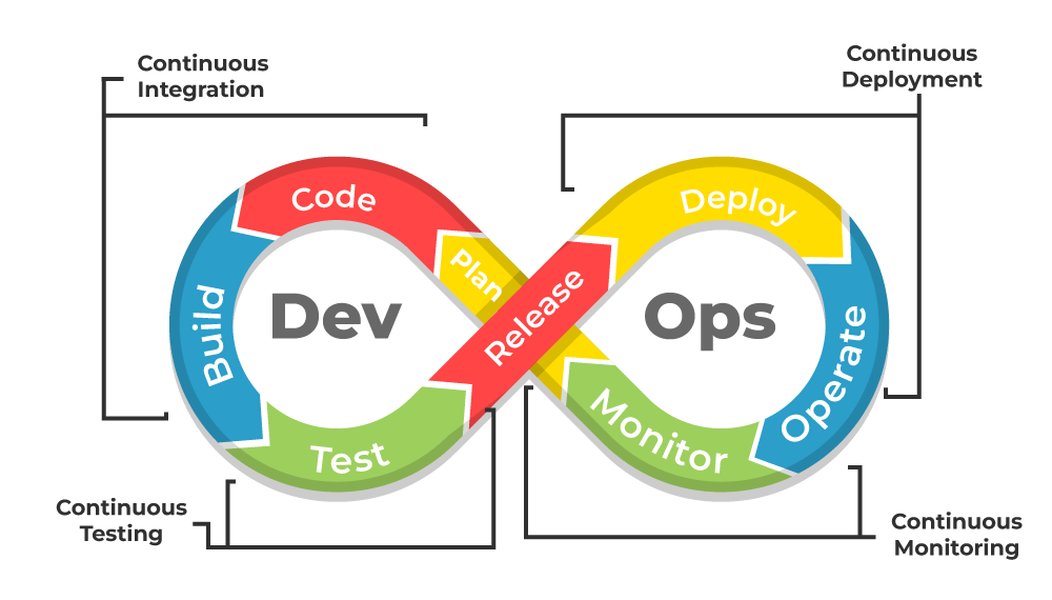
The DevOps lifecycle, illustrating the continuous nature of development and operations.
Your Personalized Roadmap to Senior Engineer
This roadmap is divided into distinct phases, each with specific learning objectives, recommended resources, and an estimated duration based on your 2-hour daily study commitment. Remember, this is a guide; feel free to adjust pacing based on your learning style and areas of interest.
Phase 1: Solidify Core Expertise & Advanced Fundamentals (Approx. 4-6 Months)
Learning Objectives:
- Achieve mastery in Linux system administration and advanced scripting.
- Deepen understanding of networking principles and cloud-native networking.
- Master advanced Git workflows and IaC patterns with Terraform.
- Optimize and secure CI/CD pipelines beyond basic configurations.
Key Learning Areas & Resources:
-
Advanced Linux & Scripting (Bash, Python):
- Focus: System performance tuning, complex automation scripts, security hardening.
- Resources: KodeKloud - Linux Basics (review) & advanced Linux courses, Udemy - Python for DevOps.
-
Networking Deep Dive:
- Focus: TCP/IP intricacies, DNS, HTTP/S, VPNs, VPCs, subnets, security groups, network troubleshooting.
- Resources: Coursera - The Bits and Bytes of Computer Networking.
-
Advanced Git & Version Control Strategy:
- Focus: GitFlow, Trunk-Based Development, handling complex merges, Git hooks.
- Resources: Atlassian Git Tutorials, Udemy - Git Complete.
-
Infrastructure as Code (IaC) Mastery with Terraform:
- Focus: Advanced modules, workspaces, state management (e.g., Terragrunt), policy as code (e.g., Sentinel, OPA), reusable patterns.
- Resources: HashiCorp Learn - Terraform, Look for advanced Terraform courses on Udemy or KodeKloud.
-
CI/CD Pipeline Optimization & Security:
- Focus: Advanced Jenkins (Pipeline as Code with Groovy, shared libraries), exploring alternatives (GitLab CI, GitHub Actions), pipeline security, faster feedback loops.
- Resources: Jenkins Documentation, KodeKloud - Jenkins (review and advanced concepts), Explore GitHub Actions and GitLab CI documentation.
Focus & Rationale:
This phase ensures your foundational skills are robust enough to tackle complex senior-level challenges. Mastering these areas will improve your efficiency, troubleshooting capabilities, and ability to design resilient systems.
Phase 2: Advanced Cloud, Containerization & SRE Foundations (Approx. 6-9 Months)
Learning Objectives:
- Gain deep expertise in advanced AWS services and architectural patterns.
- Master Kubernetes for complex deployments, scalability, and resilience.
- Understand and begin implementing SRE principles.
- Develop advanced monitoring, logging, and observability strategies.
Key Learning Areas & Resources:
-
AWS Advanced Services & Architecture:
- Focus: Serverless (Lambda, API Gateway, Step Functions), Managed Databases (RDS, DynamoDB advanced features), Caching (ElastiCache), Messaging (SQS, SNS), Monitoring & Logging (CloudWatch deep dive, CloudTrail, X-Ray), Cost Management & Optimization, Security Best Practices (IAM deep dive, Security Hub, GuardDuty).
- Resources: AWS Training and Certification (explore Solutions Architect Professional or DevOps Engineer Professional paths), AWS Documentation.
-
Kubernetes Deep Dive & Ecosystem:
- Focus: Advanced deployment strategies (blue/green, canary), stateful applications, networking (CNI options), storage (CSI options), security (RBAC, network policies, Pod Security Policies/Standards), service mesh (Istio, Linkerd), Helm, Operators.
- Resources: Kubernetes Documentation, KodeKloud - Kubernetes (review and CKA/CKAD/CKS prep courses).
-
Docker Mastery & Container Security:
- Focus: Docker Compose for complex local environments, multi-stage builds, image optimization, container security scanning (e.g., Trivy, Clair), Docker best practices.
- Resources: Docker Documentation.
-
Site Reliability Engineering (SRE) Principles:
- Focus: SLOs, SLIs, Error Budgets, toil reduction, automation, incident response, postmortems.
- Resources: "Site Reliability Engineering" book by Google (free online), Coursera - Google Cloud SRE Specialization.
-
Advanced Monitoring & Observability:
- Focus: Advanced Grafana dashboards and PromQL, exploring Prometheus for metrics, ELK Stack (Elasticsearch, Logstash, Kibana) or Loki/Promtail for logging, distributed tracing (Jaeger, Zipkin).
- Resources: Grafana Documentation, Prometheus Documentation, Elastic Stack Documentation.
Focus & Rationale:
This phase transitions you from an operator to an architect and reliability champion. Deep cloud and Kubernetes knowledge, combined with SRE thinking, are hallmarks of senior engineers.
Phase 3: Strategic Expansion: Multi-Cloud, DevSecOps & Leadership Prep (Approx. 6-9 Months)
Learning Objectives:
- Gain proficiency in a second major cloud provider (Azure or GCP).
- Integrate security practices throughout the development lifecycle (DevSecOps).
- Explore advanced automation with configuration management tools.
- Begin developing leadership and strategic communication skills.
Key Learning Areas & Resources:
-
Multi-Cloud Expertise (Choose Azure or GCP):
- Focus: Core services (compute, storage, networking, databases), IaC for the chosen cloud, migration strategies, understanding unique value propositions.
- Resources: Microsoft Learn - Azure Training or Google Cloud Training, Coursera - Microsoft Cloud Support Associate or Google Cloud - Associate Cloud Engineer Certification Prep.
-
DevSecOps Integration:
- Focus: Integrating security into CI/CD (SAST, DAST, IAST), secrets management (HashiCorp Vault), vulnerability scanning, compliance as code.
- Resources: OWASP Top 10, Explore tools like SonarQube, Snyk, Aqua Security.
-
Advanced Configuration Management (e.g., Ansible):
- Focus: Complex playbooks, roles, Ansible Tower/AWX, idempotency, automating at scale.
- Resources: Ansible Documentation, Udemy/KodeKloud for Ansible courses.
-
Emerging Technologies & FinOps:
- Focus: Stay updated on serverless patterns, introductory MLOps concepts, FinOps (Cloud Financial Operations) principles for cost control.
- Resources: Industry blogs (e.g., The New Stack, DevOps.com), CNCF webinars.
Focus & Rationale:
Senior engineers often lead in diverse environments and champion security. Multi-cloud skills enhance your marketability, while DevSecOps and advanced automation are critical for modern infrastructure. Initial steps into FinOps provide valuable cost-awareness skills.
Phase 4: Mastery, Specialization & Continuous Evolution (Ongoing)
Learning Objectives:
- Specialize in areas of high interest or demand (e.g., Kubernetes security, AI/ML infrastructure, advanced networking).
- Develop and demonstrate leadership, mentorship, and strategic thinking.
- Contribute to architectural decisions and drive innovation.
- Stay abreast of the rapidly evolving tech landscape.
Key Learning Areas & Activities:
- Leadership & Communication:
- Focus: Mentoring junior engineers, leading technical projects, effective communication with technical and non-technical stakeholders, technical presentations, incident command.
- Architectural Design:
- Focus: Designing scalable, resilient, and cost-effective systems, evaluating new technologies, contributing to technology roadmaps.
- Advanced Problem Solving & Troubleshooting:
- Focus: Diagnosing and resolving complex, multi-system issues, root cause analysis for critical incidents.
- Chaos Engineering:
- Focus: Proactively testing system resilience by injecting failures. Tools like Gremlin, LitmusChaos.
- Continuous Learning:
- Focus: Attending conferences/webinars, reading industry publications, contributing to open-source projects, pursuing advanced certifications.
Focus & Rationale:
This phase is about cementing your senior status through deep expertise, leadership, and continuous growth. Senior roles require not just knowing how to do things, but why, and how to guide others.
Visualizing Your Skill Progression
The following chart provides a conceptual representation of how your proficiency across key areas might evolve as you progress towards a senior role. "Current Proficiency" reflects a strong intermediate base, while "Senior Target" illustrates the advanced level of expertise you'll be aiming for. This is an illustrative guide to highlight areas of growth.
This chart visualizes your journey towards comprehensive expertise. Each axis represents a critical skill domain, with the concentric lines indicating levels of proficiency. Your goal is to expand your knowledge (the colored area) towards the outer edges, signifying senior-level mastery.
Interconnected Domains of a Senior Engineer
A senior role in DevOps, SRE, or Cloud Support isn't just about mastering individual tools; it's about understanding how various domains interconnect to build and maintain robust, scalable, and reliable systems. The mindmap below illustrates these key interconnected areas.
Azure/GCP Exposure)"] id1.2["Infrastructure as Code
(Advanced Terraform, CloudFormation)"] id1.3["CI/CD Automation
(Jenkins Mastery, GitHub Actions/GitLab CI)"] id1.4["Containerization & Orchestration
(Kubernetes Advanced, Docker Security)"] id1.5["Operating Systems
(Advanced Linux/Ubuntu Admin)"] id1.6["Scripting & Automation
(Python, Bash, Go (optional))"] id1.7["Networking & Security
(Cloud Networking, Firewalls, IAM Advanced)"] id2["SRE Principles & Practices"] id2.1["SLIs, SLOs, Error Budgets"] id2.2["Monitoring & Alerting
(Prometheus, Grafana, ELK/Loki)"] id2.3["Incident Response & Postmortems"] id2.4["Automation for Reliability & Toil Reduction"] id2.5["Chaos Engineering Principles"] id3["DevSecOps Culture & Practices"] id3.1["Security Integrated in SDLC (SAST/DAST)"] id3.2["Vulnerability Management & Mitigation"] id3.3["Secrets Management (e.g., Vault)"] id3.4["Compliance & Governance Automation"] id4["Advanced Skills & Strategic Thinking"] id4.1["System Architecture & Design Patterns"] id4.2["Cost Optimization & FinOps Basics"] id4.3["Performance Tuning & Scalability"] id4.4["Disaster Recovery & Business Continuity"] id5["Soft Skills & Leadership"] id5.1["Effective Communication & Collaboration"] id5.2["Mentoring & Team Leadership"] id5.3["Strategic Problem Solving & Decision Making"] id5.4["Project Management & Stakeholder Engagement"]
This mindmap highlights that a senior engineer operates at the confluence of deep technical skills, reliability engineering practices, security consciousness, strategic thinking, and strong interpersonal abilities. Each node represents a critical area contributing to the overall effectiveness and impact of a senior professional in these fields.
Advancing Your Tooling Expertise
You're already familiar with a powerful set of tools. The table below outlines how to elevate your proficiency with these tools from an intermediate to a senior level, focusing on advanced concepts and strategic application.
| Tool/Technology | Current Proficiency Area | Senior-Level Focus | Example Advanced Concepts/Skills |
|---|---|---|---|
| AWS | Core services (EC2, S3, VPC, IAM basics) | Architectural design, automation, optimization, advanced services, security posture | Multi-account strategies (AWS Organizations), serverless architectures (Lambda, Step Functions), advanced networking (Transit Gateway), container services (EKS, ECS Fargate), robust security configurations (Security Hub, GuardDuty, WAF), cost optimization strategies (Cost Explorer, Budgets). |
| Terraform | Writing configurations, basic state management | Modular design, enterprise IaC, policy as code, collaboration workflows | Reusable modules, Terragrunt, Sentinel/Open Policy Agent for policy enforcement, advanced state management (backends, locking, workspaces), CI/CD integration for IaC. |
| Jenkins | Creating pipelines, freestyle jobs | Pipeline as Code mastery, scalability, security, integration with modern DevOps tools | Advanced Groovy scripting for complex pipelines, shared libraries, Jenkins X (for Kubernetes), integration with tools like ArgoCD for GitOps, exploring alternatives like GitHub Actions or GitLab CI. |
| Kubernetes | Deploying applications, basic networking, managing pods/services | Cluster architecture, advanced scheduling, security, observability, GitOps, ecosystem tools | Custom Resource Definitions (CRDs), Operators, service mesh (Istio/Linkerd), advanced security (Network Policies, Pod Security Standards), CKA/CKS level knowledge, Helm for packaging, Prometheus/Grafana for monitoring. |
| Docker | Building Dockerfiles, running containers, basic Docker Compose | Image optimization, security best practices, advanced Compose, orchestration integration | Multi-stage builds, container security scanning (Trivy, Clair), Docker Content Trust, advanced networking in Compose, understanding Docker Swarm (for comparative knowledge). |
| Linux (Ubuntu) | Command-line usage, package management, basic scripting | System administration, performance tuning, advanced troubleshooting, security hardening | Kernel tuning parameters, eBPF for observability, advanced shell scripting (Bash/Python), systemd, SELinux/AppArmor, log analysis, network configuration. |
| Git/Bitbucket | Branching, merging, pull requests, basic workflows | Advanced workflows, repository management strategies, hooks, CI/CD integration | GitFlow, Trunk-Based Development, monorepo vs. polyrepo strategies, Git LFS, custom Git hooks for automation, Bitbucket Pipelines advanced features. |
| Grafana | Creating dashboards, connecting to data sources | Advanced visualization, complex alerting, data source integration, PromQL mastery | Dynamic dashboards using variables, advanced PromQL queries, Grafana Loki for log aggregation and querying, creating custom plugins (if needed), alerting best practices and integrations. |
Moving to a senior level involves not just using these tools, but understanding their deeper mechanics, best practices for scalability and security, and how they fit into the larger architectural picture to solve complex business problems.
General Recommendations for Growth
Hands-on Practice & Portfolio Projects
Theory is crucial, but practical application solidifies knowledge. Dedicate significant time to:
- Personal Projects: Build complex systems in your AWS account. For example, deploy a microservices application on Kubernetes, managed by Terraform, with a full CI/CD pipeline and robust monitoring.
- Contribute to Open Source: Find projects on GitHub related to the tools you use. Contributing, even with documentation or small bug fixes, is invaluable experience.
- Simulate Real-World Scenarios: Practice incident response, set up chaos engineering experiments (e.g., using AWS Fault Injection Simulator or LitmusChaos on a test K8s cluster).
Valuable Certifications
Certifications can validate your skills and open doors. Focus on professional-level certifications once you've gained practical experience:
- AWS: AWS Certified Solutions Architect - Professional, AWS Certified DevOps Engineer - Professional.
- Kubernetes: Certified Kubernetes Administrator (CKA), Certified Kubernetes Security Specialist (CKS).
- Other Clouds (once you specialize): Microsoft Certified: Azure Solutions Architect Expert or Google Cloud Professional Cloud Architect/DevOps Engineer.
Continuous Learning & Community Engagement
The tech landscape evolves rapidly. Stay current by:
- Following Industry Blogs & News: Read publications from AWS, Google Cloud, CNCF, and thought leaders in the DevOps/SRE space.
- Joining Communities: Participate in forums like Reddit (r/devops, r/sre), DevOps.com community, local meetups, and Slack/Discord channels.
- Attending Webinars & Conferences: Many are available online and offer insights into new trends and technologies.
Developing Soft Skills
Senior roles require more than just technical prowess. Focus on:
- Communication: Clearly articulate complex technical concepts to diverse audiences. Practice writing detailed documentation and postmortems.
- Collaboration: Work effectively within and across teams.
- Leadership & Mentorship: Guide junior engineers, lead projects, and contribute to team strategy.
- Problem-Solving: Develop a systematic approach to diagnosing and resolving complex issues.
Insights from the Field: DevOps Roadmap Considerations
The following video provides a general perspective on structuring a DevOps learning journey. While your path is more advanced, it offers valuable insights into mastering different stages of DevOps expertise.
This video, "Complete DevOps Roadmap 2025 - Master these 4 Levels!" by TechWorld with Nana, offers a structured approach to learning DevOps, which can complement your advanced studies.
Frequently Asked Questions (FAQ)
How long will this roadmap realistically take to achieve a senior level?
With a consistent 2 hours of dedicated learning daily, progressing through these phases to a confident senior level typically takes between 18 to 24 months. However, this can vary based on your individual learning pace, prior depth in certain areas, and the intensity of your hands-on practice. The key is consistency and applying what you learn in practical projects.
Which certifications are most valuable for a senior DevOps/SRE role?
For senior roles, focus on professional-level certifications that demonstrate deep expertise. Highly regarded certifications include:
- AWS Certified DevOps Engineer - Professional
- AWS Certified Solutions Architect - Professional
- Certified Kubernetes Administrator (CKA)
- Certified Kubernetes Security Specialist (CKS)
- If specializing in Azure: Microsoft Certified: Azure Solutions Architect Expert or Azure DevOps Engineer Expert.
- If specializing in GCP: Google Cloud Professional Cloud Architect or Professional Cloud DevOps Engineer.
How important is learning a new cloud provider (e.g., Azure or GCP) if I'm already strong in AWS?
Very important for senior roles. While deep expertise in one cloud (like AWS) is foundational, proficiency in a second major cloud provider (Azure or GCP) demonstrates versatility, adaptability, and a broader architectural understanding. It makes you more valuable in multi-cloud environments or organizations considering cloud migrations/diversification. It also helps you understand cloud concepts more abstractly, rather than just specific service implementations.
What's the best way to gain practical SRE experience?
Gaining practical SRE experience involves applying its principles:
- Apply to Personal Projects: Define SLIs/SLOs for your projects, build robust monitoring and alerting, and automate operational tasks.
- Implement in Current Role (if possible): Identify areas where SRE practices can improve reliability or reduce toil in your current work.
- Chaos Engineering: Introduce controlled failures in test environments to understand system weaknesses (e.g., using AWS Fault Injection Simulator, Gremlin, or LitmusChaos).
- Focus on Automation: Automate everything possible, from deployment to incident response playbooks.
- Postmortems: Practice blameless postmortems for any failures (even in personal projects) to identify root causes and learning opportunities.
- Read and Emulate: Study the Google SRE books and try to apply their philosophies to your work and projects.
Explore Further
To continue your learning journey and delve deeper into specific areas, consider exploring these related queries:
- How can I implement advanced GitOps workflows with Kubernetes and ArgoCD for continuous delivery?
- What are the best practices for securing multi-cluster Kubernetes environments in a large enterprise?
- What strategies are most effective for FinOps and cloud cost optimization across AWS and Azure environments?
- How do I design and implement a comprehensive observability stack using Prometheus, Grafana, and Loki or the ELK stack for microservices?
References
This roadmap was compiled using insights from various expert sources and learning platforms. Here are some of the key references:
 aws.amazon.com
Last updated May 9, 2025