
Elevate Your Engineering Impact: Mastering the Staff Software Engineer Interview
A comprehensive guide for experienced Full-Stack Engineers targeting the Staff level, leveraging your Java, Spring, and AWS expertise.
Key Highlights for Your Preparation
- Beyond Coding: The Staff role demands strategic thinking, technical leadership, architectural vision, and cross-team influence, extending beyond senior-level coding proficiency.
- Leverage Your Stack: Your 10 years of full-stack experience with Java, Spring, and AWS provide a strong foundation. Deepen this expertise and connect it to large-scale system design and operational excellence.
- Holistic Preparation: Success requires mastering technical depth (core languages, cloud, system design), demonstrating leadership capabilities (mentorship, communication, influence), and excelling in behavioral interviews.
Deepening Your Core Technical Expertise
Mastering Java and the Spring Ecosystem
With a decade of experience, interviewers expect deep mastery beyond basic syntax. Focus on the nuances that enable building robust, scalable, and maintainable applications.
Advanced Java Concepts
- Concurrency & Multithreading: Go beyond
synchronized. Understandjava.util.concurrent(Executors, Locks, Concurrent Collections, CompletableFuture), Fork/Join framework, thread safety, deadlocks, and performance implications. - JVM Internals: Familiarize yourself with memory management (Heap, Stack, Metaspace), garbage collection algorithms (G1, ZGC, Shenandoah) and tuning strategies, class loading mechanisms, and using profiling tools (JProfiler, VisualVM).
- Java 8+ Features Mastery: Demonstrate proficient use of Streams, Lambdas,
Optional, Functional Interfaces, and newer features relevant to modern development patterns. - Design Patterns & Principles: Apply core GoF patterns effectively. Deeply understand SOLID principles and how they apply in complex Java applications. Discuss anti-patterns and their avoidance.
- Exception Handling: Best practices for checked vs. unchecked exceptions, custom exceptions, and ensuring robust error handling in distributed systems.
- Performance Tuning: Techniques for optimizing Java code, understanding bytecode, and identifying bottlenecks.
Spring Framework & Spring Boot Proficiency
- Core Spring: Deep understanding of Dependency Injection (DI), Inversion of Control (IoC), Aspect-Oriented Programming (AOP), and the Spring bean lifecycle.
- Spring Boot: Beyond basics, understand auto-configuration mechanisms, starters, Actuator endpoints for monitoring/management, and profile-specific configurations.
- Spring Ecosystem Deep Dive:
- Spring Data: JPA (entity mappings, lazy/eager loading, transaction management, query optimization, N+1 problem), JDBC Templates, Repositories.
- Spring Security: Implementing authentication and authorization using various strategies (OAuth2, JWT, SAML), understanding method-level security, CSRF protection.
- Spring MVC/WebFlux: Building RESTful APIs, request handling, error handling, reactive programming paradigms with Project Reactor/WebFlux for non-blocking applications.
- Spring Cloud: Familiarity with patterns for distributed systems like Service Discovery (Eureka, Consul), Configuration Management (Config Server), Circuit Breakers (Resilience4j, formerly Hystrix), API Gateways (Spring Cloud Gateway).
- Testing: Effective unit testing (JUnit, Mockito), integration testing (
@SpringBootTest, Testcontainers, MockMvc), and understanding TDD/BDD principles.
- Hibernate/JPA: Advanced understanding of ORM concepts, caching strategies (Level 1, Level 2), locking mechanisms, and performance tuning for database interactions.
Essential Technologies Table
This table summarizes key areas within your core Java, Spring, and AWS stack to focus on for a Staff Engineer role:
| Domain | Key Technologies/Concepts | Staff-Level Focus Areas |
|---|---|---|
| Java | JVM Internals, Concurrency APIs, GC Tuning, Java 8+ Features, Design Patterns, Exception Handling | Performance optimization, Scalable concurrency models, Robust system design, Memory leak detection |
| Spring/Spring Boot | DI/IoC, AOP, Spring MVC/WebFlux, Spring Data (JPA), Spring Security, Spring Cloud Patterns, Spring Boot Actuator | Microservice architecture, Reactive systems, Security best practices, Distributed tracing, Test strategies (incl. integration testing) |
| AWS Core | EC2, S3, VPC, IAM, RDS, DynamoDB, Lambda, API Gateway, CloudWatch, CloudFormation | Scalability patterns, Cost optimization, Security hardening, Infrastructure as Code (IaC), Monitoring & Alerting strategies |
| AWS Advanced | EKS/ECS, Kinesis/SQS/SNS, Aurora, ElastiCache/Redis, CloudFront, WAF, Secrets Manager, Step Functions | Container orchestration, Event-driven architectures, Database selection trade-offs, Caching strategies, Serverless design patterns, CI/CD integration |
Architecting and Operating on the Cloud (AWS)
Beyond Usage: Designing and Optimizing AWS Solutions
As a Staff Engineer, you're expected to not just use AWS services, but architect robust, scalable, secure, and cost-effective solutions leveraging the platform's capabilities.
Core AWS Service Mastery
- Compute: EC2 (instance types, AMIs, Spot instances), Lambda (event triggers, cold starts, concurrency), ECS/EKS (container orchestration).
- Storage: S3 (storage classes, lifecycle policies, security), EBS (volume types, snapshots), EFS.
- Databases: RDS (multi-AZ, read replicas), Aurora (Serverless), DynamoDB (data modeling, indexing, capacity modes, DAX), ElastiCache (Redis, Memcached).
- Networking: VPC (subnets, security groups, NACLs, peering, endpoints), Route 53 (DNS management), ELB/ALB/NLB (load balancing), CloudFront (CDN).
- Messaging: SQS (standard vs. FIFO), SNS (pub/sub), Kinesis (data streams, firehose).
Architectural Considerations
- Infrastructure as Code (IaC): Proficiency with CloudFormation or Terraform for automating infrastructure provisioning and management.
- Monitoring & Logging: Deep experience with CloudWatch (Metrics, Alarms, Logs, Dashboards), CloudTrail (auditing), AWS X-Ray (distributed tracing). Familiarity with tools like Prometheus, Grafana, ELK stack is a plus.
- Security Best Practices: IAM (roles, policies, best practices), Security Groups/NACLs, WAF, Shield, KMS, Secrets Manager, GuardDuty, Inspector. Understanding compliance frameworks.
- Cost Optimization: Strategies involving reserved instances, savings plans, spot instances, right-sizing resources, leveraging Cost Explorer, setting budgets and alerts, implementing tagging strategies.
- Serverless Architectures: Designing applications using Lambda, API Gateway, Step Functions, DynamoDB, understanding trade-offs.
- Disaster Recovery & High Availability: Designing multi-AZ and multi-region architectures, backup strategies (AWS Backup), recovery plans (RTO/RPO).
- CI/CD Integration: Building automated pipelines using AWS CodePipeline, CodeBuild, CodeDeploy, or integrating with Jenkins, GitLab CI, GitHub Actions.
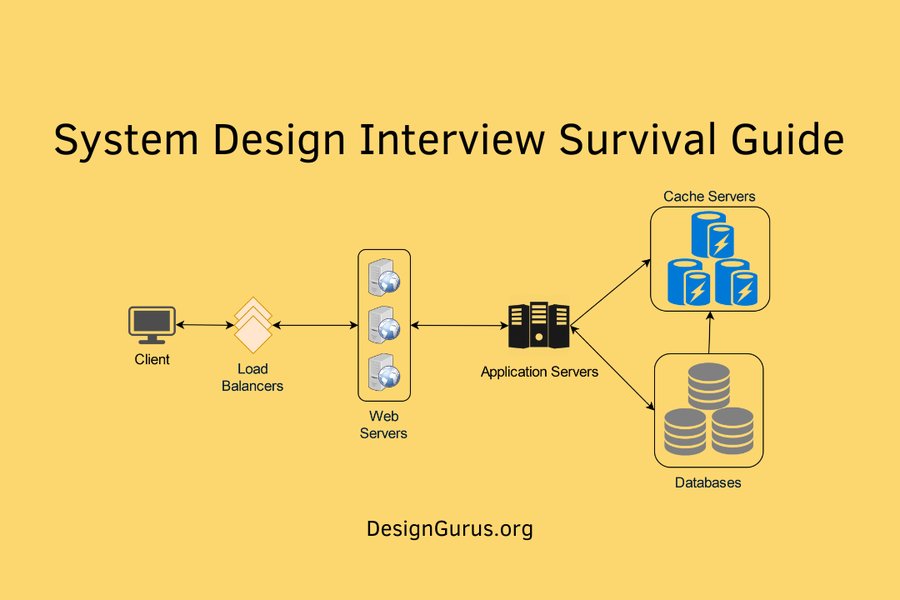
Example of cloud architecture components often discussed in system design interviews.
Full-Stack Engineering Perspective
Connecting Front-End, Back-End, and Operations
Your full-stack background is a significant asset. Staff Engineers often need a holistic view of the entire system, from user interface to underlying infrastructure.
Front-End Considerations
- Modern JavaScript/TypeScript: ES6+ features, asynchronous programming (Promises, async/await), module systems.
- Framework Proficiency (e.g., React, Angular, Vue): Deep understanding of at least one major framework, including state management (Redux, Zustand, Vuex), component lifecycle, hooks, performance optimization techniques, testing (Jest, React Testing Library).
- HTML/CSS: Semantic HTML, CSS preprocessors (SASS/LESS), CSS-in-JS, responsive design, accessibility (WCAG).
- Build Tools & Performance: Webpack/Vite, bundle splitting, lazy loading, Core Web Vitals optimization, browser rendering pipeline.
- Micro Frontends: Understanding concepts and trade-offs if relevant to the potential employer's architecture.
Back-End & Integration
- API Design: RESTful principles, GraphQL concepts, API versioning, documentation (Swagger/OpenAPI), API security (authentication, authorization).
- Database Interaction: Advanced SQL querying, indexing strategies, understanding NoSQL trade-offs (CAP theorem), data modeling for different database types.
- Web Services & Communication: Understanding different communication patterns (synchronous, asynchronous), message queues (RabbitMQ, Kafka basics), gRPC.
Testing & Quality Assurance
- Testing Pyramid: Implementing comprehensive testing strategies including unit tests, integration tests, end-to-end tests (Cypress, Playwright), and contract testing.
- TDD/BDD: Understanding and applying Test-Driven Development or Behavior-Driven Development methodologies.
- Code Quality Tools: Static analysis (SonarQube, Checkstyle), linters (ESLint), code coverage metrics.
DevOps & Automation Mindset
- CI/CD Pipelines: Designing, implementing, and managing CI/CD workflows for automated building, testing, and deployment.
- Containerization: Docker fundamentals, writing Dockerfiles, understanding container orchestration basics (Kubernetes/EKS concepts).
- Observability: Implementing logging, metrics, and tracing across the stack (e.g., ELK Stack, Prometheus/Grafana, OpenTelemetry).
- Version Control: Advanced Git usage, branching strategies (GitFlow, GitHub Flow), code review best practices.
Mastering System Design and Architecture
Designing for Scale, Resilience, and Maintainability
This is often the most critical part of a Staff Engineer interview. You need to demonstrate the ability to design complex, large-scale systems, articulate trade-offs, and justify architectural decisions.
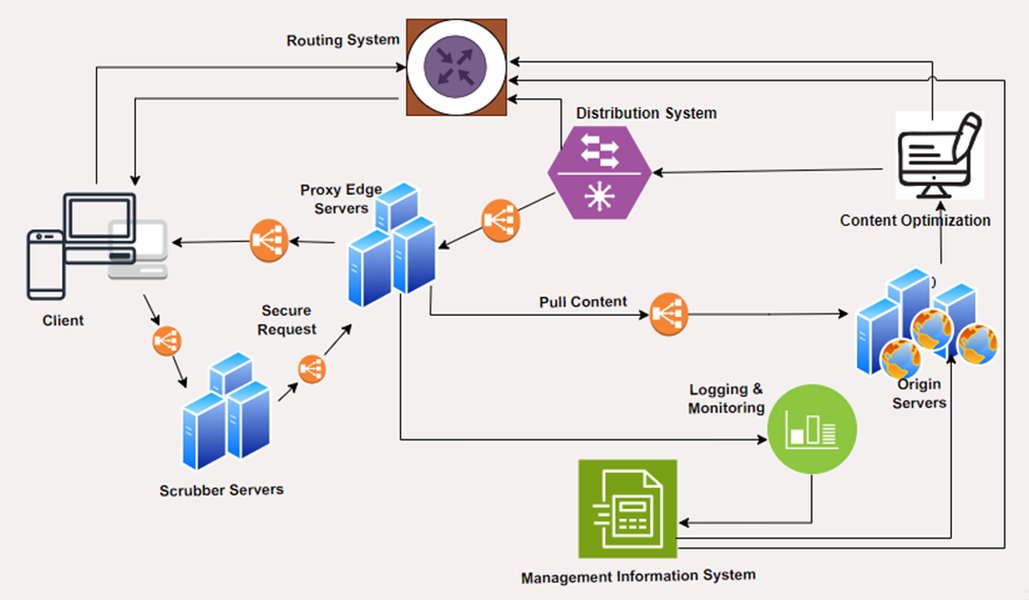
A typical flow for tackling system design interview questions.
Fundamental Principles
- Scalability: Horizontal vs. Vertical scaling, stateless vs. stateful services, designing for load balancing.
- Availability & Reliability: Redundancy, fault tolerance, failover mechanisms, understanding CAP theorem and consistency models (strong, eventual).
- Performance: Latency, throughput, caching strategies (client-side, CDN, server-side - Redis/Memcached), database indexing, query optimization.
- Maintainability: Modularity, loose coupling, high cohesion, clear API contracts, code readability, documentation (e.g., ADRs - Architecture Decision Records).
- Security: Designing secure systems from the ground up (authentication, authorization, data encryption, input validation, principle of least privilege).
Architectural Patterns & Concepts
- Microservices vs. Monolith: Pros, cons, and when to use each. Understanding bounded contexts (Domain-Driven Design).
- Event-Driven Architecture: Using message brokers (Kafka, RabbitMQ, SQS/SNS), understanding pub/sub, event sourcing, CQRS patterns.
- API Gateway: Purpose, benefits (routing, authentication, rate limiting), potential drawbacks.
- Data Handling: Database sharding, replication strategies, data partitioning, choosing SQL vs. NoSQL, data warehousing concepts, ETL processes.
- Caching Techniques: In-memory caches, distributed caches, CDN usage, cache invalidation strategies.
- Resilience Patterns: Circuit breakers, retries, timeouts, backpressure, bulkheads. Chaos engineering principles.
- Communicating Design: Using diagrams effectively (e.g., C4 model), clearly explaining trade-offs, justifying technology choices.
System Design Interview Practice
- Practice common design problems (e.g., Design Twitter, Design Uber, Design a URL Shortener, Design YouTube/Netflix).
- Follow a structured approach: clarify requirements, estimate scale, design high-level components, deep-dive into specific areas, discuss bottlenecks and failure modes.
- Focus on articulating the "why" behind your decisions and trade-offs.
Algorithms and Problem Solving
Efficient Solutions for Complex Problems
While system design is paramount, coding and algorithmic thinking remain important. Expect questions that test your ability to solve complex problems efficiently and write clean, optimized code.
Core Data Structures & Algorithms
- Data Structures: Arrays, Linked Lists, Stacks, Queues, Hash Tables (Maps, Sets), Trees (Binary Trees, BST, AVL, Tries), Heaps (Priority Queues), Graphs (representation, traversal).
- Algorithms: Sorting (QuickSort, MergeSort, HeapSort), Searching (Binary Search), Graph Algorithms (BFS, DFS, Shortest Path - Dijkstra, A*), Dynamic Programming, Greedy Algorithms, Recursion, String manipulation/pattern matching.
- Complexity Analysis: Big O notation (time and space complexity analysis) is crucial. Be able to analyze the complexity of your solutions.
Problem-Solving Approach
- Understand the problem thoroughly, ask clarifying questions.
- Discuss potential approaches and trade-offs before coding.
- Write clean, well-structured, and readable code.
- Consider edge cases and test your solution mentally or with examples.
- Optimize your solution if necessary and discuss the improvements.
- Practice on platforms like LeetCode, HackerRank, focusing on Medium/Hard problems relevant to your domains.

Whiteboarding remains a common way to assess problem-solving skills.
Leadership, Mentorship, and Influence
Demonstrating Staff-Level Impact
The Staff Engineer role is a technical leadership position. You need to demonstrate capabilities beyond individual contribution, focusing on amplifying the impact of your team and influencing technical direction.
Key Leadership Competencies
- Technical Leadership: Guiding technical direction, making architectural decisions, setting technical standards, driving adoption of best practices.
- Mentorship & Coaching: Actively mentoring junior and senior engineers, helping them grow their skills, providing constructive feedback through code reviews and discussions.
- Cross-Functional Collaboration: Working effectively with product managers, designers, other engineering teams, and stakeholders to achieve common goals.
- Communication Skills: Clearly articulating complex technical concepts to diverse audiences (technical and non-technical), writing clear documentation and design proposals, presenting ideas effectively.
- Influence & Negotiation: Influencing technical decisions without direct authority, building consensus, navigating technical disagreements constructively.
- Strategic Thinking: Understanding the broader business context, aligning technical solutions with business goals, identifying technical debt and advocating for its resolution, planning for the future.
- Problem Solving & Decision Making: Tackling ambiguous problems, making sound technical judgments under pressure, evaluating trade-offs holistically.
- Project Ownership & Execution: Taking ownership of large or complex projects, driving them to completion, anticipating risks and mitigating them.
- Improving Engineering Processes: Identifying bottlenecks in development processes and driving improvements (e.g., enhancing CI/CD, improving code review practices, advocating for better testing strategies).
Staff Engineer Archetypes (Conceptual Understanding)
Familiarize yourself with common Staff Engineer archetypes (e.g., Tech Lead, Architect, Solver, Right Hand - see Will Larson's StaffEng resources) to understand the different ways impact can be achieved at this level. Reflect on which archetype(s) best describe your strengths and experiences.
Visualizing Staff Engineer Skill Focus
Relative Importance of Key Competencies
The transition to Staff Engineer involves a shift in focus. While core technical skills remain vital, system design, leadership, and strategic thinking become increasingly important. This chart provides a conceptual visualization of the relative emphasis on different skill areas expected at the Staff level compared to a Senior Engineer. Note that the exact balance can vary by company and specific role.
Behavioral and Situational Interviews
Articulating Your Experience and Approach
Expect questions designed to assess your past behavior, problem-solving approach in specific situations, leadership style, and alignment with the company's values. Prepare concrete examples from your 10 years of experience.
Using the STAR Method
Structure your answers using the STAR method:
- Situation: Describe the context. What was the project or challenge?
- Task: What was your specific role and responsibility? What needed to be done?
- Action: What specific steps did *you* take? Focus on your individual contributions and decisions.
- Result: What was the outcome? Quantify the impact whenever possible (e.g., improved performance by X%, reduced costs by Y%, delivered feature Z impacting N users). What did you learn?
Common Behavioral Question Themes
- Most Challenging Technical Problem: Detail complexity, your approach, solution, and outcome.
- Project Leadership Experience: Describe leading a significant project, managing dependencies, handling roadblocks, and ensuring success.
- Handling Technical Disagreements/Conflict: How do you approach disagreements with peers or leadership? Provide specific examples.
- Mentorship Experience: Examples of mentoring others, how you helped them grow, and the impact.
- Dealing with Ambiguity or Changing Requirements: How do you adapt and lead through uncertainty?
- Failures or Mistakes: Discuss a time something went wrong, what you learned, and how you applied those lessons.
- Influencing Others: Describe a time you influenced technical direction or convinced others of your approach.
- Prioritization and Time Management: How do you handle competing priorities and deadlines?
- Collaboration: Examples of successful cross-functional collaboration.
- Why this company/role? Career aspirations?
Preparation Tips
- Prepare 5-7 detailed STAR stories covering various themes (technical challenges, leadership, conflict, failure, success).
- Tailor your examples to highlight skills relevant to a Staff Engineer (scale, complexity, influence, mentorship).
- Practice articulating your stories clearly and concisely.
- Be honest and reflective, especially when discussing challenges or failures.
Structuring Your Preparation: A Mindmap Overview
Visualizing Key Interview Domains
This mindmap provides a high-level overview of the essential areas to cover in your preparation for the Staff Software Engineer interview. Use it as a checklist to ensure comprehensive coverage across technical depth, design skills, leadership qualities, and interview strategies.
(Java, Spring, AWS, Full-Stack)"] id1["Core Technical Expertise"] id1a["Advanced Java"] id1a1["Concurrency"] id1a2["JVM Internals"] id1a3["Design Patterns/SOLID"] id1a4["Java 8+ Features"] id1b["Spring & Spring Boot"] id1b1["Core (DI, IoC, AOP)"] id1b2["Spring Boot Internals"] id1b3["Spring Data/JPA"] id1b4["Spring Security"] id1b5["Spring MVC/WebFlux"] id1b6["Spring Cloud"] id1b7["Testing"] id2["Cloud Architecture (AWS)"] id2a["Core Services (EC2, S3, RDS...)"] id2b["Advanced Services (EKS, Lambda, DynamoDB...)"] id2c["Networking (VPC, Route53)"] id2d["Security (IAM, WAF, KMS)"] id2e["IaC (CloudFormation/Terraform)"] id2f["Monitoring & Logging"] id2g["Cost Optimization"] id2h["Serverless"] id3["System Design & Architecture"] id3a["Scalability"] id3b["Availability & Resilience"] id3c["Performance & Caching"] id3d["Microservices/Monoliths"] id3e["Event-Driven Architecture"] id3f["Databases (SQL/NoSQL)"] id3g["API Design"] id3h["Trade-off Analysis"] id4["Full-Stack Knowledge"] id4a["Front-End (JS/TS, Frameworks)"] id4b["API Integration"] id4c["Testing Strategies (E2E)"] id4d["DevOps Mindset (CI/CD)"] id4e["Containerization (Docker)"] id4f["Web Security Basics"] id5["Algorithms & Problem Solving"] id5a["Data Structures"] id5b["Core Algorithms"] id5c["Complexity Analysis"] id5d["Coding Proficiency"] id6["Leadership & Soft Skills"] id6a["Mentorship & Coaching"] id6b["Technical Leadership"] id6c["Cross-functional Collaboration"] id6d["Communication"] id6e["Influence & Negotiation"] id6f["Conflict Resolution"] id6g["Strategic Thinking"] id7["Behavioral Interviews"] id7a["STAR Method"] id7b["Handling Ambiguity"] id7c["Failure/Learning Stories"] id7d["Project Deep Dives"] id7e["Career Motivation"]
Interview Insights: Perspective from Google
Understanding the L6 Interview Process
Gaining insights into how top tech companies structure their interviews for senior roles like Staff Engineer (often L6 at Google) can be incredibly valuable. This video discusses the interview experience for a Google Staff Software Engineer role, covering aspects like coding rounds, system design expectations, and behavioral assessments. While specific processes vary, understanding the focus areas and difficulty level at companies like Google provides a good benchmark for preparation, particularly regarding the emphasis on impact, scale, and leadership at the Staff level.
Frequently Asked Questions (FAQ)
Common Queries About Staff Engineer Interviews
What's the main difference between Senior and Staff Engineer interviews?
While both roles require strong technical skills, Staff Engineer interviews place significantly more emphasis on:
- Scope and Impact: Expect questions about projects with broader scope, cross-team impact, and higher ambiguity.
- System Design Complexity: System design questions often involve larger scale, more complex trade-offs, and require demonstrating architectural vision.
- Leadership and Influence: There's a much stronger focus on mentorship, technical leadership, strategic thinking, influencing others, and driving initiatives beyond your immediate team.
- Communication: Ability to articulate complex ideas clearly to diverse audiences and justify decisions is scrutinized more heavily.
How much emphasis is placed on coding vs. system design?
System design typically carries more weight than coding rounds for Staff Engineer roles. While you still need to demonstrate strong coding proficiency and problem-solving skills (often with complex algorithm/data structure questions), your ability to design scalable, resilient systems and articulate architectural trade-offs is paramount. Expect multiple rounds focusing on system design and architecture.
How should I leverage my Full-Stack background?
Your full-stack experience is valuable. Highlight it by:
- Demonstrating end-to-end understanding in system design discussions (from UI implications to database choices).
- Sharing examples where you bridged front-end and back-end challenges.
- Discussing operational aspects (monitoring, deployment) across the entire stack.
- Showing empathy for challenges faced by different parts of the stack (e.g., front-end performance impact on user experience).
Frame your experience as providing a holistic view necessary for designing cohesive and effective systems.
How important is specific knowledge of emerging technologies?
While deep expertise in your core stack (Java, Spring, AWS) is essential, demonstrating awareness and conceptual understanding of relevant emerging technologies (e.g., advanced cloud services, AI/ML integration basics, modern data platforms) is beneficial. It shows technical curiosity and forward-thinking. However, foundational principles, strong design skills, and proven leadership are typically more critical than deep knowledge of every new trend, unless the role specifically requires it.
Recommended Next Steps
- Explore specific system design patterns relevant to building large-scale distributed applications.
- Learn how to craft compelling narratives using the STAR method for behavioral interview questions focused on leadership and impact.
- Investigate advanced techniques for optimizing AWS costs in complex, high-traffic environments.
- Understand the different types of Staff Engineer roles (e.g., Architect, Tech Lead, Solver) to better frame your experience and aspirations.
References

Last updated May 5, 2025