
Unlocking Success in Print-on-Demand: Your Comprehensive Guide to Minimal Effort & Maximum Earnings
Navigate the exciting world of custom products with a streamlined approach to online entrepreneurship.
Key Insights for a Thriving Print-on-Demand Venture
- Strategic Niche Selection is Paramount: Identifying a specific target audience with unique interests or challenges is the cornerstone of a profitable print-on-demand business, enabling focused design and marketing efforts.
- Leverage Reliable POD Platforms: Partnering with top-tier print-on-demand companies like Printful, Printify, or Gelato is crucial for seamless order fulfillment, quality control, and diverse product offerings, minimizing operational burden.
- Optimize for Organic Traffic: While starting on marketplaces like Etsy offers immediate exposure, integrating SEO strategies and social media marketing is essential for long-term growth and reducing reliance on paid advertising.
The print-on-demand (POD) business model has emerged as a highly attractive avenue for entrepreneurs seeking to enter the e-commerce space with minimal upfront investment and inventory risk. This innovative approach allows you to sell custom-designed products, such as apparel, accessories, and home decor, without ever needing to hold physical stock. Products are only produced and shipped to customers after an order is placed, streamlining operations and freeing you to focus on creativity and marketing. If you're looking to launch a print-on-demand business with the goal of earning income with minimal effort, this guide provides a detailed, step-by-step roadmap to navigate the process successfully.
Understanding the Print-on-Demand Ecosystem
At its core, print-on-demand is a business model where you, as the seller, create unique designs, and a third-party POD service handles the printing, packaging, and shipping of products directly to your customers. This eliminates the need for inventory management, large capital investments in stock, and the complexities of logistics. It's an ideal model for artists, designers, content creators, or anyone with a keen eye for market trends looking to monetize their creativity.
The flexibility of POD allows for rapid testing of new designs and product ideas. You can list a wide variety of products without committing to bulk orders, reducing financial risk and enabling quick adaptation to market demands. This "no inventory, no hassle" approach makes it possible to start and grow an online business even with limited resources and time, maximizing your focus on brand building and customer engagement.
The Definitive Steps to Launching Your Print-on-Demand Business
Step 1: Discovering Your Niche and Target Audience
The foundation of any successful print-on-demand business lies in choosing a profitable niche. A niche is a specific segment of the market that your products will cater to, defined by particular interests, demographics, or challenges. Rather than trying to appeal to everyone, focusing on a niche allows you to tailor your designs, marketing messages, and product offerings to a highly engaged audience.
How to Identify a Profitable Niche:
- Market Research: Explore social media platforms like Facebook, X, and Reddit, as well as print-on-demand communities and marketplaces (e.g., Etsy, Amazon Merch on Demand). Look for lively discussions, recurring themes, and unmet needs. Tools like Google Trends can also highlight popular search terms and trending topics.
- Personal Interests & Expertise: Consider your own hobbies, passions, or areas of expertise. Designing for a niche you genuinely understand or are part of can give you an authentic edge and make the design process more enjoyable.
- Audience Understanding: Once a potential niche is identified, delve deeper into understanding your target audience's preferences, pain points, and spending habits. This knowledge will inform your design choices and marketing strategies. For instance, if your niche is "dog lovers," consider what specific breeds, dog activities, or humorous dog-related phrases resonate most with them.
An effective niche should ideally have high demand, low competition, and strong profit potential. This strategic selection makes it significantly easier to stand out in a crowded market and attract dedicated customers.
Step 2: Curating Your Product Catalog
Once your niche is defined, the next step is to decide what products will best showcase your designs. Print-on-demand offers an extensive range of items, from apparel like t-shirts and hoodies to accessories, home goods, and even unique items like puzzles or pet supplies.
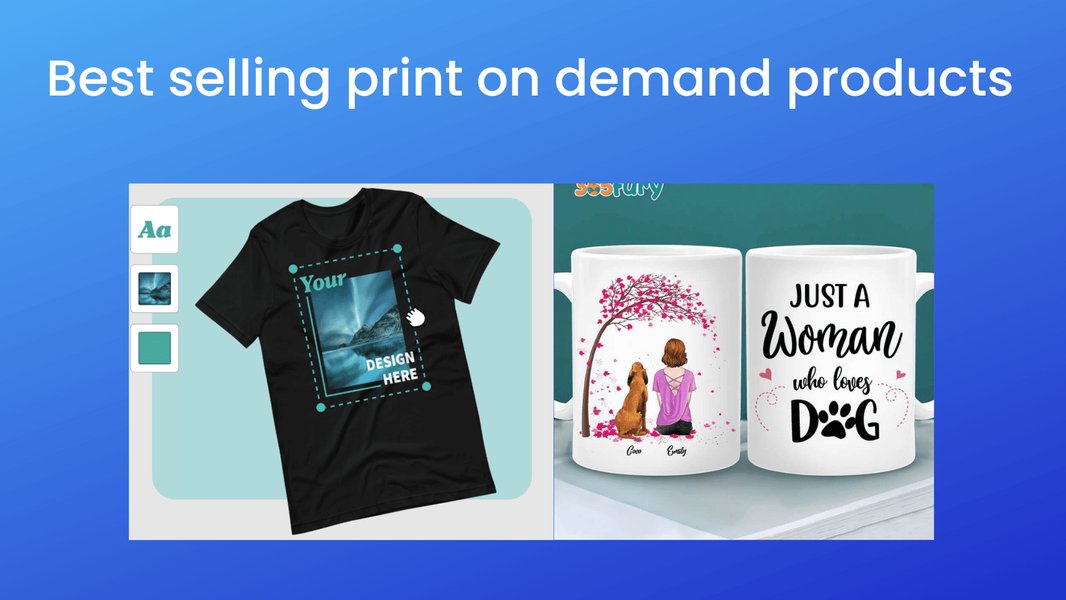
Diverse product offerings allow for broad appeal within your chosen niche.
Key Considerations for Product Selection:
- Relevance to Niche: Choose products that naturally align with your target audience's lifestyle and interests. For example, if your niche is fitness enthusiasts, performance wear or water bottles might be ideal.
- Product Variety: While starting with a few core products is wise, gradually diversifying your catalog can attract a broader segment of your niche. Many platforms offer over 1,000 products, allowing for creative expansion.
- Profit Margins: Research the cost of different products and their potential selling price to ensure healthy profit margins. Some products, like custom puzzles or jewelry, might offer higher margins than basic t-shirts.
- Quality and Sustainability: Opt for products known for their quality. Consider offering eco-friendly options like recycled t-shirts or organic tote bags, which appeal to environmentally conscious consumers.
Step 3: Crafting Compelling Designs
Your designs are the heart of your print-on-demand business. They need to be unique, visually appealing, and resonate strongly with your chosen niche. While artistic skills are a plus, you don't necessarily need to be an experienced designer to create compelling artwork.
- Originality is Key: Draw inspiration from popular trends but always strive to create original designs to avoid copyright issues and build a distinctive brand identity. Sites like Designious, Pinterest, and Dribbble can be great sources of inspiration.
- Design Tools: Utilize user-friendly design tools. Many print-on-demand platforms offer built-in design editors, or you can use external software like Adobe Photoshop, Illustrator, or even free tools like Canva.
- Professional Assistance: If design isn't your forte, consider hiring a freelance designer to create high-quality graphics that align with your brand vision.
- Mockups: Use product mockups to visualize how your designs will look on actual products. Many POD platforms provide mockup generators, which are essential for presenting your products professionally in your online store.
Step 4: Choosing a Reliable Print-on-Demand Partner
Selecting the right print-on-demand fulfillment service is a critical decision that impacts product quality, production time, shipping, and customer satisfaction. The best POD companies offer a wide range of products, seamless integrations, and excellent support.
This radar chart visually compares three leading print-on-demand platforms—Printful, Printify, and Gelato—across key attributes crucial for a successful POD business. It highlights their strengths in areas such as product variety, quality consistency, integration capabilities with e-commerce platforms, pricing and profit margins, customer support, and global reach. Understanding these differentiators can help you select the partner best suited to your specific business needs and priorities, ensuring smooth operations and high customer satisfaction.
Here’s a comparison of some of the best print-on-demand companies:
| Company | Best For | Key Features | Pricing Model |
|---|---|---|---|
| Printful | Apparel, accessories, lifestyle products, consistent quality. | Wide product range, custom branding, warehousing, global fulfillment, advanced mockups. | No upfront fees, pay per product + shipping. Optional monthly subscription for discounts. |
| Printify | Large product variety, best pricing, easy-to-use interface. | 1000+ products, global network of printers, free plan available, automated order fulfillment, quality control. | Free plan, Premium subscription for up to 20% off products. |
| Gelato | Global reach, fast local production, eco-friendly options. | Production in 32 countries, 1-click integration, extensive product catalog, zero-inventory model. | Free to sign up, pay for what you sell, no commissions. |
| Amazon Merch on Demand | Direct access to Amazon's vast customer base. | Upload artwork, Amazon handles production, shipping, and customer service. | Royalty-based, no upfront costs. |
| Redbubble & Society6 | Artists seeking a marketplace model, built-in audience. | Marketplaces for artists, handle all fulfillment, marketing efforts on the platform. | Set your own markup, platform takes a base price. |
| Prodigi | Global print network, API integration for large scale. | Over 50 print on demand suppliers, extensive product catalog, focus on fine art and homeware. | Pay-as-you-go model. |
| Merchize | Cost-effective personalization, diverse product options beyond standard apparel. | Over 500 products, integrated with popular e-commerce platforms, quality control. | Competitive pricing per product. |
| Blurb | Custom books, magazines, and photo books. | Specialized in publishing, high-quality printing for custom publications. | Pricing based on book type, size, and quantity. |
Each platform has its strengths, so consider your niche, desired product range, and technical comfort level when making your choice. Many platforms integrate seamlessly with popular e-commerce platforms like Shopify, Etsy, WooCommerce, and Wix.
Step 5: Building Your Online Storefront
Your online store is where customers will browse and purchase your custom products. The choice of platform depends on your experience level and desired level of control.
Marketplaces vs. Standalone Stores:
- Etsy: Ideal for beginners, Etsy offers built-in traffic and a user-friendly interface. It's a great starting point to test designs and gain initial sales, especially for artistic or unique products.
- Shopify, WooCommerce, Wix: These platforms allow you to build your own branded online store. While they require more effort in terms of setup and marketing (including SEO), they offer greater control over your brand, customer experience, and scalability. Many POD services have direct integrations with these platforms, automating order flow.
- Amazon Merch on Demand: If you want to tap into Amazon's massive audience directly, this platform allows you to upload designs, and Amazon handles the rest.
Regardless of your chosen platform, ensure your store is visually appealing, easy to navigate, and clearly showcases your products with high-quality mockups.
Step 6: Pricing Your Products for Profitability
Pricing your products correctly is crucial for profitability and competitiveness. Your selling price needs to cover the base cost of the product (from your POD supplier), shipping fees, platform fees (if applicable), and your desired profit margin.
Pricing Strategy Components:
- Cost Analysis: Calculate the total cost per product, including the POD supplier's production cost and shipping.
- Competitor Research: Analyze how competitors in your niche are pricing similar products.
- Value Perception: Consider the perceived value of your designs and products. Unique, high-quality designs can often command higher prices.
- Profit Margin: Determine a target profit margin that makes your business sustainable.
Many POD platforms offer tools to help you calculate your profit based on your chosen selling price and the supplier's cost. Be transparent with shipping costs, or consider offering free shipping and incorporating it into your product price.
Step 7: Marketing Your Print-on-Demand Business
Even with great designs and products, effective marketing is essential to attract customers. Focus on strategies that bring your unique offerings to your target audience.
Effective Marketing Channels:
- Social Media Marketing: Platforms like Instagram, Pinterest, and TikTok are highly visual and perfect for showcasing print-on-demand products. Use high-quality lifestyle photos and videos. Engage with your audience, run contests, and use relevant hashtags.
- Search Engine Optimization (SEO): For standalone stores and marketplaces like Etsy, optimize your product titles, descriptions, and tags with relevant keywords to improve visibility in search results.
- Influencer Marketing: Collaborate with influencers in your niche who can promote your products to their followers.
- Paid Advertising: Consider running targeted ads on social media (Facebook/Instagram Ads) or search engines (Google Ads) to reach a wider audience. Start with a small budget and scale as you see results.
- Email Marketing: Build an email list to communicate with potential and existing customers about new designs, promotions, and brand updates.
- Content Marketing: Create blog posts or videos related to your niche and products to attract organic traffic and establish your brand authority.
Consistency in marketing and adapting to evolving trends are key for sustained growth. Regularly analyze your sales data to identify what's working and refine your strategies.
This video provides a helpful overview on how to easily start a print-on-demand shop in 2025 from scratch, focusing on the initial setup and selling process. It complements the steps outlined, particularly for beginners.
Step 8: Scaling and Optimizing Your Operations
Once your business is up and running and you're generating sales, focus on optimizing your operations for long-term success and minimal ongoing effort.
- Automate Where Possible: Leverage platform integrations to automate order fulfillment, inventory syncing, and even customer communication.
- Monitor Performance: Regularly review sales data, popular designs, and customer feedback. Identify best-selling products and double down on what works.
- Customer Service: While POD companies handle fulfillment, you are responsible for customer communication, returns, and exchanges. Provide excellent customer service to build loyalty and positive reviews.
- Diversify Suppliers: Consider working with multiple POD suppliers to mitigate risks related to stock issues, production delays, or quality inconsistencies from a single provider.
- Expand Product Lines: Continuously introduce new designs and products based on market trends and customer requests.
- Build Your Brand: Invest in consistent branding, from your website's aesthetics to your social media presence, to create a memorable and reputable business.
Frequently Asked Questions (FAQ)
What is the minimum investment required to start a print-on-demand business?
Do I need design skills to start a print-on-demand business?
How long does it take to see profits in a print-on-demand business?
What are the most profitable print-on-demand products?
Conclusion
Starting a print-on-demand business offers a compelling opportunity to leverage your creativity and entrepreneurial spirit with significantly reduced risk and operational overhead. By diligently following these steps—from meticulous niche selection and design creation to choosing the right POD partner, building an engaging storefront, and implementing effective marketing strategies—you can establish a sustainable and profitable venture. The beauty of this model lies in its ability to generate income while you focus on brand growth and innovation, making it an ideal choice for those aiming for minimal effort and maximum impact in the e-commerce landscape.
Recommended Further Exploration
- How to find a profitable print-on-demand niche in 2025
- Best print-on-demand platforms for beginners compared
- Effective marketing strategies for print-on-demand products
- Scaling a print-on-demand business with automation
Referenced Search Results

 merch.amazon.com