
Review of Related Literature
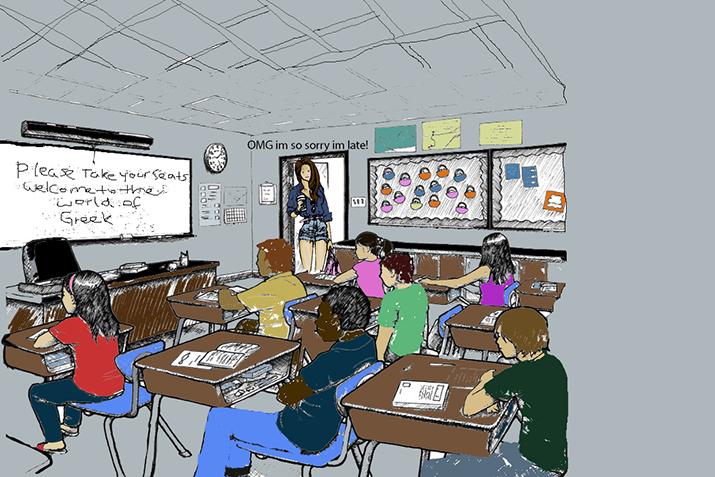
Exploring the Impact of Student Tardiness on Academic and Social Environments
Key Highlights
- Academic Impact: Tardiness leads to lower academic achievement and missed learning opportunities.
- Classroom Dynamics: Late arrivals disrupt the instructional flow and impact peer interactions.
- Intervention Strategies: Effective policies and family involvement mitigate the effects of chronic lateness.
Introduction
Student tardiness is a critical issue in educational systems around the world. Extensive research reveals that students arriving late to class affect not only their own learning opportunities but also the overall classroom environment. When students consistently come late, they often miss essential parts of lessons such as initial discussions, announcements, and activities that foster group cohesion. This review of related literature (RRL) synthesizes findings from various research sources, discussing impacts on academic performance, classroom dynamics, and social relationships. In addition, we explore interventions and strategies that have been implemented to address the problem of tardiness.
Impact on Academic Performance
Lower Academic Achievement
Research consistently shows that student tardiness correlates with lower academic performance. Frequent lateness affects grade point averages (GPAs), test scores, and overall educational outcomes. Students arriving late miss the beginning parts of lessons, which often include crucial instructions, outlines of the day’s work, and important announcements. As a result, these students garner reduced understanding of the course content, leading to gaps in their knowledge accumulation.
Missed Learning Opportunities
The initial minutes of class are fundamental in setting the tone for learning. These minutes are used for summarizing previous lessons, presenting new topics, and providing vital logistical information. When a student is tardy, they lose the opportunity to be mentally prepared for the lesson, often resulting in inadequate comprehension of subsequent material. This loss of continuity can diminish a student’s ability to engage in follow-up discussions or complete assignments accurately, ultimately reducing academic performance.
Effects on Study Habits and Future Conduct
Moreover, repeated tardiness may nurture a poor work ethic. Habits formed in early academic years tend to carry over into higher education and even professional environments. When punctuality is not enforced or valued, students risk internalizing a disregard for timeliness that adversely affects not only their academic trajectory but also their future career prospects.
Impact on Classroom Dynamics
Disruption of the Learning Environment
Late arrivals present significant disturbances within classroom environments. Teachers often have to pause ongoing lessons to accommodate the late student, explain missed content, or even repeat instructions. This interruption not only depreciates the learning experience for the latecomer but also distracts peers who are engaged in the learning process.
Inefficient Instructional Time
The need to address tardiness during class time results in diminished efficiency. Educators may find themselves compelled to reintroduce or clarify points missed by late arrivals, thereby reducing the time available for delivering new content. This interactive cycle of disruption can lead to a cumulative negative impact on the entire class’s academic progress.
Social and Emotional Implications
Beyond academic ramifications, tardiness can have significant social and emotional impacts. Students who habitually arrive late often feel excluded from early classroom interactions. These initial moments are critical for building relationships and establishing social rapport among classmates. Being on the periphery of these interactions can contribute to a sense of isolation, impacting the student’s self-esteem.
Peer Perception and Reputation
Consistent lateness may lead to the development of negative reputations. Peers may come to perceive tardy students as less committed or responsible, which can result in social stigmatization. Negative peer perceptions can affect both group dynamics and individual student confidence, making it more challenging for these students to integrate into classroom communities.
Classroom Cohesion and Morale
The overall classroom environment may become less cohesive when tardiness is prevalent. A disrupted start to lessons can foster an atmosphere of disorder and frustration, which is detrimental to student morale. Teachers often face the dual challenge of managing both academic instructions and behavioral issues, which may limit their effectiveness in delivering content, thus affecting classroom synergy.
Factors Contributing to Tardiness
Environmental and Personal Factors
Student tardiness is rarely the result of a single factor. A variety of environmental and personal issues contribute to this challenge. Transportation difficulties, family obligations, and health concerns are common external factors. Internally, poor time management, lack of sleep, and the absence of well-established morning routines play crucial roles.
Socioeconomic Influences
Socioeconomic factors can significantly affect punctuality. Students from lower-income families may deal with unreliable transportation or have to manage responsibilities at home that contribute to a hectic morning routine. These challenges underscore the need for targeted support and policies that accommodate diverse student needs.
Peer Pressure and Social Norms
In some cases, the social environment itself can promote tardiness. When classmates normalize arriving late, it may reinforce a culture where lateness is not seen as problematic. Peer influence, combined with a lack of strict enforcement of punctuality rules, can lead to a systemic acceptance of tardiness.
Interventions and Strategies
Policy Implementation and Schoolwide Strategies
Addressing student tardiness requires multilevel interventions. Implementing clear policies and enforcing consistent consequences can help cultivate punctuality while supporting the academic and social development of students. Schools that establish early class routines and use positive reinforcement strategies have seen improvements in overall attendance.
Structured School Start Times
One effective strategy is the adjustment of school start times. Research suggests that later start times can mitigate the negative effects of sleep deprivation and reduce tardiness. By aligning school schedules with adolescents’ natural sleep patterns, schools can help students achieve better attendance and improved academic performance.
Positive Reinforcement and Incentive Programs
Positive reinforcement is a key element in encouraging punctuality. Reward systems that acknowledge or provide incentives for timely attendance can foster a positive behavioral change. These programs not only reduce tardiness rates but also boost overall morale within the classroom.
Family and Community Engagement
Active family involvement is critical in addressing the multifaceted causes of tardiness. Educators and parents working in tandem can help establish consistent routines and create supportive environments that prioritize punctuality. Schools may also work with transportation agencies and local communities to address logistical issues that directly affect students.
Tailored Family Outreach
Initiatives such as parent workshops and regular communication can create awareness about the importance of punctuality. When families understand the long-term academic and social implications of tardiness, they are better equipped to implement supportive practices at home.
Comprehensive Analysis
Synthesis of Literature Findings
The literature dissects student tardiness through multiple lenses, presenting a robust analysis of its adverse effects across academic, social, and behavioral domains. A synthesis of empirical studies and educational reviews highlights that:
- Frequent tardiness is directly linked to lower academic outcomes with a noticeable decline in GPA and overall performance.
- Classroom disruptions due to late arrivals not only affect the tardy student but have a ripple effect on the entire class, detracting from quality learning and effective teaching.
- Social dynamics within classrooms suffer when tardiness prevents students from forming early connections, leading to feelings of isolation and marginalization.
- Multifaceted interventions including policy adjustments, flexible scheduling, and innovative incentive systems show promise in effectively combatting student tardiness.
- A collaborative approach involving educators, families, and community resources is essential to tackle the root causes of tardiness comprehensively.
Comparative Table of Impacts
| Area of Impact | Key Issues | Strategies |
|---|---|---|
| Academic Performance |
|
|
| Classroom Dynamics |
|
|
| Social Relationships |
|
|
The table above succinctly outlines the major areas influenced by student tardiness and provides an overview of both the challenges and potential strategies implemented to combat these issues. This holistic approach is critical to understanding the full spectrum of impacts that come with being late and reinforces the interconnected nature of academic, social, and behavioral elements.
Interdisciplinary Perspectives and Future Directions
Educational Psychology and Behavioral Insights
From the lens of educational psychology, tardiness can be examined as a behavioral manifestation linked to underlying motivational and self-regulatory deficiencies. Psychological theories suggest that habits such as punctuality are influenced by a range of intrinsic and extrinsic factors. Intrinsically, students may struggle with self-discipline or time management, while extrinsically, the standards set by the educational institution can either positively or negatively shape behavior.
Cognitive and Behavioral Factors
A key psychological consideration is that habitual tardiness may signal latent problems in cognitive engagement with the curriculum. When students perceive the classroom as disengaging or irrelevant, they may be less inclined to adhere to punctual practices. Therefore, integrating engaging instructional methods and utilizing adaptive teaching strategies can combat not only the behavior of tardiness but also its underlying motivational deficiencies.
Societal and Economic Considerations
In addition to personal and psychological factors, broader social and economic conditions impact punctuality. Societal norms, family responsibilities, and community infrastructures all contribute to whether a student arrives on time. For instance, policy recommendations in some regions have included community-based approaches that cater to transportation challenges and socioeconomic disparities. Such policies are increasingly recognized as necessary for creating equitable learning environments.
Measurable Outcomes and Assessment
Quantitative and Qualitative Data
Empirical research has provided both quantitative and qualitative insights into the impacts of tardiness. Quantitatively, statistical analyses have shown significant correlations between high rates of tardiness and decreased academic performance. Qualitative studies, on the other hand, have delved into the lived experiences of students and educators, revealing the nuanced ways in which late arrivals affect classroom morale and teacher efficacy.
Utilizing Data for Policy Adjustments
The integration of data-driven approaches in addressing tardiness has resulted in innovative solutions. Educational institutions now employ comprehensive monitoring systems that track student attendance patterns. This data is critical for identifying trends, assessing the efficacy of various interventions, and tailoring strategies to the specific needs of their student populations.
References
The following references provide deeper insights into the multifaceted issue of student tardiness and its broader implications in educational environments:
- Is it Really Bad to be Late to School? - Talk A Feels
- Students Who Are Late to School and How it Affects - Swan School
- The Impact of Tardiness on Student Success - Athlos Academies
- The Effect of Student Tardiness on Learning - Teacher Magazine
- Attendance Matters: The Impact of Tardiness on Student Success - Athlos Utah
Recommended Topics for Further Research
To extend your inquiry into the subject of student tardiness, you may find the following topics and queries particularly insightful:
Last updated March 19, 2025