
The Suez Crisis: An Analysis of Responsibility
Understanding the multifaceted causes and key actors behind the 1956 conflict
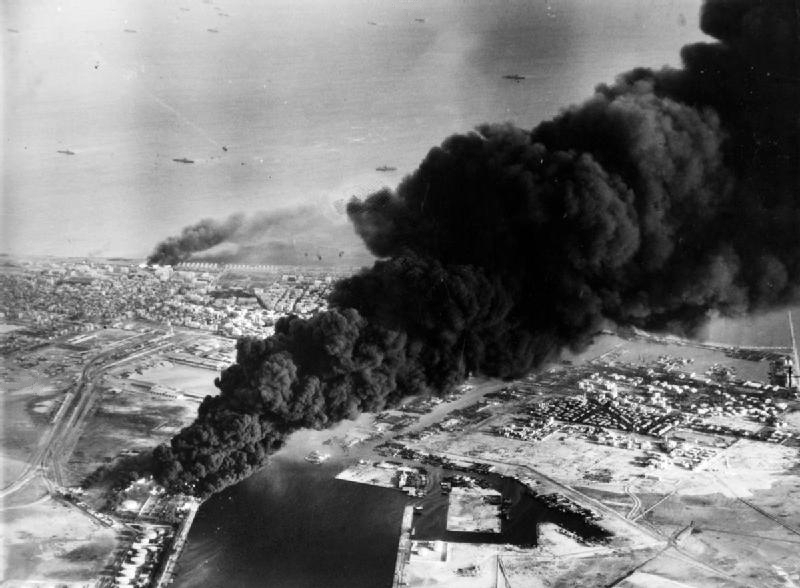
Highlights
- Gamal Abdel Nasser's Vision: His decision to nationalize the Suez Canal was a bold assertion of national sovereignty.
- Colonial Interests: Britain and France, motivated by economic and strategic concerns, played pivotal roles in instigating military action.
- Geopolitical Tensions: Israel’s involvement and the wider Cold War dynamics significantly shaped the crisis's unfolding and outcome.
Context and Principal Causes
The Suez Crisis of 1956 stands as a landmark event in the modern history of international relations, marking the decline of European colonial influence and the rise of emerging post-colonial states. The conflict emerged from a confluence of national aspirations, strategic interests, and global power politics. At its core, the immediate spark was the decision by Egyptian President Gamal Abdel Nasser to nationalize the Suez Canal—a move laden with symbolism and driven by a mix of economic, political, and ideological motivations.
Understanding who was responsible for the Suez Crisis requires an examination of both the immediate trigger and the broader environment in which the crisis unfolded. In the wake of the canal's nationalization, long-held Western interests in maintaining control over this critical maritime passage were threatened, triggering a reaction from several major players, each with their own agendas and strategic imperatives.
Key Actors and Their Roles
Gamal Abdel Nasser and Egyptian Nationalization
At the center of the crisis was Egyptian President Gamal Abdel Nasser. On July 26, 1956, Nasser nationalized the Suez Canal, which until then had been operated by a British-French company. This decisive action was spurred by a combination of factors:
- Economic Independence: Nasser aimed to assert economic sovereignty over a vital international trade route and secure revenues for national development.
- Political Legitimacy: The nationalization was a clear statement against the remnants of colonial dominance in the region, bolstering his image as a champion of Arab nationalism.
- Retaliatory Measures: His move was partly in response to the United States and Britain withdrawing essential funding for the ambitious Aswan High Dam project. This funding cut was indicative of the Western powers' disapproval of Egypt’s growing sympathies towards the Eastern bloc during the Cold War.
Nasser's actions resonated strongly with his domestic audience and the broader Arab world, positioning him as a symbol of resistance against imperial intervention. However, this same act directly challenged the economic and political interests of Britain and France, setting in motion a chain of events that escalated into military confrontation.
Britain and France: Economic and Strategic Implications
The British and French interests in the Suez Canal date back to the canal's inception. The canal was crucial for trade, particularly for the transportation of oil from the Middle East to Europe. When Nasser nationalized the canal, it posed a direct threat to their geopolitical and economic influence. Both nations were determined to regain control, and as a result, they covertly planned a military intervention.
The motivations of Britain and France were deeply rooted in:
- Protecting Economic Interests: The Suez Canal was not just a strip of water but the lifeline for petroleum shipments essential to European economies.
- Preserving Imperial Prestige: Maintaining a colonial foothold in the Middle East was intertwined with notions of national prestige and global power. The loss of control over the canal symbolized a broader decline in their global standing.
- Military Strategy: The intervention was planned under the guise of re-establishing order and safeguarding a vital asset, but underlying this was a broader ambition to potentially remove Nasser from power and realign regional dynamics in favor of Western interests.
Despite their plans and initial military successes, both Britain and France found themselves facing significant international and diplomatic backlash. Their roles in the crisis eventually revealed the limitations of power projection in a world that was rapidly shifting away from traditional colonial empires.
Israel’s Military Involvement
Israel’s participation in the Suez Crisis was driven by its strategic concerns. The country had longstanding issues with Egypt, particularly related to border security and the blockade of vital maritime passages:
- Re-opening the Straits of Tiran: The blockade of these strategic waterways severely impacted Israeli shipping and trade, raising national security concerns.
- Counteracting Fedayeen Raids: Israeli leaders perceived Egypt’s policies as directly hostile, leading to a determination to neutralize potential threats at its borders.
- Coordinated Military Plan: Israel joined forces with Britain and France under a mutual understanding, with the expectation that a swift military strike would consolidate their regional positioning and restore access to the critical waterways.
While Israel’s military objectives were clear, its participation in the invasion further complicated the international dynamics of the crisis. By aligning with European powers, Israel inadvertently became involved in a larger geopolitical struggle that resonated well beyond the immediate boundaries of the Middle East.
The Influence of Global Geopolitics and the Cold War
The pervasive influence of the Cold War cannot be overlooked when analyzing the Suez Crisis. The global ideological divide between the capitalist West and the communist Eastern bloc provided a backdrop that amplified the conflict:
- Cold War Rivalries: Both the United States and the Soviet Union were deeply invested in maintaining a balance of power in the region. The U.S., under President Eisenhower, was particularly wary of any escalation that might lead to a direct confrontation with the Soviet Union.
- International Diplomatic Pressure: The intense scrutiny by global powers led to significant pressure on the invaders. The United Nations played an important role in mediating the crisis by pushing for a ceasefire and urging all parties to withdraw their forces.
- Science of Détente: The crisis triggered a re-evaluation of diplomatic strategies where military intervention was seen as increasingly risky, encouraging a trend towards negotiation under international oversight.
The involvement and reactions of the superpowers highlight that while the immediate causes of the Suez Crisis were local and regional, the repercussions rippled throughout the entire globe. The Cold War added a layer of strategic calculation that influenced the decisions made by all key participants.
Analyzing the Responsibilities and Outcomes
The responsibility for the Suez Crisis is not confined to a single entity but rather is distributed among several actors, each of whom contributed significantly to the unfolding of events:
Egypt's Sovereign Decision
Egyptian President Gamal Abdel Nasser’s proactive nationalization of the Suez Canal was the catalyst for the crisis. His decision was informed by the desire to assert national independence and challenge what was viewed as outdated colonial dominance. At its essence, Nasser’s act was both a nationalistic proclamation and a strategic maneuver intended to harness Egypt's resources for its development independent of Western influence.
European Colonial Legacies
The management and economic control of the Suez Canal by Britain and France represented the last vestiges of colonial empires. Their concerted response to Nasser's nationalization—through military intervention—reflected an unwillingness to relinquish power over a strategic resource that had buoyed their economies and geopolitical standing. Their actions were largely driven by economic self-interest and a desire to preserve their traditional spheres of influence in a rapidly changing global order.
Strategic Military Calculations by Israel
Israel's role in the crisis underscores the complex interplay between regional security concerns and broader geopolitical strategies. By launching its own military operation to reopen critical maritime routes, Israel ensured its participation in the coalition against Egypt. Although its aims dovetailed with those of Britain and France, the broader impact involved additional layers of regional distrust and contributed to shifting alliances for years to come.
Furthermore, the crisis itself served as an important turning point in international politics. While militarily the invasion achieved its short-term objectives, it ultimately became a diplomatic and political disaster for the invaders. Global opinion turned against the coalition, leading to intense international pressure that forced Britain, France, and Israel to withdraw their forces. This outcome underscored the limits of traditional military might in ensuring political goals, and it ushered in a new era of global diplomacy where emerging nationalisms and superpower confrontations reshaped international relations.
A Detailed Timeline and Decision-Making Chart
Chronologically, the escalation of the Suez Crisis can be visualized as a series of critical decisions made by the various actors involved:
| Event | Key Actor(s) | Decision or Action |
|---|---|---|
| Nationalization of the Suez Canal | Nasser (Egypt) | Seized control of the canal, triggering national pride and international alarm. |
| Military Planning | Britain & France | Covertly devised an invasion strategy to regain control and remove Nasser. |
| Israeli Invasion | Israel | Launched an attack to reopen the Straits of Tiran and secure navigation routes. |
| Diplomatic and International Response | United States, Soviet Union, United Nations | Applied pressure on the invaders, eventually leading to a ceasefire and withdrawal. |
This timeline illustrates the cascading nature of decisions that intertwined domestic national policies with international strategic maneuvers. Each decision catalyzed a response that magnified the crisis, underscoring the interconnectedness of local actions and global consequences.
The Broader Impact of the Crisis
Decline of European Imperialism
One of the lasting legacies of the Suez Crisis was the dramatic decline in the influence of Britain and France in the Middle East. The conflict not only demonstrated the inability of the old colonial powers to enforce their will in a world fast embracing self-determination and sovereignty, but also highlighted the emerging dominance of superpowers like the United States and the Soviet Union. The crisis signaled a pivotal shift in global power, with former colonial states asserting control over their resources and challenging external interference.
Reshaping Regional Alliances
The Suez Crisis contributed directly to the reshaping of alliances within the Middle East. For many Arab nations, Nasser’s actions were seen as a victory of anti-colonial sentiment and emboldened similar nationalist movements. Meanwhile, Israel’s participation complicated its relations with its neighbors, setting the stage for subsequent conflicts in the region. The interplay of national aspirations and the geopolitical imperatives of a bipolar world led to long-term consequences in diplomatic relations and security policies across the Middle East.
Evolution of International Diplomacy
The aftermath of the crisis marked a turning point in international diplomacy. The response by global powers, particularly the vigorous involvement of the United States and the pressure exerted by the United Nations, signified an increasing reliance on diplomatic channels and multilateral institutions to resolve conflicts. This approach, arising from the recognition that unilateral military action could lead to widespread destabilization, eventually influenced subsequent international engagements and the formulation of conflict resolution mechanisms.
Dissecting the Responsibility
When considering responsibility for the Suez Crisis, it is clear that the crisis cannot be attributed solely to a single individual or country. Instead, the crisis was the direct result of a series of deliberately taken actions by multiple parties whose interests intersected and clashed:
- On the one hand, President Nasser’s decision to nationalize the Suez Canal represented a bold stand for national sovereignty and self-determination, directly challenging the established order.
- On the other hand, the coordinated military actions of Britain, France, and Israel reflected a determination to protect long-standing economic interests and geopolitical influence, despite knowing that such an intervention could escalate into a larger conflict.
- Finally, the broader context of the Cold War inflected decisions on all sides, with pressures from superpowers and international institutions compelling some actors to reconsider the viability of military aggression.
Therefore, while Nasser’s nationalization was the triggering event, the crisis unfolded through the active participation of multiple key players, each contributing to the conflict’s outbreak and its dramatic consequences.
Conclusion and Final Thoughts
In conclusion, responsibility for the Suez Crisis rests with a confluence of several influential actors, each playing a distinct role in its development. Egyptian President Gamal Abdel Nasser’s nationalization of the Suez Canal acted as the spark that ignited the conflict. His move was motivated by a desire to foster national independence, assert Egypt’s sovereignty, and reposition the nation amidst a changing global order. Reacting to this decisive step were Britain and France, whose colonial interests and economic stakes in the canal found themselves directly threatened by the nationalization. Their subsequent military intervention, coupled with Israel’s strategic entry, reflects the complex interplay of regional security concerns, the failing vestiges of colonialism, and the demanding imperatives of Cold War geopolitics.
The crisis had profound ramifications: it heralded the rapid decline of European imperial influence, reconfigured political alliances in the Middle East, and marked an evolution in international diplomacy where multilateral pressure could effectively counter unilateral military aggression. Each actor's actions contributed to a cascade of decisions, transforming a regional crisis into a global political event. Understanding the Suez Crisis, therefore, invites us to appreciate the interconnectedness of national decisions and international power shifts—a lesson that remains relevant in today’s complex geopolitical landscape.
References
- Suez Crisis - Wikipedia - Wikipedia
- Suez Crisis - Britannica - Britannica
- What Was the Suez Crisis? - History.com - History
- Why Was The Suez Crisis So Important? - Imperial War Museums - IWM
- Suez Crisis Overview - U.S. Department of State - History
Recommended Further Queries
Last updated February 27, 2025