
The Culture of Parading the Sukanagara Heirloom Flag in Cianjur, West Java
Exploring Historical Significance, Community Involvement, and Cultural Heritage
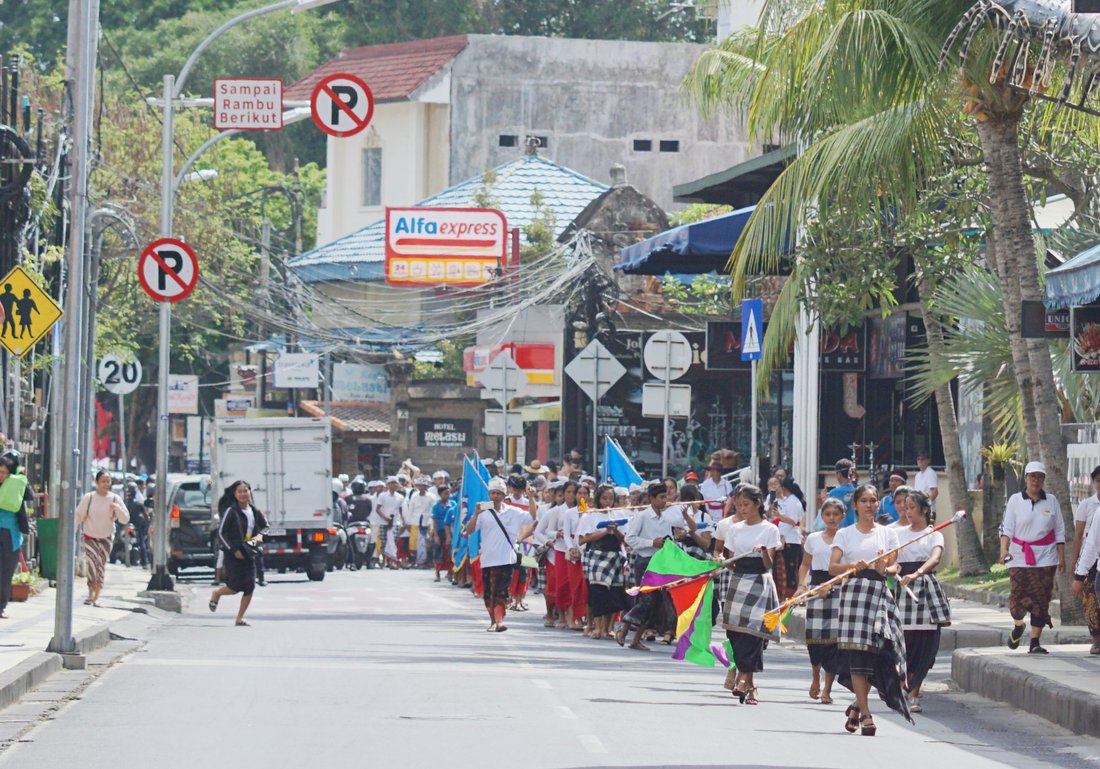
Key Highlights
- Historical Legacy: The flag is deeply rooted in local history and represents the struggle and triumph of regional heritage.
- Community and Cultural Identity: Parading the heirloom flag unites communities, involving local traditions, arts, and collective pride.
- Preservation and Education: The tradition promotes cultural education and the preservation of local customs and craftsmanship.
Introduction to the Cultural Tradition
The tradition of parading the Sukanagara heirloom flag in Cianjur, West Java is one of the region's most significant cultural events. This practice is far more than a ceremonial act—it encapsulates the historical journey and cultural identity of the local community. The event is interwoven with the legacy of past eras, serving as a living memory of the historical kingdom believed to have existed in the area during the 14th to 16th centuries. The parade not only reinforces national pride but also strengthens the bond among community members by actively involving them in the celebration of their shared heritage.
Historical Context and Background
A Glimpse Into Cianjur's Past
Cianjur has a rich history that dates back centuries with its roots embedded in Sundanese culture. Founded in 1677 and positioned as an influential town in West Java, Cianjur’s historical narrative includes various epochs that highlight the resilience and cultural agility of its people. One pivotal element of this narrative is the Sukanagara heirloom flag, a symbol believed to have origins traced back to the local Sukanagara Kingdom. This kingdom, reputed to have flourished between the 14th and 16th centuries, encapsulated the spirit and traditions that continue to inspire the community today.
Historical Significance of the Heirloom Flag
The Sukanagara heirloom flag is more than just a piece of cloth—it represents the renaissance of cultural pride and national identity. Often, this flag is linked to the momentous period when Indonesia declared its independence on 17 August 1945. The emblematic design of red and white, which is echoed in national ceremonies, serves as a constant reminder of the sacrifices made and the collective hope for freedom and unity. In Cianjur, however, this flag attains an additional layer of meaning. It is intrinsically tied to local lore, symbolizing the valor and the enduring spirit of the region’s forefathers.
The Cultural Ritual and Community Participation
Organization and Procession Dynamics
The act of parading the Sukanagara heirloom flag is meticulously organized, predominantly during special festivals such as the annual Cianjur Festival, which commemorates the town’s founding anniversary. The procession is a collaborative event where every member of the community feels a sense of ownership. Local youth organizations, cultural groups, and government bodies synergize to create a parade that is both visually spectacular and culturally enriching.
Participants typically don traditional attire that reflects the rich Sundanese heritage of West Java. Instruments associated with local music, such as the angklung, gamelan, and other indigenous percussion instruments, accompany the procession, infusing it with rhythm and vibrancy. Street processions wind through historic landmarks in Cianjur, reinforcing historical memory with every step. Not only does the flag procession serve as a public celebration, but it also acts as a vehicle for educating younger generations about the intricate details of their cultural legacy.
Roles of Local Figures and Artisans
The process of preparing and maintaining the Sukanagara heirloom flag is a careful task handled by local artisans and community leaders. These individuals are custodians of tradition, tasked with the restoration and conservation of the flag to preserve its authenticity. Their involvement ensures that the cultural integrity of the flag remains uncompromised, even as it is paraded in modern times. Leaders in the community take pride in guiding the event, overseeing that every aspect of the parade remains faithful to the long-established customs and ceremonies.
Cultural Symbolism and Identity
Symbols of Unity and Heritage
Within the broader spectrum of Indonesia’s national identity, the red-and-white flag is an emblem of sovereignty and liberation. However, in Cianjur, the Sukanagara heirloom flag functions on both a national and a hyper-local level. It is revered as a repository of collective memory—an object that connects generations. Each thread of the flag not only preserves the representation of a bygone era but also mirrors the hopes and struggles of those who continue to celebrate it.
Additionally, the parade is a vivid demonstration of cultural continuity where traditional music, dance, and ritualistic performances play pivotal roles. The collective celebration is an act of reclaiming history; a way to honor the past while simultaneously energizing the communal present. This blend of the historical and the contemporary is what imbues the event with its unique cultural resonance.
Local Identity and National Pride
The Sukanagara flag parade is emblematic of how local customs contribute to the national narrative. With every stride in the procession, there is an affirmation of cultural pride and an acknowledgment of the citizens' role in the maintenance of national identity. The events in Cianjur are often synchronized with national celebrations, such as Indonesian Independence Day, further intertwining local heritage with the larger journey of the Indonesian state. This synthesis of local and national identity strengthens the social fabric, inviting citizens to honor a shared past while looking forward to a progressive future.
Educational and Preservation Efforts
Community Education Initiatives
Recognizing the importance of cultural preservation, several community-driven initiatives focus on educating younger generations about the significance of the heirloom flag. Workshops and seminars are conducted, where elders and cultural historians narrate the evolution of the flag and its role in the region’s socio-cultural context. Schools in Cianjur integrate these topics into their curriculum, ensuring that students develop a sense of pride and respect for their cultural heritage.
These educational efforts form the bedrock of cultural sustainability. By involving youth in the planning and execution of the parade, the community fosters a continuum of knowledge that is essential for preserving tradition. Furthermore, the hands-on experiences provided during these initiatives allow participants to appreciate the craftsmanship behind the flag. Such exposure is invaluable, as it reinforces the practical importance of cultural conservation in today’s rapidly globalizing world.
Challenges in Preservation
Despite its importance, the maintenance and conservation of the Sukanagara heirloom flag face numerous challenges. The physical preservation of the flag is a demanding task that requires both specialized skills and resources. Environmental factors, such as humidity and pollution, as well as the inevitable wear and tear from repeated processions, pose significant risks to the flag's durability.
To counter these challenges, local government and community stakeholders have been collaborating to secure funding and expertise dedicated to cultural preservation. Projects aimed at restoring and maintaining artifacts of regional importance are often supported by both public and private sectors. This collaborative approach not only safeguards the flag but also nurtures a broader movement towards the protection of cultural heritage in West Java.
Economic and Tourism Impacts
Boosting Local Economy
The Sukanagara heirloom flag parade is not solely a cultural event—it also has significant economic implications for Cianjur. The event attracts tourists from across Indonesia and even from international locales. These visitors are drawn to the unique blend of historical, cultural, and artistic expressions that the parade offers. Tourism related to cultural events has a multiplier effect, benefiting local businesses, especially those in the hospitality, retail, and crafts sectors.
Local markets often see a resurgence of traditional crafts, as artisans seize the opportunity to display and sell items that resonate with the theme of cultural heritage. This economic stimulus provides an incentive for continued investment in cultural events, ensuring that traditions like the heirloom flag parade remain viable and vibrant.
Cultural Exchange Opportunities
Beyond economics, the parade serves as an impressive platform for cultural exchange. Its vibrant display of local customs, performances, and traditional attire draws participants and observers who are eager to learn about Sundanese and Indonesian heritage. In many ways, the event becomes a stage for dialogue—a forum where diverse cultural expressions meet and enrich one another.
This exchange promotes mutual understanding and respect among different cultures, reinforcing Indonesia’s reputation as a mosaic of traditions, where every community contributes its unique thread to the national tapestry. The parade exemplifies how historical practices can evolve to meet modern-day expectations while continuing to honor traditional values.
Comprehensive Overview Table
| Aspect | Description |
|---|---|
| Historical Significance | Originating from the local Sukanagara Kingdom, the heirloom flag ties the community to its historical roots and the national struggle for independence. |
| Cultural Identity | The parade reinforces local identity and national pride, uniting the community through shared rituals and symbolic performances. |
| Community Involvement | Local residents, youth organizations, and artisans actively participate in the event, ensuring cultural knowledge is passed down through generations. |
| Educational Initiatives | Workshops and cultural programs educate younger generations about the significance of the flag and its role in community heritage. |
| Economic Impact | The parade boosts local tourism and benefits small businesses, contributing to the local economy through increased cultural engagement. |
| Preservation Challenges | Efforts are continually needed to maintain and restore the flag, safeguarding it from environmental damage and wear over time. |
Government and Community Support
Role of Local Authorities
The successful execution of the flag parade is strongly supported by local government initiatives. Authorities in Cianjur are involved in coordinating resources, engaging cultural experts, and ensuring that infrastructural facilities are in place to host the event. Administration support not only provides financial backing but also lends an official recognition to the cultural importance of the parade.
This involvement is crucial for the continuity of the tradition, as it encourages the necessary collaboration between different segments of the community. Government projects aimed at preserving cultural heritage frequently include efforts to restore historical artifacts and maintain public spaces where such events can be held.
Collaborative Efforts for Cultural Preservation
Through partnerships with cultural foundations, academic institutions, and local artisans, the government facilitates programs that ensure the heirloom flag and its associated traditions remain vibrant. These collaborative efforts also aim to secure future funding and technical expertise necessary for continued restoration projects.
Impact on Cultural Tourism
Tourist Engagement and Cultural Narratives
The parade of the Sukanagara heirloom flag is a highlight in Cianjur’s cultural calendar that attracts a diverse spectrum of visitors. Tourists are offered an immersive experience into the region's traditions through live performances, guided tours, and interactive sessions that detail the historical background of the flag and the community’s efforts to preserve its heritage.
The event also paves the way for deeper cultural narratives to be shared on global platforms, fostering a sense of international curiosity about Indonesia’s rich cultural tapestry. Such engagements not only support local tourism but also encourage a global audience to recognize and appreciate the complexities of regional traditions.
References
- Heirloom Flag Replica Transferred to Nusantara Capital in Historic Ceremony - SETKAB
- Parade of the Heirloom Flag and Proclamation Text - MSN
- Kirab Bendera Pusaka dan Teks Proklamasi - Kompas
- National Unity and Heirloom Flag Events - ANTARA News
- Sukanagara, Cianjur - Wikipedia
Recommended for Further Exploration
Last updated March 22, 2025