
Navigating the Unseen Pain: How to Truly Support Someone Grieving Their Beloved Dog
A compassionate guide to offering meaningful comfort when a cherished canine companion is lost.
The loss of a dog can be a profoundly heart-wrenching experience, often mirroring the grief felt for a human family member. Dogs weave themselves into the very fabric of our daily lives, offering unconditional love, unwavering companionship, and a unique, irreplaceable presence. When a friend or loved one faces this painful void, your support can be a beacon of comfort. This guide offers comprehensive ways to stand by them with empathy and understanding.
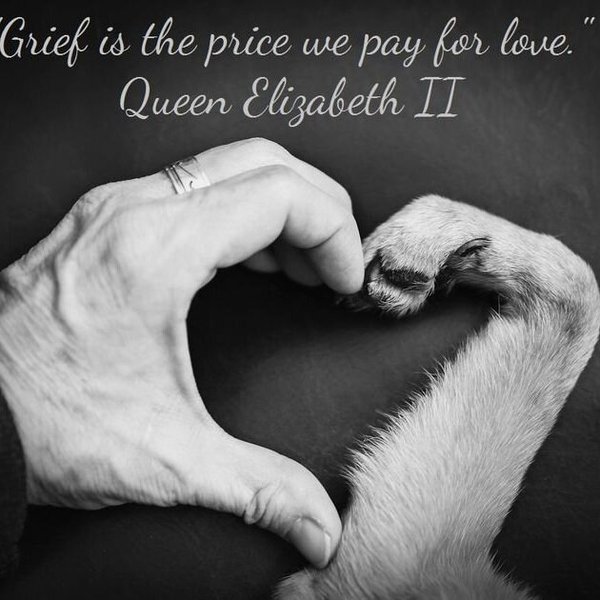
The bond with a pet is deep; acknowledging the grief is the first step in support.
Key Pillars of Support: Essential Takeaways
- Validate Their Grief: Emphatically acknowledge that their pain is real, significant, and justified. The loss of a dog is a true bereavement.
- Offer Compassionate Presence: Be there to listen without judgment, allowing them to express their feelings and share memories openly and safely.
- Provide Gentle Practical Support: Help with daily tasks that may feel overwhelming, and assist in finding ways to memorialize their cherished companion.
Understanding the Depth of Pet Loss
Grief over a lost dog is not "lesser" than other forms of grief; it is a valid and often intense emotional response. Dogs are frequently considered family members, and their absence creates a significant void in routines, home life, and emotional well-being. This type of grief is sometimes termed "disenfranchised grief," where societal norms may not fully recognize or validate the depth of the mourner's sorrow. This can lead to feelings of isolation. Your role as a supporter is crucial in affirming that their feelings are natural and understood.
The Unspoken Bond: Why It Hurts So Much
The connection with a dog is unique. They are often privy to our most private moments, offering silent comfort and unwavering loyalty. They are part of morning routines, evening cuddles, weekend adventures, and quiet companionship. Losing this constant presence can disrupt life profoundly, leading to feelings of sadness, loneliness, anger, guilt (especially if euthanasia was involved), and even depression.
Core Strategies for Offering Meaningful Support
Supporting someone through this difficult time involves a blend of emotional understanding, practical help, and patient companionship. Below are detailed approaches to help you navigate this sensitive period.
1. Acknowledge and Validate Their Feelings
Let Them Know Their Grief is Real
The most important first step is to acknowledge the significance of their loss. Simple phrases like, "I'm so sorry for your loss," or "I know how much [Dog's Name] meant to you," can be incredibly comforting. Reassure them that it's okay to cry, to be sad, and to grieve in their own way, without needing to "be strong."
Listen Without Judgment
Offer a safe space for them to talk about their dog, their feelings, memories, or even the circumstances of the loss. Your role is to listen actively and empathetically, not necessarily to offer solutions or advice unless specifically asked. Sometimes, just sitting with them in their sadness, offering a quiet presence, is the most powerful support you can give.
Use the Dog’s Name
Continue to refer to their beloved pet by name. This small act honors the dog's memory and validates the unique individual they were, reinforcing that their life mattered and is remembered.
2. Offer Practical Assistance
Help with Daily Tasks
Grief can be emotionally and physically draining, making everyday chores feel overwhelming. Offer to help with practical things like grocery shopping, preparing meals, light housekeeping, or running errands. A comforting meal, like banana muffins or a simple casserole, can be a thoughtful gesture.
Assist with Pet-Related Matters
There might be difficult tasks related to the dog's passing, such as picking up ashes from the vet, donating unused pet supplies, or packing away their dog's belongings. Offer to accompany them or handle these tasks if they find it too painful.
Provide Companionship
The absence of a dog can make a home feel very empty. Offer to spend time with your friend – perhaps a quiet cup of tea, a walk, or watching a movie together. Your presence can help ease loneliness and provide a gentle distraction.
3. Cherish Memories and Create Tributes
Encourage Sharing Stories
Invite them to share their favorite memories and stories about their dog when they feel ready. Talking about the happy times can be a healing part of the grieving process. You can also share your own fond memories of their pet, which can be a great comfort.
Suggest Memorializing Ideas
Helping them find a way to honor their dog's memory can provide a sense of closure and a positive focus for their grief. Consider suggesting:
- Creating a photo album, scrapbook, or a video montage.
- Planting a tree, shrub, or flowers in their garden or a special place.
- Making a donation to an animal shelter or rescue organization in the dog's name.
- Writing a letter or poem to their dog.
- Creating a small memorial space in their home with a photo and a special item.
- Personalized gifts like a pet memorial wind chime or a locket for a clipping of fur.
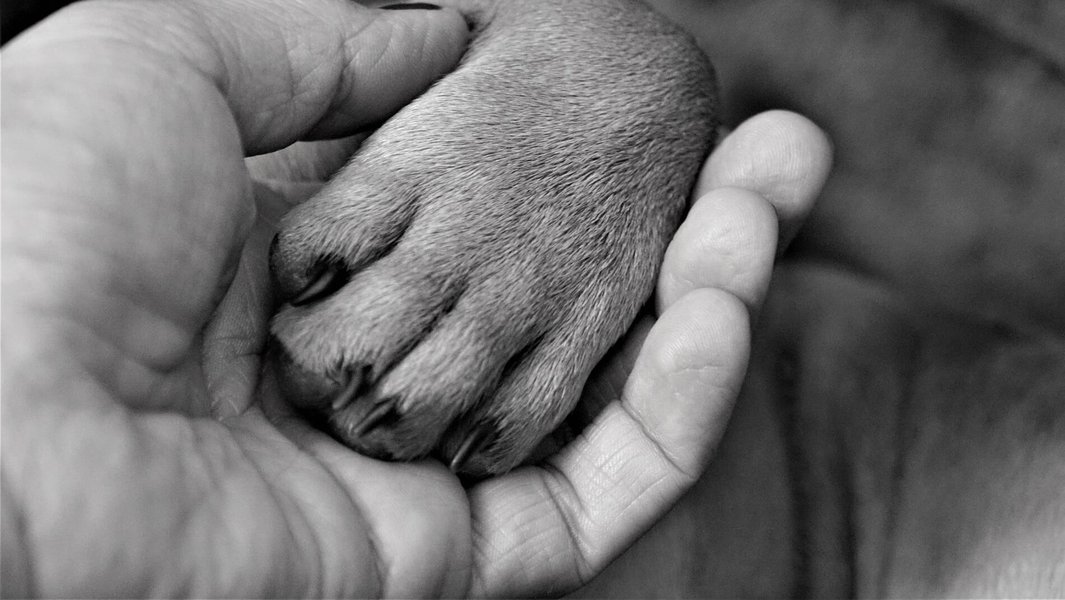
Creating lasting tributes can be a meaningful part of the healing journey.
4. Navigate the Journey with Patience
Understand There's No Timeline for Grief
Everyone grieves differently and at their own pace. Avoid pressuring them to "get over it" or "move on." Grief can come in waves, with good days and bad days. Be patient and offer ongoing support, even weeks or months after the loss.
Respect Their Grieving Style
Some people may be openly emotional, while others grieve more privately. There's no right or wrong way to mourn. Accept their individual process and offer support that aligns with their needs.
Understanding Key Support Dynamics
The following chart illustrates an opinionated analysis of different types of support actions, considering their immediate comfort, ease of implementation for the supporter, and long-term healing impact. This can help in understanding the multifaceted nature of effective support.
This chart highlights that while emotional validation and non-judgmental listening provide high immediate comfort and have strong long-term impact, long-term patience is crucial for healing even if it's harder to consistently provide. Practical assistance, while perhaps easier for some supporters, offers tangible relief. Memory sharing is moderately easy to facilitate and contributes significantly to healing.
Visualizing the Web of Support
To better understand the interconnected nature of these supportive actions, the mindmap below outlines the key areas of focus when helping someone grieve the loss of their dog. It provides a visual overview of how different elements of support come together.
This mindmap shows that effective support is multi-faceted, encompassing emotional validation, practical aid, activities to honor the pet's memory, and important considerations about what to avoid saying or doing. It also highlights the need for specialized approaches if children are involved and options for more formal support systems.
Words and Actions: Do's and Don'ts
Knowing what to say—and what not to say—can make a significant difference. The following table provides guidance:
| Action Category | Do These Things | Avoid These Things |
|---|---|---|
| Communication & Validation | Acknowledge the loss explicitly (e.g., "I'm so sorry about [Dog's Name]"). Validate their feelings ("It's okay to be heartbroken"). Use the dog's name. Listen more than you speak. | Minimize their pain ("It's just a dog," "You can get another one"). Offer unsolicited advice or platitudes ("They're in a better place," "Be strong"). Silence or avoiding the topic if they wish to talk. |
| Emotional Support | Offer a safe space for them to express any emotion (sadness, anger, guilt) without judgment. Share a positive memory you have of their dog, if appropriate. | Rush their grieving process or set a timeline for when they should "feel better." Compare their loss to other losses (even your own pet loss, unless done very carefully to show empathy, not to shift focus). |
| Practical Assistance | Offer specific help (e.g., "Can I bring dinner tomorrow?" "Would you like company for a walk?"). Help with difficult tasks like sorting pet belongings if they're ready. | Assume they don't need help or wait for them to ask; grief can make it hard to reach out. |
| Memorialization & Remembrance | Encourage sharing stories and happy memories. Gently suggest ways to memorialize their pet if they seem open to it. | Pressure them into memorial activities if they're not ready. Dispose of pet's items without their permission. |
| Regarding Future Pets | Respect that the decision to get another pet is deeply personal and will happen in their own time, if at all. | Suggest getting a new dog or cat soon after the loss. Imply that a new pet can replace the one they lost. |
| Long-Term Approach | Check in periodically, even weeks or months later. Remember significant dates like the dog's birthday or anniversary of loss. | Forget about their grief after the initial period. Expect them to "be over it" quickly. |
Supporting Children Through Pet Loss
If children are affected by the loss, it's important to be honest and use age-appropriate language. Explain that the dog was very sick or old and has died, and that they won't be coming back. Avoid euphemisms like "put to sleep" (without explaining it means dying peacefully) or "ran away," as these can cause confusion and anxiety. Encourage children to express their feelings, perhaps by drawing pictures or writing about their pet. Validate their sadness and let them participate in memorial activities if they wish.
Insights on Supporting the Grieving Process
The following video offers additional perspectives on how to help someone who is coping with the death of a pet. It emphasizes compassion and understanding, aligning with many of the principles discussed.
This video, "Loss of a Pet: How to Help Someone Grieving from a Pet's Death" by Compassion Consortium, provides valuable insights into offering comfort and understanding during this difficult time. It highlights the importance of acknowledging the griever's pain and offering empathetic support.
When to Suggest Further Support
While your support is invaluable, some individuals may benefit from additional help. If grief seems prolonged, unusually intense, or significantly impacts their ability to function in daily life, gently suggest they consider:
- Pet Loss Support Groups: Connecting with others who have experienced similar losses can be very comforting. Many organizations offer online or in-person groups.
- Grief Counseling: A therapist specializing in grief or pet loss can provide professional guidance and coping strategies.
- Pet Loss Hotlines: Some services offer immediate emotional support over the phone.
Frequently Asked Questions (FAQ)
How long does grief for a pet typically last?
Is it okay to suggest getting a new dog to someone who is grieving?
What if I don’t know what to say or I'm afraid of saying the wrong thing?
Should I bring up the dog’s name or share memories?
What if their grief seems very intense, like they’ve lost a human?
Conclusion
Supporting someone through the loss of a beloved dog is a profound act of friendship and compassion. By validating their grief, offering a listening ear, providing practical help, encouraging remembrance, and being patient, you can make a significant difference in their healing journey. Remember that your consistent, empathetic presence is often the most valuable gift you can offer during this painful time.
Recommended Further Exploration
- How can I create a meaningful memorial for a lost pet?
- What are common stages of grief after losing a dog?
- Are there support groups specifically for pet loss?
- How do children typically cope with the death of a pet?
References
Last updated May 21, 2025