
Navigating Sweetened Dahi with Type 2 Diabetes: A Balanced Perspective
Understanding the Impact of Occasional Indulgence on Blood Sugar Management
Key Insights on Sweetened Dahi and Diabetes
- Moderation is Paramount: While plain, unsweetened curd/dahi is generally beneficial for individuals with type 2 diabetes due to its low glycemic index and high nutritional content, sweetened varieties can cause blood sugar spikes. Occasional consumption in very small portions might be tolerated, but consistent intake of sweetened dahi is discouraged.
- Beware of Hidden Sugars: Many commercially available sweetened, fruit-flavored, or low-fat curds contain significant amounts of added sugars and calories. Always prioritize reading nutritional labels to identify and avoid unnecessary sugar and high sodium content.
- Focus on Nutritional Benefits of Plain Curd: Plain, unsweetened dahi is a powerhouse of probiotics, protein, calcium, and vitamin D, all of which contribute positively to metabolic health, insulin sensitivity, and overall well-being for individuals managing type 2 diabetes.
For individuals managing type 2 diabetes, dietary choices play a pivotal role in maintaining stable blood sugar levels and preventing complications. Curd, often referred to as dahi in many parts of the world, is a widely consumed dairy product renowned for its nutritional benefits. However, the question of whether sweetened dahi can be included in a diabetic diet, even occasionally, requires a nuanced understanding of its ingredients and impact on glycemic control.
The Core Dilemma: Sugar in Sweetened Dahi
Why Added Sugar is a Concern for Diabetics
The primary concern with sweetened dahi for individuals with type 2 diabetes lies in its added sugar content. Sugar-sweetened beverages and foods are well-known contributors to weight gain, increased insulin resistance, and higher risks of developing metabolic syndrome and type 2 diabetes. While plain curd naturally contains lactose, a milk sugar, the additional sugars in sweetened dahi significantly elevate its glycemic index (GI), leading to rapid blood sugar spikes. This makes it challenging for the body to regulate glucose levels effectively, which is detrimental to diabetes management.
Foods with a high glycemic index cause a quick and substantial rise in blood glucose. Examples like "Misti Dahi" and "Dahi Shakkar" are traditional sweetened curd preparations that are explicitly highlighted as having a high GI due to their substantial sugar content. Consuming such items regularly can increase the risk of diabetes and hinder effective blood sugar control.
Understanding the Glycemic Impact
Analyzing the Glycemic Index of Dahi Varieties
The glycemic index (GI) is a numerical scale that ranks carbohydrates based on their effect on blood glucose levels. Foods with a low GI (55 or less) are digested and absorbed slowly, causing a gradual rise in blood sugar. High GI foods (70 or more) are rapidly digested, leading to quick spikes.
Plain, unsweetened curd generally has a low GI of around 34, making it a favorable choice for diabetics. This low GI allows the body to regulate blood sugar levels more effectively. However, when sugar is added, the GI of dahi can soar, negating its inherent benefits. This shift from a low to a high GI food is why sweetened dahi poses a risk.
How Sweeteners Elevate Glycemic Load
Beyond refined sugar, even some artificial sweeteners are being reconsidered for their long-term effects on insulin resistance and gut health, particularly for individuals with diabetes. While they don't directly add calories or immediate sugar spikes, their impact on the gut microbiome could indirectly influence glucose metabolism. Therefore, opting for truly unsweetened options or natural, low-GI sweeteners like a few berries can be a safer alternative.
The Health Benefits of Plain Curd for Diabetics
A Nutritional Powerhouse for Diabetes Management
In contrast to its sweetened counterparts, plain, unsweetened curd offers a wealth of benefits for individuals with type 2 diabetes:
- Low Glycemic Index: As mentioned, plain curd has a low GI, which helps in maintaining stable blood sugar levels.
- Rich in Protein: Especially Greek yogurt, which is a type of curd, is high in protein. Protein helps in satiety, reduces cravings, and can slow down the absorption of carbohydrates, contributing to better blood sugar control.
- Probiotics: Curd is a fermented food rich in beneficial bacteria (probiotics). These probiotics support gut health, which is increasingly linked to improved insulin sensitivity and reduced inflammation, both crucial for managing type 2 diabetes. Studies suggest that probiotic yogurt may be particularly beneficial for people with type 2 diabetes, though more research is needed to fully understand the mechanisms.
- Essential Nutrients: Curd is an excellent source of calcium, vitamin D, magnesium, and other vital vitamins and minerals that support overall health and bone density, which can be particularly important for individuals managing diabetes.
- Improved Lipid Profile: Regular consumption of plain dahi may help in keeping cholesterol and triglycerides in check, thereby reducing the risk of heart disease, a common complication for diabetics.
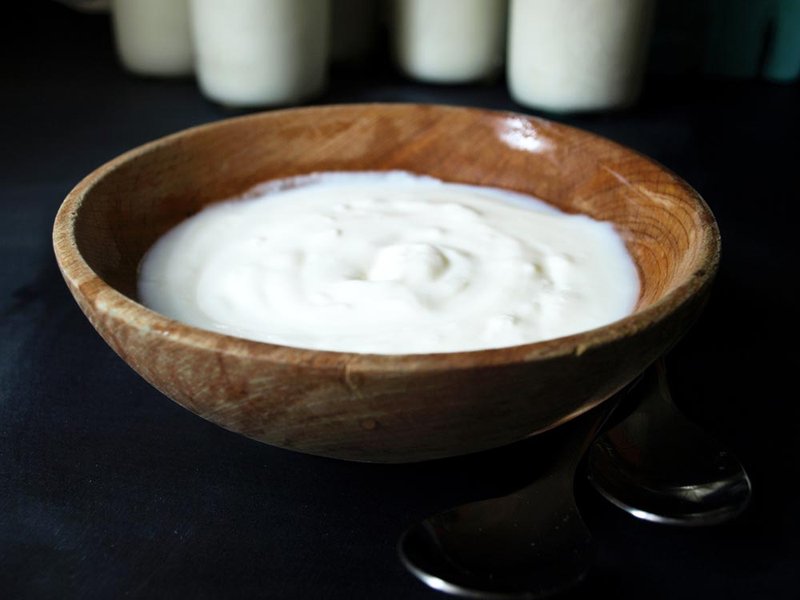
Homemade low-fat yogurt, a healthy option for diabetes management.
Potential for Type 2 Diabetes Prevention
Beyond management, there's growing evidence suggesting that regular consumption of plain yogurt or curd may even reduce the risk of developing type 2 diabetes. The FDA has acknowledged a qualified health claim stating that "Eating yogurt regularly, at least 2 cups (3 servings) per week, may reduce the risk of type 2 diabetes." This claim is based on observational studies, which show an association rather than direct causation, but the consistent findings across multiple cohorts are promising.
A Harvard T.H. Chan School of Public Health study found that higher yogurt consumption was associated with an 18% lower risk of type 2 diabetes. One hypothesis is that probiotics in yogurt may improve insulin sensitivity and reduce inflammation, which are key factors in diabetes development.
The "Once in a While" Consideration: A Deeper Look
Assessing the Risks of Occasional Sweetened Dahi
While the overall consensus points to plain, unsweetened curd as the superior choice, the impact of "once in a while" consumption of sweetened dahi requires careful consideration. A single, small portion of sweetened dahi might not cause a catastrophic sugar spike for every individual, but it significantly depends on several factors:
- Portion Size: Even a small amount of added sugar can impact blood glucose. Larger portions amplify this effect.
- Individual Response: Every individual with diabetes reacts differently to various foods. What causes a mild rise in one person might lead to a significant spike in another. Regular blood sugar monitoring is essential to understand personal tolerance.
- Overall Dietary Context: If the sweetened dahi is consumed as part of a meal rich in fiber and protein, its impact on blood sugar might be slightly attenuated. However, if it's consumed alone or with other high-carb, sugary foods, the effect will be more pronounced.
- Type of Sweetener: The type and quantity of sugar or sweetener used in the dahi play a crucial role. High-fructose corn syrup or large amounts of sucrose will have a greater impact than a naturally occurring sweetness from a minimal amount of fruit, for example.
The core issue remains: sweetened dahi introduces unnecessary sugars that actively work against the goal of stable blood sugar. While an occasional small indulgence might not derail long-term management if blood sugar is otherwise well-controlled and monitored, it sets a precedent that can lead to increased cravings for sugary foods and potentially larger portions over time.
This video discusses the best types of yogurt for individuals with diabetes, emphasizing choices that support blood sugar management.
Making Informed Choices for Diabetes Management
Practical Tips for Incorporating Dahi into a Diabetic Diet
For individuals with type 2 diabetes, integrating curd into the diet can be highly beneficial, provided the right choices are made:
Opt for Plain and Unsweetened Varieties
This is the most crucial advice. Always choose plain, unsweetened curd or Greek yogurt. These options are low in carbohydrates and free from added sugars that can cause blood sugar spikes. When purchasing from a store, scrutinize the nutrition label for hidden sugars, artificial sweeteners, thickeners, or stabilizers.
Portion Control is Key
Even healthy foods like plain curd should be consumed in moderation. While 2-3 bowls per day are often cited as acceptable, individual needs vary. Consult with a healthcare professional or a registered dietitian to determine the appropriate portion size based on your unique nutritional requirements, blood sugar control objectives, and overall dietary plan.
Enhance with Natural, Diabetes-Friendly Additions
If you desire sweetness, add natural, low-glycemic options to your plain dahi. Consider fresh berries (like blueberries or strawberries), a sprinkle of nuts (almonds), seeds (chia seeds, flax seeds), or a dash of cinnamon, which has been shown to help regulate blood sugar levels. Avoid fruit-flavored yogurts, as they often contain significant added sugars.
Incorporate into Meals Thoughtfully
Plain dahi can be a versatile addition to your diet. Enjoy it as a snack, with meals, or as part of a raita (a yogurt-based side dish). Pairing it with whole grains or vegetables can further balance its glycemic impact.
Assessing the Impact of Sweetened Dahi
A Radar Chart Perspective on Dahi Choices
To further illustrate the comparative benefits and risks, consider this radar chart, which visualizes the nutritional profile and glycemic impact of different dahi types for individuals with type 2 diabetes. The higher the score on an axis, the more favorable that characteristic is for diabetes management.
This radar chart clearly illustrates that plain, unsweetened dahi (especially Greek yogurt) scores highly across all beneficial metrics for diabetes management, while sweetened and fruit-flavored commercial options fall significantly short due to their high added sugar content. This visual representation underscores the importance of choosing wisely to support optimal blood sugar control.
Summary of Dahi Types and Their Impact on Diabetes
A Quick Reference Guide
Here's a comprehensive table summarizing the different types of dahi and their suitability for individuals with type 2 diabetes:
| Dahi Type | Characteristics | Glycemic Index (GI) | Suitability for Type 2 Diabetes | Key Considerations |
|---|---|---|---|---|
| Plain, Unsweetened Curd/Dahi | Low in carbs, high in protein, rich in probiotics, calcium, Vitamin D. No added sugars. | Low (approx. 34) | Highly Recommended | Excellent for blood sugar control, gut health, and overall nutrition. |
| Plain Greek Yogurt | Higher protein content than regular curd, lower carbohydrates. Unsweetened. | Low | Highly Recommended | Superior for satiety and muscle maintenance; ideal for diabetics. |
| Sweetened Curd/Dahi (e.g., Dahi Shakkar, Misti Dahi) | Contains significant added sugars, often cane sugar or other syrups. | High (60-70+) | Not Recommended (even occasionally) | Causes rapid blood sugar spikes; contributes to weight gain and insulin resistance. |
| Fruit-Flavored Yogurt (Commercial) | Often contains added sugars, artificial sweeteners, and sometimes reduced fat but increased sugar. | Moderate to High | Generally Not Recommended | Hidden sugars and lack of natural fruit fiber can impact blood sugar negatively. Read labels carefully. |
| Low-Fat/Fat-Free Sweetened Curd | Fat removed, but often replaced with more added sugar to compensate for taste. | Moderate to High | Not Recommended | The "low-fat" label can be misleading; high sugar content remains a problem. |
| Probiotic Yogurt (Unsweetened) | Specifically fortified with beneficial bacteria; otherwise similar to plain curd. | Low | Recommended | May offer additional benefits for gut health and inflammation, supporting diabetes management. |
Frequently Asked Questions (FAQ)
Is all yogurt good for diabetes?
How much plain curd can a person with diabetes eat daily?
Can I use artificial sweeteners in my dahi if I have diabetes?
What are the best alternatives to sweetened dahi for diabetics?
Conclusion
In summary, while plain, unsweetened dahi is an excellent dietary component for individuals with type 2 diabetes due to its favorable nutritional profile and low glycemic index, sweetened dahi poses significant risks. The added sugars can lead to undesirable blood sugar spikes, negate the benefits of dahi, and contribute to other health complications. Therefore, even "once in a while" consumption of sweetened dahi should be approached with extreme caution, prioritizing a strong understanding of personal blood sugar responses and opting for healthier, unsweetened alternatives whenever possible. The consistent choice of plain, unadulterated curd is a powerful step towards effective diabetes management and overall well-being.
Recommended Further Reading
- How probiotics influence blood sugar control in diabetes
- Best low-glycemic index foods for type 2 diabetes
- Impact of added sugars on insulin resistance
- Healthy snack ideas for managing type 2 diabetes
References
Last updated May 21, 2025