
Understanding the 228 Incident in Taiwan
A multifaceted historical event shaping Taiwanese identity and promoting reconciliation
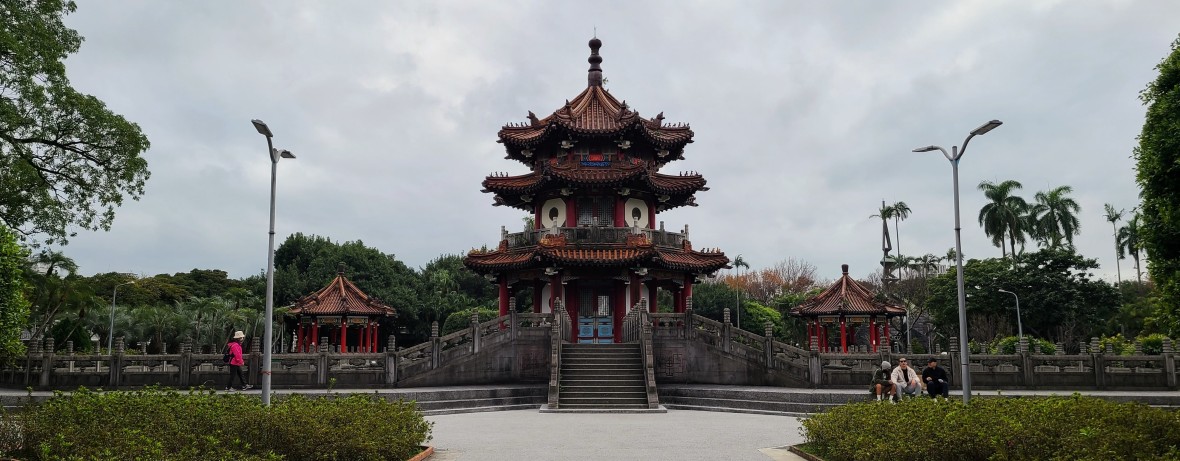
Key Highlights
- Historical Impact: The 228 Incident is seen as a turning point in Taiwan's struggle against authoritarian rule, catalyzing the development of a distinct Taiwanese identity.
- Diverse Perspectives: Multiple narratives exist, ranging from nationalist downplaying to independence movement interpretations, reflecting ethnic, political, and social viewpoints.
- Path to Reconciliation: Efforts such as public apologies, transitional justice, education, and cultural dialogue are crucial to easing historical hostility and promoting unity.
Historical Context of the 228 Incident
The 228 Incident, also known as the February 28 Massacre, took place in 1947 and stands as one of Taiwan's most pivotal and traumatic historical events. Triggered by socio-political injustices and a mismanaged cigarette seizure that escalated administrative tensions, the uprising was forcefully suppressed by the Kuomintang (KMT) government. This day marked the beginning of an era characterized by martial law and deep-seated distrust between the government and the people. Over the decades, the narrative surrounding the incident has been shaped by political, ethnic, and cultural interpretations that have collectively impacted Taiwan's national identity.
Diverse Perspectives on the 228 Incident
1. Historical and Political Interpretations
Oppressive Government and Authoritarian Rule
The 228 incident is widely seen as evidence of systemic oppression under the KMT rule. Many scholars assert that the event epitomizes the brutal methods of suppression used against dissenting voices. The official narrative in past decades sometimes minimized the extent of the violence by promoting lower casualty figures or blaming external factors. However, contemporary scholarship now recognizes the incident as a fundamental marker in Taiwan’s transition from repression to democratization. This historical interpretation has also served as a symbol of resistance against authoritarian governance.
Role of Personalities and Policy Failures
Historical analysis has brought forward various viewpoints regarding responsibility for the incident. Some have placed accountability on Chiang Kai-shek and the KMT leadership, while others have discussed the role of local administration failures under figures like Chen Yi. This debate on accountability shows the complex interplay of individual and systemic failures that paved the path for the tragic events of 1947.
2. National Identity and Ethnic Dimensions
A Catalyst for Taiwanese Identity
The incident is emblematic of Taiwan’s struggle for self-determination and serves as a critical juncture in forging a unique Taiwanese identity. For many Taiwanese, the 228 Incident marks a painful break from the mainland-centric narratives and policies of the KMT, galvanizing movements that later pursued Taiwan's independence. This sense of identity has been reinforced through educational narratives, literature, art, and memorialization practices that keep the memory of the incident alive for successive generations.
Ethnic and Social Divides
Another perspective views the incident through the lens of ethnic conflict. Some interpretations suggest that the divide was not only political but also ethnic, with tensions existing between native Taiwanese and mainland Chinese immigrants or officials. Though controversial, this narrative has contributed to debates over ethnic solidarity, reconciliation, and the ways in which historical grievances are remembered and processed.
3. Reconciliation and Transitional Justice
Formal Apologies and Government Remembrance
One of the most significant efforts to address the lasting wounds of the 228 Incident was President Lee Teng-hui’s formal apology in 1995. Acknowledging the deep pain inflicted on the Taiwanese people, this act paved the way for a more inclusive understanding of the past. Today, memorials and commemorative events, such as the 228 Peace Memorial Park in Taipei and national memory museums, serve as physical and symbolic gestures toward healing and reconciliation.
Transitional Justice Mechanisms
In recent years, the Taiwanese government has implemented measures to further address the historical injustices stemming from the 228 Incident. The establishment of bodies such as the Transitional Justice Commission and the 228 Incident Memorial Foundation has been pivotal in documenting historical accounts, declassifying documents, and providing reparations. These efforts are intended to foster a clearer historical narrative that offers closure to victims' families and the broader community.
Education and Public Dialogue
To ease ongoing hostility and foster understanding, education remains central. Incorporating comprehensive accounts of the 228 Incident in school curricula ensures that future generations understand both the suffering and the resilience that characterized this period. Public forums, community discussions, and cultural events have continued to promote cross-community dialogue that highlights the importance of transparency and mutual respect. A broader recognition of the incident’s multifaceted implications has helped bridge divides between differing ethnic groups and political strands, encouraging a shared narrative of accountability and healing.
Simplifying Perspectives: A Comparative Table
| Perspective | Key Points | Approach to Reconciliation |
|---|---|---|
| Historical & Political |
- Seen as a response to authoritarian oppression. - Debate over leadership and state responsibility. |
- Public apologies and declassification of documents. - Promotion of historical transparency. |
| National Identity & Ethnic |
- Catalyst in forming a distinct Taiwanese identity. - Reflects ethnic and cultural divides between native Taiwanese and mainland immigrants. |
- Educational reforms and inclusive commemorations. - Emphasis on cultural exchange and dialogue. |
| Transitional Justice |
- Addressing collective grief through reparations and memory infrastructure. - Establishing transitional justice bodies and memorial funds. |
- Financial reparations and official acknowledgment. - Community-based healing initiatives. |
Strategies to Ease Hostility and Promote Harmony
Educational Initiatives
Comprehensive Curriculum Design
An essential component of reconciliation is integrating a well-rounded narrative of the 228 Incident into the schooling system. By teaching students a balanced account that includes multiple perspectives, educators foster critical thinking and empathy. This approach not only acknowledges the genuine pain suffered by victims but also presents an opportunity for students to understand the complexity of historical events without succumbing to a binary good-versus-evil framework.
Public Archives and Declassification
The Taiwanese government has taken active steps in declassifying historical documents related to the incident, thereby increasing transparency. The availability of archival resources has allowed historians and the public alike to cross-examine past narratives, reconcile differences, and build consensus on the factual matrix of events. This openness helps prevent the politicization of history and supports nuanced discussions.
Community and Cultural Engagement
Memorialization and Public Ceremonies
Memorial parks and museums, such as the 228 Peace Memorial Park and the National 228 Memorial Museum, are critical platforms for both remembrance and education. By hosting annual ceremonies and public forums, these institutions help create spaces where survivors, families, and citizens can come together to acknowledge past suffering and commit to a future of mutual respect and understanding. These commemorative events reinforce the value of historical memory as a foundation for societal healing.
Intercommunity Dialogue and Cultural Exchange
Addressing historical hostility often requires building bridges between communities that have been divided by past conflicts. Initiatives aiming at intercommunity dialogue create forums where differing opinions can be shared respectfully. Programs that celebrate shared cultural histories—such as joint art exhibitions, theatrical renditions, and literature festivals—offer platforms for exploring common ground. These exchanges not only reduce ethnic tensions but also demonstrate that the collective pain of historical tragedies can be transformed into a shared commitment to peace and reconciliation.
Government-led Reconciliation Efforts
Official Apologies and Reparative Measures
One of the most significant steps in healing historical divisions was the government’s official acknowledgment of the wrongs committed during the 228 Incident. The apology by President Lee Teng-hui and subsequent efforts by President Tsai Ing-wen to declassify related documents have helped set the stage for broader reparative measures. These steps are bolstered by initiatives like the Transitional Justice Commission, which works to systematically address the injustices inflicted during that period. Reparative measures, including financial compensation and commemorative awards, are important symbolic gestures that help restore community confidence and bridge historical divides.
Legal and Institutional Support
The establishment of legal frameworks and commissions to investigate historical grievances signals an institutional commitment to justice. By ensuring that the events are thoroughly and impartially examined, the government not only validates the suffering of victims but also lays the groundwork for a more inclusive historical narrative. These measures help isolate the factors that led to the unrest and create systems that support accountability and preventive justice.
Additional Insights and Resources
The multifaceted interpretations of the 228 Incident have enriched Taiwan’s national dialogue. While the historical facts remain undisputed among scholars that it was a tragic series of events marked by significant loss of life, the narrative continues to evolve under the influence of cultural, ethnic, and political factors. Such dynamic interpretation not only facilitates local and international understanding but also reflects a broader move towards reconciling painful histories. By engaging in meaningful dialogue, leveraging comprehensive education, and acknowledging past wrongs openly, Taiwan continues to navigate its challenging legacy and work towards a unified future.
References
- February 28 Incident - Wikipedia
- The Significance of the 228 Incident - Taipei Times
-
President Lai Attends Ceremony Marking 78th Anniversary of 228 Incident
- Taiwan's 228 Incident: The Political Implications - Brookings
- History of 228 Incident – Taiwan 228
Recommended Queries for Deeper Insights

Last updated March 7, 2025