
Diaspora Politics and Foreign Policy
Exploring how the Sri Lankan Tamil Diaspora Shapes International Relations
Highlights
- Political Mobilization & Lobbying: The diaspora uses organized political strategies to influence policy in host countries.
- Financial & Cultural Influence: Economic contributions and transnational cultural ties shape diplomatic stances.
- Impact on Bilateral Relations: Strategic advocacy has affected the diplomatic relations of key nations.
Introduction
The Sri Lankan Tamil diaspora has emerged as a powerful transnational actor, actively shaping international relations, especially in countries such as Canada, the United Kingdom, and Australia. Over the past decades, this diaspora has developed sophisticated mechanisms to influence their host countries’ foreign policies through political mobilization, lobbying, and cultural as well as financial contributions. By articulating concerns regarding human rights abuses, war crimes during the Sri Lankan civil war, and the broader quest for justice and conflict resolution, the Tamil diaspora has managed to reframe policy debates and alter bilateral relations with their country of origin.
Political Mobilization and Advocacy
One of the most significant factors contributing to the influence of the Sri Lankan Tamil diaspora is its capacity for political mobilization. The community has organized itself into highly effective networks that engage with political parties, form grassroots movements, and conduct public demonstrations and petitions. In this light, their mobilization efforts are not limited to domestic campaigns; instead, they extend well into international arenas where issues related to human rights, accountability, and political recognition are discussed with urgency.
Lobbying Strategies
Diaspora organizations have been adept at leveraging organized lobbying strategies to build relationships with key political figures and policymakers. In countries like Canada and the United Kingdom, well-organized interest groups, often in the form of political action committees or advocacy groups, have successfully lobbied for legislative changes and resolutions condemning human rights abuses in Sri Lanka. Their activities have included:
- Direct Lobbying: Engaging with legislators and holding meetings with government officials to influence policy decisions.
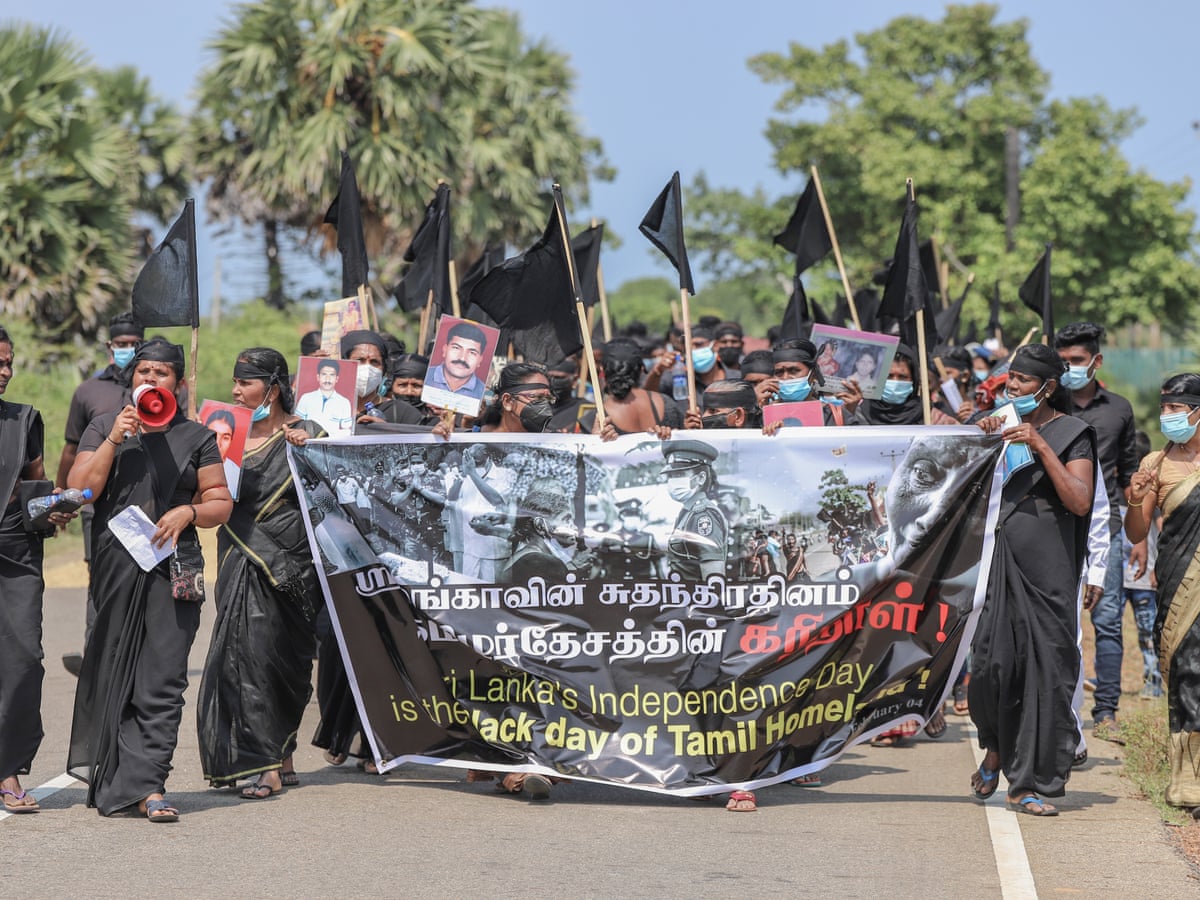
- Public Demonstrations and Protests: Organizing rallies and demonstrations to highlight the plight of Tamils affected by the conflict.
- Digital and Social Media Campaigns: Utilizing modern digital platforms to raise awareness and mobilize public opinion on issues pertaining to Sri Lanka.
International Advocacy
Beyond domestic lobbying, the Sri Lankan Tamil diaspora has also actively participated in international advocacy by engaging with multinational bodies and international human rights organizations. Their participation in forums such as the United Nations has been crucial in bringing global attention to alleged war crimes and human rights violations in Sri Lanka. By consistently highlighting their narratives at international meetings and in global media, they have managed to steer the discourse around the rights and self-determination of Tamils.
Economic and Financial Contributions
The economic clout of the Sri Lankan Tamil diaspora cannot be underestimated. With significant financial resources at their disposal, diaspora organizations have been able to support multiple initiatives ranging from humanitarian aid to economic development projects both within Sri Lanka and among communities in host countries.
Financial Backing and Political Leverage
Economic strength translates into influence. Financial contributions from the diaspora have played a dual role: funding grass-roots political movements and, historically, supporting armed factions during intense periods of conflict. Although direct military support to groups like the LTTE has diminished over time, the financial contributions continue to buttress initiatives that promote reconstruction, reconciliation, and advocacy on behalf of Tamil interests.
Community Support for Humanitarian Causes
In times of humanitarian crises, especially during and after the civil conflict in Sri Lanka, the diaspora has mobilized substantial financial aid. Notable examples include the allocation of funds by the Canadian government influenced by diplomatic pressure from Tamil groups, where financial support for refugees and humanitarian aid received unprecedented attention. These financial interventions have contributed significantly to shaping the responses of foreign governments to the situation in Sri Lanka.
Cultural Influence and Transnational Ties
Beyond lobbying and direct financial support, cultural mobilization has played a vital role in constructing a resilient diasporic identity. The Tamil diaspora’s preservation of cultural traditions, language, and heritage has not only solidified community bonds but also provided them with a platform to narrate their struggles and aspirations.
Transnational Networks
Diaspora networks function as bridges between Sri Lanka and their adopted homelands. These networks facilitate the exchange of ideas, cultural artifacts, and historical narratives that bolster the collective identity of Tamils globally. This cultural persistence shapes public opinion in host countries, encouraging governments to take positions that are sympathetic to the Tamil plight. Additionally, cultural festivals, art exhibitions, and academic conferences serve as venues for disseminating their narratives.
Diaspora Identity and Policy Influence
The cultural identity maintained by the Tamil diaspora has become intertwined with their political activism. Cultural expression through media, literature, and arts often reinforces political messages, accentuating issues such as human rights abuses and the need for accountability. The recurring themes presented in these cultural narratives help keep the diaspora’s concerns on the international political agenda.
Impact on Bilateral and Multilateral Relations
The influence of the Sri Lankan Tamil diaspora extends far beyond mere domestic political effects. Their activities have had palpable impacts on bilateral and multilateral international relations. In several nations with large Tamil populations, the diaspora's involvement has altered traditional foreign policy stances and redefined diplomatic relationships with Sri Lanka.
Case Study: Canada
Canada stands as a prime example where the diaspora has significantly affected national foreign policy. As one of the countries hosting a large Tamil community, Canada has seen direct impacts on its approach toward Sri Lanka. The active lobbying by Tamil organizations resulted in the Canadian government taking noteworthy steps:
- Increased humanitarian aid for Tamil refugees.
- Initiatives aimed at investigating reported human rights violations.
- Public debates highlighting the complexities of the Sri Lankan political landscape.
These measures, often prompted by electoral considerations and public pressure, underscore the currency of immigrant influence on state policies.
Case Study: United Kingdom
In the United Kingdom, where the Tamil diaspora is also a significant political entity, their impact manifests through sustained engagement with the political class. Extensive lobbying has pushed the government towards resolutions in international courts and held discussions on the accountability for alleged war crimes. This influence is layered with the need to balance traditional diplomatic relationships and respond to a vocal constituency demanding justice for historical injustices.
Influence in Australia
Although less extensively documented, the pattern observed in Canada and the UK suggests that Australia too experiences similar pressures due to its Tamil community. The diaspora in Australia has been known to advocate for measures supporting refugee welfare and sanctions against human rights abuses, thereby affecting Australia’s stance on regional security and humanitarian commitments in relation to Sri Lanka.
Mechanisms and Strategies: A Comparative Overview
A closer examination reveals common mechanisms employed by the Tamil diaspora across different host countries. The synthesis of various strategies into a coherent multidimensional approach strength their impact on foreign policy.
Table: Diaspora Strategies and Their Impacts
| Strategy | Description | Impact on Foreign Policy |
|---|---|---|
| Political Mobilization | Organized rallies, protests, and advocacy campaigns | Influences government stance and promotes human rights resolutions |
| Lobbying Efforts | Direct engagement with policymakers through meetings and campaigns | Shapes legislative changes and diplomatic actions |
| Financial Contributions | Economic support to humanitarian diplomacy and political causes | Leverages economic clout to influence critical decision-making |
| Cultural Mobilization | Preservation and promotion of Tamil heritage and identity | Drives consensus among international human rights forums |
| Transnational Networks | Bridges between homeland and host-country politics | Continues pressure on bilateral and multilateral diplomatic relations |
Challenges Within Diaspora Politics
Despite their influence, members of the Sri Lankan Tamil diaspora face several inherent challenges. Divisions within the community itself can sometimes hamper unified political action, and differing perspectives on the best course of action have occasionally led to internal disagreements. Additionally, opposition from the Sri Lankan governmental side, which often accuses diaspora leaders of promoting separatism or endorsing extremist positions, further complicates their endeavor to drive policy outcomes.
Internal Dissent
Within the diaspora, fractures sometimes emerge on the methods and goals for obtaining justice and recognition. While many favor political engagement and lobbying efforts, others argue for more direct forms of intervention. The resultant fragmentation can dilute the overall strength of the advocacy efforts, influencing outcomes in subtle yet critical ways.
External Pressures and Diplomatic Balancing
Another significant challenge stems from the need for host countries to balance their domestic political pressures with long-standing diplomatic and economic ties to Sri Lanka. As these governments cater to a diverse range of lobbying groups and constituent demands, the Tamil diaspora must navigate complex diplomatic landscapes to achieve tangible policy successes.
Opportunities for Enhanced Engagement
While challenges certainly exist, the strategies already employed by the Sri Lankan Tamil diaspora also present notable opportunities for future engagement and policy influence. By broadening their collaborative frameworks, the diaspora can foster stronger alliances with international human rights organizations, multicultural civic groups, and other diasporas affected by conflict and displacement.
Educational and Cultural Initiatives
One opportunity lies in expanding educational exchanges and cultural programs that highlight the rich heritage and ongoing struggles of the Tamil people. Such initiatives not only reinforce communal identity but also help demystify the nuances of Sri Lankan politics for the broader international audience.
Strengthening Multilateral Networks
Strengthening ties with international advocacy networks can also bring about a more integrated approach to the efforts targeting human rights and political accountability in Sri Lanka. By aligning their goals with those of international diplomacy and multilateral organizations, the diaspora is positioned to effectively champion legal and social reforms.
Implications for Future International Relations
The enduring influence of the Sri Lankan Tamil diaspora is likely to persist into the future, even as the geopolitical landscape evolves. Their multifaceted strategies are a testament to the power of transnational actors in shaping how nations respond to historical injustices and contemporary conflicts. In countries like Canada, the UK, and Australia, the evolving nature of diaspora politics suggests that policymakers must increasingly consider a broader range of voices and interests when formulating foreign policy approaches.
As international relations continue to be reshaped by the dynamics of nationalism, globalization, and transnational advocacy, the interactions between diaspora communities and state policies serve as a critical case study for understanding 21st-century diplomacy. The Sri Lankan Tamil diaspora, by mobilizing across borders and leveraging both traditional and modern forms of political engagement, underscores the significance of non-state actors in influencing global affairs.
References
- Sri Lankan Tamil diaspora - Wikipedia
- The Sri Lankan Tamil Diaspora After LTTE - Crisis Group
- Diasporas as a Force in Foreign Affairs - LSE Blogs
- Diasporas as a Force in Foreign Affairs - Sangam.org
- Sri Lanka En News - LankaeNews
Recommended Further Queries
Last updated March 18, 2025