
Illustration of a Warrior Tattoo Fusion
A dynamic cartoon-style blend of henna and Maori tattoo artistry on paper
Highlights
- Fusion of Cultural Motifs: Seamlessly integrating intricate henna designs with bold Maori tattoo patterns.
- Dynamic Warrior Figure: A cartoon-style warrior exuding strength and valor, accentuated by stylized tattoos.
- Authentic Artistic Process: Detailed guidance on sketching, inking, and coloring on textured paper.
Conceptualizing the Illustration
The illustration envisions a warrior figure rendered in a cartoon style, where the body serves as a canvas for a beautiful fusion of henna and Maori tattoo designs. The artistic challenge lies in blending the ephemeral elegance of henna with the bold, meaningful patterns of Maori art, thereby creating an image that is both visually stunning and culturally rich.
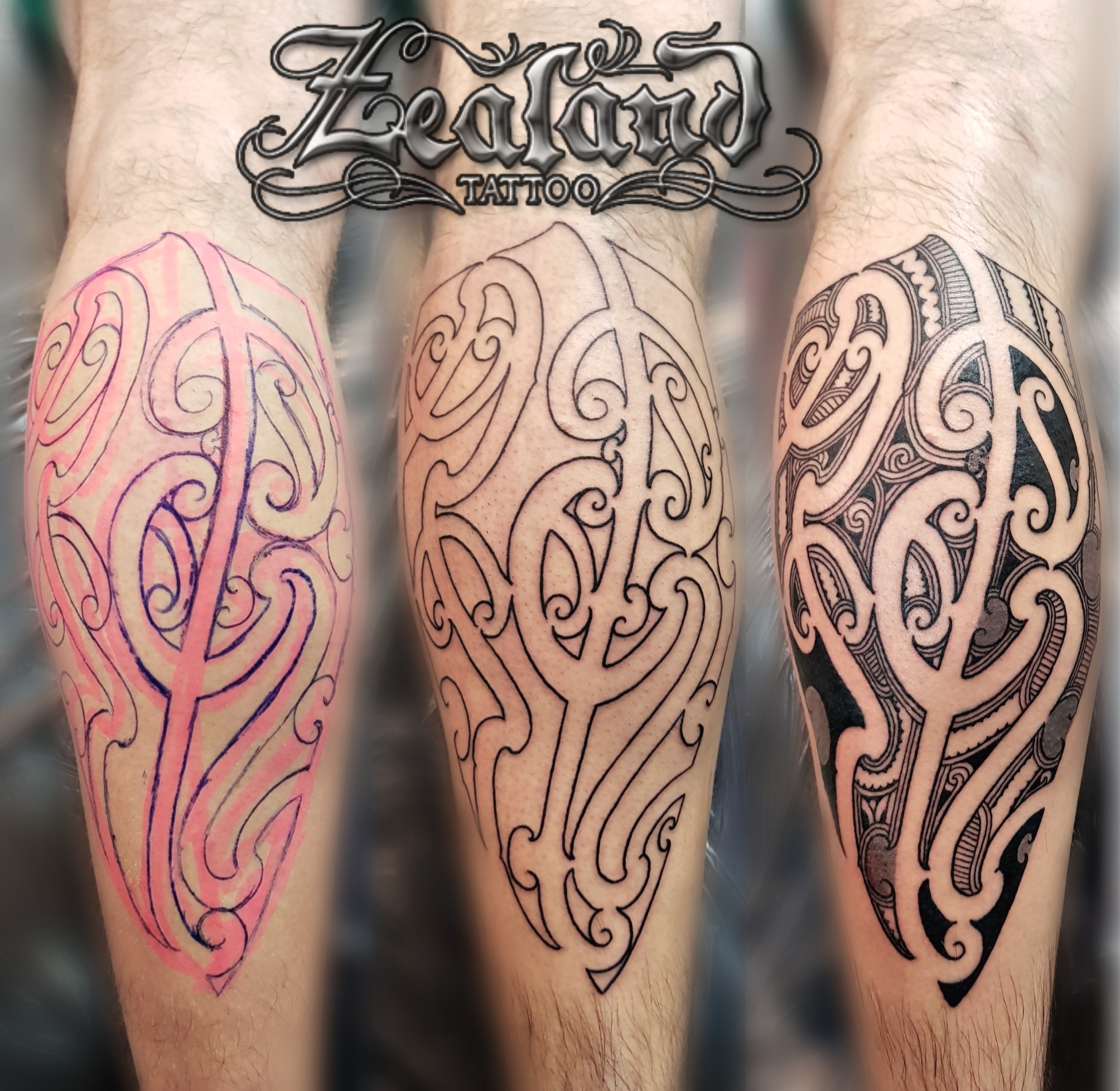
Henna tattoos, traditionally created using a paste derived from the henna plant, are known for their delicate, intricate patterns that often encompass floral, paisley, and geometric designs. These fine, ephemeral strokes have been used for centuries to celebrate milestones, rituals, and adornment. In contrast, Maori tattoos (or Ta Moko) are steeped in the heritage of the indigenous Maori people of New Zealand. They are characterized by strong, swirling lines, spirals such as the koru (symbolizing new beginnings and growth), and abstract geometric shapes that speak to warrior ethos, ancestry, and social standing.
Design Elements and Symbolism
The Warrior Figure
The centerpiece of the illustration is a warrior figure depicted in a cartoon style, where exaggerated features such as muscular contours, expressive eyes, and a dynamic posture convey energy and strength. The warrior, rendered with simplified forms yet full of character, serves as the perfect model for an artistic exploration of tattoo fusion. This figure can be interpreted as either masculine or feminine, empowered by the universal symbolism of courage and resilience.
The figure is rendered with a degree of stylization that emphasizes motion and attitude. Whether depicted in mid-attack or with a confident, introspective gaze, the posture of the warrior is designed to hint at movement—a fluidity that mirrors the serpentine curves typical in both henna and Maori tattoo designs.
Incorporating Maori Tattoo Elements
Maori tattoos are recognized for their powerful symbolism and unique patterns. Elements such as the koru, which is a spiral representing new life, and various geometric patterns including fish hooks (makau), stamped in bold black, immediately capture the eye. In this fused design, these symbols are strategically placed on the warrior's face, arms, and torso. For instance, a koru pattern may adorn the warrior’s forehead or spiral around the cheek, while strong, angular motifs traverse the chest and shoulders, providing both balance and an unmistakable cultural signature. The bold linework of Maori tattoo styles adds an aspect of fierceness to the design.
Integrating Henna-Style Patterns
Contrasting with the striking black patterns of Maori tattoos, henna art brings a lyrical and organic quality to the fusion. The henna elements feature delicate filigree, floral arrangements, and intricate paisley swirls. These softer, swirling designs are carefully interwoven with the Maori patterns. For instance, while a Maori spiral may dominate the warrior’s arm, slender henna lines might encircle it, creating a brilliant interplay of intensity and subtlety. The use of traditional henna colors—generally in reddish-brown hues—can be adapted to soften or accentuate the stark black of the Maori designs.
The Warrior’s Armor and Accessories
Beyond the tattoos, the warrior’s attire also plays a significant role in the illustration. The clothing or armor may be designed to further echo the dual influences of henna and Maori art. Henna patterns might inspire the intricate detailing on the warrior’s sash or bandages, while subconsciously integrating Maori motifs into shoulder guards or chest pieces.
This combination not only embellishes the figure aesthetically but also layers the image with symbolism — reflecting a blend of cultural legacies, with each element reinforcing themes of strength, heritage, and the passage of tradition. The warrior’s accessory, such as a traditional spear or taiaha (a Maori weapon), is also depicted using similar design elements, thereby harmonizing the entire composition.
The Artistic Process
Step 1: Sketching the Outline
The initial stage involves creating a light sketch of the warrior figure on a high-quality piece of craft paper. Begin by outlining basic proportions, positioning the figure in a dynamic stance—perhaps mid-motion or in a heroic pose. The sketch should include structural lines for the arms, torso, and facial features, ensuring that the design maintains visual balance.
Special attention should be paid to the areas where tattoos will be applied. It is essential to plan the layout of both henna and Maori patterns before delving into further detail, providing a roadmap that will guide the subsequent layering of intricate designs.
Step 2: Incorporating Maori Tattoo Patterns
Following the initial sketch, add the characteristic Maori tattoo patterns. Using a slightly darker pencil or ink, lay down bold spirals, curved shapes, and angular designs in key areas such as the face, arms, and chest. The Maori influences should evoke the sense of ancient tradition, connecting the warrior’s image with ancestry and identity.
Ensure that the linework is confident, capturing the essence of strength that Maori tattoos symbolize. Remaining conscious of the negative space and how the patterns fit around the warrior’s anatomy is crucial for integrating the two styles.
Step 3: Layering Henna-Style Designs
After the primary Maori design framework is established, begin incorporating the refined elegance of henna patterns. Use delicate, flowing motifs that mirror the contours of the warrior’s muscles and form. These intricate details can include small floral arrangements, paisley swirls, and fine filigree patterns. They should be applied in a way that seamlessly blends with the Maori designs.
The henna design can be used to emphasize certain areas or to soften the overall imagery, offering an organic, elaborate contrast to the stark angularity of the Maori influences. Maintain a delicate balance to avoid overwhelming the illustration—each style should support and elevate the other.
Step 4: Outlining and Color Application
Once the delicate detailing is complete, proceed with reinforcing the outlines using ink. In this stage, the intricate linework should be highlighted, ensuring both cultural elements stand out harmoniously. Use a combination of fine-tip markers for henna details and thicker brushes for the robust Maori patterns.
When transitioning to the coloring phase, a warm, earthy palette is recommended. Traditional henna hues—rich reds, deep browns, and touches of gold—can merge with the typically monochrome black of Maori designs to create contrast. This deliberate color juxtaposition will not only accentuate the artwork’s cultural diversity but also make it visually striking.
Step 5: Final Touches and Textural Enhancements
The final stage involves carefully reviewing the illustration for any necessary refinements. Enhance certain elements by adding shadows and texture, especially where the warrior’s muscles and the tattoo designs meet. This will provide a sense of depth and three-dimensionality, creating a more dynamic visual experience.
To further evoke the hand-crafted quality reminiscent of ancient scrolls, subtle textural adjustments may be applied to mimic the look of aged paper. This not only grounds the illustration in its medium but also adds to the narrative of intertwining historical art forms.
Technical Execution and Tools
Materials and Medium
The success of this artistic venture rests on choosing the right materials. A piece of high-quality, textured craft paper provides an ideal background that enhances the organic feel of both henna and Maori designs. The use of quality graphite pencils, various inking tools, and markers or colored pencils ensures that the nuanced details of each tattoo style are faithfully reproduced.
The paper should be securely fastened to a drawing board to prevent movement while sketching and inking. This stability is crucial when adding the fine details that define henna’s intricate charm and Maori’s strong narrative lines.
Utilizing a Digital Workflow (Optional)
For artists who prefer digital mediums, the initial sketch can be created using a tablet or scanned into a graphics program. Digital tools allow for easy layering and adjustment of design elements, particularly useful when experimenting with color palettes and line thicknesses. However, preserving a handcrafted aesthetic remains vital, so digitally simulated textures that resemble real paper can be applied to retain an authentic look.
| Phase | Key Actions | Cultural Influence |
|---|---|---|
| Sketching | Outline warrior figure; plan tattoo placement | Foundation of henna and Maori designs |
| Maori Patterns | Apply bold spirals, koru, fish hooks | Representation of identity and heritage |
| Henna Designs | Add delicate filigree, floral, and paisley motifs | Enhancing elegance and organic flow |
| Outlining & Coloring | Reinforce lines and apply earthy tones | Fusion of traditions with vibrant contrast |
| Final Touches | Add shadows, textural effects, finalize details | Bring depth and longevity to the design |
Cartoon-Style Adaptation
Simplification and Exaggeration
While both henna and Maori tattoo styles thrive on detail, adapting them to a cartoon style requires a degree of simplification. The intricate patterns are distilled into their most powerful shapes and symbols to retain recognizability even when rendered in a simplified manner. Exaggerated features—such as larger eyes, bold outlines, and emphatic expressions of determination—give the warrior an almost heroic, larger-than-life presence.
The art style may intentionally exaggerate the dynamic movement of the warrior, emphasizing both the fluidity and energy inherent in the tattoo designs. The result is a playful and creative reimagination of traditional patterns, marrying the complexity of ancient art forms with the accessibility of modern cartoon design.
Placement on the Paper
Displaying the illustration on a piece of textured craft paper enhances the authenticity of the artwork. The choice of paper—a medium replete with a tactile history—suggests the ancient origins of both henna and Maori art forms while simultaneously providing a contemporary canvas for creative expression. The edges of the paper might be intentionally left frayed or decorated with subtle border patterns, echoing the design motifs present throughout the warrior’s tattoos.
The paper itself acts as a part of the narrative, bridging the gap between a traditional, hand-drawn piece and the modern, animated depiction of cultural symbols.
Stylistic and Cultural Integration
Harmonizing Color and Line
One of the challenges in merging these two vibrant traditions is creating a harmonious blend of color and line. The henna-inspired elements are often colored in warm, natural hues such as browns, reds, and oranges, which contrast beautifully with the bold, stark black of Maori lines. Careful attention to the interplay of these colors creates a unified artwork that does not favor one tradition over the other.
The line weight variation—delicate for henna details and robust for Maori symbols—ensures that the viewer’s eye is naturally guided through the narrative of the piece. This balance reflects the fusion of softness and strength, echoing the dual nature of the warrior’s identity.
Symbolism and Narrative
In this creative venture, every line and pattern is laden with symbolic meaning. Maori tattoos speak of lineage, life cycles, and valor, while henna designs capture themes of beauty, celebration, and the transient nature of life. Combining these motifs in a warrior illustration creates a visual commentary on tradition, resilience, and the passage of time. A warrior adorned with both Maori and henna elements stands as a powerful metaphor for the coexistence of ancient cultures and modern artistic expression. The visual narrative builds a bridge between the solemnity of heritage and the vibrant spirit of creative innovation.
Additional Visual and Creative Considerations
Experimental Variations
Artists might experiment with various visual treatments to highlight the uniqueness of a fused design. For example, exploring different compositions may involve:
- Overlaying henna filigree on a Maori-patterned background, allowing the details to interact dynamically.
- Using a dual-tone approach in ink where henna elements have a subtle tint versus the solidness of Maori designs.
- Exploring asymmetrical layouts where one half of the warrior’s body is predominantly accented with one style, gradually merging into the other on the opposite half.
These variations provide creative flexibility, ensuring the final illustration is not only a fusion of styles but also a personalized representation of artistic vision.
Layering Techniques
Layering is a crucial technique in merging these distinct styles. The process involves careful planning to interlace thin, intricate henna lines with bold Maori motifs. Practicing with tracing paper or digital layers can help an artist experiment with different overlays and transparencies. This approach not only allows for iterative improvements but also offers control when balancing the visual density of the artwork.
The final piece should appear as if the tattoos naturally belong to the warrior, with every element contributing cohesively to the overall narrative. This meticulous layering echoes the history and depth behind each cultural art form.
References and Resources
- Maori Inspired Henna Tattoo Designs - Tattoo World
- Maori Henna Tattoo Inspiration - Pinterest
- Mehndi Moko Maori Tribal Designs - HennabyHeather
- Warrior Tattoos Compilation - Cuded
- Top Warrior Tattoo Ideas - Mr. InkWells
- Henna Tattoo Images - Shutterstock
- Maori Tattoo Styles - Zealand Tattoo
- Vector Illustration of Maori Tribal Patterns - Vecteezy
- Maori Tattoo Illustrations - iStockPhoto
- Maori Tattoo Designs - Shutterstock
Recommended Exploration
Last updated March 1, 2025