
Review of Related Literature
Exploring the Impact of Technology on Grade 10 Academic Performance
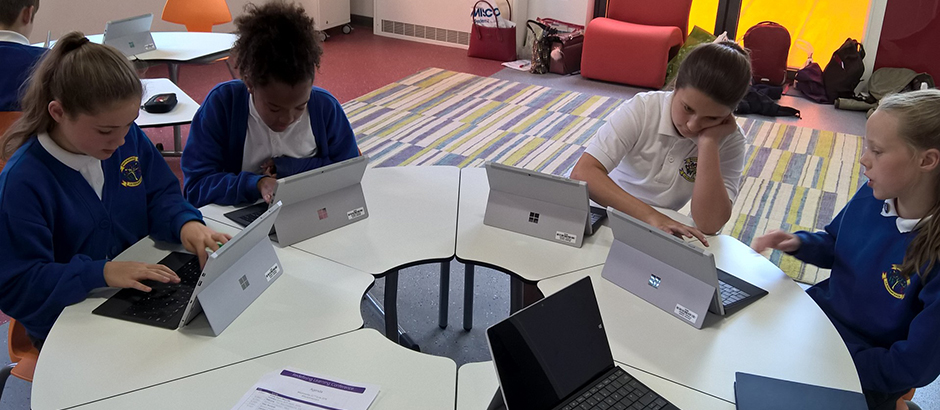
Key Highlights
- Enhanced Engagement and Motivation: Technology increases student engagement, making learning more interactive and enjoyable.
- Personalized Learning and Digital Literacy: Adaptive platforms and digital tools improve individualized learning experiences and essential skills.
- Distraction and Accessibility Challenges: Unregulated use and lack of access can hinder academic performance and introduce disparities.
Introduction
The integration of technology into the educational environment has evolved dramatically, particularly in the context of Grade 10 students. With the advancement of digital devices, internet accessibility, and educational applications, technology has become an indispensable component of modern classrooms. This review of related literature (RRL) examines both the benefits and challenges associated with technology use and its impact on the academic performance of Grade 10 students. Several empirical studies and theoretical frameworks provide insight into how these technological interventions, when applied appropriately, can significantly enhance academic outcomes, while also highlighting potential pitfalls such as distractions and unequal access.
Benefits of Technology Integration in Education
Enhanced Engagement and Motivation
Several studies have established a strong correlation between the use of technology and improved student engagement in the classroom. Interactive digital tools, such as educational software, online quizzes, and multimedia presentations, contribute to a more dynamic learning environment. This heightened engagement not only makes learning more interesting but also reinforces students’ understanding of complex topics, particularly in subjects like mathematics and science. For instance, research indicates that when technology is seamlessly integrated into the curriculum, students tend to display greater motivation and interest, which in turn reflects in improved academic performance.
Improved Academic Achievement
Empirical evidence supports the idea that technology-enhanced instruction can lead to better academic outcomes among Grade 10 students. Interactive platforms provide students with immediate feedback, facilitate problem-solving, and nurture critical thinking. Studies have revealed that academic performance improves significantly when students use digital tools for subject matter comprehension and interactive learning. Through charting data trends and adaptive assessments, educators are better able to personalize feedback for learners, resulting in a tailored educational experience that addresses individual strengths and weaknesses.
Personalized Learning and Digital Literacy
Contemporary educational technology enables personalized learning experiences through adaptive software and digital platforms. Such tools assess a student’s progression and provide customized learning materials that cater to their pace and proficiency level. This individualization not only boosts academic performance but also helps build crucial digital literacy skills that are fundamental for future employment. As students navigate various digital interfaces, they enhance their capabilities in researching, analyzing information, and communicating effectively—skills that are increasingly valued in today's digital economy.
Challenges and Limitations of Technology Use
Potential Distractions and Overuse
While technology offers enhanced learning opportunities, it also presents significant challenges related to distraction. Excessive use of digital devices for non-academic purposes—such as social media, gaming, or casual browsing—can detract from study time and academic focus. Empirical evidence has clearly shown that students with high levels of non-educational technology engagement often display lower academic performance. The lure of entertainment and constant connectivity can lead to reduced attention spans, thereby interrupting the structured learning process intended by educators.
Barriers to Equitable Access
Equitable access to technology remains a critical concern. Not all Grade 10 students have access to personal digital devices or high-speed internet, which can create a significant divide in the quality of education received. In school environments where technology is integrated into the curriculum, students from socioeconomically disadvantaged backgrounds may struggle to keep pace with their peers who have better technological resources. This disparity not only affects academic performance but also poses broader questions about fairness and the digital divide in educational settings.
Teacher Competence and Implementation Challenges
The effectiveness of technology integration is highly dependent on teacher competence. Successful implementation requires that educators are well-trained in using digital tools and willing to adapt traditional teaching methods. Without adequate professional development and support, teachers may find it challenging to effectively harness technology in the classroom. This can lead to missed opportunities for enhancing student learning and, in some cases, result in inefficient use of available resources.
Complex Interactions and Variability in Outcomes
Variability Based on Usage Context
Research suggests that the impact of technology on academic performance is complex and context-dependent. The manner in which technology is incorporated—whether as a supportive tool integrated within the curriculum or as a supplemental resource used outside of formal classroom settings—can lead to varied outcomes. For example, when technology is used to promote collaborative projects through online forums or group video calls, it can facilitate peer-to-peer learning and enhance overall understanding. However, when used in isolation or for non-educational tasks, it may hinder academic focus.
Balancing Use with Other Learning Modalities
Educators face the challenge of striking the right balance between digital learning and traditional instructional methods. A solely technology-based education might overlook the benefits of face-to-face classroom interactions and hands-on activities that are crucial for holistic learning. Consequently, schools are encouraged to adopt a blended learning approach where technology supports and complements traditional teaching, ensuring that academic content is delivered effectively while maintaining student engagement.
Integrative Approaches and Future Directions in Research
Adaptive Educational Models
With continuous advancements in digital technology, innovative educational models are emerging that adapt in real time to the needs of individual students. Adaptive learning systems utilize data analytics to monitor student progress and modify instructional content accordingly. This dynamic adjustment helps ensure that each learner receives content tailored to their current understanding and pace of learning. Future research is expected to further refine these models, expanding on the scope of personalization and making predictive adjustments that can preemptively address knowledge gaps.
Collaborative Platforms and Social Learning
Collaborative digital platforms have transformed group work into a streamlined and interactive experience. By enabling seamless communication and file sharing, these platforms foster a collaborative learning environment that can boost academic performance. Through digital collaboration, students can participate in virtual study groups and engage in peer-to-peer interactions that mimic traditional classroom discussions, thus reinforcing their learning experience and academic skills.
Emerging Trends in Educational Digital Tools
The rapid evolution of educational digital tools shows promise for further enhancing the academic performance of Grade 10 students. New trends include the integration of augmented reality (AR) and virtual reality (VR) in educational curricula, which provide immersive learning experiences that can help in explaining abstract concepts. Additionally, the fusion of artificial intelligence (AI) into educational platforms promises to offer more robust analytics and personalized feedback, thereby empowering educators to deliver a more tailored learning experience.
Summary Table of Key Studies
| Study/Source | Key Findings | Reference Link |
|---|---|---|
| Technology and Mathematics Performance | Appropriate use of digital tools improves problem-solving and academic confidence in mathematics. | SARCouncil |
| Distractions from Gadgets | Excessive use of non-educational technology can lower GPA and reduce classroom focus. | PMC |
| Personalized Digital Learning | Adaptive learning platforms tailor educational content to student needs resulting in improved academic outcomes. | eSchool News |
| Collaborative Learning Environments | Digital tools that support group collaboration increase engagement and knowledge retention. | QuestionAI |
| Contextual Variability | Impact on academic performance is influenced by socio-economic factors and teacher competence. | ScienceDirect |
References
- The Relationship between Students’ Technology Use and Academic Performance in Mathematics - SARCouncil
-
Problem Technology Use, Academic Performance, and School - PMC
- The Impact of Technology on Education - eSchool News
- The Effects of Gadget on Academic Performance - Academia.edu
-
Technology Use and Academic Performance - ScienceDirect
Recommended Related Queries
Last updated March 16, 2025