
Review of Related Literature
Exploring the Impact of Technology on Academic Performance of Grade 10 Students
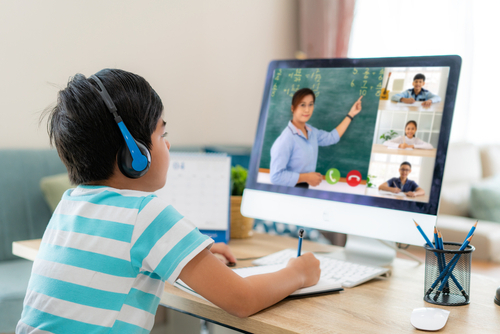
Key Highlights
- Enhanced Learning Outcomes: Technology facilitates interactive and personalized learning which improves engagement and comprehension.
- Challenges and Distraction: Excessive use of technology can lead to diminished academic performance due to distractions and poor time management.
- Balanced Integration: Successful implementation involves a balanced use of technological resources to maximize benefits while mitigating risks.
Introduction
Over the past decades, technology has fundamentally reshaped the educational landscape. In the context of Grade 10 students, the integration of digital tools into the academic environment has been extensively studied. Researchers have concentrated on the diverse effects that technology has on academic performance. While many studies highlight how technological innovations drive improved learning outcomes, others point to potential adverse effects such as distraction and reduced school connectedness. This review of related literature (RRL) synthesizes the findings of numerous studies to explore the impact of using technology on the academic performance of Grade 10 students.
Positive Impacts of Technology on Academic Performance
Enhanced Engagement and Interactive Learning
A primary benefit of technology in education is its ability to enhance student engagement. Digital tools, such as interactive whiteboards, multimedia presentations, and educational apps, contribute to a more stimulating classroom environment. According to studies referenced on SARCouncil.com, students benefit from environments that integrate Information and Communication Technology (ICT) effectively, leading to heightened attention and improved understanding of complex concepts. The interactive nature of these tools supports active participation and helps in the development of digital literacy.
Blended learning approaches, which combine traditional instruction with digital methodologies, have shown a positive correlation with enhanced academic performance. These methods allow students to engage with material in multiple formats, which can lead to greater retention and application of knowledge. Studies from platforms such as Pressbooks reveal that such strategies have the potential not only to improve comprehension but also to motivate students by providing immediate, visually engaging content.
Development of Essential Skills
Beyond the immediate academic benefits, the use of technology contributes to the development of critical life skills. The incorporation of digital resources into classrooms encourages analytical thinking, problem solving, and collaborative learning. As highlighted in studies on Frontiers in Psychiatry, technology fosters an environment where students learn to adapt to rapidly evolving information landscapes. These skills are vital in today’s economy, where digital literacy is indispensable.
Access to Diverse Learning Resources
The shift towards digital learning extends educational boundaries beyond traditional textbooks. Students now have access to an array of online resources including e-books, academic journals, interactive simulations, and virtual labs. This diverse pool of information makes learning more comprehensive and accessible. For instance, according to research available on ScienceDirect, resource-rich environments drive greater academic achievement as they cater to a variety of learning styles. Such platforms offer multi-sensory learning experiences that can demystify complicated subjects and provide additional support for understanding abstract concepts.
Negative Impacts of Technology on Academic Performance
Distraction and Poor Time Management
Despite numerous benefits, technology use in educational settings comes with challenges. Excessive engagement with digital devices can lead to significant distractions for students. When technology is used for non-educational purposes such as browsing social media or playing games, it often interferes with academic responsibilities. Research published on PMC Articles has noted that prolonged use of technology is associated with divided attention and reduced academic performance. Distraction not only hampers immediate learning but also affects long-term academic retention and outcomes.
Decreased Academic Performance Due to Overuse
Several quantitative studies have drawn links between heavy technology use and poorer academic results. A study on Grade 10 students found that individuals who spent excessive time with gadgets, including smartphones and computers, tended to experience lower grades. This trend is further supported by research on Academia.edu which revealed that extensive use of technology without proper regulation can undermine learning efforts by eroding focus and reducing time spent on homework and revision.
Sleep Deprivation and Health Concerns
An often under-examined aspect of technology overuse is its impact on student health, particularly sleep patterns. Excessive screen time, especially before bedtime, can disrupt circadian rhythms, leading to sleep deprivation. Sleep is critical for cognitive function, memory consolidation, and overall academic performance. Studies indicate that students with inadequate sleep due to late-night technology use show diminished concentration in class, further impacting their academic results.
Theoretical Framework and Synthesis of Findings
Integrative Models of Learning
Several theoretical frameworks help explain the multifaceted impact of technology on learning. One prevalent model is the Cognitive Load Theory, which suggests that while multimedia and interactive content can enhance learning, an overload of non-essential digital content might exceed learners’ attentional capacities. This theory supports the findings that effective integration and moderation of technology are critical for achieving positive outcomes.
Similarly, the Multiple Intelligences Theory posits that diversified teaching strategies – including digital interventions – cater to different learning modalities. This supports the notion that while technology can support individualized learning and bolster academic performance, its impact heavily depends on efficient usage and contextual factors such as teaching methods and curriculum design.
Balancing Benefits and Risks
A synthesis of the literature reveals that the impact of technology on academic performance is neither wholly positive nor entirely detrimental. Instead, the results of various studies underscore a balanced view. On one hand, technology-driven interventions such as interactive learning modules and digital simulations foster engagement, personalized learning, and improved academic outcomes. On the other hand, issues such as distraction, overuse, and unregulated time management pose significant risks that can harm student performance.
Studies from both quantitative and qualitative research methodologies have provided converging evidence for this dual-edged phenomenon. For example, research reported on SARCouncil.com and PMC Articles indicate that while moderate and purpose-driven use of technology correlates with enhanced grades and deeper subject comprehension, unmonitored use can lead to academic declines.
Comparative Analysis of Study Findings
Table: Summary of Key Studies on Technology and Academic Performance
| Study/Source | Focus Area | Key Findings | URL |
|---|---|---|---|
| SARCouncil Study | Interactive learning, digital literacy | Effective ICT integration enhances understanding and academic performance | View Study |
| PMC Articles | Distraction and overuse | Excessive technology use is negatively correlated with academic performance | View Study |
| ScienceDirect | Time management and learning outcomes | Heavy internet use can impair academic success due to reduced focus | View Study |
| Academia.edu Study | Gadget usage among Grade 10 students | Excessive gadget use associates with lower academic grades | View Study |
| Pressbooks | Blended learning and engagement | Interactive lessons lead to improved academic performance | View Study |
Implications for Educators and Policymakers
Promoting Responsible Technology Use
Educators and school administrators can harness the benefits of technology while avoiding its pitfalls by promoting responsible utilization in the classroom. It is imperative to design curricula that integrate technology in a controlled and purposeful manner. Strategies include scheduled digital sessions, monitored usage, and explicit training in digital literacy.
Professional development for teachers should also emphasize strategies to balance traditional pedagogical approaches with digital interventions. For instance, educators can adopt blended learning models that ensure interactive online sessions are complemented by face-to-face discussions, group work, and traditional assessments. This approach, supported by research from eSchool News, optimizes learning outcomes by aligning digital tools with solid pedagogical practices.
Setting Guidelines for Students
In addition to teacher training, the development of clear guidelines on technology usage is essential. Students should be taught to differentiate between productive and non-productive digital activities and to manage their time effectively. Schools can implement digital wellness programs that educate students on the importance of balancing technology use with offline activities.
The literature underscores a significant association between regulated digital engagement and improved academic performance. A balanced use of tech resources can foster independence and bolster academic achievement while mitigating the risks associated with distraction and overuse, as evidenced by multiple research sources.
Future Directions in Technology Integration Research
Areas for Further Study
While the current literature provides a robust discussion on the impact of technology on academic performance, there remains a need for further research in several key areas. Future studies should aim to explore:
- Longitudinal Effects: Investigating how sustained technology use over multiple academic years affects learning trajectories and long-term academic outcomes.
- Subject-Specific Impacts: Analyzing whether technology has differential impacts across various subject areas such as mathematics, science, and humanities.
- Customization and Adaptation: Evaluating how adaptive learning technologies can be tailored to meet the unique needs of diverse student populations.
- Psychosocial Dimensions: Examining the interplay between digital engagement, social behavior, and academic performance in students.
Addressing these areas could provide educators and policymakers with empirical data to further refine technology integration strategies, ensuring they are both efficient and conducive to improved academic performance.
Integration of New Digital Tools
As emerging technologies continue to evolve, there is significant potential for innovative classroom applications. For example, virtual reality (VR), augmented reality (AR), and artificial intelligence (AI)-driven teaching assistants are beginning to make their way into educational practice. Although research on these new tools is still in its early stages, preliminary studies suggest that they may offer novel ways to visualize complex concepts and facilitate deeper learning experiences.
The adoption of these technologies should be accompanied by continuous evaluation of their impact on academic performance, thereby ensuring that the benefits align with learning objectives and do not inadvertently contribute to distractions.
References
- The Relationship Between Students’ Technology Use and Academic Performance in Mathematics - SARCouncil
- Engagement and Success: The Impact of Technology - Pressbooks
-
Technology Use and Academic Performance - ScienceDirect
-
Problem Technology Use, Academic Performance, and School Connectedness among Adolescents - PMC Articles
- The Effects of Gadget Use on Academic Performance - Academia.edu
- Use of Technology and Its Association With Academic Performance - Frontiers in Psychiatry
- The Impact of Technology on Education - eSchool News
Recommended Related Queries
 aundriaa.wordpress.com
Last updated March 16, 2025