
Unlock After-School Freedom: Your Tech-Powered Student Shuttle Solution
A comprehensive business plan for a subscription-based mini-bus service bridging the gap between home and private lessons.
Key Highlights
- Technology-Driven Convenience: Leverage dedicated mobile apps for parents and drivers, real-time GPS tracking, and optimized routing for seamless scheduling and peace of mind.
- Subscription Flexibility: Offer tailored monthly and annual plans to fit diverse family needs, providing a reliable and predictable transportation solution.
- Safety First Approach: Prioritize child safety with vetted drivers, digital ridership tracking, real-time monitoring, and robust communication protocols.
Addressing the After-School Commute Challenge
The Opportunity for a Modern Solution
In many regions, parents working standard 9-5 jobs face a significant logistical challenge: transporting their children from home or school to evening private lessons (like Maths, English, or Computing). Traditional school transport often doesn't cover these specific routes or times, and other options like taxis or public transport may lack the necessary reliability, safety focus, or cost-effectiveness for regular use. This creates a clear market need for a specialized, dependable, and convenient transportation service tailored to the schedules of busy families and their children's educational pursuits.
Your business idea directly tackles this problem by proposing a dedicated mini-bus service focused exclusively on this after-school commute. By operating on a subscription model and integrating modern technology, you can offer a superior alternative that provides parents with convenience, reliability, and enhanced safety features.
Company Overview: Your Vision Defined
Mission, Vision, and Core Values
Let's envision your company, perhaps named "EduRoute Connect" or similar (you'll choose the perfect name!).
- Mission: To provide safe, reliable, and technologically advanced after-school transportation, connecting children with their educational opportunities while offering peace of mind to working parents through a convenient subscription service.
- Vision: To become the leading tech-enabled student transportation provider for after-school activities in your target region(s), recognized for unparalleled safety, efficiency, and customer satisfaction.
- Core Values: Safety First, Reliability, Customer-Centricity, Technological Innovation, Transparency.
Legal Structure and Unique Selling Proposition (USP)
You'll need to establish a legal structure (e.g., Limited Liability Company - LLC, Sole Proprietorship, Partnership) based on your local regulations and business goals. Your key differentiator, or USP, lies in the fusion of:
- Niche Focus: Specializing in the home-to-private-lesson evening commute.
- Subscription Model: Offering predictable costs and guaranteed service through monthly/annual plans.
- Technology Integration: Utilizing apps, GPS, and routing software for efficiency, transparency, and safety assurance.
Market Deep Dive: Understanding Your Audience
Target Market and Size
Your primary target market consists of parents with school-aged children (e.g., 5-18 years old) enrolled in after-school private lessons or tutoring centers, particularly those parents who maintain 9-5 work schedules. Secondary customers could include the private institutes themselves, who might see your service as a value-add for their students.
Estimating Demand
Conduct thorough market research in your chosen service area(s). Identify:
- The number of private educational institutes (tutoring centers, music schools, sports clubs, etc.).
- Estimated student enrollment in these institutes during evening hours.
- Demographics of families in the area (income levels, typical work schedules).
- Geographic concentration of potential customers (residential areas vs. institute locations).
Competitive Landscape
Analyze your potential competitors:
- Existing School Bus Services: Usually focused on school-to-home routes, not evening lessons.
- Public Transportation: May not be suitable for younger children or cover specific routes efficiently.
- Taxis/Ride-Sharing: Can be costly for regular use and may lack consistent child safety protocols or driver familiarity.
- Parent Carpools: Often informal and potentially unreliable due to changing schedules.
- Other Niche Providers: Research any existing small-scale child transport services.
Your tech-centric approach, subscription model, and focus on safety provide distinct advantages over these alternatives.
Regulatory Environment
Thoroughly investigate and comply with all local, regional, and national regulations governing child transportation. This includes vehicle safety standards, driver licensing and background checks (e.g., vulnerable sector screening), insurance requirements, and business operating permits.
Services & Technology: The Core Offering
Your Service Blueprint
The core service involves scheduled pick-ups of children from their homes using mini-buses and transporting them directly to their designated private lessons. Depending on demand and logistics, return trips could also be offered.
Subscription Tiers
Offer flexible subscription plans to cater to different needs. Here’s a sample structure:
| Plan Tier | Frequency | Features | Example Price Range (Monthly) |
|---|---|---|---|
| Basic Connect | Up to 3 days/week (fixed schedule) | Standard route access, App tracking, Basic notifications | $60 - $90 |
| FlexiRoute | Up to 5 days/week (flexible scheduling within zones) | Priority routing, App tracking & scheduling, Enhanced notifications, Direct driver comms (limited hours) | $100 - $150 |
| Premium Access | Unlimited days/week (within operating hours) | Customized pickup coordination (within limits), Full app features, Priority support, Potential return trip add-on | $150+ |
Note: Pricing is illustrative and should be determined based on your market research, operational costs, and perceived value. Annual plans could offer a discount (e.g., 10-15%) compared to monthly rates.
Technology Integration: Powering Efficiency and Trust
Technology is not just an add-on; it's fundamental to your business model's success. Key components include:
1. Mobile App Ecosystem
- Parent App: The central hub for customers. Features should include:
- Easy subscription signup and management.
- Secure payment processing.
- Booking and scheduling rides (individual or recurring).
- Real-time GPS tracking of the child's assigned mini-bus.
- Push notifications for estimated arrival times (pick-up/drop-off), confirmations, delays, and driver arrivals.
- Direct (but managed) communication channel with the driver or support team.
- Viewing ride history and billing statements.
- Driver App: Equips drivers for smooth operations. Features should include:
- Optimized route navigation (integrated with routing software).
- Daily manifests with student lists and schedules.
- Digital check-in/check-out for students (e.g., simple tap confirmation, potentially QR/RFID scan in the future).
- Communication tools for contacting dispatch/admin and sending standardized updates to parents (e.g., "Approaching pickup point").
- Incident reporting capabilities.
2. Administrative & Routing Backend
- Central Management Console: A web-based platform for your team to oversee operations:
- Fleet management (vehicle status, maintenance schedules).
- Driver assignment and scheduling.
- Subscription management and billing oversight.
- Real-time monitoring of all active routes and vehicles.
- Customer support interface.
- Analytics and reporting (route efficiency, ridership numbers, punctuality rates, fuel consumption).
- Routing & Scheduling Software: Crucial for efficiency. This software should:
- Generate optimized pick-up and drop-off routes based on subscriber addresses, lesson locations, and traffic data.
- Minimize travel time and distance, reducing fuel costs and improving punctuality.
- Allow for dynamic adjustments based on real-time conditions or last-minute schedule changes (within policy limits).
- Potentially integrate AI for predictive routing and demand forecasting over time.
3. Safety & Tracking Technology
- GPS Tracking: Installed on all mini-buses, feeding real-time location data to the parent app and admin console.
- Student Ridership Tracking: A system to confirm when each child boards and disembarks. This could range from manual driver confirmation via the app to more advanced methods like student ID card scans (QR code or RFID) linked to the manifest. This provides an essential safety check and accountability.
- Communication & Alerts: Automated notifications for parents, plus potential emergency alert buttons within the apps (for drivers and potentially parents) linked to the admin console.
Visualizing Your Business Ecosystem
This mindmap illustrates the interconnected components of your tech-centric student transport service:
Marketing and Sales: Reaching Your Customers
Building Awareness and Trust
Customer Acquisition Strategies
- Partnerships with Private Institutes: Collaborate with tutoring centers, music schools, etc., to promote your service directly to their enrolled students' parents. Offer introductory packages or referral bonuses.
- Digital Marketing: Utilize targeted social media advertising (Facebook, Instagram) focusing on parents in your service area. Employ search engine optimization (SEO) for your website so parents searching for "after-school transport" find you.
- Local Community Engagement: Participate in local school events or community fairs (if applicable).
- Referral Program: Incentivize existing subscribers to refer new families by offering discounts on their next billing cycle.
- Website & Online Presence: Develop a professional, user-friendly website detailing your service, technology features (especially safety aspects), subscription plans, and contact information. Include testimonials from satisfied parents as you gather them.
Brand Positioning
Consistently emphasize your core strengths: Safety, Reliability, Convenience, and Technology-Enhanced Peace of Mind. Your marketing materials should clearly communicate how your service solves the specific after-school transportation problem for busy parents.
Sales Process
Outline a clear path from initial inquiry to subscription: website information -> app download/demo -> plan selection -> secure payment -> onboarding -> ongoing service and support.
Operations: Making It Happen
Day-to-Day Execution
Key Operational Steps
- Licensing and Permits: Secure all necessary business licenses, transportation permits, and insurance policies before commencing operations.
- Fleet Acquisition & Management: Purchase or lease a suitable fleet of mini-buses. Prioritize vehicles with excellent safety ratings and consider fuel efficiency or electric options for long-term sustainability. Implement a rigorous maintenance schedule.
- Driver Recruitment & Training: Hire qualified, experienced drivers. Implement thorough background checks (including checks for working with children), driving record verification, and drug testing. Provide comprehensive training on routes, technology usage (driver app), child safety protocols, customer interaction, and emergency procedures.
- Route Planning & Optimization: Utilize your chosen routing software to establish efficient initial routes based on subscriber locations. Continuously refine routes based on new subscribers and performance data.
- Safety Protocols: Implement a strict set of safety procedures. This could be modeled after established frameworks (like HopSkipDrive's 15-point checklist mentioned in Answer D) covering driver vetting, vehicle checks, boarding/deboarding procedures, communication protocols, and emergency response plans.
- Customer Support: Establish clear channels for customer inquiries and support (phone, email, in-app chat).
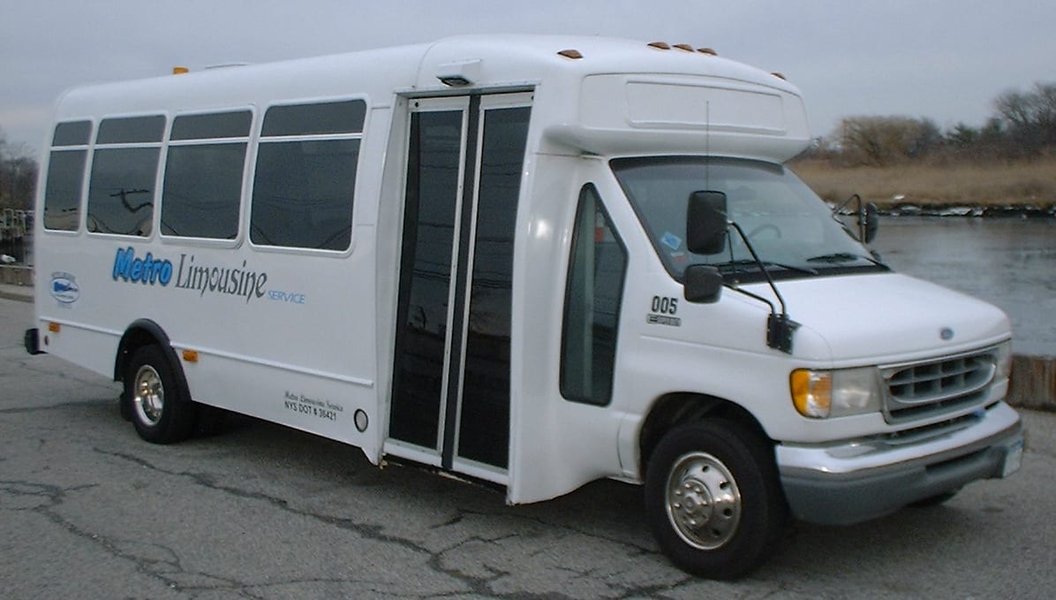
Mini-buses form the core of the transportation fleet, equipped with safety and tracking technology.
Comparative Service Attributes
This radar chart visually compares your proposed tech-centric service against common alternatives across key attributes valued by parents. Your service aims to excel in areas where others fall short, particularly in tailored convenience and integrated technology for safety and tracking.
Organization and Management
Building Your Team
Start with a lean but effective team:
- Operations Manager: Oversees daily logistics, driver management, route optimization, and customer service.
- Drivers: Certified, trained, and vetted individuals responsible for safe transportation and positive student interaction.
- Technology Lead/Support: Manages the apps, software, tracking systems, and provides technical support (can be outsourced initially).
- Administrative Support: Handles subscriptions, billing, communications, and general office tasks.
- Founder/CEO (You): Sets strategic direction, builds partnerships, oversees finances, and ensures overall business health.
As you grow, you may add roles like a dedicated Marketing Specialist or Fleet Manager.
Financial Projections and Funding
Mapping Out the Numbers
Startup Costs
Estimate your initial investment needs. Key categories include:
- Vehicle Acquisition (Purchase or Lease Down Payments)
- Technology Development or Licensing (Apps, Routing Software)
- Insurance Premiums (Vehicle, Liability)
- Licenses, Permits, and Regulatory Compliance Fees
- Driver Recruitment and Training Costs
- Initial Marketing and Website Development
- Office Setup (if applicable) and Initial Supplies
- Working Capital Buffer (for initial months of operation)
A rough estimate, based on similar ventures, might range from $50,000 to $200,000+, highly dependent on the number of initial vehicles and whether technology is built in-house or licensed.
Revenue Streams
Your primary revenue will come from monthly and annual subscription fees. Project revenue based on:
- Estimated number of subscribers in Year 1, Year 2, Year 3.
- Average revenue per subscriber based on your pricing tiers.
- Potential secondary revenue from institute partnerships or premium add-on services (e.g., occasional single-trip bookings if feasible).
Operating Expenses
Project ongoing monthly costs:
- Driver Salaries and Benefits
- Fuel Costs
- Vehicle Maintenance and Repairs
- Insurance Premiums (Ongoing)
- Software Licensing Fees (if applicable)
- Marketing and Advertising Budget
- Administrative Salaries/Costs
- Payment Processing Fees
- Office Rent and Utilities (if applicable)
Profitability Analysis
Calculate your break-even point – the number of subscribers needed to cover all operating costs. Set realistic profitability targets (e.g., achieving break-even within 12-18 months, reaching a specific profit margin by Year 3).
Funding Request (If Applicable)
If seeking external funding (loans, investors), clearly state the amount required, how it will be allocated (e.g., vehicle purchase, tech development), and the proposed repayment terms or equity offering.
Risk Management
Planning for Contingencies
Identify potential risks and develop mitigation strategies:
- Safety Incidents: Mitigate through rigorous driver vetting/training, vehicle maintenance, safety protocols, real-time monitoring, and comprehensive insurance.
- Regulatory Changes: Stay informed about transportation laws and adapt operations accordingly. Build relationships with local authorities.
- Low Initial Adoption: Mitigate through strong marketing, partnership strategies, introductory offers, and emphasizing unique value propositions.
- Technology Failures: Have backup communication methods (phone), ensure reliable tech partners/support, and conduct regular system checks.
- Driver Shortages/Turnover: Offer competitive compensation/benefits, foster a positive work environment, and maintain a pipeline of potential hires.
- Competition: Continuously innovate, focus on service quality and customer satisfaction, and adapt pricing/services based on market dynamics.
- Vehicle Breakdowns: Have contingency plans, possibly including backup vehicles or agreements with local repair services for quick turnarounds.
Starting Your Student Transportation Venture
Insights on Launching
Starting a student transportation business, especially one focused on a specific niche like after-school activities, requires careful planning and execution. This video offers general insights into initiating such a venture, covering aspects like understanding the market and operational considerations, which can be valuable as you embark on building your tech-centric service.
Key takeaways often include the importance of compliance, insurance, defining your service area, and understanding the specific needs of transporting children. While your model is tech-focused and subscription-based, the fundamental principles of safety, reliability, and operational efficiency remain paramount, echoing the advice often shared for traditional NEMT (Non-Emergency Medical Transportation) or school transport startups.
Frequently Asked Questions (FAQ)
How do you ensure the safety of the children during transport?
Safety is our top priority. We implement multiple layers of protection:
- Vetted Drivers: All drivers undergo rigorous background checks (including vulnerable sector screening), driving record verification, and regular training on child safety protocols.
- Vehicle Safety: Our mini-buses are regularly inspected and maintained to meet high safety standards. They are equipped with GPS tracking.
- Real-Time Monitoring: Parents can track the vehicle's location in real-time via the app. Our admin team also monitors routes.
- Ridership Tracking: We use digital check-in/check-out procedures via the driver app to confirm each child is accounted for.
- Communication: Clear communication channels exist between parents, drivers, and our support team through the app and phone lines.
- Emergency Protocols: We have established procedures for handling delays, breakdowns, or other emergencies.
Can I track my child's journey in real-time?
Yes! Our dedicated parent mobile app features real-time GPS tracking. You can see the location of your child's assigned mini-bus on a map from the moment it starts the route until drop-off. You will also receive notifications about estimated arrival times and confirmations of pick-up and drop-off.
What happens if my child's lesson schedule changes temporarily?
Our subscription plans offer varying degrees of flexibility. Depending on your chosen tier (e.g., FlexiRoute or Premium), you may be able to adjust specific pick-up days or times via the parent app, subject to availability and advance notice requirements outlined in our terms of service. For significant or permanent changes, please contact our customer support team to discuss adjustments to your subscription or route.
How is the pricing structured for the subscription?
We offer tiered monthly and annual subscription plans based on factors like the number of transport days per week, scheduling flexibility, route complexity (distance/zone), and included features (e.g., level of app functionality, support priority). Annual plans typically offer a cost saving compared to paying month-to-month. Detailed pricing for each tier in your specific service area will be available on our website and within the app during the sign-up process.
Recommended Next Steps
Explore Further
- What are the specific licensing and insurance requirements for child transportation services in [Your Region]?
- Compare features and costs of different route optimization software for transportation businesses.
- Effective digital marketing strategies to reach parents for children's services.
- How to build successful partnerships between transportation providers and educational institutes.
References
Supporting Resources
Last updated May 5, 2025