
Literature Review on Technical Skills Development in Engineering Students
Exploring a decade of insights from 2015 to 2022 on curriculum innovation and experiential learning
Key Highlights
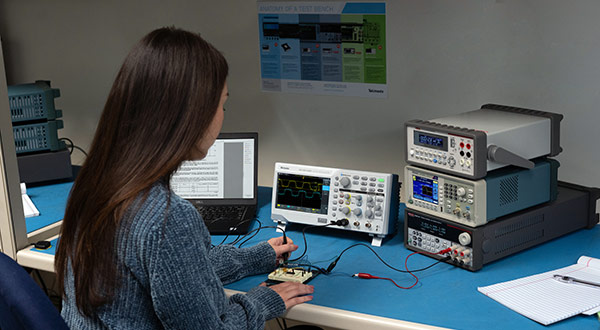
- Integration of Practical Experiences: Project-based learning and experiential approaches directly enhance technical competencies.
- Technological and ICT Integration: The adoption of ICT and digital tools has become fundamental in aligning educational outcomes with industry requirements.
- Bridging Gaps through Mentorship and Internships: Cooperative programs and mentorship have emerged as powerful methods to facilitate both technical and soft skills development.
Introduction
The evolving landscape of engineering education over the past decade has placed significant emphasis on the development of technical skills among students. As the industry becomes more technologically advanced, educational institutions have strived to keep pace with the demands of modern engineering practice. Recent literature spanning from 2015 to 2022 reveals that there has been a marked shift towards integrating experiential learning techniques such as project-based learning, cooperative education, and internships into traditional curricula to better prepare graduates for professional challenges (Awuor et al., 2022; Gero, 2020). This literature review draws upon a rich body of research to explore the transformation in technical skills development and discusses strategies that have been implemented to bridge the gap between academic learning and industry expectations.
Curricular Evolution and Hands-on Learning Approaches
In recent years, engineering education has undergone a transformative change with an increased emphasis on hands-on learning and practical application of theoretical concepts. Project-based learning (PBL) has emerged as a central pedagogical strategy that enables students to engage in complex, real-world problem solving. Through PBL, students not only internalize theoretical knowledge but also develop critical soft skills such as teamwork, communication, and problem-solving, which are indispensable in modern engineering environments (Gero, 2020; Trevelyan, 2019). This approach aids in the synthesis of academic subjects and practical applications, ultimately producing graduates who are industry-ready and capable of tackling multifaceted engineering challenges.
Integration of Information and Communication Technology (ICT)
The advent of Information and Communication Technology (ICT) tools in engineering curricula has revolutionized technical skills development. Modern digital tools facilitate a more interactive and immersive learning experience, promoting a deeper understanding of subjects such as programming, data analysis, and engineering software applications. Studies reveal that the incorporation of ICT not only aids in enhancing computational skills but also fosters adaptive learning, which is crucial in today’s fast-paced technological landscape (Ferrari, 2013; Piwowar-Sulej, 2021). The use of online platforms, virtual labs, and simulations provides students with flexible and accessible learning opportunities, bridging the divide between classroom instruction and real-world applications.
Mentorship, Internships, and Industry Collaboration
An equally critical component of technical skills development is the role of mentorship programs and internships which facilitate direct interaction between students and industry professionals. Cooperative education programs have been documented to significantly improve students’ practical competencies by exposing them to actual work environments and real-time project challenges (Gilley & Gilley, 2019). Mentorship, in particular, has been shown to enhance not only technical abilities but also essential soft skills such as ethical reasoning and leadership (Singh et al., 2019). This collaborative approach allows students to gain valuable insights into industry trends and challenges, thereby enhancing their readiness for professional life and reducing the skill gap between academia and industry.
Lifelong Learning and Continuous Professional Development
The rapidly changing technological landscape has underscored the need for lifelong learning among engineering professionals. Educational frameworks have evolved to emphasize continuous skill development, ensuring that graduates remain relevant in their fields long after completing their formal education. The American Society of Civil Engineers (ASCE) and other prominent organizations advocate for ongoing professional development as a cornerstone of engineering practice (Froehle et al., 2022). By promoting an academic culture of continuous learning and adaptation, institutions are helping students and professionals alike to update their technical knowledge and remain agile in the face of technological innovations.
Challenges in Technical Skills Development
Despite significant advances, several challenges continue to impede the effective development of technical skills in engineering education. One notable issue is the persistent gap between academic training and the dynamic requirements of modern-industrial practices. Studies indicate that many engineering programs struggle with outdated curricula that do not adequately incorporate emerging technologies and interdisciplinary learning models (Reddy, 2015; Campos, 2019). Moreover, inadequate resources, particularly in developing regions, and a shortage of suitably trained educators further exacerbate this gap. Addressing these challenges necessitates strategic investments in faculty development, curriculum reform, and robust industry partnerships.
Innovative Approaches and Future Directions
In response to these challenges, recent research has underscored the potential of innovative educational strategies. Integration of generative artificial intelligence tools, virtual labs, and simulation software are being piloted across various institutions, aiming to create a dynamic and interactive learning environment (Borges, 2024). These technologies not only enhance the learning experience but also ensure that graduates are well-equipped to navigate the intricacies of modern engineering tasks. As educational institutions continue to evolve, the adoption of these novel approaches is anticipated to drive a significant transformation in how technical skills are imparted, making learning more adaptive, interactive, and efficient.
Synthesis of Research Findings and Educational Impact
A holistic view of the research from 2015 to 2022 suggests that the transformation of engineering education is multi-dimensional. The collective emphasis on project-based learning, ICT integration, mentorship, and internships has profoundly impacted the way technical skills are developed and assessed. For instance, a comprehensive study by Awuor et al. (2022) demonstrated that students engaged in collaborative project work showed significantly improved technical and soft skills compared to those in traditional learning environments. This synthesis of theoretical and practical experiences has been essential in preparing graduates for the complexities of a modern engineering career, thereby bridging the gap between academia and industry needs.
Tabulated Overview of Key Strategies and Outcomes
| Strategy | Outcome | Reference |
|---|---|---|
| Project-Based Learning | Enhanced problem-solving, teamwork, and technical knowledge | (Gero, 2020; Awuor et al., 2022) |
| ICT Integration | Improved computational skills and adaptive learning | (Ferrari, 2013; Piwowar-Sulej, 2021) |
| Mentorship & Internships | Improved practical competencies and industry readiness | (Singh et al., 2019; Gilley & Gilley, 2019) |
| Lifelong Learning | Sustained professional development and adaptability | (Froehle et al., 2022) |
Implications for Curricular Development and Policy
The insights garnered from the literature suggest that reforming engineering education to focus on technical skills development is not just an academic imperative but also a policy necessity. Educational policymakers and institutional leaders are now challenged to create curricula that blend theoretical rigor with practical experience, thereby ensuring that graduates are not only knowledgeable but also functionally competent. Partnerships with industry stakeholders, as well as investments in modern technological infrastructure, are critical for cultivating an environment that fosters technical excellence (Reddy, 2015; Trevelyan, 2019). This integrated approach is likely to yield a more agile workforce capable of thriving in the rapidly changing global economy.
Final Thoughts on the Future of Technical Skills Development
As engineering education continues to navigate the challenges and opportunities presented by technological advancements, it is clear that the development of technical skills must remain a dynamic and evolving process. With an increasing focus on interdisciplinary learning, experiential opportunities, and continuous innovation, the next decade promises to further bridge the gap between academic preparation and industrial demands. The collective evidence suggests that while challenges persist—stemming from resource limitations and evolving industry needs—the future of technical skills development in engineering is bright, marked by progressive pedagogical initiatives and a commitment to lifelong learning (Borges, 2024; Campos, 2019). The legacy of these transformative efforts will not only benefit individual learners but will also contribute significantly to the broader goals of technological innovation and sustainable development.
References
- Awuor, N. O., et al. (2022). Teamwork competency in engineering education - ResearchGate
- Gero, A. (2020). Importance of technical skills - ResearchGate
-
Ferrari, A. (2013). Application of educational technology - ScienceDirect
-
Piwowar-Sulej, K. (2021). Role of Industry 4.0 in engineering education - ScienceDirect
-
Singh, R., Sharma, R., & Gupta, R. (2019). Research-based learning for engineering graduates - ScienceDirect
- Beagon, U., & Bowe, B. (2023). Engineering education perspectives - Wiley Online Library
- Gilley, J. W., & Gilley, A. (2019). Skills development through internships - ResearchGate
-
Froehle, K., et al. (2022). Lifelong learning in engineering - ASCE
- Reddy, G. R. C. (2015). Engineering skill development challenges - Digital Learning
- Trevelyan, J. P. (2019). Bridging academia and industry - Wiley Online Library
-
Borges, G. G. (2024). Impact of AI in education tools - ScienceDirect
- Campos, A. (2019). Soft skills training for engineering - Wiley Online Library
Recommended Further Research Queries
Last updated March 5, 2025