
Understanding Thin-Film Interference in Reactive Metals
Why Some Metals Shine While Others Remain Dull
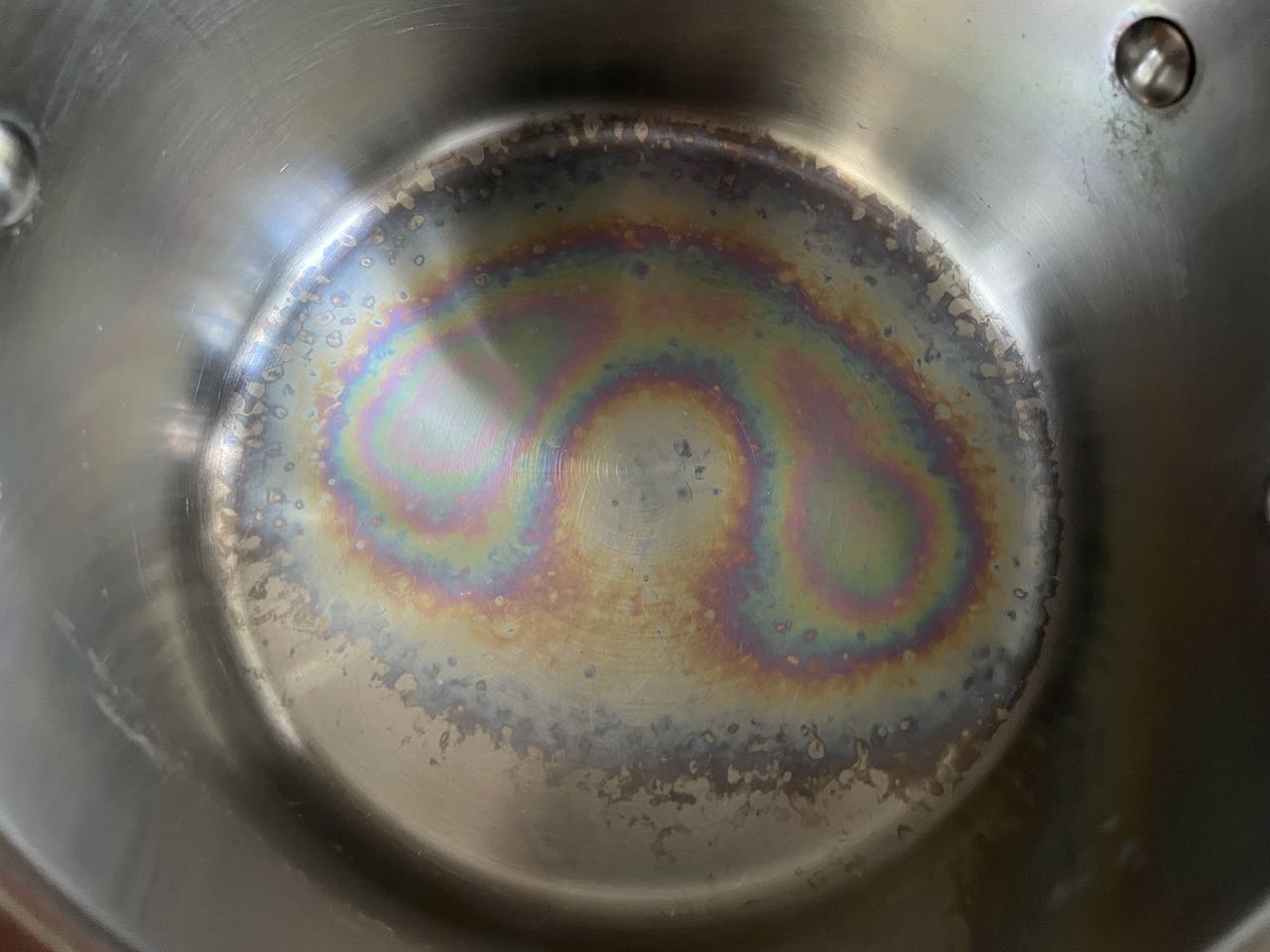
Key Takeaways
- Oxide Layer Characteristics: The thickness, uniformity, and optical properties of oxide layers are crucial for thin-film interference.
- Metal Reactivity: Highly reactive metals like lithium form oxide layers rapidly, often preventing the stable formation needed for iridescence.
- Structural Complexity: Metals that exhibit iridescence develop multi-layered and crystalline oxide structures conducive to light interference.
Introduction
Thin-film interference is a captivating optical phenomenon responsible for the iridescent colors observed in certain metals and metalloids, such as titanium and bismuth. This effect arises when light waves reflect off multiple layers of a material with varying refractive indices, causing constructive and destructive interference that manifests as vibrant colors. However, not all metals exhibit this striking visual effect. Reactive metals like lithium form oxide layers upon exposure to air, yet these layers seldom produce visible diffraction or iridescence. This comprehensive analysis delves into the underlying reasons why some reactive metals form oxide layers incapable of producing thin-film interference in the visible spectrum.
Thin-Film Interference and Iridescence
Mechanism of Thin-Film Interference
Thin-film interference occurs when light waves encounter a thin layer of material, leading to reflections from both the top and bottom surfaces of the film. The difference in path length between these reflected waves can result in constructive or destructive interference, depending on the film's thickness and the light's wavelength. When the conditions are right, this interference enhances specific wavelengths, producing iridescent colors characteristic of thin-film interference.
Requirements for Visible Iridescence
For thin-film interference to produce visible iridescence, several conditions must be met:
- Optimal Thickness: The oxide layer must have a thickness comparable to the wavelength of visible light, typically in the range of 400 to 700 nanometers.
- Uniformity: The film must be uniform and consistent in thickness across the surface to ensure coherent interference patterns.
- Appropriate Optical Properties: The materials involved must have refractive indices that allow for significant reflection and interference without excessive absorption of light.
- Structural Complexity: Multi-layered or crystalline structures can enhance the complexity and richness of the interference patterns, contributing to vivid iridescence.
Factors Determining Oxide Layer Properties in Reactive Metals
Oxide Layer Thickness and Uniformity
The formation of oxide layers on reactive metals like lithium is often rapid and uncontrollable. For thin-film interference to occur, the oxide layer must achieve a specific thickness within the visible light spectrum. However, highly reactive metals tend to form oxide layers that are either too thin or excessively thick, falling outside the optimal range for visible interference. Additionally, the rapid oxidation process can lead to non-uniform thickness, disrupting the coherence necessary for consistent light interference.
Optical Properties of Oxides
The optical properties of the oxide formed on a metal play a pivotal role in determining whether thin-film interference will be observable. Oxides that heavily absorb visible light or have refractive indices that do not favor significant reflection will fail to produce iridescent effects. For instance, lithium oxide (Li₂O) is a white, opaque material with a high refractive index but lacks the layered structure needed for effective light diffraction. In contrast, titanium oxide and bismuth oxide possess optical characteristics conducive to thin-film interference.
Oxidation Kinetics and Formation Process
The rate at which a metal oxidizes influences the structure and stability of the resulting oxide layer. Reactive metals such as lithium oxidize swiftly, leading to the formation of oxide layers that are often non-uniform and unstable. This rapid oxidation can produce amorphous or porous structures that disrupt the necessary conditions for coherent thin-film interference. Metals like titanium, however, form more controlled and stable oxide layers through processes like anodization, allowing for the precise thickness and uniformity required for iridescence.
Layer Morphology and Structural Complexity
The morphology of the oxide layer, including its crystalline structure and layering, significantly impacts its ability to produce thin-film interference. Metals that form multi-layered or crystalline oxide structures provide the structural complexity needed for varied light path differences, enhancing iridescent effects. Lithium's oxide layers, conversely, tend to be simple, compact, and lacking in structural complexity, which hinders the development of visible interference patterns.
Comparison Between Metals Exhibiting Iridescence and Those That Don’t
Metals Like Titanium and Bismuth
Titanium and bismuth are notable for their iridescent appearances, which result from the formation of oxide layers that meet the stringent criteria for thin-film interference:
- Controlled Oxidation: These metals can form oxide layers through controlled processes, such as anodization for titanium, allowing for precise control over thickness and uniformity.
- Suitable Optical Properties: The oxides of titanium (TiO₂) and bismuth possess refractive indices and minimal absorption in the visible spectrum, facilitating effective light reflection and interference.
- Structural Complexity: The oxide layers often exhibit multi-layered or crystalline architectures, contributing to the richness and variability of the iridescent colors observed.
Metals Like Lithium
In stark contrast, lithium and similar highly reactive metals form oxide layers that do not support thin-film interference for several reasons:
-
Insufficient Thickness: Lithium oxide layers are typically only a few nanometers thick, which is insufficient for interference within the visible light range.
-
Non-Uniform and Rapid Oxidation: The rapid and aggressive oxidation of lithium leads to oxide layers that are irregular and non-uniform, preventing the coherence needed for consistent interference patterns.
-
Inappropriate Optical Characteristics: Lithium oxide is opaque and lacks the necessary refractive index contrast and transparency, leading to absorption rather than reflection of visible light.
-
Layer Instability: The oxide layers on lithium are often unstable, susceptible to further chemical reactions with moisture and other atmospheric components, hindering the formation of a stable, interference-capable film.
Additional Contributing Factors
Environmental Influence
Environmental conditions such as humidity, temperature, and exposure to various gases can significantly influence the formation and stability of oxide layers. In metals like lithium, high reactivity in certain environments can exacerbate the formation of unstable and non-uniform oxide films. Conversely, metals that form iridescent oxides often do so in controlled environments that promote the development of uniform and stable layers.
Chemical Stability of Oxides
The chemical stability of the oxide layer is paramount for maintaining the conditions necessary for thin-film interference. Oxides that are chemically stable resist further reactions, preserving their uniformity and thickness over time. Lithium oxide, however, is prone to further reactions, such as forming hydroxides or carbonates, which disrupt the integrity of the oxide layer and prevent the sustained presence of conditions favorable to iridescence.
Mechanical Adherence
The mechanical adherence of the oxide layer to the base metal affects its ability to maintain structural integrity. Oxide layers that adhere well prevent peeling or flaking, maintaining a consistent film necessary for thin-film interference. Highly reactive metals may experience poor adhesion due to the turbulent and rapid formation of oxide layers, leading to defects that impair the optical properties needed for iridescence.
Conclusion
Thin-film interference is a delicate balance of optical, structural, and chemical factors that determine whether a metal will exhibit iridescence. Metals like titanium and bismuth successfully navigate these criteria through controlled oxidation processes, stable and uniform oxide layer formation, and the development of complex structural morphologies. In contrast, highly reactive metals like lithium form oxide layers that are too thin, non-uniform, chemically unstable, and lacking in structural complexity to support the coherent light interference necessary for visible iridescence. Understanding these distinctions not only elucidates the optical behaviors of different metals but also informs the design and application of materials where optical properties are paramount.
References
 kaiserscience.wordpress.com
Last updated January 26, 2025