
Exploring the 3rd Mass Extinction: The Great Dying
A comprehensive look at Earth's most devastating extinction event
Highlights
- Unprecedented Biodiversity Loss: Approximately 96% of marine species and 70% of terrestrial life vanished, marking unprecedented devastation.
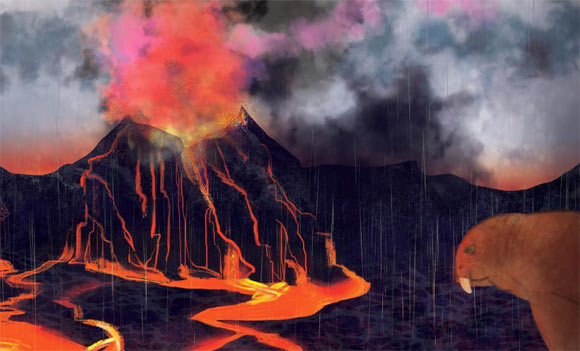
- Catastrophic Volcanism: Massive volcanic eruptions in Siberia released vast amounts of greenhouse gases, driving global warming and ocean acidification.
- Ecosystem Reorganization: The event led to long-lasting ecological shifts, paving the way for the emergence of new species and communities over millions of years.
Introduction
The 3rd mass extinction, widely known as the Permian-Triassic extinction event or “The Great Dying,” represents one of the most calamitous events in Earth’s history. Occurring roughly 251.9 to 252 million years ago, this event obliterated up to 96% of marine species and 70% of terrestrial species, marking an unparalleled reorganization of life on Earth. In this essay, we will delve into the remarkable facts surrounding the event, exploring its causes, the scale of its devastation, its effects on ecosystems, and the long recovery period that followed.
Timeline and Scale of Devastation
When and How Fast?
The Permian-Triassic extinction occurred approximately 252 million years ago at the end of the Permian period. Remarkably, the extinction event is estimated to have taken place over a geologically short timespan of about 60,000 years. While this may seem like a long period in human terms, it is extremely rapid when considered within the context of Earth’s geological history.
Unparalleled Loss of Life
The scale of the devastation was both widespread and severe. Research indicates that nearly 96% of marine species were wiped out, a proportion that underscores the severity of marine life extinction. Terrestrial life did not fare much better, with about 70% of species disappearing altogether. In some regions, almost all trees and vegetation were obliterated, plunging the planet into an extended period of ecological chaos.
Key Metrics of the Extinction Event
| Category | Extent of Extinction |
|---|---|
| Marine Species | Approximately 95-96% eradicated |
| Terrestrial Species | About 70% lost |
| Biological Families | Over 57% disappeared |
| Genera | Up to 83% affected |
Causes Behind the Catastrophe
Volcanic Eruptions and the Siberian Traps
Central to the narrative of the Permian-Triassic extinction is the ferocious volcanic activity that took place in what is now Siberia. These massive eruptions, known as the Siberian Traps, expelled gargantuan amounts of lava and gases, most notably carbon dioxide (CO₂) and sulfur dioxide (SO₂), into the atmosphere. The release of these greenhouse gases is closely linked to a dramatic increase in global temperatures. In some estimates, global warming during this time saw increases of more than 10°C on land and around 8°C in the oceans.
Secondary Environmental Stressors
In addition to the massive volcanic outpourings, several other factors likely compounded the effects of the eruption. The vast amounts of CO₂ and aerosols potentially led to ocean acidification and a reduction in oxygen levels (ocean anoxia). In some scenarios, scientists have posited that the volcanic gases also released methane from clathrate deposits. Furthermore, there is discussion around contributions from asteroid impacts; however, the impact hypothesis for this event remains less widely accepted in comparison to internal Earth processes like volcanism.
Mechanisms of Environmental Alteration
The combined effects of these stressors created an inhospitable environment. The increased greenhouse gases caused substantial global warming, while acidification of the oceans disrupted marine ecosystems. The deposition of volcanic dust and aerosols in the atmosphere blocked sunlight, inhibiting photosynthesis and contributing further to the collapse of terrestrial plant life. The widespread death of plant life, in turn, adversely impacted all organisms dependent on these primary producers.
Impact on Ecosystems and Biodiversity
Marine Ecosystems
Prior to the extinction, marine life was dominated by sessile organisms, those attached firmly to the seafloor, which played critical roles in maintaining ocean ecosystems. Post-extinction, however, there was a sizeable shift toward mobile species. The sudden loss of many species forced surviving marine organisms to adapt quickly, changing the very nature of marine biodiversity. This led to a predominance of more mobile organisms, such as snails and crabs, which were better able to relocate and survive in a dramatically altered environment.
Terrestrial Ecosystems
On land, nearly complete devastation was evident in the disappearance of nearly all forested regions. The global die-off of trees and plants radically transformed the Earth's surface, leaving barren landscapes where lush vegetation had once thrived. The loss of plant life affected not only primary consumers that relied on them but also higher trophic levels in the food chain. This decimation paved the way for the eventual reestablishment of entirely new ecological niches.
Ecological Shifts and Recovery
In the wake of The Great Dying, the course of evolution was irrevocably altered. The near-total obliteration of many species cleared the ecological deck, thereby allowing for the emergence and proliferation of new life forms. Although it took millions of years for ecosystems to gradually recover, these long recovery times also set the stage for the eventual rise of novel species, including early ancestors of the mammals and dinosaurs that would come to dominate future eras.
Recovery and Aftermath
The Road to Revival
The period following the extinction event was characterized by a slow and uneven recovery of biodiversity. With only about 5% of species managing to survive the cataclysm, the ecosystems were thrust into a state of flux where reproduction and adaptation were essential for re-colonizing the ruined landscapes. It is estimated that it took about 10 million years for Earth’s ecosystems to fully recuperate.
Long-Term Evolutionary Impacts
From a broader perspective, the mass extinction catalyzed profound evolutionary changes. The eradication of dominant species allowed evolutionary new groups to rise and flourish in the subsequent age. The vacant niches were occupied by species that had either adapted to survive the catastrophic conditions or evolved after the event. This reshaping of the Earth’s biological communities is a seminal example of how nature can reset and reinvent itself even after experiencing the greatest of all natural catastrophes.
Ecological and Evolutionary Innovations
One of the most notable long-term outcomes of the extinction event was the opening of numerous ecological niches, which led to a significant radiation of new species. The absence of pre-existing dominant species allowed for radical innovations in body plans, lifestyles, and ecological strategies. This paved the way for the evolution of new forms of life that would eventually shape the biodiversity of the Mesozoic and Cenozoic eras.
Additional Fascinating Aspects
Geochemical and Climatic Evidence
The scientific community has uncovered abundant geochemical evidence supporting the theory of volcanic-induced climate change during this extinction event. For instance, increases in carbon and sulfur isotopes in rock layers correlate with the timing of the Siberian eruptions. These geochemical signatures not only help date the extinction but also provide insights into the climatic and environmental extremes that characterized the period.
Reconstructing Past Climates
Using advanced geochemical analysis, researchers have been able to reconstruct the dramatic climatic swings that occurred during the Permian-Triassic boundary. These reconstructions indicate a period of intense global warming, with polar regions experiencing temperatures far higher than today’s averages. Such climatic extremes, in turn, directly impacted both marine and terrestrial habitats, further contributing to the massive scale of the extinction event.
Fossil Record and Its Legacy
The legacy of The Great Dying is also embedded in the fossil record. Fossils from the Permian-Triassic period reveal both the abruptness of the extinction and the subsequent slow reprisal of life forms from the scars left behind in the biosphere. The fossilized remains and geological strata form an essential record that helps paleontologists and geologists not just date the event but also understand the multifaceted impacts it had on evolution and ecology.
Synthesized Insights and Future Research Directions
Integrative Understanding of the Event's Drivers
A synthesis of the available research underscores the multi-causal nature of the Permian-Triassic extinction. Volcanic activity, predominantly from the Siberian Traps, appears as the leading culprit, working in concert with additional stressors such as ocean anoxia, climatic extremes, and possible extraterrestrial influences. These drivers interacted in complex ways that created feedback loops detrimental to the stability of ecosystems. The interplay of these factors illustrates a fundamental aspect of mass extinctions: they are rarely caused by a single event but rather by a convergence of multiple catastrophic elements.
Modern Implications and Lessons Learned
Reflecting on the Permian-Triassic extinction provides valuable lessons for the current biodiversity crisis. Modern climate change, driven by human-induced greenhouse gas emissions, possesses echoes of the extreme warming seen during The Great Dying. While the scales and mechanisms differ, the historical record emphasizes how rapidly Earth’s systems can be destabilized by profound shifts in atmospheric composition and temperature. Thus, understanding this ancient event may offer crucial insights into mitigating current environmental threats and steering global policy.
Ecosystem Resilience and Adaptation
The resilient recovery of life following the mass extinction demonstrates nature’s capacity to adapt and reinvent itself. While the event caused an almost complete reset of biodiversity, it also catalyzed the evolutionary emergence of new forms of life. In our current era, emphasizing ecosystem resilience and fostering biodiversity can be seen as proactive measures to buffer against potential future mass extinctions.
Conclusion and Final Thoughts
In summary, the 3rd mass extinction – known as the Permian-Triassic extinction or “The Great Dying” – represents a pivotal event in the history of life on Earth. It was characterized by unparalleled loss of biodiversity, with estimates indicating that up to 96% of marine species and 70% of terrestrial species were wiped out within a remarkably brief geological period. The main drivers of this catastrophe were enormous volcanic eruptions in the Siberian Traps, which released massive amounts of greenhouse gases, triggering global warming, ocean acidification, and widespread ecological collapse.
The shock waves from this event led to an irreversible reorganization of life, paving the way for the evolution of entirely new ecosystems and species over millions of years. Moreover, the event serves as a profound historical lesson on the possible outcomes of rapid environmental change and the cascading effects it can have on global biodiversity. Today, understanding the Permian-Triassic extinction fuels ongoing research into climate dynamics, ecosystem recovery, and the resilience of life – themes that remain ever relevant as we confront modern environmental challenges.
These exceptional insights into The Great Dying not only underscore the fragility of Earth’s biosphere under extreme climatic and geochemical shifts but also illuminate the pathways through which life explores and redefines its resilience in the face of catastrophic change. As we continue to study these ancient events, we are reminded of the interconnectedness of Earth’s systems and the importance of preserving ecological balance in our modern world.
References
- Mass Extinction Events - Earth.org
- Permian Extinction - National Geographic
- The Great Dying - NASA Science
- End Permian Extinction - What Is Missing?
- Mass Extinctions Overview - ThoughtCo
Recommended Further Exploration
Last updated February 27, 2025