
Exploring the Fusion of Tradition and Nutrition
Culturally sensitive approaches to integrating traditional food practices
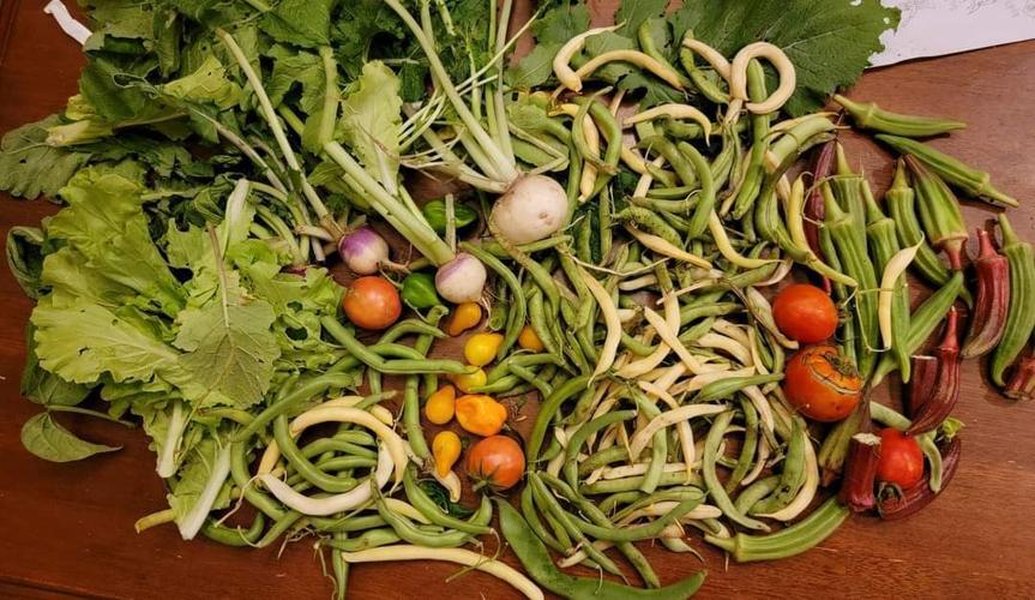
Key Highlights
- Cultural Sensitivity and Engagement: Actively involve Indigenous communities and traditional food experts to authentically integrate cultural heritage into nutrition programs.
- Policy and USDA Guidance: Adhere to USDA and Federal Nutrition Program guidelines by crediting traditional Indigenous foods, ensuring safety and supporting locally sourced produce.
- Education and Practical Implementation: Utilize educational initiatives, community gardens, local sourcing, and practical hands-on activities to establish sustainable practices.
Comprehensive Strategies for Integration
Integrating traditional food practices into nutrition programs is not only a matter of incorporating specific ingredients into the diet but also a process that honors cultural heritage, food sovereignty, and community engagement. The approach is multifaceted and involves understanding cultural context, aligning with national guidelines, developing educational material, and creating sustainable practices. Drawing from policies provided by the USDA, practical strategies for integrating traditional foods include several core components:
1. Cultural Sensitivity and Community Engagement
At the heart of integrating traditional foods is an honest commitment to cultural sensitivity. Engaging with Indigenous communities and local knowledge keepers is fundamental as these groups provide authentic insights into the preparation, significance, and nutritional benefits of traditional foods. Traditional food experts and community elders possess invaluable wisdom that not only enriches nutrition programs but also promotes respect for cultural heritage. A culturally enriched curriculum might:
- Engage Indigenous culinary experts in planning and teaching meal preparation classes.
- Organize storytelling sessions and demonstrations that explain the historical context and significance of traditional ingredients.
- Highlight the nutritional value and ecological benefits of traditional diets through local workshops.
Such initiatives help bridge modern nutrition requirements with the longstanding, sustainable practices of Indigenous cultures while empowering communities to take pride in their heritage.
2. Adherence to USDA Guidelines and Policy Development
The USDA has been a strong advocate for including traditional foods in Child Nutrition Programs (CNPs), ensuring that credit is given where due, and that these foods meet nutritional standards. Key strategies involve:
- Credit and Policy Alignment: USDA guidance supports crediting traditional Indigenous foods comparably to other foods featured in the Food Buying Guide. This ensures that nutrition programs can seamlessly incorporate traditional foods while meeting federal nutrition requirements.
- Policy Update and Flexibility: Nutrition programs are encouraged to adopt flexible policies that accommodate traditional food sourcing, laboratory testing for food safety, as well as sourcing locally grown ingredients.
- Tailored Programs: Programs such as the Food Distribution Program on Indian Reservations (FDPIR) and WIC have provisions specifically aimed at improving food security in Indigenous communities by incorporating traditional ingredients.
Policy memoranda and guidance documents provided by USDA and related federal agencies can offer detailed frameworks for ensuring that nutrition plans are both equitable and culturally respectful.
3. Leveraging Local Sourcing and Agricultural Initiatives
Traditional food practices commonly rely on local sourcing and seasonal produce, reflecting an ecosystem-based approach to nutrition. Embracing local sourcing not only supports community economics but also ensures freshness and preserves biodiversity. Communities are increasingly supporting initiatives such as:
- Local gardens and community-supported agriculture (CSA) that highlight indigenous crop varieties.
- Collaboration with local farmers and tribal producers to create a steady supply chain of traditional fruits, vegetables, and proteins.
- Developing summer and seasonal food service programs that introduce locally grown traditional foods to children and families alike.
These initiatives empower communities by emphasizing self-reliance and sustainable agriculture, which ultimately translate into improved health outcomes.
4. Educational Programs and Hands-On Initiatives
Integrating traditional foods into educational programs is a critical part of the strategy. Through culturally-tailored nutrition education, programs can convey the benefits of traditional diets to both children and adults. Educational initiatives include:
- School Gardens and Cooking Classes: These programs help children understand where their food comes from and encourage healthy eating habits early on while preserving community traditions.
- Taste Tests and Cultural Workshops: Organizing taste tests and workshops led by Indigenous culinary experts fosters an appreciation for traditional flavors while reinforcing cultural identity.
- Digital and Print Resources: Developing recipe books that highlight traditional foods, their preparation methods, and nutritional benefits further enhances cultural preservation.
Educational initiatives bridge generational knowledge and modern nutritional science, ensuring that traditional food systems remain vibrant in contemporary ecosystems.
5. Practical Implementation and Menu Development
An integral part of the integration process is the practical implementation within meal programs. Nutrition programs need to demonstrate how traditional foods can be seamlessly and safely incorporated into daily menus. This involves:
- Menu and Recipe Adaptation: Develop recipes that respect traditional culinary methods while ensuring they meet modern nutritional standards. By crediting these foods within child nutrition programs, operators can ensure compliance with federal guidelines.
- Balancing Modern Techniques and Traditional Practices: Utilize modern preservation, cooking, and serving techniques that complement traditional foods. This not only maintains authenticity but also enhances the safety and shelf-life of these products.
- Monitoring and Evaluation: Establish processes to evaluate the nutritional impact and community satisfaction with integrated traditional food menus. Feedback loops may include taste tests, surveys, and nutritional assessments.
By planning menus that incorporate traditional foods in a balanced manner, nutrition programs become vehicles for cultural preservation as well as drivers for healthy eating.
Visualization of Integration Strategies
The following radar chart illustrates a synthesized view of how various aspects of integration are emphasized across different dimensions. This includes cultural relevance, policy support, local sourcing, educational outreach, and practical implementation. This visual helps stakeholders quickly gauge the areas that are being effectively addressed and those that require further focus.
Real World Examples and Supporting Media
To further illustrate the practical application of these strategies, communities across the United States have successfully integrated traditional foods into nutrition programs by establishing school gardens, hosting culturally centered cooking workshops, and creating partnerships with local farmers. For instance, several tribal communities have developed programs where children participate in local harvests and learn to prepare traditional meals, resulting in improved nutritional outcomes and enhanced cultural pride.
Featured Video
The embedded video below provides an in-depth look into best practices for incorporating traditional foods within child nutrition programs. It highlights practical examples, expert testimonies, and community initiatives demonstrating how these practices can be seamlessly integrated into existing meal programs.
Synthesis Table of Key Strategies
The table below synthesizes the main strategies for integrating traditional food practices into nutrition programs. It provides a clear overview of the focus areas, associated actions, and the expected outcomes.
| Focus Area | Key Actions | Expected Outcomes |
|---|---|---|
| Cultural Engagement |
|
Enhanced cultural pride and authentic food representation |
| USDA & Policy Alignment |
|
Improved program eligibility and legal adherence |
| Local Sourcing & Sustainability |
|
Boosted local economies and sustainable food supply |
| Educational Outreach |
|
Increased community awareness and skill development |
| Practical Implementation |
|
Seamless integration into day-to-day nutrition programs |
Frequently Asked Questions (FAQ)
What are the main benefits of integrating traditional foods into nutrition programs?
The benefits include cultural preservation, enhanced nutritional intake aligned with historically balanced diets, improved community engagement, and the support of sustainable local agriculture through community-driven initiatives.
How do USDA guidelines support the incorporation of traditional foods?
USDA guidelines provide clear crediting policies for traditional Indigenous foods within child nutrition programs. They offer frameworks that ensure traditional foods are acknowledged similarly to other nutritional components, support policy updates, and maintain food safety compliance while promoting cultural authenticity.
What practical steps can schools take to incorporate traditional food practices?
Schools can create community gardens, offer cooking classes focusing on traditional recipes, organize taste tests, invite local culinary experts for demonstrations, and integrate educational materials that connect historical practices with modern nutritional science.
References
- Serving Traditional Indigenous Foods - USDA
- Crediting Traditional Indigenous Foods - USDA
-
USDA Nutrition Programs - USDA
- Incorporating Traditional Foods in CNPs - CACFP
- Empowering Indigenous Food Sovereignty - ODPHP
Recommended Queries
Last updated April 3, 2025